
The Genesis of a Groundbreaking Study
The mid-20th century in America was a period of significant social upheaval and evolving perspectives on mental health. While psychiatry was gaining traction as a legitimate field of study and treatment, the reality within mental institutions often remained shrouded in mystery and subject to public apprehension. It was against this backdrop that David Rosenhan, a Stanford University psychologist, conceived and executed a series of experiments designed to probe the efficacy and underlying biases of psychiatric diagnoses and institutions. His seminal work, published in Science in 1973, would forever alter the discourse surrounding mental illness, the nature of diagnosis, and the very fabric of institutional care. The genesis of Rosenhan’s study stemmed from a profound curiosity about the subjective nature of psychiatric labels. He questioned whether the diagnosis of a mental illness was a truly objective assessment of an individual’s pathology or if it was, in part, a consequence of the observer’s expectations and the environment in which the observation took place. This fundamental question led him to design an experiment that would put these assumptions to the test in a bold and unprecedented manner. The prevailing psychiatric paradigm of the time, heavily influenced by diagnostic manuals such as the Diagnostic and Statistical Manual of Mental Disorders (DSM), offered a framework for categorizing mental illnesses. However, Rosenhan harbored doubts about the reliability and validity of these classifications when applied in real-world clinical settings. He was particularly interested in the potential for diagnostic labels to become self-fulfilling prophecies, influencing how both patients and staff perceived and interacted with individuals. The social context of mental institutions also played a crucial role in his thinking. These were often isolated, hierarchical environments where the power dynamic between staff and patients was stark. Rosenhan sought to understand how this power imbalance might contribute to the misinterpretation of behavior and the perpetuation of diagnoses, even when the underlying symptoms might have subsided or never truly existed. The decision to use pseudo-patients, individuals feigning mental illness, was a carefully considered strategy. It allowed him to introduce a controlled variable into the chaotic environment of a psychiatric ward, enabling him to observe how the system reacted to individuals who, by design, were not genuinely suffering from the condition they presented. This approach, while ethically complex, was deemed necessary to bypass the usual gates of admission and directly experience the institutional milieu from the perspective of someone labeled mentally ill. The initial stages of planning involved recruiting volunteers, individuals from diverse backgrounds, including academics, clinicians, and artists. These individuals were carefully instructed on how to simulate specific symptoms, primarily auditory hallucinations, a common presenting complaint for schizophrenia. The goal was not to mimic a severe psychotic break, but to present just enough believable evidence to gain admission to a psychiatric hospital. The rigor of the planning underscores the scientific intent behind Rosenhan’s audacious experiment. He was not merely seeking to expose flaws; he was aiming to generate empirical data that would challenge established psychiatric norms and foster a more nuanced understanding of mental illness and its treatment. The selection of participating hospitals was also strategic, encompassing a range of institutions, from state-funded public facilities to private hospitals, in an effort to ascertain if the observed phenomena were systemic or specific to particular types of care. This multifaceted approach laid the groundwork for an experiment that would have a profound and lasting impact on the field of mental health.
The Rosenhan experiment, which highlighted the challenges of accurately diagnosing mental illness within psychiatric institutions, has sparked ongoing discussions about the realities of mental health treatment. For a deeper understanding of the implications and criticisms surrounding this landmark study, you can explore a related article that delves into the complexities of mental health diagnoses and the experiences of patients in psychiatric settings. To read more about this topic, visit this article.
The Experiment Unveiled: Simulating Illness and Experiencing the System

The core of Rosenhan’s groundbreaking study involved a group of eight “pseudo-patients,” consisting of three women and five men. These individuals, including Rosenhan himself, were psychologically healthy and had no prior history of mental illness. Their mission was simple yet profoundly impactful: to gain admission to twelve psychiatric hospitals across five different states in the United States. To achieve this, each pseudo-patient presented themselves to hospital admissions committees complaining of hearing voices. Specifically, they reported hearing a voice, which was often indistinct, saying words like “thump,” “empty,” and “cluck.” This symptom was chosen because it was ambiguous enough to suggest a potential psychiatric disturbance without being so overtly bizarre as to immediately raise suspicions of malingering. Once admitted, the pseudo-patients immediately ceased feigning any symptoms. They stopped reporting hallucinations and behaved as normally as possible, interacting with staff and patients in a calm and rational manner. They took their prescribed medications, participated in group therapy sessions, and even engaged in conversations with other patients, all while meticulously observing and documenting their experiences. The objective was to see how long it would take for them to be recognized as sane and discharged. The results were stark and deeply unsettling. On average, the pseudo-patients spent 19 days in the hospitals. The longest stay was 52 days, and the shortest was 7 days. Despite exhibiting no further symptoms after admission, the staff interpreted their normal behavior through the lens of their initial diagnosis. For instance, note-taking by the pseudo-patients, an attempt to gather data for the study, was perceived as a symptom of their illness. One pseudo-patient, a psychiatrist, was observed by staff to be taking notes diligently, which was then documented in his medical chart as “patient engages in writing behavior.” Similarly, the fact that they were willing to engage in conversations and answer questions was seen as a sign of their pathological engagement rather than normal human interaction. The diagnostic label, once affixed, proved remarkably resistant to removal. The pseudo-patients were diagnosed with a range of conditions, predominantly schizophrenia (35 out of the 118 admissions) and manic-depressive psychosis (16 admissions). The overwhelming majority of these diagnoses were never overturned, even as their behavior clearly demonstrated sanity. The hospitals, designed to treat illness, were unable to recognize or acknowledge the absence of it. The very instruments of diagnosis, the doctors and nurses, were so conditioned by the institutional environment and the initial diagnostic criteria that they were effectively blind to reality. The experience of the pseudo-patients also highlighted the dehumanizing nature of psychiatric institutions. They were stripped of their names and referred to by numbers. Their privacy was nonexistent, and their personal belongings were often searched. The staff, while not overtly cruel in many cases, often exhibited a detached and dismissive attitude towards the patients. The power dynamic was rigidly maintained, with staff members holding unquestioned authority. The act of being hospitalized, even for simulated symptoms, triggered a profound change in how individuals were perceived and treated. This period of observation, where healthy individuals were treated as mentally ill, served as a powerful demonstration of the power of diagnostic labels and institutional context. It exposed the potential for error and bias within the psychiatric system, challenging the notion that diagnoses were always objective and immutable.
The Echoes of Sanity: Staff Perceptions and Diagnostic Stickiness
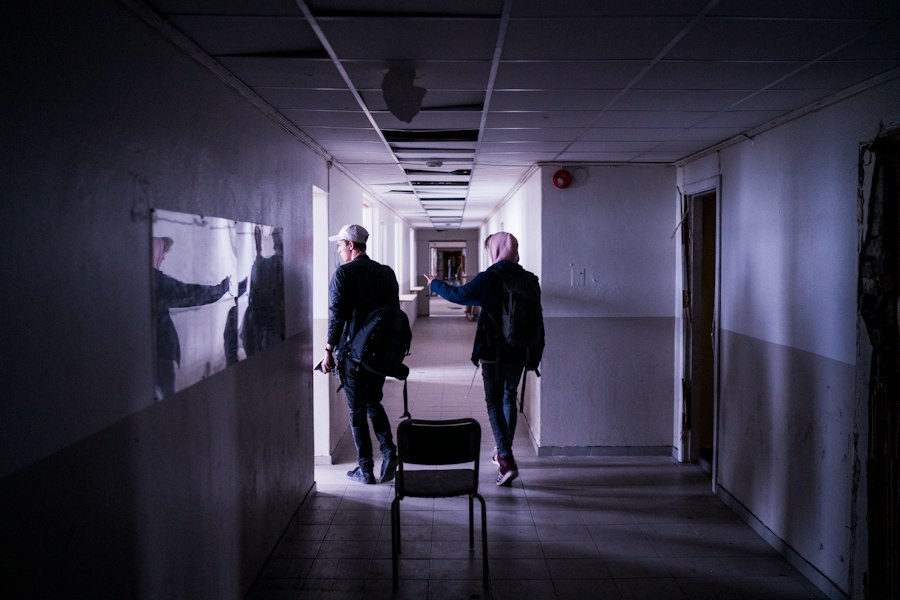
One of the most striking and perhaps most disturbing findings of the Rosenhan experiment was the sheer difficulty with which the pseudo-patients were able to shed their diagnostic labels. Once admitted, the label of “mentally ill” seemed to act as a permanent stain, coloring every subsequent observation and interaction. The study meticulously documented how staff members consistently interpreted normal behaviors through the prism of the assigned diagnosis. This phenomenon, known as diagnostic stickiness, revealed a profound challenge within psychiatric practice. The pseudo-patients, having ceased all feigning of symptoms upon admission, engaged in behaviors that were entirely consistent with mental well-being. They spoke rationally, interacted with staff and fellow patients in a coherent manner, and took their prescribed medications without complaint. Yet, these very actions were often reinterpreted by the hospital staff to fit the existing narrative of illness. For example, a pseudo-patient’s diligent note-taking was not seen as a sign of intellectual curiosity or a desire to document their experience, but rather as a manifestation of their supposed paranoia or a compulsion stemming from their illness. Similarly, their willingness to engage in conversations was often viewed as an attempt to manipulate or convince others of their sanity, rather than genuine human interaction. This illustrates a powerful confirmation bias at play. Once a diagnosis was made, the staff unconsciously sought out and prioritized evidence that supported that diagnosis, while downplaying or dismissing any evidence that contradicted it. The fundamental assumption was that if someone was in a psychiatric hospital, they must be mentally ill. Therefore, any behavior, however normal, was seen as a symptom of that underlying illness. The Rosenhan experiment effectively demonstrated that the clinical environment itself, coupled with the initial diagnostic label, created a self-perpetuating cycle. The staff, operating within this system, were essentially predisposed to see illness, even when it was absent. This raises crucial questions about the subjective nature of psychiatric diagnosis. It suggested that the diagnostic process was not a purely objective scientific endeavor but was significantly influenced by the observer’s expectations, the institutional context, and the inherent biases within the diagnostic framework itself. The study highlighted a critical flaw: the system was designed to find illness, and when faced with individuals who appeared outwardly well, it struggled to accommodate that reality, instead twisting normal behaviors to fit the pre-existing diagnostic mold. The profound implications of this “diagnostic stickiness” extend beyond the Rosenhan experiment itself. It underscored the potential for individuals to be wrongly labeled, institutionalized, and subjected to treatment they did not need. It raised concerns about the accuracy and reliability of psychiatric diagnoses, particularly in environments where subjective interpretation plays a significant role. The experiment served as a powerful indictment of a system that, in its attempt to help, could inadvertently cause harm by failing to recognize and acknowledge sanity. The lack of objective, independent verification of the pseudo-patients’ “illness” by the staff was a critical component of this diagnostic persistence. The hospitals were not equipped, or perhaps not inclined, to challenge their own initial assessments, leading to prolonged stays for individuals who were, in reality, healthy.
The Human Cost: Dehumanization and the Impact of Labeling
Beyond the statistical and diagnostic findings, the Rosenhan experiment laid bare the profound human cost of institutionalization and the devastating impact of being labeled mentally ill. The pseudo-patients’ accounts vividly illustrated the dehumanizing aspects of the psychiatric hospitals they infiltrated. Stripped of their identities, they were often referred to by numbers rather than names, a practice that served to diminish their individuality and reinforce their status as objects of treatment rather than as human beings. This lack of personal recognition contributed to a pervasive sense of alienation and isolation. Their personal belongings were frequently searched, further eroding any sense of privacy or autonomy. The constant surveillance, while perhaps intended for patient safety, created an atmosphere of suspicion and distrust, making it difficult for the pseudo-patients to feel secure or respected. The interactions with the hospital staff, while not always overtly abusive, were often characterized by a sense of detachment and condescension. The pseudo-patients reported feeling invisible, their concerns and experiences often dismissed or trivialized. The power imbalance between staff and patients was palpable, with the former holding almost absolute authority. This dynamic contributed to an environment where patients were disempowered and discouraged from asserting their own needs or perspectives. The very act of being labeled mentally ill, even falsely, had a profound psychological impact. The pseudo-patients, though aware of their feigned illness, described experiencing feelings of powerlessness and despair as they were treated as fundamentally different and flawed. This experience highlighted how diagnostic labels, once applied, can shape not only how others perceive an individual but also how that individual perceives themselves. The shame, stigma, and social exclusion associated with mental illness, even in this experimental context, were keenly felt. The study revealed that the social consequences of a psychiatric label could be as damaging as the perceived illness itself. When an individual is labeled mentally ill, they are often ostracized by society, face discrimination in employment and housing, and may even be denied basic rights. The Rosenhan experiment provided a stark illustration of this reality, albeit in a controlled environment. The dehumanization extended to the treatment protocols themselves. While the pseudo-patients were prescribed medications, they often felt that these were administered without genuine consideration for their individual needs, simply as a standard response to their assigned diagnosis. The lack of personalized care and the reliance on generalized treatment approaches further contributed to the sense of being a mere case rather than an individual requiring compassionate and tailored support. The experiment served as a powerful, albeit ethically fraught, demonstration of the lived experience of those struggling with mental illness within institutional settings. It underscored that beyond the clinical symptoms and diagnostic categories, there are real human beings who suffer from stigma, dehumanization, and a loss of dignity. The psychological toll of such an environment, even on healthy individuals feigning illness, was significant and served as a potent warning about the potential harms of poorly managed or stigmatizing mental health institutions.
The Rosenhan experiment, which revealed the challenges of accurately diagnosing mental illness within psychiatric institutions, has sparked ongoing discussions about the realities of mental health treatment. For those interested in exploring this topic further, a related article can be found at Unplugged Psych, where the complexities of psychiatric evaluations and the implications of the experiment are examined in detail. This investigation not only highlights the historical significance of Rosenhan’s work but also encourages a critical look at current practices in mental health care.
Critiques and Enduring Legacy: Refining the Discourse on Mental Health
| Metric | Data/Value | Description |
|---|---|---|
| Number of Pseudopatients | 8 | Individuals who feigned auditory hallucinations to gain admission to mental hospitals |
| Hospitals Involved | 12 | Number of different psychiatric hospitals where the experiment was conducted |
| Average Length of Stay | 19 days | Duration pseudopatients remained admitted before being discharged |
| Diagnosis on Admission | Schizophrenia (mostly) | Initial psychiatric diagnosis given to pseudopatients upon admission |
| Discharge Diagnosis | Schizophrenia in remission | Final diagnosis upon release, indicating remission rather than cure |
| Number of Real Patients Suspected as Pseudopatients | 41 | Number of genuine patients suspected by staff to be impostors during the follow-up study |
| Staff Detection Rate | 0% | Percentage of pseudopatients correctly identified by hospital staff as impostors |
| Patient Detection Rate | 35% | Percentage of pseudopatients identified by actual patients as impostors |
The Rosenhan experiment, despite its profound impact, was not without its critics. One of the most significant critiques centered on the ethical implications of deceiving psychiatric professionals and potentially occupying beds that could have been used by genuinely ill patients. While Rosenhan argued that the study was conducted with the utmost care and that no harm was intended or, to his knowledge, incurred, the ethical debate surrounding deception in research, particularly when it involves vulnerable populations, remains a critical consideration. Another point of contention revolved around the limited scope of the study. The experiment involved a relatively small number of participants and a select group of hospitals, leading some to question the generalizability of the findings to all psychiatric institutions and all types of mental illness. Critics argued that perhaps the chosen symptom was too easily misinterpreted or that certain institutions might have more robust diagnostic practices. Rosenhan himself acknowledged some limitations and later conducted a follow-up study where hospitals were warned about pseudo-patients and asked to identify them. In this second study, hospitals reported identifying a significant number of pseudo-patients, suggesting that the initial findings might have been influenced by the element of surprise and lack of forewarning. However, the core message of the original experiment – the susceptibility of psychiatric diagnoses to contextual biases and observer expectations – remained potent. Despite these critiques, the enduring legacy of the Rosenhan experiment is undeniable. It fundamentally shifted the conversation around mental illness and psychiatric diagnosis. The study challenged the prevailing notion of diagnostic infallibility and forced a re-examination of the reliability and validity of the diagnostic process. It spurred significant research into the development of more objective diagnostic tools and criteria, contributing to advancements in the DSM and other classification systems. The experiment also highlighted the importance of the therapeutic environment and the potential for dehumanization within institutions. It sparked a greater awareness of patient rights, the need for more humane treatment approaches, and the importance of distinguishing between the illness and the individual. The concept of “labeling theory,” which suggests that the application of a label can influence an individual’s behavior and self-perception, gained significant traction and was powerfully illustrated by Rosenhan’s work. The experiment encouraged a more critical and nuanced understanding of mental health, moving away from a purely biological or pathological model to one that acknowledges the interplay of psychological, social, and environmental factors. It paved the way for greater advocacy for community-based mental health services and a reduction in reliance on large, impersonal institutions. In essence, the Rosenhan experiment acted as a catalyst for change, prompting introspection within the psychiatric community and fostering a more compassionate and evidence-based approach to mental health care. Its echoes can still be heard today in discussions about diagnostic accuracy, patient advocacy, and the ongoing effort to destigmatize mental illness and ensure that individuals receive the care and respect they deserve. The study remains a cornerstone in the history of psychology and psychiatry, a testament to the power of empirical inquiry to challenge established norms and illuminate complex truths.

What Did Rosenhan Leave Out of His Famous Study?
FAQs
What was the Rosenhan experiment?
The Rosenhan experiment was a famous psychological study conducted in the 1970s to investigate the validity of psychiatric diagnosis and the treatment of mental illness in mental institutions.
How was the Rosenhan experiment conducted?
Psychologist David Rosenhan and seven other “pseudopatients” feigned auditory hallucinations to gain admission to various mental hospitals. Once admitted, they behaved normally and reported that the hallucinations had ceased, yet they were all diagnosed with psychiatric disorders.
What were the main findings of the Rosenhan experiment?
The main findings of the Rosenhan experiment were that psychiatric diagnosis was often unreliable, mental health professionals struggled to distinguish between sanity and insanity, and the hospital staff tended to interpret normal behaviors as symptoms of mental illness.
What impact did the Rosenhan experiment have on the field of psychology?
The Rosenhan experiment had a significant impact on the field of psychology by raising awareness about the limitations of psychiatric diagnosis, the stigmatization of mental illness, and the need for reforms in mental health institutions and practices.
Was the Rosenhan experiment controversial?
Yes, the Rosenhan experiment was controversial as it exposed serious flaws in the mental health system and sparked debates about the ethics of the study, the treatment of patients in mental institutions, and the reliability of psychiatric diagnosis.