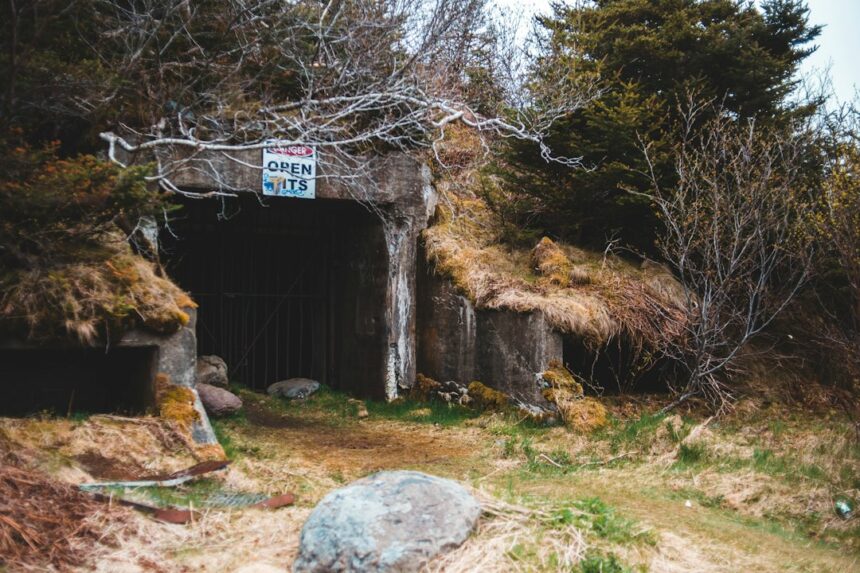
Robbers Cave, nestled in the rugged beauty of Oklahoma, has long been a magnet for tales of intrigue, danger, and outlawry. Its labyrinthine canyons, hidden springs, and dense forests provided the perfect, secluded sanctuary for those who sought to evade the long arm of the law. The “Robbers Cave Cabin Raids” refer not to a single event, but to a series of historical occurrences and persistent legends that cemented the cave’s reputation as an infamous outlaw hideout. From the days of Native American encampments to the notorious exploits of figures like Belle Starr and the Younger Brothers, the caves witnessed a dramatic and often violent history, shaping the romanticized, albeit perilous, lore of the American West.
Geologic Fortifications and Strategic Advantages
Robbers Cave State Park, located near Wilburton, Oklahoma, is a testament to the raw power of geological forces. The park’s defining feature, Robbers Cave itself, is a complex network of sandstone formations, deep crevices, and a series of interconnected caves that create a natural fortress. Erosion, over millennia, sculpted the landscape into a series of bluffs, overhangs, and narrow passages, rendering them incredibly difficult for pursuers to navigate. The dense foliage of the surrounding Ouachita Mountains further obscured any signs of passage, providing excellent camouflage for those wishing to remain unseen.
The strategic advantages of this terrain were not lost on the early inhabitants. Before becoming an outlaw sanctuary, the caves and surrounding areas served as significant encampments for various Native American tribes, including the Choctaw, who were forcibly removed to Indian Territory. These indigenous peoples understood the natural defenses the land offered, utilizing them for protection and sustenance. When European settlers began to arrive and the era of lawlessness took hold, these same natural fortifications became prime real estate for a different kind of inhabitant. The sheer inaccessibility of the deeper caves meant that lawmen often had to venture in on foot, facing the risk of ambushes from unseen assailants. The presence of natural springs within the cave system also ensured a reliable water source, a crucial element for any group seeking to remain hidden for extended periods.
The Shadow of the Ouachita Mountains
The Ouachita Mountains, a rugged and sparsely populated mountain range, provided a vast and unforgiving backdrop for outlaw activities. This geographical isolation was a key factor in Robbers Cave’s allure as a hideout. Unlike more open plains where pursuit could be swift and visible, the dense forests and broken terrain of the Ouachitas offered numerous places to disappear. The region’s natural resources, including game for food and timber for shelter, further supported extended stays, allowing outlaws to lie low for weeks or even months at a time.
The very topography of the Ouachitas made them a formidable barrier. Steep ridges, deep valleys, and winding creeks created a natural maze that could easily disorient those unfamiliar with the territory. For experienced outlaws, however, these same challenges became their allies. They could move with a familiarity that outsiders lacked, using hidden trails and secret routes to evade capture. The isolation also meant that law enforcement was often stretched thin, with limited resources and manpower to patrol such a vast and challenging area effectively. This scarcity of official presence further emboldened criminals to utilize Robbers Cave and its surroundings as their base of operations.
The Robbers Cave cabin raids have been a significant topic in the study of group dynamics and social psychology. For those interested in exploring this subject further, a related article can be found at Unplugged Psychology, which delves into the implications of the Robbers Cave experiment and its relevance to understanding conflict resolution and cooperation among groups.
Echoes of Infamy: Legendary Outlaws and Their Hideouts
Belle Starr: The Bandit Queen’s Familiar Ground
Belle Starr, perhaps the most famous female outlaw of the American West, is inextricably linked to the Robbers Cave region. Known as the “Bandit Queen,” she was a complex figure, often portrayed as both ruthless and glamorous. Her association with the area stems from her relationships with various notorious individuals and her own alleged criminal activities. While the exact extent of her personal use of Robbers Cave is debated by historians, local lore and her biographies firmly place her within its shadow.
Starr frequently rode with various outlaw gangs, and her presence in the Indian Territory, where Robbers Cave is located, was well-documented. She was known to have harbored and associated with numerous outlaws, and it is highly probable that she utilized the secluded nature of Robbers Cave as a temporary refuge or a meeting point for her associates. Her exploits, which often involved horse theft and harboring fugitives, made her a legend in her own time, and the romanticized image of her evading the law in the rugged landscape surrounding Robbers Cave only fueled this mystique. Her life, cut short by assassination, added another layer of tragedy and legend to the already charged atmosphere of the region.
The Myth vs. Reality of Belle Starr’s Hideout
While many tales depict Belle Starr as directly residing within the caves, historical accounts suggest a more nuanced reality. It is more likely that she utilized the surrounding wilderness and less secure, more accessible locations near the cave system as her operational bases. The true allure of Robbers Cave for figures like Starr lay in its strategic proximity to trade routes and towns, coupled with its inherent natural defenses. Her legend became intertwined with the cave, with stories emerging of her using it as a secret rendezvous point, a place to store stolen goods, or simply a safe haven when trouble loomed. The perpetuation of these stories, whether entirely accurate or embellished, significantly contributed to Robbers Cave’s reputation as an outlaw sanctuary.
The Younger Brothers and the Dalton Gang: Transient Havens
The Robbers Cave area also served as a temporary refuge for other infamous outlaw groups, notably the Younger Brothers and the Dalton Gang. While these groups were more associated with train and bank robberies in different territories, the vastness and remoteness of Indian Territory offered opportunities for them to lie low between their more daring exploits. The ability to vanish into the wilderness, utilizing natural shelters like those found at Robbers Cave, was a crucial tactic for these organized criminal enterprises.
The Younger Brothers, known for their participation in train robberies alongside the James Gang, and the Dalton Gang, famous for their ill-fated Coffeyville raid, were constantly on the move. They needed places where they could regroup, tend to their horses, and plan their next moves without fear of immediate detection. The dense forests and hidden canyons of the Ouachita Mountains provided just such a refuge. While they might not have established permanent residences within the cave itself, its strategic location and natural defenses would have made it an invaluable asset for temporary encampments or a quick escape route.
The Notorious Road to Coffeyville
The Dalton Gang’s connection to the broader outlaw network operating in Indian Territory is well-documented. While their primary operations were in Kansas, they, like other outlaws, utilized the network of hideouts and safe havens available in the region. The proximity of Robbers Cave to potential escape routes and the possibility of finding sympathetic individuals in the sparsely populated areas surrounding it made it a logical, albeit informal, part of their operational geography. The legend of the Dalton Gang’s daring robberies, and their eventual downfall, is punctuated by the lore of these remote hideouts where they could regroup and plan their audacious heists.
The “Cabin Raids”: A Pattern of Law Enforcement Confrontations

The Misnomer of “Cabin Raids”
The term “Robbers Cave Cabin Raids” itself is somewhat of a misnomer, as it doesn’t typically refer to specific raids on isolated cabins within the cave system. Instead, it points to a broader historical context of law enforcement attempting to apprehend outlaws who were believed to be using the Robbers Cave area, and its surrounding wilderness, as a base. These confrontations often involved tracking suspects through the rugged terrain, sometimes leading to skirmishes in or around natural shelters and the rudimentary structures that might have been erected by outlaws or their associates.
The “cabins” in question were likely not grand structures but rather rough shelters, lean-tos, or simple dwellings that served as temporary lodging for outlaws or their families. Law enforcement officials, upon receiving intelligence or tracking fugitives, would embark on expeditions into the area, leading to encounters that might be described as raids. The caves themselves, with their natural formations acting as shelters, were often the ultimate destination or hiding place within these larger operations.
The Persistence of Lawlessness
The repeated efforts by law enforcement to root out criminal activity from Robbers Cave highlight the persistent nature of outlawry in the region. The lure of the terrain, coupled with a degree of local sympathy or fear, made it a difficult area to fully pacify. These “raids” were often part of larger campaigns to bring order to Indian Territory, but the elusive nature of the outlaws and the challenging landscape made success an ongoing struggle. The legend of these confrontations, however, contributed to the mystique of Robbers Cave as a place where the law often met its match.
The Pursuit of Fugitives: A Perilous Undertaking
Law enforcement officers faced immense challenges when attempting to apprehend outlaws in the Robbers Cave area. The terrain was treacherous, and the outlaws were often intimately familiar with the land, possessing superior knowledge of its hidden trails and safe routes. These pursuits were not for the faint of heart, often involving long treks on horseback, on foot, and through dense wilderness.
The element of surprise was a crucial factor. Outlaws, with their network of informants or simply their intimate knowledge of the area, could often anticipate the movements of lawmen. This led to ambushes, shootouts, and daring escapes. The remoteness of the area also meant that reinforcements were often slow to arrive, leaving lawmen vulnerable and outnumbered. The success of these pursuits often depended on the bravery, determination, and sometimes the sheer luck of the officers involved.
The Role of Local Informants and “Sympathizers”
The effectiveness of law enforcement operations was often hampered by the presence of individuals who were either sympathetic to the outlaws or were too afraid to cooperate with the authorities. In a frontier society, loyalties could be complex, and the lines between law-abiding citizens and those on the fringes of society were often blurred. Some locals might have harbored outlaws out of necessity, fear, or even a shared sense of defiance against distant authority. This network of informal support made it difficult for law enforcement to gain reliable intelligence and execute their missions effectively.
The Transformation of a Hideout: From Outlaw Lair to Tourist Destination

The End of the Frontier Era and the Rise of Tourism
As the American West transitioned from its frontier phase, the days of widespread outlawry began to wane. The establishment of stronger law enforcement, increased population, and the expansion of infrastructure gradually diminished the appeal of remote hideouts like Robbers Cave for large-scale criminal operations. However, the rich history and dramatic legends associated with the area did not disappear; they transformed.
The very mystique that made Robbers Cave an attractive destination for outlaws also made it a compelling attraction for those seeking adventure and a connection to the romanticized past of the West. What was once a place of fear and evasion became a destination for curiosity and exploration. The stories of Belle Starr, the Younger Brothers, and countless unnamed desperadoes provided a narrative thread that drew visitors to the rugged landscape.
The Romanticized Image and its Commercial Appeal
The commercialization of the outlaw past began to take hold. Local businesses and park services recognized the appeal of the “Wild West” and began to market Robbers Cave as a place to experience a tangible connection to this era. Guided tours, historical reenactments, and the preservation of the natural landscape all contributed to creating an experience that tapped into the public’s fascination with outlaws and their daring exploits. The “robber” aspect of the cave’s name, once a fearful warning, became a catchy slogan for an adventurous outing.
Preserving the Legacy: Robbers Cave State Park Today
Today, Robbers Cave State Park stands as a testament to the enduring allure of this historic landscape. The park actively embraces its storied past, incorporating its outlaw lore into its visitor experience. While the days of actual raids are long gone, the echoes of those times are preserved through interpretive signage, historical exhibits, and the very landscape itself, which remains largely unchanged.
The park offers a variety of recreational activities, from hiking and camping to fishing and swimming, allowing visitors to explore the natural beauty that once concealed so many secrets. The caves themselves are a focal point, with guided tours available to explore their depths and imagine the outlaws who once sought refuge within their rocky embrace. The transformation of Robbers Cave from a dangerous hideout to a protected natural area and a popular tourist destination is a unique chapter in its long and colorful history.
Educational Programs and Historical Interpretation
Robbers Cave State Park is dedicated to educating the public about its rich history, including its association with outlaws. Educational programs are often developed to tell the stories of the individuals and events that shaped the area. Park rangers and historical interpreters play a crucial role in bringing these stories to life, offering insights into the lives of outlaws, the challenges faced by law enforcement, and the cultural significance of this unique region. These programs aim to provide a balanced perspective, acknowledging the harsh realities of outlawry while also celebrating the enduring spirit of the American West.
The Robbers Cave cabin raids have been a topic of interest for many, particularly in the context of group dynamics and conflict. For those looking to explore this subject further, a related article on the psychological aspects of group behavior can be found at Unplugged Psychology. This resource delves into how competition and cooperation shape interactions among individuals, providing valuable insights that complement the events surrounding the cabin raids.
The Enduring Legend: Robbers Cave in Popular Culture
| Metric | Value | Description |
|---|---|---|
| Number of Raids | 3 | Total cabin raids conducted during the Robbers Cave experiment |
| Participants Involved | 22 | Number of boys participating in the cabin raids |
| Duration of Raids | 2 hours each | Average length of each cabin raid event |
| Injuries Reported | 0 | Number of physical injuries during the raids |
| Conflict Intensity | High | Level of aggression and competition observed during raids |
| Outcome | Increased Intergroup Hostility | Effect of raids on group relations in the experiment |
Folklore and Local Legends
The legends surrounding Robbers Cave are deeply ingrained in the folklore of Oklahoma and the broader American West. These stories, passed down through generations, often blur the lines between historical fact and imaginative embellishment. Tales of hidden gold, secret passages, and dramatic shootouts continue to circulate, fueling the mystique of the area.
Local storytellers, park rangers, and even casual visitors often contribute to the ongoing narrative of Robbers Cave. The inherent drama of outlawry, set against the backdrop of rugged wilderness, provides fertile ground for the creation and perpetuation of captivating tales. The very remoteness and secrecy of the caves lend themselves to the idea of untold stories and undiscovered secrets.
The Whispers of Hidden Treasures
One of the most persistent elements of Robbers Cave folklore is the legend of hidden outlaw treasure. The idea that outlaws, like those who frequented the caves, would bury their ill-gotten gains in secret locations has fueled countless treasure hunts and inspired a sense of ongoing mystery. While no significant caches of outlaw gold have ever been definitively discovered, the persistent belief in their existence adds another layer of intrigue to the history of Robbers Cave. These whispers of buried riches contribute to the romanticized image of the outlaw, always one step ahead of the law and always with a secret to keep.
Influence on Literature, Film, and Media
The captivating history of Robbers Cave has found its way into various forms of popular culture, from novels and short stories to films and documentaries. The dramatic narrative of outlaws seeking refuge in a hidden natural fortress provides compelling material for storytellers. The rugged landscape and the inherent danger of the area create a vivid setting for tales of adventure, intrigue, and conflict.
These portrayals, while often fictionalized, have played a significant role in shaping the public perception of Robbers Cave and its outlaw past. They have introduced new generations to the legends of Belle Starr and other figures, further cementing the cave’s reputation as an iconic outlaw hideout. The enduring fascination with this chapter of American history ensures that the stories of Robbers Cave will continue to be told and retold, inspiring imaginations for years to come.
The Silver Screen and the Sandstone Shadows
The cinematic potential of Robbers Cave has not gone unnoticed by filmmakers. While specific films might not be directly set within the caves themselves, the archetypal outlaw hideout narrative that Robbers Cave embodies has been a recurring theme in Westerns and adventure films. The imagery of rugged canyons, hidden shelters, and desperate fugitives evading the law is a powerful visual trope that resonates with audiences. The mystique of Robbers Cave, therefore, contributes to a broader cultural understanding and appreciation of the outlaw era and its enduring appeal in popular entertainment.

How 22 Boys Were Turned Into Enemies
FAQs
What is Robbers Cave cabin raids?
Robbers Cave cabin raids were a series of criminal activities that took place in the 1930s in the Robbers Cave State Park in Oklahoma, where outlaws would raid cabins and steal from visitors.
When did the Robbers Cave cabin raids occur?
The Robbers Cave cabin raids occurred during the Great Depression in the 1930s, when the area was frequented by outlaws looking to steal from visitors staying in the cabins.
Were there any famous outlaws involved in the Robbers Cave cabin raids?
Yes, the most notorious outlaw associated with the Robbers Cave cabin raids was the infamous bank robber and gang leader, Pretty Boy Floyd.
How did the authorities respond to the Robbers Cave cabin raids?
Law enforcement officials in Oklahoma launched a crackdown on the outlaws involved in the cabin raids, leading to several arrests and the eventual end of the criminal activities in the area.
Is Robbers Cave State Park safe to visit now?
Yes, Robbers Cave State Park is now a popular recreational area in Oklahoma and is considered safe for visitors to explore and enjoy outdoor activities.