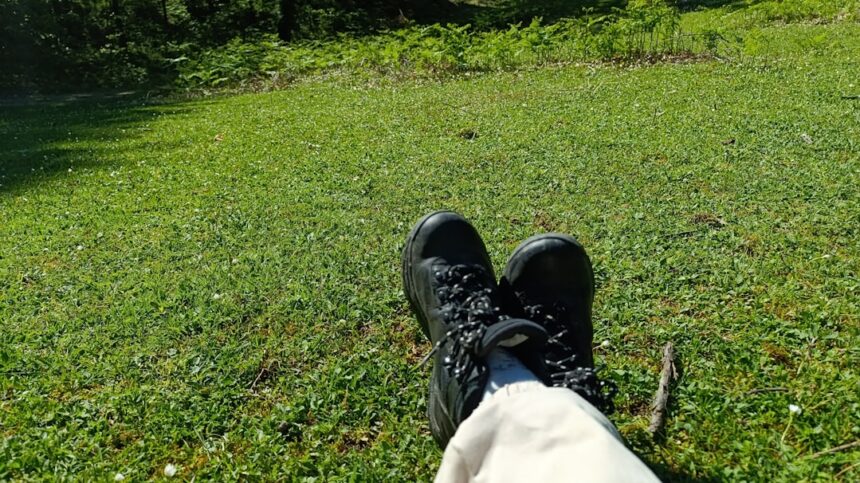
You’re drowning. Not in water, but in a sea of to-do lists, deadlines, and the relentless hum of notifications. Rest feels like a relic of a forgotten era, a luxury you can’t afford, or perhaps even a skill you’ve utterly lost. The very thought of doing nothing can trigger a pang of anxiety, a mental checklist of all the things you should be doing instead. But this isn’t just an inconvenience; it’s a serious drain on your well-being. You’ve become a master of activity, but a novice at rejuvenation. It’s time to reclaim your right to stillness, to truly experience the restorative power of rest. This is your guide to reviving your relationship with relaxation, to learning how to enjoy it again, and to integrating it back into a life that, frankly, needs it more than you might admit.
You’ve been running on fumes for too long, and it’s bắt đầu to show. The constant pressure to perform, to be productive, to be “on” all the time has created a deep-seated rest deficit. You might feel a persistent fatigue that sleep doesn’t touch, a dwindling patience, and a creeping sense of burnout. It’s crucial to acknowledge this before you can begin to heal.
The Cult of Busyness and its Pernicious Influence
You’ve probably internalized the societal narrative that equates busyness with worth. The more you’re doing, the more important you appear. This creates a feedback loop where you feel guilty if you’re not actively engaged in something. You might even find yourself bragging about how little sleep you got or how packed your schedule is, as if it were a badge of honor. This isn’t sustainable, and it actively undermines any attempts at genuine rest. You’ve been conditioned to see stillness as laziness, and that’s a hard habit to break.
The Biological Cost of Chronic Stress
Your body wasn’t designed for the relentless onslaught of modern stressors. When you’re constantly on alert, your sympathetic nervous system is perpetually activated, pumping out cortisol and adrenaline. This chronic activation wreaks havoc on your physical and mental health. You might experience digestive issues, weakened immunity, sleep disturbances, and an increased risk of heart disease. Understanding these biological consequences can be a powerful motivator to prioritize your well-being. You’re not just tired; your body is actively suffering from a lack of recovery.
The Loss of Essential Recharging Habits
Think back to a time when you might have felt more rested. What were you doing then? Chances are, you had incorporated activities that allowed your mind and body to genuinely switch off. Over time, these habits have likely been squeezed out by the demands of your current life. Perhaps you used to read for pleasure, spend time in nature, engage in hobbies, or simply have quiet downtime without guilt. Recognizing these lost habits is the first step to bringing them back.
If you’re looking to rediscover the joy of resting, you might find valuable insights in the article on the Unplugged Psych website. It offers practical tips and strategies to help you embrace relaxation and make the most of your downtime. To explore more about how to enjoy resting again, check out the article here: Unplugged Psych.
Reclaiming Your Right to Do Nothing: Creating Space for Stillness
The idea of “doing nothing” can be incredibly intimidating, especially when your mind is accustomed to constant stimulation. The key is not to achieve a state of perfect emptiness, but to create pockets of genuine downtime where you allow yourself to simply be. This requires intentional effort and a willingness to push back against the ingrained belief that you must always be doing something productive.
Scheduling Your Downtime: It’s Not a Luxury, It’s a Necessity
You schedule meetings, appointments, and workouts, so why not your downtime? Treat your rest periods with the same importance. Even 15-30 minutes carved out each day can make a significant difference. Experiment with different times of day. Some find a mid-afternoon break to be ideal, while others prefer a wind-down period before bed. Make it non-negotiable. Put it in your calendar. Guard it fiercely. This isn’t about being lazy; it’s about strategic recovery.
Designing Your Rest Environment: Making Space for Serenity
Your surroundings play a huge role in your ability to relax. If your living space is cluttered, noisy, or filled with work-related items, it’s going to be difficult to switch off. Take some time to create a sanctuary. This doesn’t require a complete home renovation. Simple changes can have a profound impact.
Decluttering for Calm
A cluttered space can lead to a cluttered mind. Take small steps to declutter your immediate surroundings. Clear your desk, put away stray items, and create visually appealing areas. Even organizing a single drawer can provide a sense of accomplishment and reduce mental noise. You’ll be surprised how much more peaceful your environment feels when it’s not filled with visual distractions.
Minimizing Sensory Overload
Identify the sensory inputs that tend to agitate you and take steps to minimize them. This might mean dimming the lights, reducing screen time, or using noise-canceling headphones. Creating a quiet, calming atmosphere signals to your brain that it’s time to wind down. You can experiment with ambient sounds like rain or gentle music to further enhance the sense of peace.
Incorporating Calming Elements
Think about what makes you feel calm and bring it into your space. This could be soft blankets, soothing colors, plants, or pleasant scents like lavender. These elements can create a sensory experience that promotes relaxation. Don’t underestimate the power of small touches to transform your environment.
Setting Boundaries: Protecting Your Precious Rest Time
This is perhaps the most challenging but essential aspect of reclaiming your rest. You need to set clear boundaries to protect your designated downtime from intrusions. This means learning to say no, to delegate, and to communicate your needs to others.
The Art of Saying “No”
You’ve likely overcommitted yourself. Learning to decline requests that will infringe on your rest time is a vital skill. Practice saying “no” firmly but politely. You don’t owe anyone an elaborate explanation. A simple “I’m unable to at this time” is sufficient. Remember, saying “yes” to your rest is saying “no” to burnout.
Communicating Your Needs
Let those around you know about your need for downtime. This might be your family, friends, or colleagues. Explain that you’re prioritizing your well-being and that this quiet time is essential for you to function optimally. By communicating your boundaries, you’re not being selfish; you’re being responsible.
Rediscovering the Joy of Being Present: Mindfulness and Slow Living

Once you’ve created the space, the next step is to fill it with activities that allow you to be truly present. This often involves slowing down and engaging your senses, pushing back against the habitual rush of your daily life. Mindfulness and the principles of slow living offer powerful tools for this.
The Power of Single-Tasking
You’re likely a master of multitasking, but it’s a productivity myth that often leads to reduced quality and increased stress. Deliberately focus on one task at a time. When you’re eating, just eat. When you’re talking to someone, just listen. When you’re relaxing, just relax. This simple shift can anchor you in the present moment.
Mindful Eating: Savoring Every Bite
Take the time to truly taste your food. Engage your senses: notice the colors, textures, and aromas before you even take a bite. Chew slowly and deliberately. This practice not only enhances your enjoyment of meals but also aids digestion and can help you recognize your body’s fullness cues, preventing overeating. It’s a small act of present moment awareness that can be surprisingly profound.
Mindful Movement: Engaging with Your Body
Engage in activities that allow you to connect with your physical self. This doesn’t have to mean rigorous exercise. A gentle walk, stretching, or yoga can be incredibly grounding. Focus on the sensations in your body, the rhythm of your breath, and the feeling of movement. It’s about experiencing your body, not just pushing it.
Embracing Imperfection: Letting Go of the Need for Control
You might have a strong desire for control, which can make it difficult to relax. You want things to be perfect, and when they’re not, you feel anxious. Embracing imperfection is a crucial step towards genuine relaxation. This means accepting that things won’t always go according to plan, and that’s okay.
The Beauty of “Good Enough”
Shift your focus from perfection to “good enough.” When you’re working on a task, aim for completion and a reasonable level of quality rather than an unattainable ideal. This frees up mental energy and reduces the pressure you put on yourself. You’ll find that “good enough” is often more than sufficient.
Practicing Self-Compassion
When you inevitably fall short of your own expectations, practice self-compassion. Treat yourself with the same kindness and understanding you would offer a friend. Acknowledge your efforts, learn from any missteps, and move forward without harsh self-criticism. This gentle approach fosters resilience and makes it easier to let go of the need for constant control.
The Gentle Art of Doing Nothing: Embracing Boredom
You’ve been trained to fear boredom, to see it as a void that needs to be immediately filled. But boredom can be a fertile ground for creativity and self-discovery. Allow yourself to simply be bored, without reaching for your phone or finding something to do.
Stepping Away from Screens
Your devices are the ultimate boredom-killers, but they also represent a constant influx of external stimulation. Make a conscious effort to step away from your screens for extended periods. Let your mind wander. You might be surprised by the ideas or thoughts that surface when you’re not being constantly bombarded with information.
Engaging Your Imagination
Without external prompts, your imagination can come alive. Daydream, create stories in your head, or simply observe your surroundings without judgment. This mental “playtime” is a vital form of rest and can be incredibly rejuvenating. You’re giving your brain the space it needs to process and create.
Reviving Your Sleep Rituals: The Foundation of True Rest

You can try all the mindfulness techniques in the world, but if your sleep is consistently poor, your efforts at relaxation will be significantly hampered. Sleep is your body’s primary restorative period, and it’s non-negotiable for holistic well-being. It’s time to treat your sleep like the precious commodity it is.
Creating a Consistent Sleep Schedule: The Golden Rule
Your body thrives on routine. Going to bed and waking up around the same time each day, even on weekends, helps regulate your circadian rhythm. This internal clock dictates your sleep-wake cycle and influences various bodily functions. While deviations happen, strive for consistency as much as possible.
The Importance of a Regular Wake-Up Time
While sleeping in on weekends might seem appealing, it can disrupt your body’s natural rhythm, leading to what’s known as “social jetlag.” Aim for a consistent wake-up time that allows you to feel refreshed and alert. This consistent reset is crucial for long-term sleep quality.
Establishing a Relaxing Bedtime Routine
Your transition into sleep should be gradual and calming. This bedtime routine acts as a signal to your body that it’s time to wind down. Think of it as a series of relaxing rituals that prepare you for rest.
Unwinding with a Warm Bath or Shower
The gentle warmth of a bath or shower can help relax your muscles and lower your body temperature, which is conducive to sleep. Add some Epsom salts or a few drops of essential oils like lavender for an added touch of relaxation.
Reading a Physical Book
Swap your e-reader or tablet for a physical book. The blue light emitted from screens can interfere with melatonin production, the hormone that regulates sleep. Reading a paperback allows you to disconnect from the digital world and immerse yourself in a story or informative text.
Gentle Stretching or Meditation
A few minutes of gentle stretching or a short, guided meditation can help release tension and calm your mind. There are many free apps and online resources available to guide you through these practices.
Optimizing Your Sleep Environment: The Sanctuary of Slumber
Just as your living space can impact your relaxation, your bedroom environment is paramount for quality sleep. Transform your bedroom into a haven for rest.
The Ideal Temperature for Sleep
Most people sleep best in a cool room. Experiment to find the temperature that feels most comfortable for you, typically between 60-67°F (15-19°C).
Creating Darkness for Deep Sleep
Your bedroom should be as dark as possible. Use blackout curtains to block out external light. Even small amounts of light can disrupt your sleep. Consider a comfortable eye mask if some light is unavoidable.
Minimizing Noise Disturbance
If you are sensitive to noise, consider using earplugs or a white noise machine. Consistent, low-level background noise can help mask sudden or disruptive sounds, promoting uninterrupted sleep.
Navigating Sleep Disruptions: Troubleshooting Common Issues
Even with the best intentions, you might experience occasional sleep disruptions. Understanding common causes and their solutions can help you get back on track.
The Impact of Caffeine and Alcohol
Limit your intake of caffeine, especially in the afternoon and evening, as it can keep you awake. While alcohol might make you feel drowsy initially, it can disrupt sleep later in the night.
Exercising Too Close to Bedtime
While regular exercise is beneficial for sleep, avoid vigorous workouts close to bedtime. Aim to finish your exercise at least a few hours before you plan to sleep.
Dealing with Racing Thoughts
If your mind is racing as you try to fall asleep, engage in a simple mental exercise like counting backward from 100, or mentally listing things you’re grateful for. If that doesn’t help, getting out of bed for a short period to do a relaxing activity in dim light can be more effective than tossing and turning.
If you’re looking to rediscover the joy of resting, you might find it helpful to explore some practical tips and insights. One related article that offers valuable advice on this topic is available at Unplugged Psych, where you can learn about the importance of mindfulness and creating a restful environment. Embracing these strategies can significantly enhance your ability to relax and recharge, allowing you to enjoy your downtime once again.
Re-engaging with Joyful Activities: Hobbies and Play for Adults
| Resting Activity | Duration |
|---|---|
| Reading | 30 minutes |
| Meditation | 20 minutes |
| Napping | 1 hour |
| Listening to Music | 45 minutes |
Rest isn’t just about physical stillness; it’s also about mental rejuvenation. Rediscovering activities that bring you genuine joy and a sense of playfulness is a crucial element of true relaxation. As adults, we often let these activities fall by the wayside, deeming them frivolous or a waste of time.
The Therapeutic Power of Hobbies
Hobbies are more than just ways to pass the time; they are outlets for creativity, self-expression, and stress relief. They allow you to engage in activities you genuinely enjoy, free from the pressure of performance or deadlines.
Exploring Past Passions
Think back to what you enjoyed doing before life got so demanding. Was it painting, gardening, playing a musical instrument, writing, or something else entirely? Revisit these old passions. You might be surprised at how quickly the skills and enjoyment return.
Discovering New Interests
If your old hobbies no longer resonate, or if you’re looking for something new, embark on a journey of discovery. Try a pottery class, learn a new language, join a book club, or explore outdoor activities like hiking or birdwatching. The key is to find something that sparks your curiosity and brings you a sense of engagement.
The Benefits of Creative Expression
Engaging in creative activities, whether it’s writing, drawing, crafting, or cooking, can be incredibly therapeutic. It allows you to channel your emotions, explore your imagination, and experience a sense of accomplishment without the pressure of external validation. It’s about the process, not just the product.
The Importance of Play for Adult Well-being
You might associate play with childhood, but the truth is, adults need play too. Play is essential for creativity, problem-solving, and fostering a sense of joy and connection. It allows you to tap into a lighter, more spontaneous side of yourself.
Embracing Spontaneity
When was the last time you did something purely for fun, without a specific goal in mind? Spontaneity is the essence of play. This could be a spur-of-the-moment picnic, a drive to explore a new area, or simply dancing around your living room to your favorite music.
Connecting with Others through Play
Play can be a powerful way to strengthen relationships. Organize a board game night with friends, go bowling, or simply engage in lighthearted banter and shared laughter. These moments of shared enjoyment foster connection and a sense of belonging.
Approaching Activities with a Playful Attitude
Even mundane tasks can be approached with a playful attitude. This means letting go of perfectionism, embracing silliness, and focusing on the fun of the experience rather than just the outcome. You might just surprise yourself with how much more enjoyable life becomes.
Finding “Flow” State: Fully Immersed and Energized Rest
“Flow” is a psychological concept describing a state of complete absorption in an activity. When you’re in flow, you lose track of time, your self-consciousness fades, and you feel a deep sense of enjoyment and engagement. This is a powerful form of restful engagement.
Identifying Activities that Induce Flow
Certain activities are more conducive to flow than others. They typically involve a balance between your skill level and the challenge of the task. When the challenge is slightly above your current abilities, it pushes you to grow and engage fully. Think about activities where you’ve experienced this deep immersion.
Creating Conditions for Flow
Once you’ve identified activities that can lead to flow, create conditions that support this experience. This might involve minimizing distractions, setting clear goals for the activity, and ensuring you have sufficient time to dedicate to it. The goal is to create an environment where you can become completely engrossed.
By understanding the causes of your rest deficit, actively creating space for stillness, embracing present moment awareness, prioritizing your sleep, and re-engaging with joyful activities, you are on your way to truly enjoying relaxation again. This isn’t a quick fix; it’s a journey of conscious effort and a re-evaluation of what truly nourishes your well-being. You deserve this. You’ve earned the right to rest, and now it’s time to relearn how to savor it.

Why You Don’t Feel Like Yourself Anymore
FAQs
What are the benefits of resting?
Resting is essential for overall well-being as it allows the body and mind to recharge, reduces stress, improves concentration, and enhances productivity.
How can I make the most of my resting time?
To enjoy resting again, it’s important to create a relaxing environment, engage in activities that bring joy and relaxation, and disconnect from technology and work-related stressors.
What are some activities that can help me relax during resting time?
Activities such as reading, listening to music, practicing mindfulness or meditation, taking a leisurely walk, or engaging in a hobby can help promote relaxation and enjoyment during resting time.
How can I overcome guilt associated with resting?
It’s important to recognize that resting is a necessary part of self-care and overall health. Setting boundaries, prioritizing self-care, and understanding the benefits of resting can help overcome feelings of guilt.
How can I incorporate resting into my daily routine?
Scheduling regular resting time, setting aside specific periods for relaxation, and being mindful of the need for rest can help incorporate resting into daily routines.