
Trauma is a complex and multifaceted experience that can leave lasting imprints on both the mind and body. When you encounter a traumatic event, whether it be a natural disaster, an accident, or emotional abuse, your body responds in ways that are often beyond your conscious control. This response can manifest as physical symptoms, emotional distress, or behavioral changes.
Understanding how trauma affects you is crucial for your healing journey. It’s not just a mental or emotional issue; it’s deeply rooted in your physiological responses. Your body may hold onto the memories of trauma, leading to chronic pain, tension, or other health issues that can persist long after the event has passed.
The impact of trauma on your body can be profound. You might find yourself experiencing heightened anxiety, sleep disturbances, or even digestive issues. These physical manifestations are often the result of your nervous system being stuck in a state of hyperarousal or dissociation.
When you experience trauma, your body can become a battleground where stress hormones like cortisol and adrenaline flood your system. Over time, this can lead to a range of health problems, including autoimmune disorders and cardiovascular issues. Recognizing these connections is the first step toward reclaiming your body and mind from the grip of trauma.
Key Takeaways
- Trauma deeply affects the body and nervous system, influencing physical and emotional health.
- Somatic Experiencing is a therapeutic approach that helps release trauma by focusing on bodily sensations.
- Grounding, breathing, and movement exercises are key techniques to calm the nervous system and reduce tension.
- Integrating Somatic Experiencing into daily self-care supports ongoing trauma healing and resilience.
- Professional guidance enhances the effectiveness of Somatic Experiencing for addressing complex trauma symptoms.
What is Somatic Experiencing and How Does it Work?
Somatic Experiencing (SE) is a therapeutic approach designed to help you process and release trauma stored in your body. Developed by Dr. Peter Levine, SE focuses on the physical sensations associated with traumatic experiences rather than solely addressing the cognitive aspects.
This method encourages you to tune into your bodily sensations, allowing you to access and release pent-up energy that may be trapped within you. By doing so, you can begin to restore balance to your nervous system and promote healing. The process of Somatic Experiencing involves several key components.
First, you learn to identify and articulate the sensations in your body that arise when you think about or recall a traumatic event. This might include feelings of tightness, heaviness, or even numbness. As you become more attuned to these sensations, you are guided to gently explore them without judgment.
This exploration allows you to gradually release the energy associated with the trauma, helping you to move from a state of survival to one of safety and regulation. The beauty of SE lies in its emphasis on self-awareness and self-regulation, empowering you to take an active role in your healing process.
The Connection Between Trauma and the Nervous System
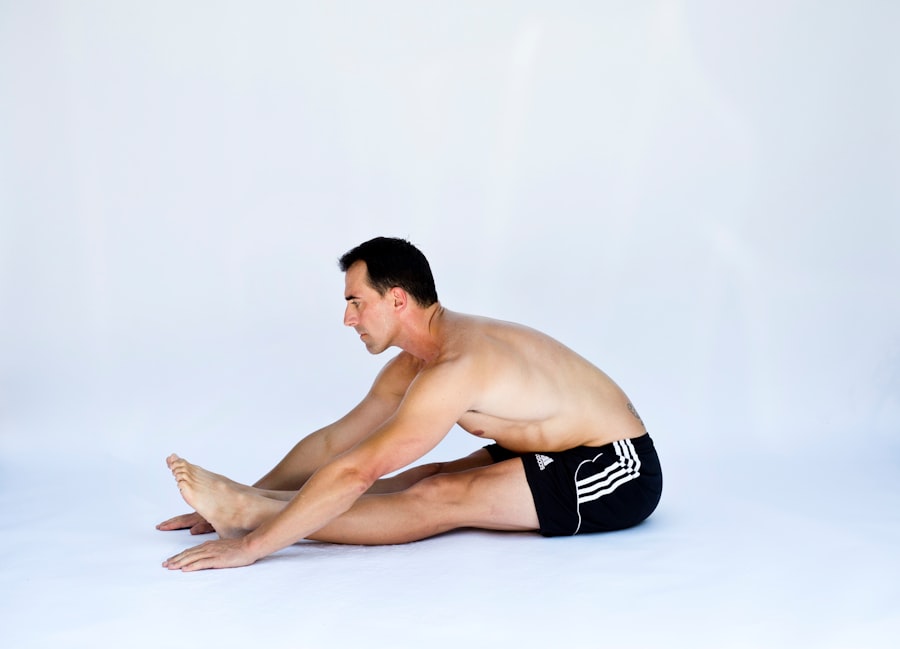
Your nervous system plays a pivotal role in how you experience and respond to trauma. When faced with a threat, your body activates its fight-or-flight response, preparing you to either confront or flee from danger. However, if the threat is overwhelming or prolonged, your nervous system may become dysregulated, leading to a state of chronic stress or dissociation.
This dysregulation can manifest as anxiety, depression, or physical ailments that seem disconnected from the original trauma. Understanding this connection is essential for your healing journey. When trauma occurs, it can disrupt the natural balance of your autonomic nervous system, which regulates bodily functions such as heart rate and digestion.
You may find yourself oscillating between hyperarousal—where you feel constantly on edge—and hypoarousal—where you feel numb or disconnected from your emotions and body.
Somatic Experiencing Exercises for Releasing Trauma
| Exercise Name | Purpose | Duration | Frequency | Expected Outcome |
|---|---|---|---|---|
| Grounding Awareness | Enhance present-moment awareness and reduce dissociation | 5-10 minutes | Daily | Increased sense of safety and connection to the body |
| Pendulation | Shift between states of distress and calm to regulate nervous system | 10-15 minutes | 3-4 times per week | Improved emotional regulation and reduced trauma symptoms |
| Titration | Gradual exposure to traumatic sensations to avoid overwhelm | Varies (5-20 minutes) | As needed during therapy | Decreased trauma reactivity and increased resilience |
| Resource Building | Develop internal resources for coping and safety | 10 minutes | Daily or as needed | Enhanced feelings of safety and empowerment |
| Body Scan | Increase bodily awareness and release tension | 10-20 minutes | Daily or several times per week | Reduced physical tension and improved mind-body connection |
Engaging in Somatic Experiencing exercises can be a transformative way for you to release trauma stored in your body. One effective exercise involves focusing on a specific memory or sensation related to your trauma while remaining grounded in the present moment. As you do this, pay attention to any physical sensations that arise—perhaps a tightness in your chest or a fluttering in your stomach.
Allow yourself to fully experience these sensations without judgment or resistance. This practice helps create space for the energy associated with the trauma to be processed and released. Another powerful exercise is called “titration,” which involves breaking down the traumatic experience into smaller, more manageable pieces.
Instead of overwhelming yourself by revisiting the entire event at once, focus on just one aspect of it—perhaps a specific moment or feeling. As you explore this smaller piece, notice how it affects your body and emotions. This approach allows you to gradually desensitize yourself to the trauma while building resilience and coping skills.
Grounding Techniques to Calm the Nervous System
Grounding techniques are essential tools for calming your nervous system and bringing yourself back into the present moment. These practices help anchor you when feelings of anxiety or overwhelm arise, allowing you to reconnect with your body and surroundings. One simple grounding technique involves focusing on your breath.
Take a few deep breaths, inhaling through your nose and exhaling through your mouth. As you breathe, visualize roots extending from your feet into the earth, anchoring you firmly in place. Another effective grounding technique is engaging your senses.
Take a moment to observe your environment—notice the colors around you, listen to the sounds in the background, or feel the texture of an object nearby. By immersing yourself in sensory experiences, you can shift your focus away from distressing thoughts and feelings, creating a sense of safety and stability within yourself.
Breathing Exercises to Release Tension and Stress
Breathing exercises are powerful tools for releasing tension and stress stored in your body. When you’re under stress or experiencing trauma-related symptoms, your breath often becomes shallow and rapid. By consciously practicing deep breathing techniques, you can activate your body’s relaxation response and promote a sense of calm.
One effective technique is diaphragmatic breathing—place one hand on your chest and the other on your abdomen. As you inhale deeply through your nose, allow your abdomen to rise while keeping your chest relatively still. Exhale slowly through your mouth, feeling the tension release with each breath.
Another beneficial breathing exercise is known as “4-7-8 breathing.” Inhale through your nose for a count of four, hold your breath for a count of seven, and then exhale through your mouth for a count of eight. This rhythmic pattern helps regulate your heart rate and encourages relaxation throughout your body. Incorporating these breathing exercises into your daily routine can significantly enhance your ability to manage stress and promote overall well-being.
Movement and Body Awareness for Reconnecting with the Body
Movement is an essential aspect of Somatic Experiencing that allows you to reconnect with your body and release stored trauma.
As you move, pay attention to any sensations that arise—do certain movements evoke feelings of tension or release?
This awareness can provide valuable insights into how trauma has impacted your body. In addition to structured movement practices, incorporating spontaneous movement into your daily life can also be beneficial. Allow yourself to dance freely in your living room or take a walk outside while tuning into how each step feels beneath your feet.
By embracing movement as a form of expression and exploration, you can foster a deeper connection with yourself and facilitate healing from past traumas.
Using Somatic Experiencing to Address Specific Trauma Symptoms
Somatic Experiencing can be particularly effective in addressing specific trauma symptoms that may arise from past experiences. For instance, if you’re struggling with anxiety or panic attacks, SE techniques can help you identify the physical sensations associated with these feelings and work through them in a safe environment. By focusing on bodily sensations rather than solely cognitive thoughts, you can create new pathways for processing emotions and reducing anxiety.
Similarly, if you’re dealing with chronic pain that seems linked to past trauma, SE can provide valuable insights into how emotional experiences may be contributing to physical discomfort. Through gentle exploration of sensations related to pain, you may uncover underlying emotions that have been suppressed for years. This awareness allows for targeted healing strategies that address both the physical and emotional aspects of trauma.
Integrating Somatic Experiencing into Daily Self-Care Practices
Integrating Somatic Experiencing into your daily self-care practices can significantly enhance your overall well-being and support ongoing healing from trauma. Start by setting aside time each day for mindfulness practices that encourage body awareness—this could include meditation, journaling about bodily sensations, or simply taking quiet moments to check in with yourself throughout the day. Additionally, consider incorporating SE principles into activities you already enjoy—whether it’s gardening, cooking, or engaging in creative pursuits like painting or writing.
As you engage in these activities, focus on how they make you feel physically and emotionally. This integration fosters a holistic approach to self-care that honors both your mind and body while promoting resilience against future stressors.
The Benefits of Somatic Experiencing for Long-Term Trauma Healing
The benefits of Somatic Experiencing extend far beyond immediate relief from symptoms; they encompass long-term healing and personal growth as well. By learning to tune into your body’s sensations and emotions, you cultivate greater self-awareness and resilience over time. This newfound awareness empowers you to navigate life’s challenges with more confidence and ease.
Moreover, SE encourages a sense of agency in your healing journey—rather than feeling like a passive victim of circumstances, you become an active participant in reclaiming your well-being. As you continue to practice SE techniques regularly, you’ll likely notice improvements not only in how you manage stress but also in how you relate to yourself and others.
Seeking Professional Support for Trauma Recovery
While self-guided practices can be incredibly beneficial for trauma recovery, seeking professional support is often an essential component of the healing process. A trained Somatic Experiencing practitioner can provide guidance tailored specifically to your needs and experiences. They offer a safe space for exploration while equipping you with tools that facilitate deeper healing.
Working with a professional allows for personalized attention as you navigate complex emotions related to trauma—this support can be invaluable as you embark on this transformative journey toward healing and wholeness. Remember that seeking help is not a sign of weakness; rather, it demonstrates strength and commitment to prioritizing your well-being as you work toward reclaiming joy in life once again. In conclusion, understanding trauma’s impact on both mind and body is crucial for effective healing strategies like Somatic Experiencing.
By integrating various techniques such as grounding exercises, breathing practices, movement awareness, and professional support into daily life routines—you’re taking significant steps toward long-term recovery from past traumas while fostering resilience against future challenges ahead!
Somatic experiencing exercises can be a powerful tool for processing trauma and enhancing emotional well-being. For those interested in exploring this therapeutic approach further, you can read more about it in the article available on Unplugged Psych. This resource provides valuable insights and practical exercises that can help individuals reconnect with their bodies and manage stress effectively. To learn more, visit Unplugged Psych.
WATCH THIS! The Dark Night of the Soul: A Psychological Roadmap to Spiritual Awakening
FAQs
What is Somatic Experiencing?
Somatic Experiencing is a therapeutic approach designed to help individuals process and release trauma stored in the body. It focuses on bodily sensations and aims to restore the body’s natural ability to self-regulate and heal.
What are Somatic Experiencing Exercises?
Somatic Experiencing exercises are techniques used to increase awareness of bodily sensations, promote relaxation, and facilitate the release of tension or trauma. These exercises often involve mindful breathing, grounding, and gentle movement.
Who can benefit from Somatic Experiencing exercises?
Anyone experiencing stress, anxiety, trauma, or emotional dysregulation may benefit from Somatic Experiencing exercises. They are often used in therapy but can also be practiced independently for general well-being.
Are Somatic Experiencing exercises safe to do on my own?
Many Somatic Experiencing exercises are safe to practice independently; however, individuals with severe trauma or emotional distress should consider working with a trained Somatic Experiencing practitioner to ensure proper guidance and support.
How often should I practice Somatic Experiencing exercises?
The frequency varies depending on individual needs and goals. Some people practice daily for stress management, while others may use exercises as needed during moments of distress or therapy sessions.
Do I need special equipment to do Somatic Experiencing exercises?
No special equipment is required. These exercises typically involve body awareness, breathing techniques, and simple movements that can be done in a comfortable, quiet space.
Can Somatic Experiencing exercises replace traditional therapy?
Somatic Experiencing exercises can complement traditional therapy but are not a replacement for professional mental health treatment, especially for complex trauma or psychological conditions.
How long does it take to see benefits from Somatic Experiencing exercises?
Benefits can vary; some individuals notice immediate relaxation and reduced tension, while others may experience gradual improvements over weeks or months of consistent practice.
Is Somatic Experiencing based on scientific research?
Somatic Experiencing is informed by research in trauma therapy, neurobiology, and body-centered psychotherapy. While more empirical studies are ongoing, many practitioners report positive outcomes with this approach.
Where can I learn more about Somatic Experiencing exercises?
Information can be found through certified Somatic Experiencing practitioners, official training organizations, books by Dr. Peter Levine (the founder), and reputable mental health resources online.