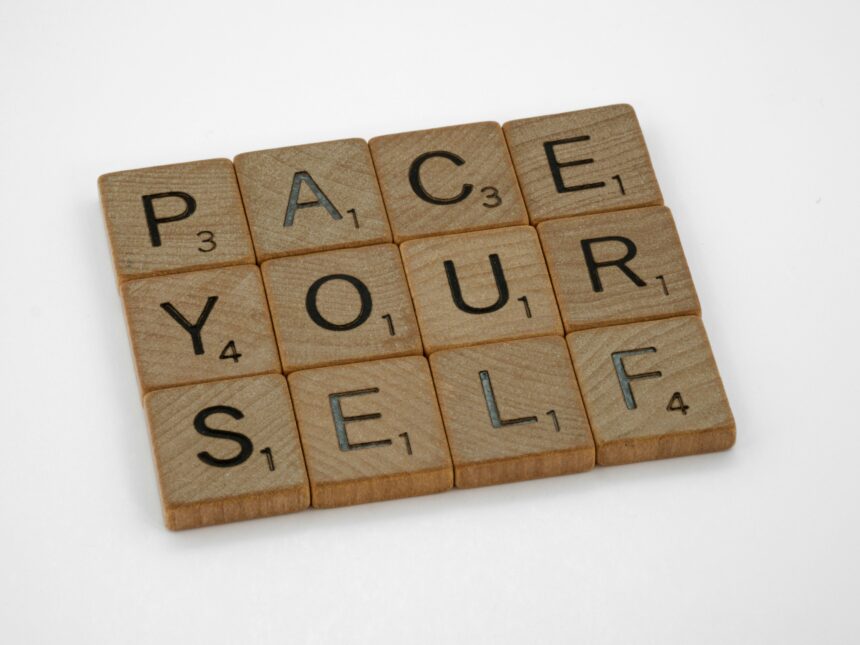
You’ve been busy. Life, in its relentless march, has a way of pulling you in a thousand different directions. Work deadlines, social obligations, family needs – they all clamor for your attention, and in the cacophony, the quiet voice within can become difficult to hear. You might find yourself going through the motions, your days a blur of tasks and well-worn routines. You’re functioning, yes, but are you truly living? Are you living as you? This article is an invitation, a gentle nudge, to press pause and embark on a journey back to yourself. It’s about shedding the layers that have accumulated over time, the expectations and societal pressures that can obscure the radiant essence of your true identity.
It’s a subtle process, this gradual drifting away from oneself. It doesn’t happen overnight, but rather through a series of small, almost imperceptible concessions. You’ve likely encountered these forces in your own life, even if you haven’t named them. Recognizing them is the first step towards reclaiming what’s been lost.
The Siren Song of External Validation
From a young age, you’re taught to seek approval. Report cards, praise from teachers, the nod of approval from your parents – these all reinforce the idea that your worth is tied to what others think of you. This external validation becomes a powerful drug, and you can find yourself perpetually chasing its fleeting fix.
The Subtle Art of People-Pleasing
This is where you find yourself saying “yes” when you want to say “no,” altering your opinions to fit the room, and bending over backward to avoid conflict. It’s exhausting, isn’t it? You’ve likely sacrificed your own desires and boundaries in the service of making others happy, and in doing so, you’ve chipped away at your own sense of self.
The Pressure to Conform
Society, with its myriad trends and expectations, constantly whispers in your ear about how you should be. What you should wear, what you should achieve, who you should be attracted to, what your life should look like. This pressure to conform can be overwhelming, leading you to mute your unique qualities and mold yourself into a shape that feels safe but ultimately inauthentic.
The Demands of Everyday Life
Beyond the social pressures, the sheer busyness of modern existence can be a significant factor in your disconnection. When your days are packed, and your energy is depleted, you have little leftover for introspection.
The Grind of Responsibilities
Work, household chores, managing finances, caring for loved ones – these are all vital, but they can consume your time and mental bandwidth, leaving little room for genuine self-care or the exploration of your inner world. You might find yourself on autopilot, ticking off to-do lists without ever questioning why you’re doing them.
The Illusion of Productivity
In a culture that often equates busyness with worth, you might feel compelled to be constantly productive. This can lead to a fear of idleness, a belief that downtime is wasted time. This focus on external output distracts from the internal landscape where your true identity resides.
The Echoes of Past Experiences
Your history, both positive and negative, shapes how you see yourself. Past hurts, conditional love, or periods of significant stress can create protective layers that, while once necessary, may now be hindering your authentic expression.
The Scars of Past Disappointments
When you’ve been hurt or let down, you might subconsciously build walls to protect yourself. This can involve suppressing certain emotions or parts of your personality that you fear will lead to further pain. You’ve learned from experience, but sometimes those lessons can become overly restrictive.
The Shadow of Unmet Expectations
Perhaps you’ve internalized the expectations of others, even those who are no longer in your life. These internalized voices can continue to dictate your choices and aspirations, keeping you tethered to a vision of yourself that isn’t truly your own.
If you’re looking to embark on a journey of self-discovery, you might find valuable insights in the article available at Unplugged Psych. This resource offers practical tips and techniques to help you reconnect with your true self, explore your passions, and gain a deeper understanding of your values. By engaging with the content, you can begin to navigate the complexities of your identity and foster personal growth in a meaningful way.
The Journey Begins: Simple Steps to Reconnection
The good news is that rediscovering your true identity isn’t a monumental task that requires drastic upheaval. It’s a process of gentle exploration, of creating space for yourself to listen and to understand. These are not quick fixes, but seeds planted that will grow over time.
Creating Sacred Space for Solitude
In our hyper-connected world, true solitude can feel like a rare luxury. Yet, it is in these quiet moments that you can truly hear yourself.
Embracing the Power of “Me Time”
This isn’t about isolation; it’s about intentional disconnection from external demands to reconnect with your internal world. Schedule it in your calendar as you would any other important appointment. Guard this time fiercely.
Mindfulness and Meditation as Anchors
These practices are not about emptying your mind, but about learning to observe your thoughts and feelings without judgment. They are powerful tools for tuning into your present moment awareness and noticing the subtle shifts within you. Start with a few minutes each day; the practice itself is more important than the duration.
Reconnecting with Your Inner Child
Your inner child holds the keys to your uninhibited joy, your boundless curiosity, and your core desires. Often, this part of you has been neglected or silenced.
Exploring Forgotten Passions
Think back to what you loved to do as a child, before the world told you what was practical or acceptable. Did you love to draw? To build forts? To tell stories? Revisit these activities, even in a small way. It’s not about mastery, but about reconnecting with the pure enjoyment.
Allowing for Playfulness and Spontaneity
Life doesn’t have to be a serious, never-ending to-do list. Cultivate a sense of playfulness. Laugh more. Be silly. Allow yourself to be spontaneous, to follow an impulse that sparks joy, without overthinking it. This childlike wonder is a vital part of your authentic self.
Engaging Your Senses: The Gateway to the Present
Your senses are your immediate connection to the world around you, and by paying attention to them, you anchor yourself in the present moment, a crucial step in self-discovery.
Mindful Consumption of the World
This applies to everything you experience. When you eat, truly taste your food. When you walk outside, feel the breeze, notice the colors, listen to the sounds. This heightened awareness helps you appreciate the richness of your experiences and recognize what truly resonates with you.
The Power of Nature
Spending time in nature is inherently grounding. The sights, sounds, smells, and textures of the natural world can quiet the mental chatter and allow your inner voice to emerge. Go for a walk in the park, sit by a lake, or simply spend some time in your garden.
Unpacking Your Values: The Compass of Your Identity
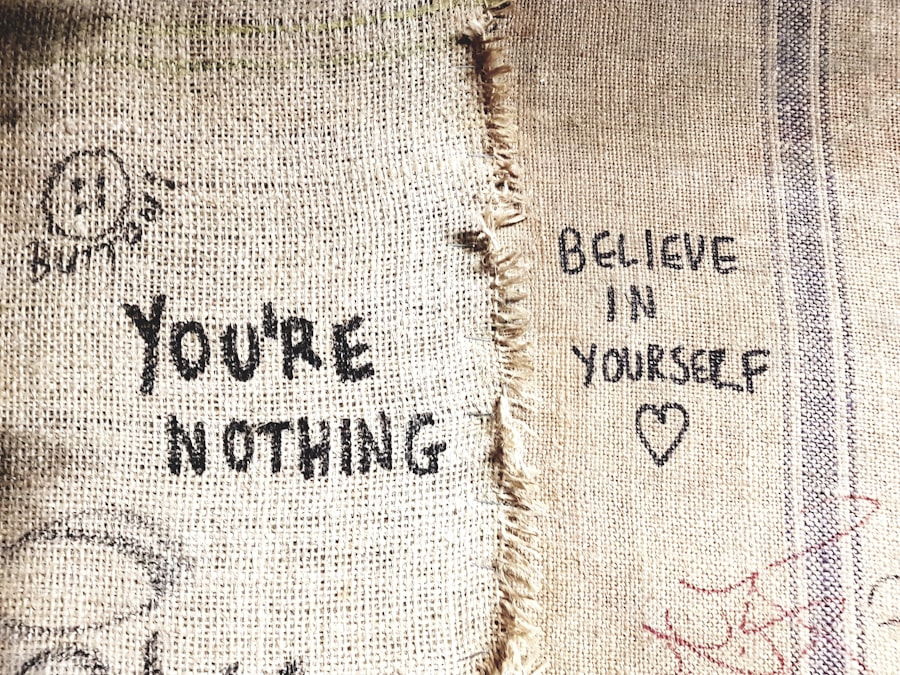
Before you can truly understand who you are, you need to identify what’s most important to you. Your values are the guiding principles that inform your decisions and shape your life’s direction.
Identifying Your Core Values
This is not about listing generic virtues; it’s about pinpointing the non-negotiables that make you, you.
Reflecting on Moments of Deep Satisfaction
Recall times when you felt deeply fulfilled, proud of yourself, or completely at peace. What was happening in those moments? What principles were you embodying? These are often indicators of your core values at play.
Recognizing Moments of Intense Discomfort
Conversely, also consider times when you felt deeply uneasy, conflicted, or angry. What was being violated or challenged in those situations? Understanding what triggers your negative reactions can reveal what you deeply care about.
Living in Alignment with Your Values
Once you’ve identified your core values, the next step is to consciously integrate them into your daily life. This is where authenticity truly shines.
Making Value-Driven Decisions
When faced with choices, ask yourself: “Does this decision align with my core values?” This simple question can be a powerful filter, steering you away from choices that might offer short-term gain but long-term regret.
Setting Boundaries Based on Your Values
Your boundaries are a reflection of your values. If kindness is a core value, you might set a boundary against allowing yourself to be treated unkindly. If integrity is important, you’ll set boundaries around honesty in your dealings.
Embracing Your Authenticity: The Art of Being Real

Authenticity isn’t about being perfect; it’s about being genuine. It’s about dropping the mask and allowing yourself to be seen, flaws and all. This is perhaps the most liberating aspect of reconnecting with yourself.
Honoring Your True Feelings and Emotions
There’s a tendency to suppress emotions that are deemed “negative” or inconvenient. However, all emotions are valid messengers.
Allowing Yourself to Feel Without Judgment
Give yourself permission to feel anger, sadness, frustration, or any other emotion that arises. Observe it, acknowledge it, and learn from what it might be telling you. Suppressing emotions is like trying to hold a beach ball underwater; it will eventually pop up and can cause more damage.
Expressing Your Emotions Constructively
Once you’ve acknowledged your feelings, find healthy ways to express them. This could be through journaling, talking to a trusted friend or therapist, creative expression, or physical activity. The goal is release, not repression.
Expressing Your Unique Gifts and Talents
You possess a unique blend of skills, passions, and perspectives that the world needs. Don’t let them lie dormant.
Identifying Your Strengths and Capabilities
What do you do naturally well? What do people compliment you on? What activities make you feel energized and capable? Actively seek opportunities to use these strengths.
Embracing Your Quirks and Imperfections
Your “flaws” are often what make you interesting and relatable. Instead of hiding them, see them as part of your unique tapestry. It’s the imperfections that add character and depth.
Rediscovering yourself can be a transformative journey, often requiring a deep dive into your passions and values. If you’re looking for guidance on this path, you might find it helpful to explore the insights shared in a related article on personal growth. This resource offers practical tips and strategies that can aid in your quest for self-discovery. For more information, check out this enlightening piece on unpluggedpsych.com. Embracing the process of self-exploration can lead to profound changes in your life, helping you reconnect with who you truly are.
Cultivating Self-Compassion: The Foundation of Self-Love
| Metrics | Data |
|---|---|
| Self-reflection time | 30 minutes daily |
| Activities to try | Meditation, journaling, solo travel |
| Support system | Friends, family, therapist |
| Goals setting | Short-term and long-term goals |
| Self-care practices | Exercise, healthy eating, adequate sleep |
The journey of rediscovering yourself is not always easy. There will be moments of doubt, of relapse, of feeling like you’ve taken two steps back. This is where self-compassion becomes your most valuable ally.
Treating Yourself with Kindness and Understanding
Imagine if you spoke to a dear friend the way you sometimes speak to yourself. Would you be so harsh? So critical?
Practicing Self-Kindness in Difficult Moments
When you make a mistake or fall short of your expectations, offer yourself the same understanding and encouragement you would offer a friend. Remind yourself that everyone struggles and that setbacks are part of growth.
Recognizing Your Shared Humanity
Understand that suffering, imperfection, and failure are universal human experiences. You are not alone in your struggles. This recognition can alleviate feelings of isolation and shame.
Nurturing Your Well-being: The Ongoing Practice
Rediscovering your true identity is not a destination but an ongoing practice of self-care and self-awareness.
Prioritizing Your Physical, Mental, and Emotional Health
Ensure you are getting enough sleep, eating nourishing food, moving your body, and engaging in activities that bring you joy and reduce stress. Your physical and mental health are inextricably linked to your ability to connect with your true self.
Continuously Learning and Growing
Stay curious about yourself and the world. Read books, take courses, engage in meaningful conversations, and be open to new experiences. The process of learning is a powerful driver of self-discovery.
You are a work in progress, a continually unfolding masterpiece. The journey back to yourself is the most profound adventure you will ever undertake. It requires courage, patience, and a deep well of self-compassion. But the reward – living a life that is truly your own, vibrant, meaningful, and authentic – is immeasurable. So, take that breath, sit with yourself, and begin the beautiful, ongoing process of rediscovering the incredible person you were always meant to be. You are worth the effort.

Why You Don’t Feel Like Yourself Anymore
FAQs
What does it mean to rediscover yourself?
Rediscovering yourself means taking the time to reconnect with your values, passions, and interests. It involves self-reflection and exploring new experiences to gain a better understanding of who you are and what brings you fulfillment.
Why is it important to rediscover yourself?
Rediscovering yourself is important because it allows you to realign with your true identity and purpose. It can lead to increased self-awareness, personal growth, and a greater sense of fulfillment and happiness in life.
What are some ways to rediscover yourself?
Some ways to rediscover yourself include practicing self-reflection, trying new activities or hobbies, seeking out new experiences, setting personal goals, and surrounding yourself with supportive and positive influences.
How can I overcome obstacles when trying to rediscover myself?
Overcoming obstacles when rediscovering yourself may involve facing fears, challenging limiting beliefs, seeking support from others, and being open to change. It’s important to be patient and kind to yourself throughout the process.
What are the benefits of rediscovering yourself?
The benefits of rediscovering yourself include increased self-confidence, a deeper sense of purpose and fulfillment, improved relationships, and a greater ability to navigate life’s challenges with resilience and clarity.