The Rat Park Study: Sugar vs. Morphine Solutions in Addiction Research
The Paradox of Addiction: Challenging Conventional Wisdom
The prevailing understanding of addiction, particularly in the latter half of the 20th century, was deeply rooted in the idea of a direct pharmacological imperative. Opioids, like morphine, were seen as inherently addictive substances, their consumption leading to an inescapable descent into dependence. This perspective was largely shaped by observations of individuals struggling with heroin and morphine use in clinical settings, where the absence of the drug often triggered severe withdrawal symptoms, reinforcing the perceived power of the chemical itself. Isolation, despair, and the relentless pursuit of the next dose were the dominant narratives. However, a groundbreaking series of experiments conducted in the 1970s and 1980s, most famously the “Rat Park” studies, began to fundamentally challenge this monolithic view. These investigations, spearheaded by psychologist Bruce K. Alexander and his colleagues, proposed a radical alternative: that addiction might not be solely about the drug, but rather about the environment and the social context in which it is consumed. The Rat Park studies offered compelling evidence that when rats were provided with a rich, stimulating, and socially engaging environment, their propensity to self-administer morphine plummeted, even when presented with a choice between morphine solution and plain water. Conversely, the same rats, when housed in sterile, isolated conditions, showed a marked increase in morphine consumption. This stark dichotomy between the two environments forced a re-evaluation of the fundamental drivers of addiction, suggesting that environmental factors, social connection, and psychological well-being play a far more significant role than previously acknowledged.
The Legacy of Early Addiction Models
Before the advent of the Rat Park studies, prevailing addiction research predominantly focused on the neurobiological mechanisms of drug action. The prevailing model, often termed the “chemical constraint” model, posited that drugs of abuse, particularly opioids, directly altered brain chemistry, creating a physical dependence that compelled continued use. This perspective was heavily influenced by animal studies where rats or primates were placed in operant chambers and trained to press levers for drug delivery. In these controlled, often barren environments, animals would readily and repeatedly self-administer drugs, often to the point of self-destruction. These experiments, while valuable in understanding the reinforcing properties of drugs, often lacked ecological validity, failing to replicate the complex social and environmental factors present in human addiction. The focus on the inherent addictiveness of the substance, divorced from the lived experience of the user, contributed to a deterministic view of addiction, often portraying it as an insurmountable disease driven by an insatiable chemical craving. This model often overlooked the possibility of individual agency, recovery, and the influence of external factors. The idea that a drug was simply “too powerful” to resist became the dominant narrative, shaping public policy, treatment approaches, and societal perceptions of addiction for decades.
The Birth of the Rat Park Hypothesis
The limitations of the existing addiction models became increasingly apparent to Bruce K. Alexander. He observed that while isolation and deprivation could exacerbate drug-seeking behavior in animals, the inverse—providing a more enriching environment—was not systematically explored. This led to the development of the “Rat Park” hypothesis, which proposed that addiction is not an inevitable outcome of drug exposure but rather a coping mechanism for individuals experiencing distress, alienation, and a lack of meaning in their lives. If the environment provides sufficient rewards and opportunities for social engagement, then the allure of a drug-induced escape would diminish. The hypothesis posited that the barren cages in traditional lab settings represented a form of profound social and environmental deprivation, effectively creating a “war on rats” where drug seeking became the only readily available source of stimulation or relief. The Rat Park, in contrast, was conceived as a holistic environment designed to mimic, as closely as possible, the natural living conditions and social structures of rats, offering a rich tapestry of stimuli and opportunities for interaction. This experimental design was a deliberate departure from the sterile, reductionist approaches that had dominated the field, aiming to investigate addiction within a more complex and realistic ethological context.
The concept of Rat Park, which explores the effects of environment on addiction, particularly in relation to sugar and morphine solutions, is fascinating and has sparked numerous discussions in the field of psychology. For a deeper understanding of these themes and their implications, you can refer to a related article that delves into the psychological aspects of addiction and environmental influences. For more information, visit this article.
Designing the Controlled Environment: The Rat Park Experiment
The Rat Park studies were meticulously designed to test the central tenet of Alexander’s hypothesis: that environmental richness, rather than drug potency alone, dictates addiction rates. This involved creating two contrasting living environments for laboratory rats, each meticulously controlled to isolate the variable of environmental influence. The “control” condition, which mirrored typical laboratory housing, involved small, sterile cages where rats were housed individually. These cages offered minimal stimulation, lacking social interaction, opportunities for exploration, or enrichment. Food and water were provided regularly, but the overall existence was characterized by monotony and isolation. The “Rat Park” condition, on the other hand, was designed as a sprawling, naturalistic enclosure. Spanning approximately 100 square feet, it was filled with a variety of stimulating elements: running wheels, tunnels, chew toys, and ample bedding material for nesting. Crucially, the Rat Park housed groups of rats, allowing for natural social interactions, play, and the development of complex social hierarchies. The rats in the Rat Park were not merely housed; they were encouraged to engage with their environment and each other. This significant difference in living conditions was the core of the experimental manipulation.
The Standard Laboratory Cage: A Setting of Deprivation
The standard laboratory cage, often referred to as the “barren cage” or “control cage” in the context of these studies, represented the prevailing norm for housing experimental animals. These cages were typically made of plastic or metal, with wire mesh floors to facilitate waste removal. The space was confined, offering little opportunity for natural behaviors like running, climbing, or foraging. Social enrichment was actively discouraged, with rats usually housed individually to prevent fighting and standardize experimental conditions. The environment was devoid of any natural stimuli; no scents, textures, or sounds beyond the ambient laboratory noise. Food and water were dispensed through simple mechanisms, offering no challenge or engagement. This stark, utilitarian environment was intended to isolate the animal from external variables and focus solely on the pharmacological effects of the substances being tested. However, as the Rat Park studies would reveal, this very isolation might have been inadvertently exaggerating the perceived power of drugs by removing alternative sources of satisfaction and stimulation. The lack of environmental complexity meant that any form of novel stimulation, including the pharmacological effects of drugs, could become disproportionately attractive.
The Rat Park: An Oasis of Stimulation and Social Connection
The Rat Park was a stark and intentional contrast to the barren cages. It was a large, communal space designed to foster natural behaviors and social interaction. The floor was covered with wood shavings, allowing for burrowing and nesting. Numerous toys, including running wheels, balls, and tunnels, provided opportunities for physical activity and exploration. The enclosure was populated with groups of rats, both male and female, allowing for the formation of social bonds, play, and the development of a complex social structure. Water was freely available, and the rats were fed standard rat chow. The key innovation was the provision of two drinking bottles: one containing plain water and the other containing a solution of either morphine or a sweet, non-pharmacological substance like sugar. This setup allowed the researchers to directly observe the rats’ preferences and consumption patterns in a rich, social, and stimulating environment, providing a more ecologically valid measure of their engagement with the offered substances. The goal was to see if the inherent desirability of morphine would still hold sway when rats had a wealth of other rewarding activities and social connections available to them.
The Experimental Setup: Choices and Consequences
With the contrasting environments established, the researchers proceeded to introduce the test substances, carefully observing the rats’ choices and consumption patterns. The central experimental paradigm involved providing rats in both the barren cages and the Rat Park with access to two types of drinking water: plain water and a solution containing either morphine or sugar. This offered a direct behavioral measure of preference and, by extension, potential dependence. The researchers meticulously recorded the amount of each solution consumed by the rats over extended periods, allowing for a clear comparison of their choices under different environmental conditions. The introduction of sugar as a control substance was crucial. Sugar is known to be highly palatable and rewarding, offering a baseline for assessing the appeal of a non-pharmacological reward. By comparing the consumption of morphine solution to sugar solution, the researchers could discern whether morphine’s appeal was due to its inherent pharmacological properties or its ability to provide a novel source of pleasure in an otherwise unstimulating environment.
The concept of Rat Park, which explores the effects of environment on addiction, has been further examined in various studies, particularly in relation to the use of sugar and morphine solutions. A fascinating article that delves into these themes can be found on Unplugged Psych, where the intricate relationship between substance use and environmental factors is discussed in depth. For more insights, you can read the article here. Understanding these dynamics is crucial for developing effective approaches to addiction treatment and prevention.
Morphine Consumption in Isolation vs. Social Housing
The results concerning morphine consumption were the most striking and controversial findings of the Rat Park studies. Rats housed in the isolated, barren cages exhibited a significant and consistent preference for the morphine solution over plain water. They would readily consume large quantities of the drug, often to the point where researchers noted signs of intoxication and dependence. This finding seemed to validate the prevailing notion that morphine was inherently highly addictive, driving rats to seek it out even when presented with other basic needs being met. In stark contrast, rats housed in the Rat Park demonstrated a dramatically different behavior. While they would sample the morphine solution, their overall consumption was significantly lower than that of their isolated counterparts. Furthermore, the vast majority of Rat Park rats preferred plain water, even when presented with the morphine solution. When morphine was offered alongside the sweet sugar solution, the Rat Park rats overwhelmingly chose the sugar, indicating that the pharmacological effects of morphine were not strong enough to override a readily available, naturally palatable reward in a stimulating social environment. This suggested that the “addictive” quality of morphine was heavily contingent on the absence of other forms of reward and social fulfillment.
Sugar as a Benchmark: The Palatability Factor
The inclusion of sugar in the experimental design served as a vital benchmark for assessing the inherent palatability and reward value of the solutions offered. Sugar is a universally recognized reward for most animals, including rats, due to its caloric density and pleasant taste. Researchers observed that both isolated and Rat Park rats showed a preference for the sugar solution when it was offered alongside plain water. This confirmed that the experimental setup was effective in eliciting a preference based on palatability. However, the critical differentiator emerged when morphine was introduced. In the barren cages, the morphine solution, despite its unpleasant taste for some, was still consumed in significant quantities, suggesting a potent pharmacological drive overriding the sensory experience. In the Rat Park, while sugar remained the preferred choice, the consumption of morphine was markedly reduced. This indicated that the enhanced environment provided alternative, more natural forms of reward, diminishing the relative appeal of the drug-induced pleasure. The sugar preference in the Rat Park highlighted that when given a choice between a natural, enjoyable reward and a drug, the rats favored the natural option, further undermining the idea of morphine’s inescapable grip.
Reinterpreting Addiction: The Social Determinants of Drug Use
The findings from the Rat Park studies fundamentally
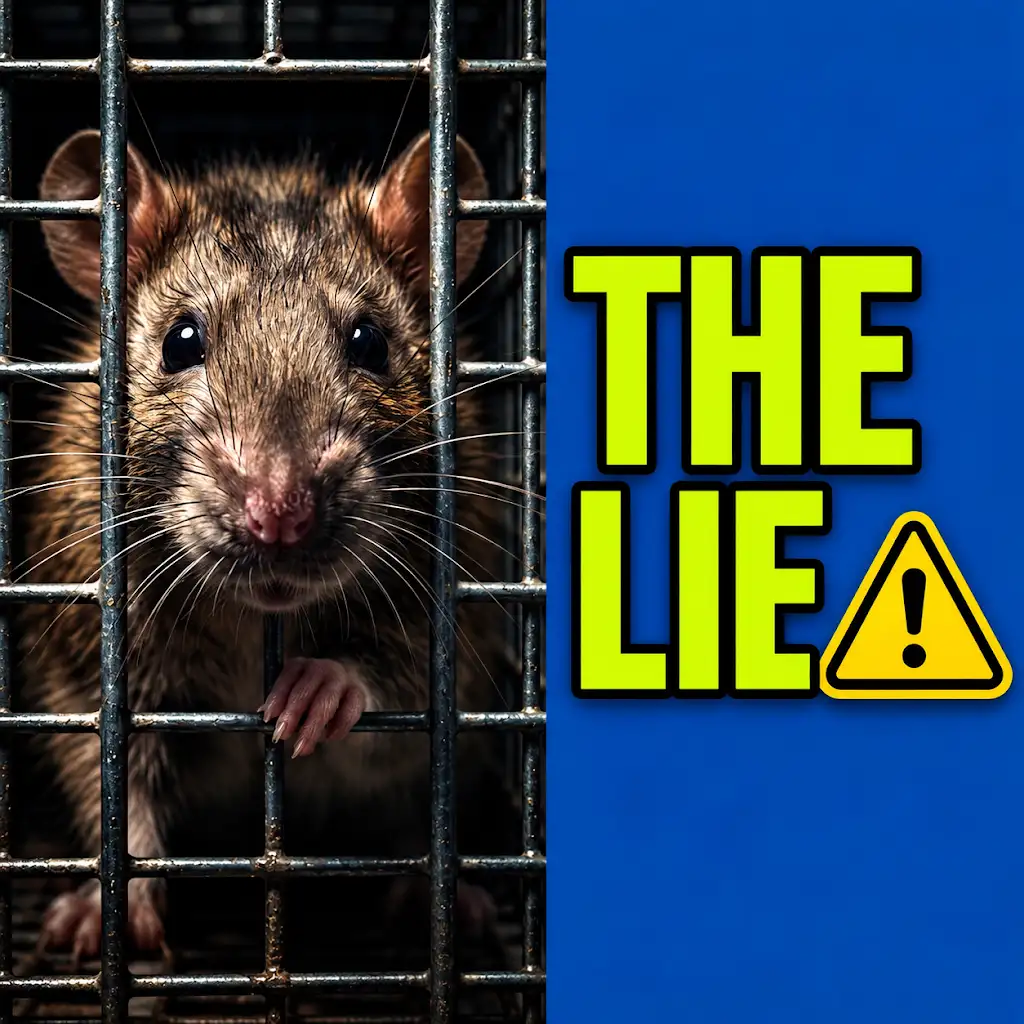
The Famous Addiction Experiment That Fooled Everyone
FAQs
What is the Rat Park sugar morphine solution experiment?
The Rat Park sugar morphine solution experiment was a study conducted by psychologist Bruce K. Alexander in the late 1970s. It aimed to investigate the impact of environment on drug addiction by offering rats a choice between plain water and water laced with morphine in a stimulating and enriched environment called Rat Park.
What were the findings of the Rat Park sugar morphine solution experiment?
The findings of the Rat Park experiment suggested that rats in a stimulating and enriched environment were less likely to become addicted to morphine compared to rats in isolated and barren cages. Rats in Rat Park consumed less morphine-laced water and showed less signs of addiction.
How did the Rat Park sugar morphine solution experiment challenge traditional views on addiction?
The Rat Park experiment challenged the traditional view that addiction is solely a result of the drug’s chemical hooks. Instead, it highlighted the importance of social and environmental factors in influencing addictive behaviors, suggesting that a supportive and enriched environment can reduce the likelihood of addiction.
What implications did the Rat Park sugar morphine solution experiment have on addiction treatment and prevention?
The Rat Park experiment emphasized the significance of social connections, environmental enrichment, and mental well-being in addiction treatment and prevention. It suggested that addressing underlying social and environmental factors could be as crucial as addressing the chemical aspects of addiction.
Are there any criticisms of the Rat Park sugar morphine solution experiment?
While the Rat Park experiment provided valuable insights into the role of environment in addiction, some critics argue that the findings may not directly translate to human addiction due to differences in brain complexity and social behaviors between rats and humans. Additionally, the study has faced scrutiny regarding its methodology and generalizability.