
The prevailing narrative surrounding addiction often paints a grim picture: a moral failing, a disease of willpower, and an inevitable descent into ruin. This stark perspective, while reflecting the lived experiences of many, can inadvertently foster judgment and shame, hindering compassionate understanding and effective intervention. However, a groundbreaking series of studies conducted in the 1970s and 80s, known as the “Rat Park” experiments, offered a radically different lens through which to view addiction, suggesting that the environment and social context play far more significant roles than previously acknowledged. These studies, far from simply being a curiosity of animal behavior, have profound implications for how society approaches addiction and recovery, urging a compassionate reframe that prioritizes connection, meaning, and well-being.
Unpacking the Classic Rat Park Design
The Rat Park experiments, spearheaded by psychologist Bruce Alexander and his colleagues at Simon Fraser University in British Columbia, were designed to challenge the prevailing “voodoo” of addiction research at the time, which largely relied on isolating rats and forcing them to consume drugs. The fundamental premise was to create an environment that mimicked aspects of human social life and well-being, contrasting it with a sterile, isolated existence. This distinction became the cornerstone of their groundbreaking findings.
The Isolation Chamber: A Forced Experiment in Solitude
The initial setup, mirroring conventional addiction research, involved placing rats in small, solitary cages. These cages were stark, devoid of any stimulation or social interaction. In this environment, the rats were provided with two water bottles: one containing plain water and the other containing water laced with either morphine or cocaine. The researchers observed a clear preference for the drug-laced water, with the isolated rats consuming significant quantities of the substances, often to the point of overdose and death. This outcome was interpreted at the time as definitive proof of the addictive nature of these drugs – a seemingly inherent property that compelled the animals to self-destruct, regardless of their circumstances. It was a powerful, albeit grim, demonstration that appeared to confirm the widely held belief that drugs were inherently destructive and that addiction was an inescapable consequence of exposure.
The Rat Park: A Haven of Stimulation and Socialization
The pivotal shift in the Rat Park experiments came with the introduction of the “Rat Park” itself. This was a large, spacious enclosure designed to provide a rich and stimulating environment for the rats. Unlike the solitary cages, Rat Park was a vibrant ecosystem. It featured ample space to roam, climb, and explore. Crucially, it was populated with other rats, fostering a complex social structure with opportunities for play, grooming, and mating. Within this thriving community, the rats were again offered the choice between plain water and drug-laced water. The results were astonishingly different.
A Stark Contrast in Consumption
In the communal, stimulating environment of Rat Park, the rats showed a markedly reduced preference for the drug-laced water. While they would still drink it occasionally, their consumption was significantly lower compared to their isolated counterparts. Many rats in Rat Park never touched the drug-laced water at all, even when presented with the choice. This observation directly contradicted the prevailing scientific dogma. It suggested that when rats had fulfilling lives, rich social connections, and a stimulating environment, they were far less likely to turn to drugs for solace or escape. The drugs, in this context, were not an irresistible siren song, but rather a less appealing option compared to the joys of a well-lived life.
In exploring the concept of compassionate reframing of addiction, the article on Unplugged Psych provides valuable insights into how environments can influence addictive behaviors. The discussion around Rat Park, a groundbreaking study that demonstrated the impact of social and environmental factors on addiction, aligns closely with the themes presented in the article. For a deeper understanding of how compassion and community can reshape our approach to addiction, you can read more in the article available at Unplugged Psych.
The Environmental Influence on Drug-Seeking Behavior

The Rat Park studies provided compelling evidence that addiction is not solely a matter of pharmacological action or individual weakness. Instead, they highlighted the profound impact of environmental factors, social context, and the presence or absence of fulfilling experiences in shaping drug-seeking behaviors. This challenged the simplistic “get sick, take drugs” model that had dominated addiction research for decades.
The Role of Stress and Trauma
The isolated cages in the original experiments can be seen as analogous to environments that induce stress, loneliness, and despair in humans. Individuals experiencing trauma, social isolation, poverty, or a lack of purpose are often more vulnerable to developing problematic drug use. The Rat Park offered a stark contrast, demonstrating that a supportive and stimulating environment could act as a powerful buffer against such vulnerabilities. When rats had positive social interactions and engaging activities, the appeal of drugs diminished. This suggests that for humans, addressing the underlying stressors and traumas that contribute to addiction is paramount.
The Importance of Social Connection
The presence of other rats in Rat Park was a critical element. Social bonds provide a sense of belonging, support, and meaning. For humans, social isolation is a significant risk factor for addiction. Conversely, strong social networks, supportive relationships, and a sense of community can be protective factors. The Rat Park experiments imply that fostering these connections is not merely a supplementary aspect of recovery but a core component. When individuals feel seen, valued, and connected to others, their need to escape or numb emotional pain through drugs often lessens.
Beyond Biological Determinism
The Rat Park studies moved the conversation beyond a purely biological determinism of addiction. While acknowledging the neurobiological changes that can occur with drug use, the experiments emphasized that these changes do not operate in a vacuum. The brain’s response to drugs is heavily influenced by its environment and the individual’s lived experiences. This understanding shifts the focus from solely treating the “disease” of addiction to addressing the broader life circumstances that can contribute to its development and persistence.
Rethinking Addiction: From Moral Failing to Environmental Response

The implications of the Rat Park studies are far-reaching, urging a fundamental reevaluation of how society perceives and responds to addiction. The traditional framing of addiction as a moral failing or a lack of willpower is not only inaccurate but also deeply damaging, contributing to stigma and preventing individuals from seeking help. The Rat Park experiments provide a compassionate alternative: viewing addiction as a complex response to adverse environmental conditions and a maladaptive coping mechanism for unmet needs.
Shifting the Stigma
The dominant societal narrative often casts individuals struggling with addiction as weak, selfish, or morally corrupt. This judgment creates immense barriers to recovery, leading to shame, isolation, and fear of seeking help. The Rat Park findings, by highlighting the environmental drivers of addiction, offer a powerful counter-narrative. They suggest that addiction is not a character flaw but a sign that something is deeply wrong in an individual’s environment and their ability to cope with it. This reframing can foster empathy, understanding, and a willingness to support those in need, rather than condemn them.
The “Heroin in the Water” Analogy
A common way to illustrate the Rat Park findings is through the “heroin in the water” analogy. Imagine a soldier returning from the Vietnam War, where heroin was readily available and often used for pain relief and escape from the horrors of combat. Many soldiers who used heroin in Vietnam did not continue to use it upon returning to their familiar lives, friends, and families. This observation, consistent with the Rat Park results, suggests that when individuals have a fulfilling life to return to, the allure of the drug diminishes. Conversely, someone trapped in a sterile, isolated, and stressful environment might find the drug’s escape more appealing. This analogy underscores the idea that addiction is not an inherent property of the drug, but rather a consequence of a drug being the most appealing option in a given life context.
Beyond Punishment and Control
If addiction is understood as a response to environmental deprivation and unmet needs, then punitive approaches, such as incarceration and forced abstinence without addressing underlying issues, become less effective. The Rat Park experiments suggest that a more compassionate and effective approach would involve creating environments that foster well-being, social connection, and purpose. This might include investing in affordable housing, accessible mental healthcare, job training, and community programs that offer support and opportunities for meaningful engagement.
The Path to Recovery: Cultivating Richer Environments
The lessons learned from Rat Park offer a roadmap for developing more effective and humane approaches to addiction recovery. Instead of solely focusing on abstinence as the singular goal, the emphasis shifts towards creating conditions that promote holistic well-being and reduce the likelihood of relapse. This involves a multi-faceted approach that acknowledges the individual’s journey within their social and environmental context.
Building Supportive Communities
The success of Rat Park was rooted in its vibrant social environment. Similarly, recovery is significantly enhanced when individuals are part of supportive communities. This can include peer support groups, therapy programs that emphasize group dynamics, and community-based initiatives that foster a sense of belonging. When individuals feel connected and understood by others who share similar experiences, they are less likely to feel alone in their struggles and more empowered to navigate the challenges of recovery. These communities provide a safe space for vulnerability, shared learning, and mutual encouragement, replicating the positive social interactions observed in the Rat Park.
Fostering Meaning and Purpose
In Rat Park, the rats had ample opportunities for play, exploration, and social interaction, fulfilling their natural drives. For humans, a lack of meaning and purpose can be a significant contributor to addiction. Recovery efforts should therefore focus on helping individuals discover and cultivate activities and goals that bring them a sense of fulfillment. This could involve vocational training, educational pursuits, creative endeavors, volunteer work, or reconnecting with hobbies and interests. When individuals have something meaningful to strive for and dedicate their energy to, the allure of escapism through drugs often diminishes. The development of a strong sense of self and purpose acts as a powerful deterrent against relapse.
Addressing Root Causes: A Holistic Approach
The Rat Park studies implicitly suggest that a holistic approach is necessary for addressing addiction. This means looking beyond the immediate symptoms and delving into the underlying factors that contribute to problematic drug use. For individuals, this might involve addressing trauma, mental health conditions, chronic pain, or socioeconomic disadvantages. For society, it means creating policies and programs that promote equitable access to resources, reduce stress, and foster environments where individuals can thrive. The reframing offered by Rat Park encourages a move away from a purely medical or criminal justice model and towards a public health and social justice framework. This comprehensive strategy acknowledges that true recovery involves not only overcoming drug dependence but also building a life worth living, one that is rich in connection, meaning, and well-being.
The concept of Rat Park offers a compassionate reframe on addiction, suggesting that the environment plays a crucial role in the development and recovery from substance use disorders. This perspective aligns with the insights shared in a related article that explores the importance of social connections and supportive environments in overcoming addiction. For a deeper understanding of these ideas, you can read more in this informative article, which highlights how fostering community and connection can significantly impact recovery outcomes.
Beyond the Cage: Implementing Compassionate Recovery Strategies
| Metric | Rat Park Experiment | Compassionate Reframe Approach | Implications for Addiction |
|---|---|---|---|
| Environment Quality | Enriched, social, stimulating environment | Supportive, non-judgmental, empathetic care | Improves well-being and reduces addictive behaviors |
| Drug Consumption | Significantly lower in enriched environment rats | Reduced cravings and use through compassionate support | Highlights role of environment over drug properties |
| Stress Levels | Lower stress in Rat Park rats | Focus on reducing shame and trauma in individuals | Stress reduction linked to decreased addiction risk |
| Social Interaction | High social engagement in Rat Park | Encourages connection and community support | Social bonds act as protective factors |
| Behavioral Outcome | Less compulsive drug use | Reframes addiction as a response to unmet needs | Promotes holistic treatment strategies |
The legacy of the Rat Park studies extends far beyond the laboratory, offering a profound paradigm shift in how we understand and address addiction. By demonstrating the potent influence of environment and social connection, these experiments challenge us to move away from punitive and stigmatizing approaches towards a more compassionate and evidence-based model of recovery. Implementing these insights requires a societal commitment to fostering environments that support human flourishing.
The Ethical Imperative for Change
The ethical implications of the Rat Park findings are undeniable. If addiction is not an inherent flaw but a response to environmental deprivation, then continuing to treat individuals with addiction as morally corrupt or inherently flawed is not only ineffective but deeply unjust. The studies provide a moral imperative to re-evaluate our societal structures and policies. This includes advocating for harm reduction strategies, investing in accessible mental healthcare and addiction treatment, and creating social safety nets that prevent individuals from falling into environments that foster despair and drug use. The ethical framework shifts from one of blame and punishment to one of care, support, and systemic change, recognizing the inherent dignity of every individual.
Policy and Programmatic Shifts
Translating the lessons of Rat Park into tangible change requires a reorientation of public policy and programmatic interventions. Instead of solely funding treatment centers that focus on abstinence, resources should be directed towards initiatives that create supportive communities, address social determinants of health, and promote economic stability. This could involve investing in affordable housing, increasing access to education and job training, and expanding community-based mental health services. Furthermore, the criminal justice system’s approach to drug offenses needs to be re-examined, shifting from a punitive model to one that prioritizes rehabilitation and addresses the root causes of drug use. Creating a “Rat Park” for human beings means building societies that are inherently more supportive and less conducive to the development of addiction.
A Vision for a More Hopeful Future
The Rat Park studies offer a beacon of hope in the often-bleak landscape of addiction. They suggest that a future where addiction is understood and addressed with compassion, where individuals are supported in building fulfilling lives, and where societal structures foster well-being rather than despair, is not only possible but achievable. By embracing the insights of these groundbreaking experiments, we can begin to dismantle the stigma surrounding addiction, foster genuine connection and recovery, and ultimately create a society that is healthier, more humane, and more hopeful for all. The journey from the sterile isolation of the cage to the vibrant community of Rat Park serves as a powerful metaphor for the transformative potential of compassion and the creation of environments that allow individuals to thrive.
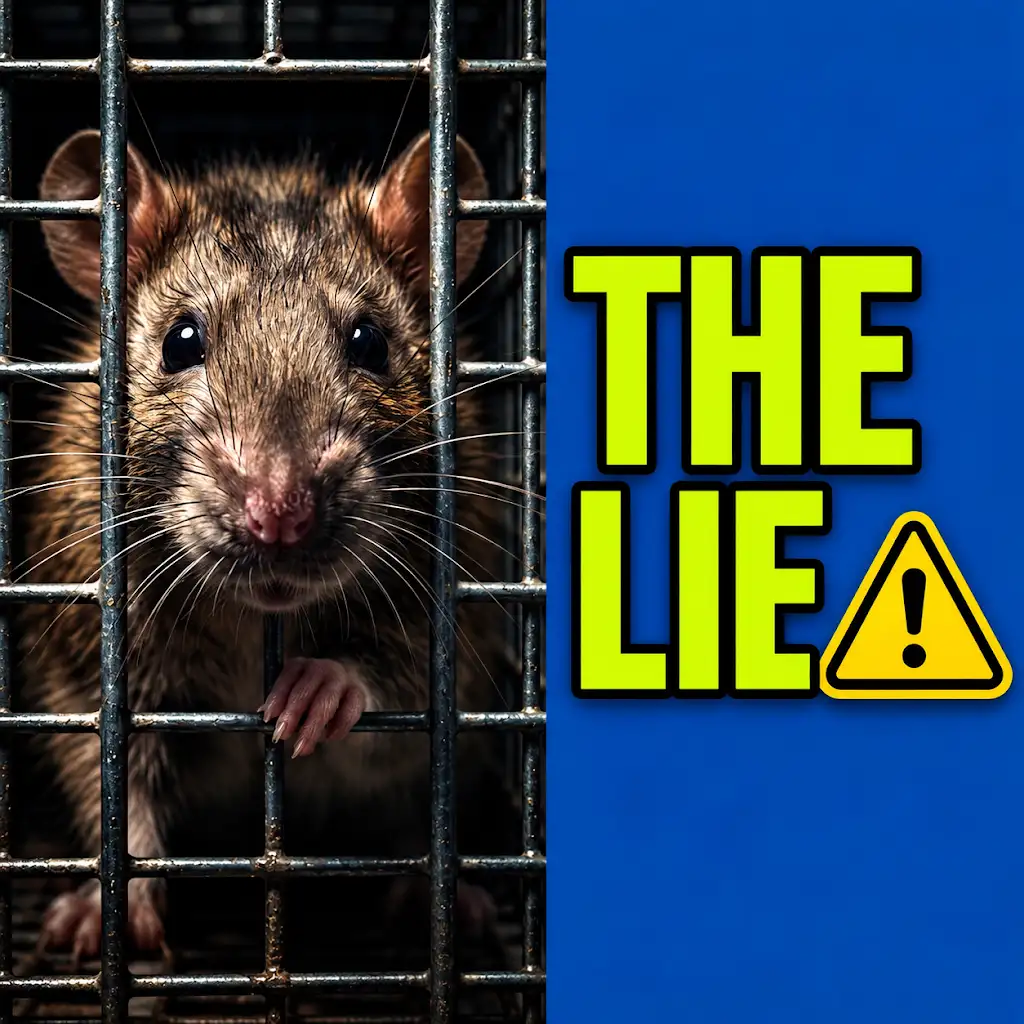
The Famous Addiction Experiment That Fooled Everyone
FAQs
What is the Rat Park experiment?
The Rat Park experiment was a study conducted in the 1970s by psychologist Bruce K. Alexander. It aimed to investigate the role of environment in addiction by providing rats with a stimulating and social environment, known as Rat Park, as an alternative to isolated cages.
What were the findings of the Rat Park experiment?
The findings of the Rat Park experiment suggested that rats in a stimulating and social environment were less likely to consume morphine-laced water compared to rats in isolated cages. This indicated that environmental factors, such as social interaction and enrichment, play a significant role in addiction.
How does the Rat Park experiment support a compassionate reframe of addiction?
The Rat Park experiment supports a compassionate reframe of addiction by highlighting the importance of addressing underlying issues, such as social isolation and lack of stimulation, rather than solely focusing on individual behavior. It emphasizes the need for supportive and enriching environments to prevent and treat addiction.
What implications does the Rat Park experiment have for addiction treatment?
The Rat Park experiment suggests that addiction treatment should not only focus on individual behavior and substance use but also address environmental factors that contribute to addiction. Providing supportive, social, and stimulating environments may be crucial in preventing and overcoming addiction.
How can the concept of Rat Park be applied to human addiction and recovery?
The concept of Rat Park can be applied to human addiction and recovery by emphasizing the importance of social support, community engagement, and environmental enrichment in addiction treatment programs. Creating environments that promote connection, purpose, and well-being can help individuals recover from addiction more effectively.