
The Rat Park experiment, a landmark series of studies conducted by psychologist Bruce K. Alexander and his colleagues in the 1970s and 1980s, profoundly challenged prevailing understandings of addiction. Moving beyond the purely biological or psychological models of the time, the research proposed that environmental and social factors played a significantly larger role in addiction than previously acknowledged. At the heart of this groundbreaking work lay the meticulous design and execution of “Rat Park” itself, a meticulously crafted environment intended to simulate a richer, more stimulating existence for laboratory rats, starkly contrasting with the sterile conditions of standard cages.
The Genesis of Rat Park: Challenging the Status Quo
The prevailing scientific and public perception of addiction in the mid-20th century was largely deterministic. Addiction was viewed as an inevitable consequence of repeated drug exposure, often framed as a moral failing or a consequence of individual weakness. Early laboratory experiments, often conducted with rats in isolation and subjected to forced drug administration, seemed to support this view. These studies typically demonstrated that rats, when offered opioid drugs, would readily self-administer them to the point of overwhelming dependence and, in many cases, death. This led to the widely held belief that the drugs themselves were the primary drivers of addiction, possessing an inherent power to enslave the user.
Bruce Alexander, however, harbored doubts about the validity of these conclusions. He questioned the ecological validity of the experimental conditions. Were rats in solitary confinement, deprived of social interaction, stimulation, and natural behaviors, truly representative of humans facing addiction? He proposed that the impoverished, sterile environments in which these experiments were conducted might themselves be a powerful motivator for drug-seeking behavior, independent of the drug’s inherent properties. This line of thinking led to the conceptualization of Rat Park, an environment designed to provide rats with everything their natural habitat might offer, thereby creating a potent alternative to the allure of drugs.
The Isolation Paradigm: A Flawed Foundation
Prior to the Rat Park experiments, the dominant methodology for studying addiction in animal models involved isolating rats in small, barren cages. In these environments, rats were often deprived of social contact, opportunities for play, or any form of environmental enrichment. Drug administration was typically achieved through direct injection or by providing free-choice access to water laced with opiates, such as morphine. The consistent observation was that these isolated rats would readily consume the drug-laced water, often to the exclusion of food and water, and would exhibit signs of severe withdrawal when the drug was removed.
These findings were interpreted as strong evidence for the addictive potential of opiates. The conclusion drawn was that the drug itself was so compelling that it overrode all other motivations, including survival instincts. This paradigm, while yielding seemingly straightforward results, failed to account for the complex interplay of biological, psychological, and social factors that characterize human addiction. Critics argued that the rats’ behavior in these experiments might be a direct response to the profound stress and deprivation of their environment, rather than solely an inherent property of the drug. The isolation and lack of stimulation could lead to anhedonia, a diminished capacity for pleasure, making the drug-induced euphoria a potent, albeit temporary, escape from their desolate reality. This fundamental flaw in the prevailing research methodology laid the groundwork for Alexander’s revolutionary approach.
Alexander’s Hypothesis: Environment as a Catalyst
Bruce Alexander’s central hypothesis was that addiction was not solely a biological phenomenon driven by the pharmacological properties of a drug, but rather a complex behavior influenced by an individual’s environment and social context. He posited that when individuals are living in conditions that are stressful, alienating, and lack opportunities for engagement and pleasure, they are more likely to turn to drugs as a coping mechanism or a form of escape. Conversely, in environments that are rich, stimulating, and socially supportive, the propensity for developing addiction would be significantly reduced, even in the presence of drugs.
This was a radical departure from the prevailing “chemical determinism” that dominated addiction research. It shifted the focus from the drug to the user and their lived experience. Alexander argued that the “war on drugs” was fundamentally misguided because it focused solely on supply and demand reduction, neglecting the underlying societal conditions that might be driving individuals to seek solace in drugs. His hypothesis suggested that a more effective approach would involve addressing issues of poverty, social isolation, lack of meaningful employment, and lack of recreational opportunities – essentially, creating environments that foster well-being and reduce the perceived need for escape. The Rat Park experiment was designed to empirically test this profound hypothesis.
The Rat Park experiment, conducted by psychologist Bruce Alexander in the late 1970s, provided groundbreaking insights into the effects of environment on addiction and behavior. For a deeper understanding of the implications of colony conditions on rat behavior and how these findings relate to human addiction, you can explore a related article on this topic at Unplugged Psychology. This article delves into the significance of social environments and their impact on mental health, drawing parallels between the Rat Park study and contemporary issues in addiction treatment.
Constructing Rat Park: An Unprecedented Environment
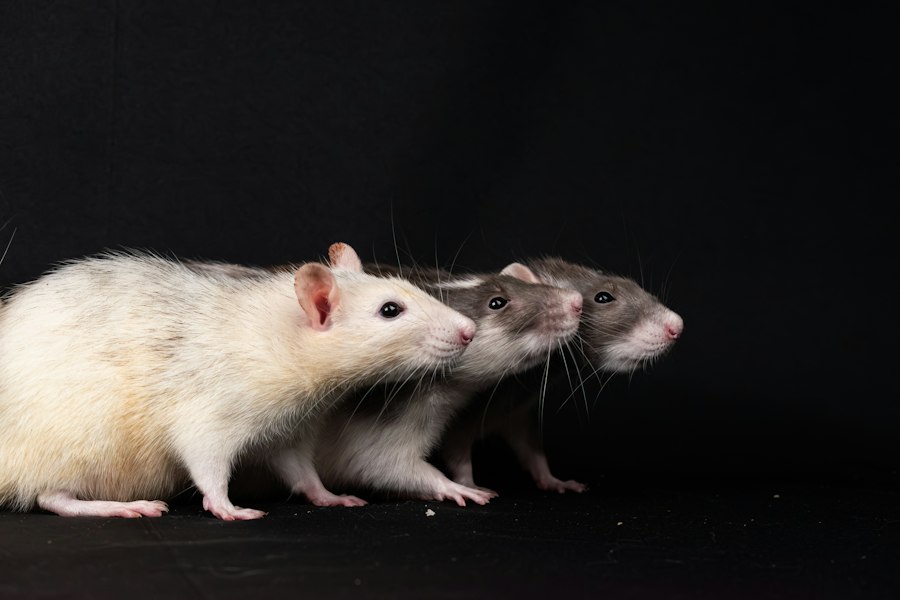
The creation of Rat Park was a monumental undertaking, requiring a deliberate and thoughtful design to replicate, as closely as possible, the conditions of a natural environment for rats. It was a stark contrast to the typical laboratory cages, aiming to provide an enriched and stimulating setting that would encourage a wide range of natural rat behaviors. The objective was to offer rats a “quality of life” that would make them less susceptible to the perceived allure of drugs.
The physical space of Rat Park was significantly larger than standard laboratory cages, allowing for more movement and exploration. Within this space, a variety of elements were introduced to mimic a natural habitat. These included tunnels, pipes, and platforms, providing opportunities for climbing, exploring, and hiding. Importantly, Rat Park was designed to be a social environment. Rats were housed in groups, allowing for natural social interactions, grooming, and play. This emphasis on social bonding and interaction was a critical component of the experiment, directly addressing the isolation inherent in previous research.
The Enriched Habitat: Mimicking Nature’s Design
Rat Park was conceptualized and built as an environment that would foster natural rat behaviors and provide a high degree of stimulation. It was a large enclosure, far exceeding the confines of standard laboratory cages, offering ample space for exploration, movement, and the development of territorial behaviors. The flooring was not a sterile grid but rather a substrate that allowed for digging and burrowing, fulfilling an innate rat behavior.
Within this expansive space, a multitude of enrichment elements were strategically placed. These included complex structures such as branching pipes, ramps, and platforms, creating a multi-level environment that encouraged climbing, jumping, and navigating. Tunnels and hiding places provided opportunities for exploration and a sense of security, mirroring natural shelters. Foraging opportunities were also integrated, with food scattered in various locations rather than being confined to a single feeder, promoting natural food-seeking behaviors.
Crucially, the environment was dynamic. Things were moved around, new objects were introduced, and opportunities for sensory stimulation were varied. This constant novelty was designed to prevent boredom and maintain engagement, a key difference from the static and unchanging nature of traditional laboratory cages. The aim was to create a world for the rats that was engaging, stimulating, and, by extension, desirable.
Social Dynamics and Engagement: The Power of Community
Beyond the physical enrichment, the social environment of Rat Park was a cornerstone of its design. Unlike the solitary confinement often experienced by laboratory rats, Rat Park housed rats in social groups. This allowed for the natural development of complex social hierarchies, grooming behaviors, play, and other forms of interaction characteristic of rat colonies. The intention was to replicate the social fabric that would exist in a natural environment, where social support and community play vital roles.
The presence of other rats served multiple purposes. It provided opportunities for social learning, where younger rats could learn behaviors from their elders. It also offered companionship and reduced the potential for loneliness and isolation, factors that are known to contribute to stress and maladaptive behaviors in both animals and humans. The social dynamics within Rat Park were observed to be active and varied, with rats engaging in playful chases, grooming each other, and establishing social bonds.
This emphasis on social connection was a deliberate counterpoint to the isolation paradigm. Alexander hypothesized that a strong social network and a sense of belonging could act as a buffer against the development of addiction. When individuals feel connected and valued within a community, their need to escape through drugs might be significantly diminished. The social aspect of Rat Park was therefore not an afterthought but a fundamental element intended to test this crucial aspect of his theory.
The Experiment Unfolds: Drug Choice and Behavior Observed

With Rat Park constructed and populated, the researchers embarked on the core of the experiment: observing the rats’ choices when presented with both plain water and water laced with a potent opioid, morphine. The key difference from previous studies lay not only in the environment but also in how the drugs were offered. Instead of forced administration or solitary access to drug water, the rats in Rat Park had free choice between the enriched environment and the drug solution.
The results were, for the prevailing scientific understanding, astonishing. Rats housed in the stimulating and socially rich environment of Rat Park demonstrated a significantly lower preference for the morphine-laced water compared to rats housed in standard laboratory cages. In fact, many of the rats in Rat Park actively avoided the drug water, even when it was readily available. This suggested that the enriched environment provided them with sufficient motivation and pleasure from their surroundings and social interactions, rendering the drug less appealing.
Opioid Consumption Patterns: A Stark Contrast
The most striking finding of the Rat Park experiment revolved around the consumption patterns of the opioid drug, morphine. In parallel experiments, rats were housed in two distinct conditions: the “Rat Park” environment, which was enriched and socially interactive, and the standard, sterile laboratory cages, which represented the control group. Both groups were offered two drinking bottles: one containing plain water and the other containing water laced with a substantial amount of morphine.
The results were unequivocal. Rats housed in the standard cages overwhelmingly chose the morphine-laced water. They would drink it in large quantities, often neglecting food and water, and exhibited clear signs of dependence. When the morphine was withdrawn, they experienced severe withdrawal symptoms, confirming the development of physical addiction. This outcome aligned with the expectations of the prevailing scientific model of the time.
However, the rats in Rat Park displayed a dramatically different behavior. While they did not entirely abstain from the morphine water, their consumption was significantly lower. Many rats showed a clear preference for the plain water and the enriched environment. They would explore their surroundings, interact with other rats, and engage in play, appearing to derive pleasure and satisfaction from these activities. When morphine was offered, they would sometimes sample it but rarely to the extent seen in the isolated rats. Even when they did consume some morphine, the development of severe dependence and withdrawal symptoms appeared to be less pronounced, suggesting that the environmental context modulated the drug’s impact.
The Withdrawal Phenomenon: Mitigated by Environment
The Rat Park experiment also provided crucial insights into the phenomenon of drug withdrawal. In traditional studies with isolated rats, withdrawal from opioids was a severe and debilitating experience, characterized by physical distress, tremors, and often a desperate return to drug-seeking behavior to alleviate these symptoms. This was interpreted as further evidence of the drug’s power and the inevitability of addiction once physical dependence was established.
However, the rats housed in Rat Park exhibited a markedly different response to morphine withdrawal. While some physiological signs of withdrawal might have been present, they were generally less severe and less prolonged than those observed in the isolated rats. More importantly, the rats in Rat Park did not exhibit the same desperate compulsion to seek out the drug again to escape the discomfort. Their engagement with the enriched environment and their social connections seemed to provide a sufficient buffer.
This finding was revolutionary. It suggested that the severity of withdrawal symptoms and the subsequent relapse behavior were not solely determined by the physiological presence of the drug in the body. Instead, the psychological and social context played a significant role in how these withdrawal symptoms were experienced and managed. In an enriched environment, where alternative sources of pleasure and support were available, the “need” to resume drug use to avoid withdrawal was diminished. This offered a powerful counterargument to the notion that addiction was a purely biological trap from which escape was nearly impossible.
Insights Revealed: Rethinking Addiction and Recovery
The implications of the Rat Park experiment were profound, prompting a fundamental reevaluation of addiction and its underlying causes. The findings challenged the prevailing paradigm of chemical determinism and highlighted the crucial role of social and environmental factors. This shift in perspective offered new avenues for understanding addiction and, more importantly, for developing more effective strategies for prevention and treatment.
The experiment underscored that addiction is not an inevitable consequence of drug exposure but rather a complex interplay of biological, psychological, and social influences. It suggested that the environment in which an individual lives, their social support network, and their opportunities for engagement and fulfillment are critical determinants of their susceptibility to addiction. This led to a more nuanced understanding of what constitutes “addictive behavior.”
Addiction as a Learned Behavior in a Deprived Context
The results of Rat Park strongly supported the idea that addiction, at least in its most severe forms, is not an inherent property of certain drugs but rather a learned behavior that emerges in specific environmental contexts. When rats were placed in an impoverished and isolating environment, they readily turned to drugs, suggesting that the drugs provided a temporary escape or a form of self-medication for the distress and anhedonia caused by their surroundings.
This perspective reframed addiction not as a moral failing or a biological inevitability but as a maladaptive coping mechanism developed in response to a deprived or stressful environment. The “drug use” was a rational, albeit harmful, attempt to alleviate suffering and find some form of pleasure or escape in an otherwise bleak existence. In Rat Park, where rats had access to positive social interactions, stimulation, and opportunities for natural behaviors, the “need” for this maladaptive coping mechanism was significantly reduced. They found their “high” in life itself, in the richness of their environment and their social bonds.
The Importance of Social Connection and Meaningful Lives
One of the most significant takeaways from the Rat Park experiment is the profound importance of social connection and the pursuit of meaningful lives in preventing and overcoming addiction. The rats in Rat Park, surrounded by their peers and engaged in a stimulating environment, demonstrated a reduced inclination towards drug use. This highlights that human beings, like rats, are social creatures who thrive on connection, purpose, and engagement.
When individuals are socially isolated, lack a sense of purpose, or are engaged in monotonous or unfulfilling lives, they are more vulnerable to seeking solace and escape in drugs. Conversely, environments that foster strong social bonds, provide opportunities for meaningful work or hobbies, and offer a sense of belonging can act as powerful protective factors against addiction. This understanding shifts the focus of addiction treatment and prevention from solely addressing drug use to creating supportive communities and promoting individual well-being. It suggests that recovery is not simply about abstinence from drugs but about building a fulfilling life in which drugs are no longer perceived as necessary.
The concept of Rat Park, a groundbreaking study on the effects of environment on addiction, highlights how social conditions can significantly influence behavior. For a deeper understanding of how these colony conditions impact the well-being of rats and their choices, you can explore a related article that delves into the implications of this research. This article provides valuable insights into the importance of social interaction and environmental enrichment in mitigating addiction risks. To learn more, visit this informative piece that expands on the fascinating findings of the Rat Park study.
Broader Implications and Future Directions: Beyond the Cage
| Colony Condition | Description | Key Metrics | Observed Behavior |
|---|---|---|---|
| Rat Park (Enriched Environment) | Large, spacious environment with social interaction, toys, and natural stimuli |
|
|
| Isolated Condition | Small cages, no social interaction, minimal stimuli |
|
|
| Standard Laboratory Cage | Basic cage with limited space and minimal enrichment |
|
|
The findings from the Rat Park experiment have had a far-reaching impact, extending beyond the realm of animal research to influence public policy, treatment approaches, and our societal understanding of addiction. The experiment provided a compelling empirical basis for challenging the “war on drugs” approach, which often focused on punitive measures and supply reduction, neglecting the underlying social and environmental factors contributing to addiction.
Alexander’s work has spurred a greater emphasis on harm reduction strategies, social determinants of health, and the importance of creating supportive communities. It has encouraged researchers to explore a wider range of factors influencing addiction, including trauma, poverty, and mental health, and to develop more holistic and individualized treatment plans. The legacy of Rat Park continues to inspire research and advocacy for a more compassionate and evidence-based approach to addressing the complex issue of addiction.
Challenging the “War on Drugs” Paradigm
The Rat Park experiment provided a potent, evidence-based challenge to the prevailing “war on drugs” approach that dominated policy and public discourse for decades. By demonstrating that environment and social context significantly influence addiction, Alexander’s work suggested that focusing solely on interdiction, punishment, and abstinence as the primary solutions was fundamentally flawed. The experiment implied that many individuals turn to drugs not out of inherent weakness or a desire for self-destruction, but as a response to overwhelming societal problems like poverty, isolation, and lack of opportunity.
This realization led to calls for a paradigm shift, advocating for a focus on addressing the root causes of addiction rather than solely treating its symptoms. It supported a move towards harm reduction strategies, which aim to minimize the negative consequences of drug use without necessarily demanding immediate abstinence. The experiment’s findings encouraged a more nuanced understanding of addiction as a public health issue, demanding compassionate and evidence-based interventions that address the complex interplay of individual vulnerabilities and societal conditions.
Towards a Public Health Approach to Addiction
The Rat Park experiment has been instrumental in advocating for a paradigm shift in how addiction is perceived and managed, moving from a punitive criminal justice model towards a public health approach. This approach recognizes addiction as a complex health issue influenced by a multitude of biological, psychological, and social factors, rather than a moral failing. The experiment’s findings underscore that creating supportive environments, fostering social connections, and addressing underlying societal issues are crucial for both addiction prevention and recovery.
This shift has led to increased investment in evidence-based treatment programs, including harm reduction strategies, counseling, and social support services. It has also encouraged a greater focus on early intervention, particularly for young people, and on addressing the social determinants of health that contribute to vulnerability. The legacy of Rat Park continues to inspire a more compassionate, understanding, and effective approach to tackling addiction, emphasizing healing and well-being over punishment and stigma.

The Famous Addiction Experiment That Fooled Everyone
FAQs
What are the ideal conditions for a rat park colony?
The ideal conditions for a rat park colony include a spacious environment with plenty of room for rats to move around, various enrichment activities such as toys and tunnels, proper ventilation, access to clean water and food, and a suitable temperature range.
How does the environment in a rat park colony affect the behavior of the rats?
The environment in a rat park colony can significantly impact the behavior of the rats. A stimulating and enriching environment can lead to increased physical activity, social interactions, and overall well-being. On the other hand, a barren or stressful environment can result in negative behaviors such as aggression, stereotypic behaviors, and decreased overall health.
What role does social interaction play in a rat park colony?
Social interaction is crucial in a rat park colony as rats are highly social animals. Living in a group allows rats to engage in natural behaviors such as grooming, playing, and establishing hierarchies. Lack of social interaction can lead to stress, loneliness, and even health issues in rats.
How do researchers ensure the welfare of rats in a park colony setting?
Researchers ensure the welfare of rats in a park colony setting by providing appropriate housing conditions, regular health checks, access to veterinary care, a balanced diet, environmental enrichment, and opportunities for social interaction. Ethical guidelines and regulations also play a significant role in safeguarding the well-being of rats in research settings.
What are some common challenges in maintaining a rat park colony?
Some common challenges in maintaining a rat park colony include ensuring proper hygiene to prevent the spread of diseases, managing social dynamics within the group, addressing potential aggression or conflicts, monitoring the rats’ health and well-being, and providing ongoing enrichment to prevent boredom and stereotypic behaviors.