Unveiling the Rat Park Phenomenon: A Paradigm Shift in Understanding Addiction
The prevailing narrative surrounding addiction, for a significant portion of the 20th century, was one of inevitable dependence and individual failing. Drugs were seen as inherently powerful agents, capable of hijacking the brain and coercing even the strongest will into compulsive use. This grim outlook was deeply embedded in scientific understanding and public perception, influencing everything from treatment approaches to societal attitudes. However, a groundbreaking series of experiments in the 1970s, most notably those conducted by Canadian psychologist Bruce Alexander and his colleagues, began to chip away at this monolithic view. These studies, collectively known as the “Rat Park” experiments, dared to suggest that addiction was not solely a property of the substance itself, but rather a complex interplay between the drug and the environment in which it is consumed. Alexander’s work, often revisited and reinterpreted, continues to offer profound insights into the nature of addiction behavior, challenging conventional wisdom and advocating for a more compassionate and holistic approach to understanding and addressing this pervasive human issue.
The initial impetus for Alexander’s research stemmed from a dissatisfaction with existing models of drug addiction. He observed that laboratory studies, often conducted with rats and other animals, consistently demonstrated that if an animal was provided with a choice between a drug-laced solution and plain water, it would reliably choose the plain water, unless it was already physically dependent. This finding, while seemingly intuitive in a controlled lab setting, stood in stark contrast to the observed reality of widespread human addiction, where individuals often continue to use drugs despite severe negative consequences. Alexander posited that these laboratory conditions were inherently flawed, failing to replicate the complex environmental and social factors that likely contribute to addiction in the real world. He hypothesized that if the environmental context was altered to be more enriching and stimulating, the animals’ propensity for drug consumption might change dramatically. This foundational question – “Is addiction primarily a biological imperative driven by the drug, or is it a complex behavioral response influenced by external factors?” – became the driving force behind the Rat Park experiments.
In exploring the fascinating implications of the Rat Park experiment conducted by Bruce Alexander, it is essential to consider the broader context of addiction and environmental influences on behavior. A related article that delves into these themes is available at Unplugged Psychology, where the author discusses how social environments can significantly impact addiction outcomes and mental health. This resource provides valuable insights that complement the findings of Rat Park, emphasizing the importance of community and environment in understanding addiction.
The Design and Execution of the Rat Park Experiments
The brilliance of the Rat Park experiments lay in their elegant simplicity and their profound departure from previous methodologies. Alexander and his team recognized that the isolation and sterile environment of traditional laboratory cages likely induced stress and boredom in the test subjects, potentially making them more susceptible to any available escape or pleasure-inducing substance. To counter this, they conceived of “Rat Park,” a spacious, stimulating environment designed to mimic natural rat habitats. This enclosure was a far cry from the barren cages of prior research. It was filled with toys, running wheels, tunnels, nesting materials, and, crucially, opportunities for social interaction. Rats were housed in social groups, allowing them to engage in natural behaviors like playing, mating, and exploring. This rich environment was intended to provide ample avenues for fulfillment and stimulation, thereby reducing the perceived need for a chemical escape.
Within this enriched environment, the researchers presented the rats with a choice between two water bottles. One contained plain, uncontaminated water, while the other contained a solution of morphine sulfate. The rats were allowed to freely choose which water to drink, and their consumption patterns were meticulously monitored. In parallel, a control group of rats was housed in the traditional laboratory cages, also offered the same choice of plain water and morphine solution. The researchers were keenly interested in comparing the drug-seeking behavior of rats in the enriched Rat Park environment versus those in the impoverished laboratory setting. This direct comparison was designed to isolate the impact of environmental enrichment on drug preference and consumption, providing empirical evidence for Alexander’s hypothesis. The core question was whether the availability of a more fulfilling life, replete with social connection and stimulation, would diminish or eliminate the rats’ desire for drugs.
The Choice Between Plain Water and Morphine Solution
The experimental setup was crucial for generating meaningful data. The morphine solution was carefully prepared to deliver a consistent dose, ensuring that the chemical properties of the drug remained constant across all experimental conditions. The primary variable being manipulated was the environment in which this choice was presented. In Rat Park, the rats had access to a wealth of sensory input and opportunities for natural behaviors. They could run, play with companions, engage in territorial exploration, and form social bonds. In contrast, the control group rats were confined to their solitary, sterile cages, with minimal stimulation and no opportunities for social interaction. This stark contrast in living conditions was central to the study’s design, aiming to highlight the potential impact of environmental quality on behavioral responses to psychoactive substances. The researchers hypothesized that the rats in Rat Park, with their enriched lives, would find the morphine solution less appealing than their counterparts in the barren cages, who might be seeking any form of altered sensation or distraction from their deprived existence.
Social Housing and Enrichment as Key Variables
The emphasis on social housing and environmental enrichment was a deliberate departure from standard laboratory practice. Alexander and his team understood that social isolation and lack of stimulation are significant stressors for most social animals, including rats. By providing a vibrant and engaging environment, they aimed to create conditions that fostered well-being and satisfaction. The presence of other rats allowed for the expression of a wide range of natural behaviors, from playful wrestling to nurturing social grooming. The physical environment was also designed to be stimulating, with varied textures, climbing opportunities, and places to hide and explore. This holistic approach to animal welfare was not merely an ethical consideration; it was a fundamental aspect of the experimental design, intended to test the hypothesis that a life worth living, in itself, could be a powerful antidote to addiction. The researchers believed that if rats had fulfilling lives, they would have less reason to turn to drugs for solace or escape.
The Revealing Results: Addiction in Context
The outcomes of the Rat Park experiments were, to say the least, revelatory, and they sharply contradicted the prevailing assumptions about drug addiction. In the impoverished, isolated laboratory cages, the rats did indeed engage in significant consumption of the morphine-laced water. Many became physically dependent and continued to drink the solution even when it was switched back to plain water, mirroring the predicted trajectory of addiction in laboratory settings. However, the rats housed in Rat Park presented a dramatically different picture. While they did sample the morphine solution, their consumption was significantly lower than that of their isolated counterparts. Crucially, when the morphine solution was replaced with plain water, the rats from Rat Park largely stopped drinking the previously drug-laced water. They did not exhibit the compulsive, continued use seen in the control group.
These findings strongly suggested that the rats in Rat Park, with their fulfilling social lives and stimulating environment, did not develop the same level of dependence or compulsive behavior as the isolated rats. They had access to a more rewarding life, and therefore, the allure of morphine was diminished. This did not imply that the rats in Rat Park were immune to the pharmacological effects of morphine; rather, it indicated that the environmental context played a crucial role in modulating their behavior. The enriched environment provided a multitude of positive reinforcement, competing with the artificial reinforcement offered by the drug. When presented with a choice, and with their needs for social connection, exploration, and activity met, the rats in Rat Park simply had less incentive to opt for a life of drug dependency.
Contrasting Consumption Patterns Between Environments
The quantitative data collected from the Rat Park experiments provided clear evidence of the environmental impact. The rats in the barren cages consumed considerably more of the morphine solution, often to the point of developing physical dependence. This was characterized by withdrawal symptoms when the drug was removed. In stark contrast, the rats in Rat Park, despite having access to the same drug concentration and choice, showed a much more moderate intake. Their behavior indicated a level of choice and discernment that was absent in the stressed, isolated control group. The fact that the Rat Park rats readily abstained from the morphine solution when plain water was reintroduced was particularly significant. It suggested that their drug consumption was not driven by an uncontrollable biological craving but rather by a desire for an altered state that was, in their deprived circumstances, more appealing than their immediate reality. This marked a fundamental departure from the idea of addiction as an inescapable biological trap.
The Absence of Compulsive Use in Enriched Conditions
The most striking observation was the apparent absence of compulsive drug-seeking behavior in the Rat Park rats once their environmental needs were met. They did not exhibit the frantic, desperate search for the drug that was evident in the control group. This implies that the social and environmental deprivation experienced by the control rats created a fertile ground for addiction to take root. In the absence of meaningful engagement with their world and with each other, the drug became the primary, and perhaps only, source of altered sensation or perceived relief. The Rat Park rats, conversely, were actively engaged in a rich and rewarding life. They had social partners, opportunities for play and exploration, and a general sense of well-being. This positive reinforcement from their environment appeared to be a far more powerful influence than the artificial reinforcement offered by morphine, leading them to reject the drug when healthier alternatives were available.
Alexander’s Insights: The Social Context of Addiction
The implications of Alexander’s Rat Park experiments extend far beyond the confines of animal behavior studies; they offer a profound and, for many, a more compassionate lens through which to view human addiction. Alexander’s central argument is that addiction is not simply a matter of individual weakness or a failure of willpower, nor is it solely a disease of the brain caused by the inherent properties of drugs. Instead, he posits that addiction is a complex behavioral response that is heavily influenced by the social and environmental context in which an individual lives. He suggests that when people’s fundamental needs for connection, purpose, and belonging are not met, they may turn to drugs as a way to cope with their pain, boredom, and isolation. The Rat Park experiment provided a powerful analogy for this, demonstrating that even biologically potent substances have a diminished hold when individuals have fulfilling lives.
Alexander’s work highlights the concept of “social isolation” as a significant precursor to addiction. He argues that in societies where individuals feel alienated, disconnected, and lacking a sense of community, the risk of addiction increases. This resonates deeply with observations of human addiction, which often co-occurs with trauma, poverty, lack of opportunity, and social marginalization. The drugs, in this context, become a form of self-medication, a temporary escape from overwhelming psychological and social distress. The Rat Park experiments, by providing a stark contrast between isolated and socially integrated conditions, offered empirical support for the idea that a robust social support system and a stimulating, meaningful life can act as powerful protective factors against addiction.
The Role of Social Connection and Well-being
Alexander’s research strongly underscores the importance of social connection and overall well-being in mitigating addictive behaviors. The rats in Rat Park, being part of a social group and having ample opportunities for natural behaviors, were less likely to become dependent on morphine. This suggests that human beings, much like rats, thrive on connection. When individuals feel loved, supported, and integrated into a community, their resilience to addiction is likely to be enhanced. Conversely, loneliness, alienation, and a lack of belonging can create a void that drugs may be perceived to fill. The Rat Park paradigm implies that fostering strong social bonds, encouraging community engagement, and promoting mental and emotional well-being are not just desirable societal goals but are also crucial components of addiction prevention and recovery.
Challenging the “War on Drugs” Mentality
The findings from Rat Park directly challenge the punitive and often stigmatizing approaches that have characterized much of the “War on Drugs” campaigns. Alexander’s work suggests that focusing solely on prohibition and punishment, without addressing the underlying social and environmental factors that contribute to addiction, is unlikely to be effective. If addiction is a response to unmet needs and a lack of fulfilling life, then simply removing access to drugs will not address the root causes of the problem. Instead, a more effective approach would involve investing in social support systems, mental health services, education, and economic opportunities that create environments where individuals can thrive and feel a sense of purpose. This paradigm shift calls for a move away from blame and towards understanding and support, recognizing that the environment in which people live plays a critical role in their susceptibility to addiction.
The concept of Rat Park, introduced by psychologist Bruce Alexander, has sparked significant interest in understanding addiction and environmental influences on behavior. A related article that delves deeper into the implications of this research can be found on Unplugged Psych, which explores how our surroundings can shape our mental health and well-being. For more insights, you can read the article here. This exploration not only highlights the importance of community and environment in addressing addiction but also encourages a broader perspective on mental health treatment.
Reinterpreting Addiction: Beyond Biological Determinism
| Metric | Description | Value | Source |
|---|---|---|---|
| Experiment Name | Rat Park | N/A | Hadaway & Alexander (1978) |
| Researchers | Primary investigators of the Rat Park study | Bruce K. Alexander, Hadaway | Hadaway & Alexander (1978) |
| Subject | Type of animal used in the experiment | Rats | Hadaway & Alexander (1978) |
| Environment | Type of housing for experimental group | Enriched environment (“Rat Park”) | Hadaway & Alexander (1978) |
| Control Environment | Type of housing for control group | Isolated cages | Hadaway & Alexander (1978) |
| Drug Tested | Substance offered to rats | Morphine solution | Hadaway & Alexander (1978) |
| Morphine Consumption (Isolated Rats) | Average morphine intake by isolated rats | High | Hadaway & Alexander (1978) |
| Morphine Consumption (Rat Park Rats) | Average morphine intake by rats in enriched environment | Low | Hadaway & Alexander (1978) |
| Conclusion | Summary of findings | Environment influences drug addiction behavior | Hadaway & Alexander (1978) |
The legacy of the Rat Park experiments lies in their significant contribution to a more nuanced understanding of addiction, moving it away from a purely biological deterministic model. For decades, the prevailing scientific view often portrayed addiction as an incurable disease, a biological hijacking of the brain’s reward system that rendered individuals powerless. While the neurobiological underpinnings of addiction are undeniably important and are a critical area of research, Alexander’s work provides a vital counterpoint, emphasizing that the brain does not operate in a vacuum. It is constantly interacting with and being shaped by its environment, including social and psychological factors.
The Rat Park paradigm suggests that what appears as an uncontrollable craving for drugs in an isolated individual might, in a more supportive and stimulating environment, be a more manageable desire or even a behavior that is readily abandoned. This reinterpretation does not negate the physical and psychological dependence that can occur with drug use, but it reframes addiction as a complex adaptive behavior that arises from a confluence of biological, psychological, and social factors. It acknowledges that an individual’s lived experience, their relationships, their sense of purpose, and the opportunities available to them all play a significant role in their relationship with drugs. This perspective fosters greater empathy and opens doors to more effective and holistic treatment and prevention strategies.
The Interplay of Biology, Environment, and Choice
The Rat Park experiments powerfully illustrate the intricate interplay between biological predispositions, environmental influences, and the capacity for choice. While it is true that certain drugs can alter brain chemistry and create physical dependence, the decision to continue using them, especially when facing negative consequences, is not solely dictated by biology. The enriched environment of Rat Park demonstrated that when an organism’s needs for social connection, stimulation, and purpose are met, its perceived need for artificial chemical alteration diminishes. This suggests that for humans, as well, the presence of meaningful relationships, engaging activities, and a sense of hope can significantly impact their susceptibility to addiction and their ability to recover from it. The concept of “choice” in addiction becomes more complex when viewed through this lens; it is not simply a matter of choosing to use or not use a drug, but rather a complex decision influenced by the entire constellation of an individual’s life circumstances.
Towards More Humane and Effective Interventions
By shifting the focus from individual pathology to the broader social and environmental context, Alexander’s work has profound implications for the development of more humane and effective interventions for addiction. If addiction is understood as a response to unmet needs and environmental deprivation, then treatment should move beyond simply managing withdrawal or enforcing abstinence through punitive measures. Instead, it should focus on addressing the underlying issues that contribute to addictive behavior. This includes providing individuals with access to stable housing, meaningful employment, education, mental health support, and opportunities for social connection. Community-based programs that foster a sense of belonging and purpose, alongside evidence-based therapeutic approaches, are likely to be far more effective in promoting long-term recovery than approaches that solely rely on isolating individuals and punishing them for their substance use. The Rat Park experiments offer a compelling argument for a more compassionate, holistic, and socially conscious approach to addiction.
The Enduring Relevance of Rat Park in the 21st Century
Decades after their initial publication, Bruce Alexander’s Rat Park experiments continue to resonate and provoke discussion within the fields of psychology, sociology, and public health. In an era still grappling with the complexities of addiction, from the opioid crisis to the pervasive use of other substances, the core message of Rat Park remains remarkably relevant. The experiments serve as a potent reminder that our understanding of addiction has often been overly simplistic, focusing too narrowly on the drug itself and neglecting the profound influence of the human experience. They advocate for a paradigm shift that prioritizes social support, environmental enrichment, and addressing the root causes of distress over purely punitive or biologically deterministic approaches.
The enduring relevance of Rat Park lies in its ability to foster empathy and challenge stigma. By demonstrating that addiction is not an inevitable consequence of drug use but is heavily influenced by context, the experiments encourage a more compassionate view of individuals struggling with addiction. They suggest that rather than viewing addiction as a moral failing or an incurable disease, we should see it as a complex human response to challenging life circumstances. This perspective opens the door to more effective and humane interventions, focusing on creating environments that promote well-being and resilience, thereby reducing the likelihood of addiction taking hold in the first place. The lessons learned from the humble inhabitants of Rat Park continue to offer invaluable insights for navigating the complex landscape of addiction in the 21st century.
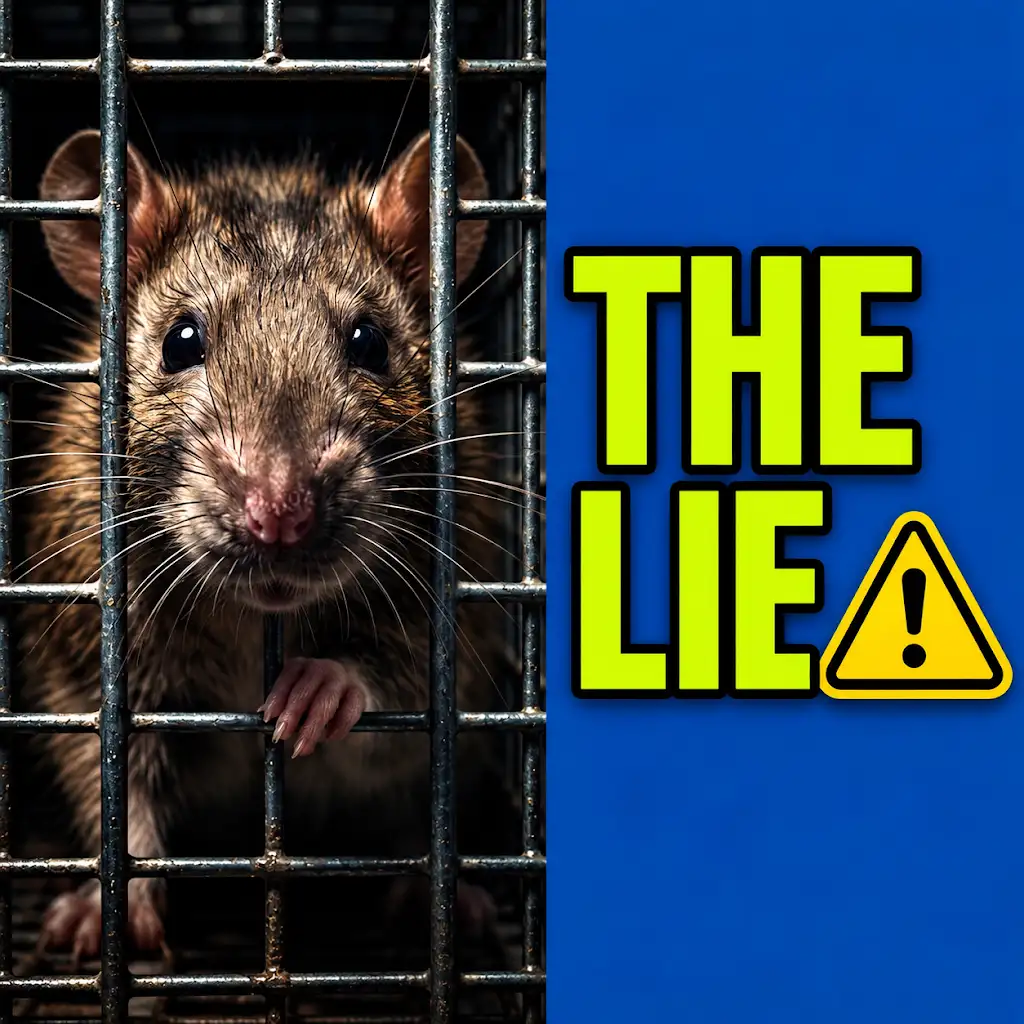
The Famous Addiction Experiment That Fooled Everyone
FAQs
What is the Rat Park experiment conducted by Alexander Hadaway?
The Rat Park experiment was a study conducted by psychologist Bruce K. Alexander and his colleagues in the late 1970s. It involved placing rats in a large, enriched environment with toys, wheels, and other rats to interact with, as opposed to the traditional isolated cages used in addiction studies.
What were the findings of the Rat Park experiment?
The findings of the Rat Park experiment suggested that rats in the enriched environment consumed significantly less morphine compared to rats in isolated cages. This led to the conclusion that environmental factors, such as social interaction and stimulation, play a crucial role in addiction.
How did the Rat Park experiment challenge traditional views on addiction?
The Rat Park experiment challenged the traditional view that addiction is solely a result of the addictive substance itself. Instead, it highlighted the importance of social and environmental factors in influencing addictive behaviors, emphasizing the need to consider holistic approaches to addiction treatment.
What implications did the Rat Park experiment have on addiction research and treatment?
The Rat Park experiment sparked discussions about the impact of social isolation and environmental deprivation on addiction. It prompted researchers to explore the role of social support, community engagement, and environmental enrichment in addiction prevention and treatment strategies.
Is the Rat Park experiment still relevant today?
Yes, the Rat Park experiment remains relevant today as it continues to influence addiction research and treatment approaches. It serves as a reminder of the complex nature of addiction and the importance of addressing underlying social and environmental factors in addiction prevention and recovery.