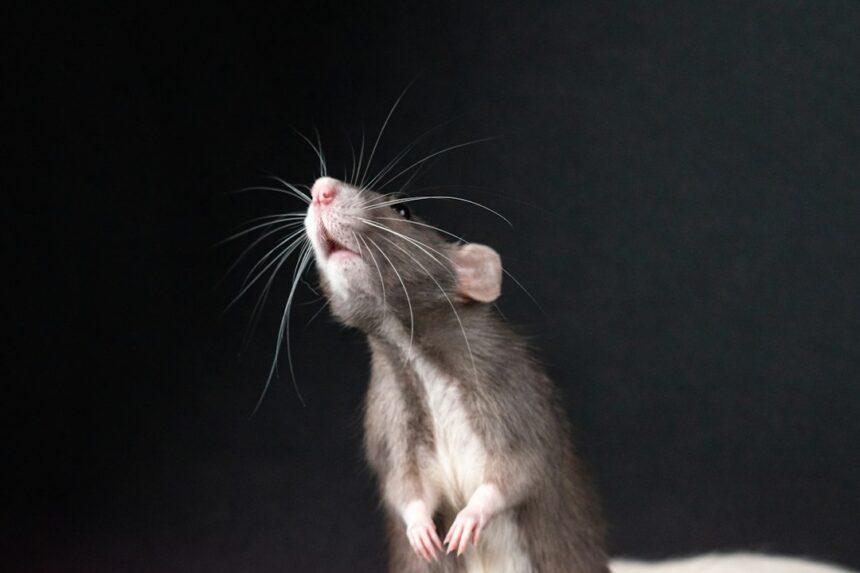
The Rat Park Experiment: A Critical Look at Addiction and Environment
The documentary “Rat Park: Addiction and Environment,” clocking in at a concise 30 minutes, offers a compelling and accessible exploration of a seminal series of studies that challenged prevailing scientific and societal understandings of addiction. It delves into the groundbreaking work conducted by psychologist Bruce Alexander and his colleagues in the late 1970s and early 1980s, work that fundamentally questioned the purely biological or chemical model of addiction and highlighted the profound influence of environmental and social factors. This film, through its narrative structure and visual presentation, aims to make complex scientific inquiry understandable to a broad audience, urging viewers to reconsider their assumptions about why individuals become and remain addicted to drugs. The documentary doesn’t just present findings; it frames them within a broader critique of societal structures and the often-stigmatizing narratives surrounding addiction.
Unearthing the Seeds of the Experiment
The genesis of the Rat Park experiments lies in a significant departure from the dominant paradigms of addiction research prevalent in the mid-20th century. Before Alexander’s work, the prevailing narrative was largely shaped by laboratory studies that isolated rats and administered drugs, leading to the conclusion that the addictive potential of a substance was an inherent property of the drug itself. This led to the development of methadone programs and other treatments that focused on replacing one addictive substance with another, based on the assumption that individuals are biologically predisposed to addiction, akin to a disease that simply needs managing. The documentary effectively sets the stage by detailing these earlier assumptions, painting a picture of a scientific community operating under a particular framework, one that, in retrospect, appears limited in its scope.
The Limitations of Early Addiction Models
The film meticulously outlines the shortcomings of the early, solely biological models of addiction. It explains how experiments conducted on isolated rats, living in barren cages with readily available drugs, consistently showed that these animals would choose to self-administer addictive substances to the point of overdose or death. This observation, while seemingly straightforward, was interpreted as definitive proof of the drugs’ overwhelming power and the inherent weakness of the individual. The Rat Park documentary highlights the critical flaw in this approach: the lack of any consideration for the social and environmental context in which the rats lived. The isolated cages, devoid of stimulation, social interaction, or any semblance of a fulfilling existence, represented a form of deprivation that was never factored into the equation. This isolation, the film argues, was a crucial confounding variable that led to a distorted understanding of addiction.
The Spark of a New Hypothesis
Bruce Alexander, observing these prevailing experimental conditions, began to question the conclusions drawn. He hypothesized that the observed drug-seeking behavior in isolated rats was not solely a testament to the drug’s addictive power, but rather a response to their impoverished environment. If an environment is bleak and unfulfilling, a readily available drug might seem like the only source of pleasure or escape. This led him to propose an alternative hypothesis: that addiction is not simply a matter of biochemical dependence, but rather a complex interplay between the individual, the substance, and their environment. The documentary effectively conveys Alexander’s intellectual curiosity and his willingness to challenge established dogma, setting the stage for the innovative experiments that were to follow. His insight was a critical pivot, suggesting that perhaps addiction was a symptom of a deeper malaise, a response to a lack of positive engagement with life.
The “Rat Park” documentary explores the impact of environment on addiction, highlighting how social and physical surroundings can influence behavior. For those interested in delving deeper into this topic, a related article can be found at Unplugged Psych, which discusses the implications of the Rat Park experiment on our understanding of substance use and mental health.
The Groundbreaking Design of Rat Park

The heart of the documentary lies in its detailed explanation and visual representation of the Rat Park experiments. This section is crucial for understanding the paradigm shift Alexander’s work represented. The film eschews dry academic prose, instead opting for clear, engaging explanations and evocative imagery to illustrate the stark contrast between the traditional laboratory cages and the meticulously designed “Rat Park.” The documentary emphasizes the intentionality behind every aspect of Rat Park, from its size and complexity to the provision of a rich social and sensory environment.
Creating a Haven for Rodents
The documentary vividly describes the construction of Rat Park. Unlike the sterile, solitary cages of previous studies, Rat Park was a spacious enclosure, approximately 200 square feet, designed to mimic a naturalistic environment as much as possible. It was filled with a variety of stimuli: running wheels, chew toys, nesting materials, and ample opportunities for exploration. Crucially, it housed social groups of rats, allowing for natural interactions, play, and the development of social hierarchies. The film uses compelling visuals to contrast the bleakness of the old cages with the vibrancy and complexity of Rat Park, making the experimental setup immediately understandable and impactful for the viewer. This meticulous attention to detail in the design of Rat Park underscores the central thesis that environment matters profoundly.
The Crucial Role of Social Interaction and Stimulation
The documentary emphasizes that the inclusion of social interaction was a deliberate and critical component of the Rat Park design. Rats are social creatures, and their well-being is intrinsically linked to their ability to engage with others. In Rat Park, the rats had companions, opportunities for grooming, and the natural ebb and flow of social dynamics. Furthermore, the abundance of engaging toys and activities provided sensory stimulation, alleviating the boredom and stress inherent in their confined, impoverished counterparts. The film skillfully illustrates how these elements were not mere conveniences but fundamental aspects of creating a truly enriched environment, one that addressed the rats’ innate needs for social connection and cognitive engagement. This focus on social and environmental enrichment is a cornerstone of the documentary’s argument.
The Revelatory Results of the Experiment
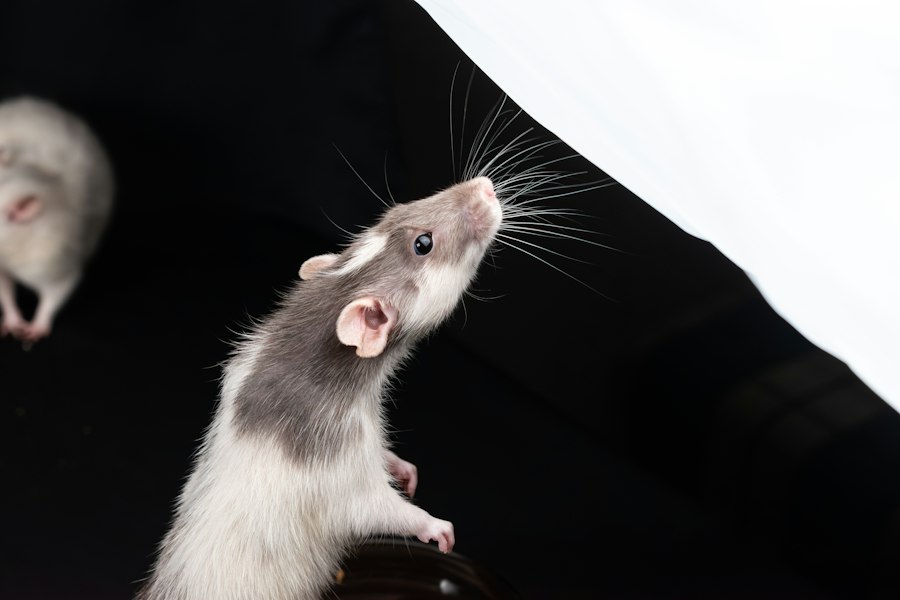
The documentary then moves to the most compelling aspect of the Rat Park experiments: the results. This section is where the film drives home its central argument by showcasing how the rats’ behavior diverged dramatically when presented with a choice between drugs in their enriched environment compared to their impoverished one. The visual representation of these outcomes is particularly effective, as the film contrasts the images of the rats in their respective environments with clear explanations of their drug consumption patterns.
The Morphine Solution Dilemma
The documentary explains that in the initial phase of the experiment, rats were given a choice between drinking regular water or water laced with morphine. In the traditional laboratory setting, the isolated rats consistently chose the morphine solution, often to the point of fatal overdose. This reinforced the idea of inherent drug addiction. However, when the same choice was presented to rats in Rat Park, the results were astonishingly different. The documentary highlights the stark contrast, showing that the rats in the enriched environment overwhelmingly chose the regular water. This finding was revolutionary, suggesting that the rats, when provided with a fulfilling life, had little inclination to seek solace or pleasure in drugs. The film makes it clear that the “addictive” nature of the drug was not absolute, but rather conditional upon the availability of a better alternative.
The Heroin Paradox
Perhaps the most striking revelation presented in the documentary is the “heroin paradox.” The film details how rats that had become dependent on morphine in the isolated cages were then introduced to Rat Park. Even with their existing dependence, once in the enriched environment with social companionship and stimulating activities, these rats significantly reduced their morphine consumption. Some even stopped entirely. This was a powerful demonstration that even established physical dependence could be overcome when the underlying psychological and environmental factors driving the drug use were addressed. The documentary uses this as a powerful illustration that addiction is not an irreversible biological trap, but a complex behavioral response that can be altered by changing the conditions of an individual’s life.
Implications for Human Addiction
The Rat Park experiments, as presented in the documentary, move beyond the realm of animal studies to delve into their profound implications for understanding human addiction. The film argues that the lessons learned from the rats offer a vital new perspective on why humans develop and maintain addictive behaviors, urging a reevaluation of societal approaches to addiction treatment and prevention. This section is where the documentary directly connects the scientific findings to the human experience, making the research resonate on a deeply personal level.
Challenging the Disease Model
The documentary directly confronts the widely held “disease model” of addiction, not by outright dismissing it, but by contextualizing it. It argues that while there may be biological components to addiction, the Rat Park findings suggest that the disease model, when viewed in isolation, is incomplete and potentially harmful. By focusing solely on the biological malfunction, it overlooks the crucial role of social isolation, trauma, economic hardship, and lack of opportunity – factors that can drive individuals to seek escape in drugs. The film posits that addiction can be understood as a coping mechanism, a maladaptive response to an unfulfilling or painful existence. This nuanced critique encourages viewers to consider addiction as a multifaceted issue with roots extending far beyond the purely biochemical.
The Importance of Social Connection and Purpose
A central theme emerging from the documentary is the critical importance of social connection and a sense of purpose in preventing and overcoming addiction. The Rat Park experiments demonstrated that when individuals (or rats) have a supportive community, meaningful activities, and a reason to engage with life, the allure of addictive substances diminishes significantly. The film draws a direct parallel to human society, suggesting that communities that foster strong social bonds, provide opportunities for personal growth, and offer a sense of belonging are likely to see lower rates of addiction. Conversely, societies characterized by isolation, alienation, and a lack of purpose may inadvertently create the very conditions that fuel addiction. This perspective offers a hopeful and empowering message: that building better environments can be a powerful tool in addressing addiction.
The concept of Rat Park, which explores the impact of environment on addiction, is fascinating and has been the subject of various discussions and analyses. For those interested in delving deeper into this topic, a related article can provide additional insights into the implications of the Rat Park experiments on our understanding of addiction and social behavior. You can read more about it in this informative piece found here. The findings from Rat Park continue to resonate in contemporary discussions about the importance of community and environment in shaping human behavior.
Reframing Societal Responses to Addiction
| Metric | Value | Notes |
|---|---|---|
| Documentary Length | 30 minutes | Runtime of the Rat Park documentary |
| Year Released | 2014 | Year the documentary was published |
| Primary Subject | Rat Park Experiment | Focus on addiction and environment |
| Number of Rats Used | Varies | Exact number not specified in documentary |
| Key Researcher | Bruce K. Alexander | Originator of the Rat Park experiment |
| Main Finding | Environment affects addiction | Rats in enriched environments consumed less morphine |
| Documentary Format | Educational/Scientific | Explains scientific research and implications |
The documentary “Rat Park: Addiction and Environment” culminates in a powerful call to action, urging a fundamental shift in how society views and addresses addiction. It moves beyond simply presenting scientific findings to advocating for policy and attitudinal changes that are informed by the understanding that environment and social well-being are paramount. The film’s concluding sections are designed to leave a lasting impression and inspire tangible change.
Moving Beyond Stigma and Punishment
The documentary strongly advocates for a move away from stigmatizing and punishing individuals struggling with addiction. It argues that the Rat Park experiments demonstrate that addiction is often a response to underlying environmental and social issues, not a moral failing or a sign of weakness. The film suggests that rather than criminalizing addiction, societies should focus on creating environments that foster well-being and provide support for those who are struggling. This involves investing in mental health services, affordable housing, job training, and community programs that combat isolation and promote a sense of belonging. The documentary challenges the punitive approach, arguing it is both ineffective and inhumane.
Towards a More Compassionate and Effective Approach
Ultimately, the documentary champions a more compassionate and effective approach to addiction. It argues that by understanding addiction as a complex interplay of biological, psychological, and social factors, we can develop interventions that are more holistic and successful. This means shifting resources from incarceration to rehabilitation and prevention, focusing on addressing the root causes of addiction rather than merely treating its symptoms. The film concludes with a hopeful vision: a society that prioritizes human connection, purpose, and well-being, thereby reducing the need for individuals to seek solace in addictive substances. The 30-minute runtime is utilized efficiently to deliver a potent message that can resonate with a broad audience, encouraging critical thinking and advocating for a more humane and evidence-based approach to one of society’s most persistent challenges.
The Famous Addiction Experiment That Fooled Everyone
FAQs
What is the Rat Park 30 minute documentary about?
The Rat Park 30 minute documentary explores the groundbreaking study conducted by psychologist Bruce K. Alexander in the 1970s, which challenged the traditional views on addiction by examining the impact of environment on drug use.
Who is Bruce K. Alexander and why is he significant in the field of addiction research?
Bruce K. Alexander is a Canadian psychologist known for his research on addiction. He gained prominence for his Rat Park study, which demonstrated the importance of social and environmental factors in addiction, contrary to the prevailing belief that addiction was solely a result of chemical dependency.
What were the key findings of the Rat Park study?
The Rat Park study found that rats in a stimulating and social environment were less likely to consume morphine-laced water compared to rats in isolated and barren cages. This suggested that environmental factors, such as social interaction and enrichment, play a significant role in addiction.
How did the Rat Park study influence the understanding and treatment of addiction?
The Rat Park study challenged the prevailing view of addiction as solely a chemical dependency issue. It highlighted the importance of social connections, environmental enrichment, and psychological well-being in preventing and treating addiction, leading to a shift in focus towards holistic approaches to addiction treatment.
Where can I watch the Rat Park 30 minute documentary?
The Rat Park 30 minute documentary may be available for viewing on various online platforms, such as streaming services, educational websites, or the official website of the production company. Check these sources to find out where you can watch the documentary.