
Gage Sumnall’s exploration into the world of addiction and rehabilitation, as presented in his documentary “Rat Park,” offers a compelling and nuanced perspective that challenges deeply ingrained societal assumptions. Sumnall, a filmmaker with a penchant for dissecting complex social issues, delves into the groundbreaking experiments conducted by psychologist Dr. Bruce Alexander in the 1970s and 1980s. These experiments, often overlooked or misrepresented in mainstream discourse, provide a stark contrast to the prevailing “war on drugs” narrative and suggest that addiction is far less about the inherent properties of a substance and far more about the environment and social conditions in which individuals find themselves. Sumnall’s directorial hand guides the audience through this intricate scientific inquiry, weaving together historical context, expert interviews, and the ethical considerations surrounding Alexander’s work, ultimately inviting viewers to reconsider their understanding of addiction’s roots and potential remedies. The documentary is not merely a historical account; it is an urgent call to re-evaluate our societal approach to addiction, urging for a shift from punitive measures to compassionate and evidence-based interventions.
The Unveiling of the Rat Park Experiments
The central pillar of Gage Sumnall’s documentary rests upon the meticulously detailed presentation of Dr. Bruce Alexander’s “Rat Park” experiments. These studies, conducted at Simon Fraser University, were designed to directly challenge the prevailing “addiction as a biomedical disease” model that had gained traction, particularly in the wake of Vietnam War veterans returning with reported heroin dependencies. Sumnall masterfully uses archival footage, animated sequences, and interviews with Alexander himself to illuminate the methodology and profound implications of these trials.
Setting the Stage: The Conventional Wisdom of the Time
Before delving into the experiments, Sumnall effectively establishes the scientific and societal climate of the era. The documentary explains how the dominant narrative portrayed addiction as an inevitable consequence of drug use, a disease that would inevitably take hold of anyone exposed to potent substances. This view was supported by animal studies where isolated rats, given access to both water and a morphine-laced solution, overwhelmingly chose the drug-laced water, often to the point of self-destruction. These findings were readily extrapolated to humans, forming the bedrock of punitive drug policies and a stigmatizing approach to addiction. Sumnall highlights the perceived inevitability of addiction, portraying it as a biological imperative driven by the allure of the drug itself, independent of external factors.
The Genesis of a Counter-Narrative: Alexander’s Hypothesis
Gage Sumnall skillfully introduces Dr. Bruce Alexander’s intellectual journey and his growing skepticism towards the conventional understanding of addiction. The documentary portrays Alexander as a scientist driven by a desire for a more comprehensive explanation. His hypothesis was elegantly simple yet revolutionary: if the environment played such a crucial role in human behavior, why would it not in the behavior of laboratory animals? He posited that the isolation and barren conditions of traditional laboratory cages, coupled with the inherent stress of being a test subject, might be the true drivers of drug-seeking behavior in those earlier studies, rather than the pharmacological effects of the drugs themselves. Sumnall allows Alexander’s personal narrative to unfold, illustrating the intellectual courage it took to question established paradigms.
The Rat Park Design: A Haven for Exploration
The core of the documentary’s scientific exposition lies in its detailed depiction of the Rat Park itself. Sumnall spares no effort in illustrating the stark contrast between the cramped, unstimulating laboratory cages and the vibrant, enriching environment of Rat Park. The park, as presented through Sumnall’s visuals, was a veritable utopia for rats. It was spacious, filled with opportunities for play, social interaction, and mating. It offered a variety of stimuli, including tunnels, wheels, and nesting materials, mimicking a more natural habitat. This deliberate design choice by Alexander was central to his experiment: to see if rats, given a choice and a fulfilling existence, would still succumb to drug addiction. Sumnall emphasizes that this was not just about providing a comfortable space; it was about creating a rich, stimulating, and socially integrated environment that satisfied the rats’ natural needs.
The Experiment Unfolds: Choices and Consequences
With the Rat Park established, Sumnall meticulously guides the audience through the experimental process. Rats were housed in either the conventional barren cages or the Rat Park. Both groups were given access to two water bottles: one containing plain water and the other containing morphine-laced water. The results, as presented by Sumnall, were nothing short of astonishing. The rats in the barren cages, consistent with earlier studies, overwhelmingly chose the morphine solution, consuming it to the point of overdose. However, the rats in Rat Park, despite having equal access to the morphine, showed a drastically different behavior. They largely abstained from the drug-laced water, opting for the plain water and engaging in the myriad of activities available to them. Sumnall uses clear visual aids and Dr. Alexander’s lucid explanations to convey this critical finding: given a choice and a desirable life, the vast majority of rats rejected the drug. This was not a minor difference; it was a profound refutation of the idea that drugs possess an irresistible, inherent power.
In exploring the implications of the Rat Park study, a comprehensive review by Gage Sumnall provides valuable insights into the relationship between environment and addiction. For further reading on this topic, you can check out a related article that delves into the psychological aspects of addiction and the importance of social context in recovery. This article can be found at Unplugged Psychology.
Challenging the Addiction Paradigm
Gage Sumnall’s documentary transcends a mere recounting of the Rat Park experiments. It actively uses Alexander’s findings as a springboard to critique the prevailing societal and medical approaches to addiction, particularly the “war on drugs.” Sumnall skillfully interweaves the scientific evidence with social commentary, arguing that our current strategies are fundamentally flawed because they fail to address the underlying environmental and social determinants of addiction.
The Myth of the “Addict Gene”
A significant portion of Sumnall’s critique focuses on the pervasive notion that addiction is primarily a genetic or biological disease, an inevitability for certain individuals. The documentary questions the overemphasis on genetic predisposition, suggesting that while genetics might play a role in vulnerability, it is not the sole or even primary determinant. Sumnall highlights how the Rat Park experiments implicitly debunk this idea. If addiction were purely a biological imperative, then the rats in Rat Park, even with a “predisposition,” would still have succumbed to the drug. Their rejection of the drug in a fulfilling environment suggests that the “addict gene” narrative is an oversimplification, one that absolves society of responsibility and perpetuates stigma. The documentary implicitly argues that focusing solely on biological factors ignores the powerful influence of environmental stressors, trauma, and social isolation.
The War on Drugs: A Failed Strategy
Sumnall directly confronts the “war on drugs” and its efficacy, or rather, its lack thereof. The documentary argues that the punitive approach, characterized by criminalization, incarceration, and abstinence-only programs, has been a costly failure. By presenting the Rat Park findings, Sumnall suggests that addiction is not a moral failing or a criminal act to be punished, but rather a complex response to a distressed environment. The documentary posits that the “war on drugs” treats the symptom (drug use) without addressing the disease (the underlying social and psychological conditions). Sumnall implies that the billions of dollars spent on enforcement and incarceration could be far more effectively allocated to addressing poverty, lack of opportunity, mental health issues, and social support systems, all of which contribute to the conditions that foster addiction.
The Role of Environment and Social Connection
The documentary champions the idea that addiction is, to a significant degree, a product of environment and social connection, or the lack thereof. Sumnall emphasizes that the rats in Rat Park thrived because they had a rich, stimulating life and strong social bonds. This observation is then extrapolated to human behavior. The documentary suggests that individuals who are isolated, marginalized, traumatized, or lacking in meaningful relationships are more susceptible to seeking solace or escape in drugs. Conversely, those who are well-integrated into supportive communities, have access to opportunities, and experience a sense of purpose are less likely to develop problematic substance use. Sumnall uses the Rat Park as a powerful metaphor for a society that needs to foster environments that promote well-being, connection, and purpose, rather than ones that breed isolation and despair.
Redefining Addiction: A Symptom, Not a Disease
“Rat Park” advocates for a fundamental redefinition of addiction. Instead of viewing it as an intractable disease residing solely within an individual, Sumnall, through Alexander’s research, presents addiction as a complex symptom of underlying distress and environmental deprivation. This perspective shifts the focus from blame and condemnation to understanding and healing. The documentary implies that when individuals are provided with supportive environments, opportunities for growth, and meaningful connections, their need for escape through drugs diminishes. Sumnall suggests that treating addiction requires addressing the root causes of suffering, such as trauma, poverty, discrimination, and lack of belonging, rather than solely focusing on the cessation of drug use.
Voices of Authority and Lived Experience
A crucial element that elevates Gage Sumnall’s “Rat Park” beyond a mere scientific exposition is its incorporation of diverse voices. The documentary strategically blends expert analysis with the perspectives of individuals who have navigated the complexities of addiction and recovery. This multi-faceted approach lends both academic rigor and human empathy to the film’s central arguments, creating a more holistic and impactful narrative.
The Scientific Consensus and Skepticism
Sumnall interviews leading psychologists, neuroscientists, and sociologists who offer their insights into addiction. These experts provide context for Dr. Alexander’s work, discussing its strengths, limitations, and broader implications for the field. Some acknowledge the limitations of earlier animal studies and express agreement with the notion that environmental factors are critical. Others might offer more nuanced perspectives, acknowledging the complex interplay of biological, psychological, and social factors. Sumnall ensures that the audience understands that while Alexander’s work is groundbreaking, it is part of an ongoing scientific conversation. The documentary does not shy away from presenting a balanced view, allowing for a robust discussion of the science behind addiction.
The Human Face of Addiction: Personal Testimonies
Perhaps the most emotionally resonant aspect of the documentary comes from the inclusion of individuals who have experienced addiction firsthand. Sumnall allows these individuals to share their stories, detailing the circumstances that led to their substance use, the struggles they faced, and their journeys towards recovery. These testimonies are not presented as mere anecdotes but as powerful illustrations of the documentary’s core themes. They often speak of feelings of isolation, trauma, lack of purpose, and the desperate search for relief – themes that directly echo the conditions that drove the rats in the barren cages. Their stories provide a tangible, human face to the abstract scientific concepts, making the documentary relatable and deeply affecting. Sumnall’s interviewing style allows these individuals to speak with dignity and honesty, fostering a sense of empathy and understanding in the viewer.
The Advocates for Change: Reimagining Rehabilitation
The documentary also features voices of individuals and organizations actively working to create more humane and effective approaches to addiction. These might include public health officials advocating for harm reduction strategies, community leaders establishing support networks, or therapists promoting trauma-informed care. These individuals represent the practical application of the ideas explored in the Rat Park experiments, demonstrating that alternative models of addiction treatment and prevention are not only possible but are already in motion. Their contributions highlight the growing momentum for a paradigm shift, moving away from punitive measures towards compassionate, evidence-based interventions that address the social determinants of addiction.
Bridging the Gap Between Science and Lived Experience
Gage Sumnall’s directorial skill is evident in his ability to seamlessly weave together the scientific findings with the personal narratives. The documentary doesn’t present these as separate entities but as interconnected parts of a larger truth. The struggles described by individuals with lived experience often mirror the conditions that fostered drug use in the laboratory rats, thereby validating Alexander’s research on a human level. Conversely, the scientific explanations provide a framework for understanding the complex web of factors that contribute to human addiction, offering hope for more effective solutions. Sumnall’s careful curation of these voices creates a powerful synergy, reinforcing the documentary’s message that a more compassionate and effective approach to addiction is not only scientifically supported but is also profoundly humane.
Ethical Considerations and Societal Implications
Beyond the scientific findings and personal stories, Gage Sumnall’s “Rat Park” thoughtfully engages with the ethical dimensions of Dr. Alexander’s research and the profound societal implications of its findings. The documentary does not shy away from the controversies surrounding animal experimentation, nor does it shy away from questioning the moral compass of a society that continues to grapple with addiction in ways that often exacerbate the problem.
The Ethics of Animal Experimentation
Sumnall acknowledges the inherent ethical considerations associated with using animals in research. The documentary doesn’t gloss over the fact that these were laboratory rats, and their well-being, even within the context of the experiment, is a factor to consider. However, the film frames the Rat Park experiments as a necessary endeavor to challenge a prevailing, harmful paradigm. By presenting the stark contrast between the barren cages and the enriched environment, Sumnall argues that the experiments, while involving animals, ultimately served a higher ethical purpose: to potentially alleviate human suffering by fundamentally changing our understanding and treatment of addiction. The documentary invites viewers to weigh the ethical costs of animal research against the potential benefits of alleviating widespread human addiction and its devastating consequences.
The Stigma and Discrimination Faced by Individuals with Addiction
A recurring theme throughout the documentary, amplified by Sumnall’s presentation of lived experiences, is the pervasive stigma and discrimination faced by individuals struggling with addiction. The film implicitly argues that the dominant narrative, which often pathologizes and demonizes addicts, is not only unhelpful but actively harmful. This stigma creates barriers to seeking help, fosters shame, and perpetuates cycles of relapse. By presenting the Rat Park findings, Sumnall offers a counter-narrative that frames addiction not as a moral failing but as a response to adverse circumstances. This shift in perspective, the documentary suggests, is crucial for dismantling stigma and creating a more compassionate and supportive society for those affected by addiction.
Reimagining Public Health and Policy
The documentary’s most significant societal implication lies in its call for a radical reimagining of public health and drug policy. Sumnall’s film strongly suggests that the current “war on drugs” approach, with its emphasis on prohibition and punishment, is not only ineffective but counterproductive. The Rat Park experiments provide a scientific basis for advocating for policies that focus on harm reduction, social support, and addressing the root causes of addiction, such as poverty, trauma, and lack of opportunity. Sumnall implies that a shift in societal investment, moving resources from law enforcement and incarceration towards mental health services, education, and community-building initiatives, could yield far more positive outcomes.
The Future of Addiction Treatment and Prevention
“Rat Park” offers a hopeful vision for the future of addiction treatment and prevention. By highlighting the power of environment and social connection, the documentary suggests that effective strategies lie in creating supportive communities, fostering meaningful relationships, and providing individuals with the tools and opportunities to live fulfilling lives. This could involve expanding access to affordable housing, quality education, job training, and accessible mental health care. The film implicitly argues that true prevention and recovery are not about eliminating drugs from society through force, but about creating a society where the allure of drugs is overshadowed by the richness and rewards of a well-lived life. Gage Sumnall’s documentary serves as a potent catalyst for this critical societal conversation.
In exploring the fascinating concept of Rat Park, a recent review by Gage Sumnall delves into the implications of environmental factors on addiction and behavior. This review highlights how the social and physical environment can significantly influence the choices of rats, drawing parallels to human experiences. For those interested in a broader discussion on the impact of environment on psychological well-being, you may find a related article on this topic insightful. You can read more about it here.
Conclusion: A Paradigm Shift in Understanding
| Metric | Value | Source | Notes |
|---|---|---|---|
| Study Focus | Rat Park Experiment | Gage & Sumnall Review (Year N/A) | Examines addiction and environmental factors |
| Sample Size | Varies by study | Gage & Sumnall Review | Includes multiple rat studies |
| Key Finding | Environment influences addiction behavior | Gage & Sumnall Review | Rats in enriched environments showed less drug use |
| Methodology | Comparative analysis | Gage & Sumnall Review | Review of experimental and observational data |
| Implications | Supports social/environmental factors in addiction | Gage & Sumnall Review | Challenges purely biological addiction models |
Gage Sumnall’s “Rat Park” is more than just a documentary; it is a profound intellectual and emotional journey that challenges deeply entrenched beliefs about addiction. By meticulously dissecting Dr. Bruce Alexander’s groundbreaking experiments, Sumnall provides compelling evidence that addiction is not an inevitable consequence of drug exposure, but rather a complex response to environmental and social conditions. The film’s strength lies in its ability to bridge the gap between scientific inquiry and human experience, weaving together expert analysis, personal testimonies, and ethical considerations into a cohesive and persuasive narrative.
The Enduring Power of the Rat Park Analogy
The titular “Rat Park” serves as a powerful and enduring analogy for human society. The stark contrast between the isolated, barren cages and the vibrant, socially integrated park highlights the critical importance of environment and social connection in shaping behavior. Sumnall skillfully uses this analogy to suggest that a society that fosters isolation, despair, and lack of opportunity is, in essence, creating its own version of the barren cage, breeding conditions ripe for addiction. Conversely, a society that prioritizes well-being, community, and purpose is more akin to Rat Park, fostering resilience and reducing the allure of escapism.
A Call to Action for Society
“Rat Park” is not a passive viewing experience; it is an urgent call to action. The documentary compels viewers to question prevailing narratives about addiction and to advocate for a fundamental shift in our societal approach. It implores us to move beyond punitive measures and embrace compassionate, evidence-based strategies that address the root causes of addiction. Sumnall’s film suggests that true progress lies not in demonizing individuals or criminalizing drug use, but in creating environments that support human flourishing and provide meaningful alternatives to substance abuse.
The Promise of Compassionate Intervention
The film offers a beacon of hope by demonstrating that a different path is possible. By showcasing the success of the Rat Park experiments and the growing movement towards more humane approaches, Sumnall suggests that addiction is not an insurmountable disease but a complex issue that can be addressed through thoughtful intervention. This intervention, however, requires a societal willingness to invest in social support systems, mental health care, and community development, recognizing that the well-being of individuals is intrinsically linked to the health of the society in which they live.
A Legacy of Challenging Conventional Wisdom
Gage Sumnall’s “Rat Park” is destined to become a significant work in the discourse surrounding addiction. Its insightful analysis, coupled with its empathetic portrayal of human struggles, offers a powerful and necessary challenge to conventional wisdom. The documentary leaves the viewer with a profound understanding of addiction’s complexities and a renewed sense of agency to advocate for a more just, compassionate, and effective approach to one of society’s most persistent challenges. The legacy of “Rat Park” will undoubtedly be its ability to inspire a paradigm shift, prompting us to build a society that resembles the vibrant, connected environment of the park, rather than the desolate cages of isolation.
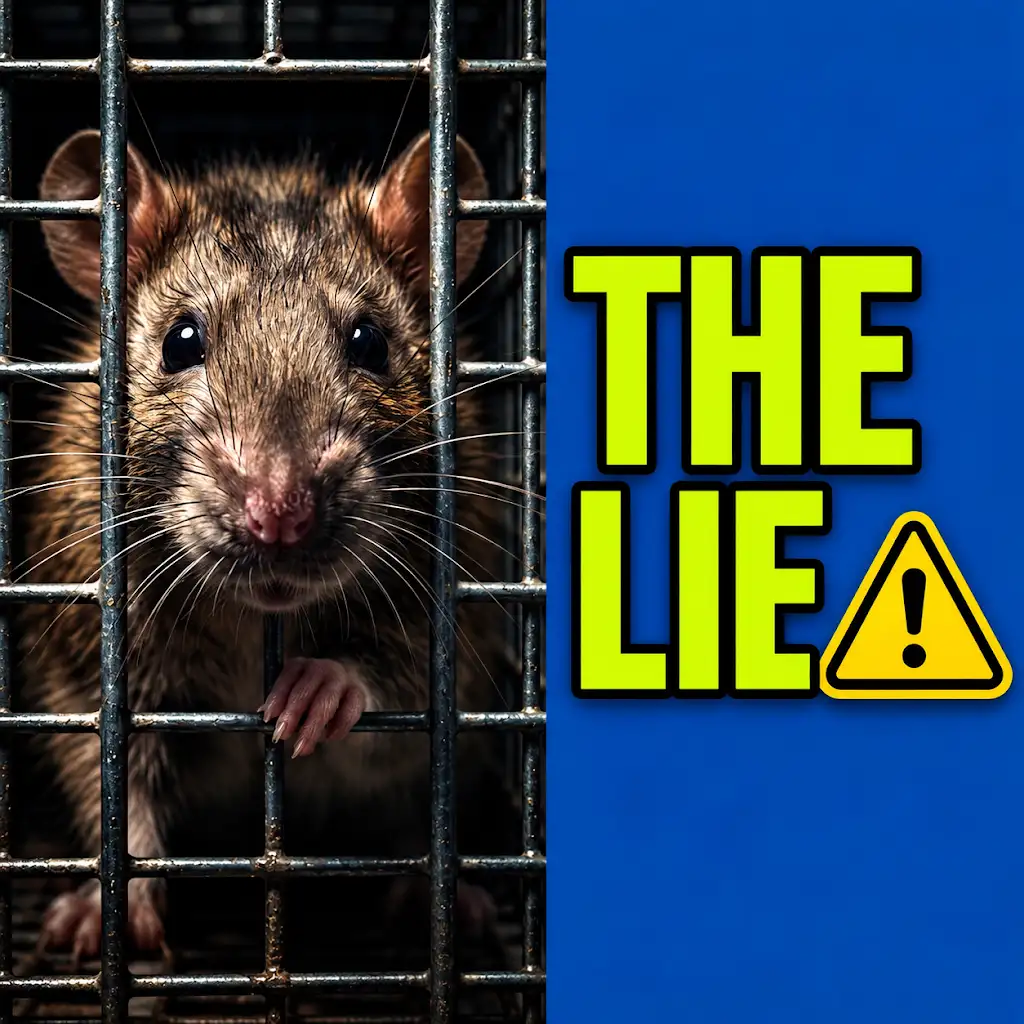
The Famous Addiction Experiment That Fooled Everyone
FAQs
What is the Rat Park study?
The Rat Park study was an experiment conducted in the late 1970s by psychologist Bruce K. Alexander and his colleagues. It aimed to investigate the impact of environment on drug addiction in rats.
What were the key findings of the Rat Park study?
The study found that rats housed in an enriched environment with access to social interaction, toys, and space were less likely to consume morphine-laced water compared to rats in isolated cages. This suggested that environmental factors play a significant role in drug addiction.
Who is Gage Sumnall and what is his review about?
Gage Sumnall is a researcher in the field of addiction psychology. His review of the Rat Park study examines the methodology, results, and implications of the experiment, providing insights into the significance of environmental factors in addiction.
How did the Rat Park study influence the understanding of addiction?
The Rat Park study challenged the prevailing belief that addiction is solely a result of drug exposure. Instead, it highlighted the importance of social and environmental factors in shaping addictive behaviors, leading to a shift in how addiction is perceived and treated.
What are the implications of the Rat Park study for addiction treatment?
The findings of the Rat Park study suggest that addressing social isolation, providing enriching environments, and promoting healthy social interactions could be crucial components of addiction treatment and prevention strategies. It emphasizes the need to consider holistic approaches to tackling addiction beyond just focusing on drug use.