You’re sitting there, perhaps in the quiet of your own living room, the remote feeling strangely heavy in your hand. The title screen of a psychology documentary about anxiety has just faded into view, and a sense of anticipation, tinged with a familiar whisper of unease, settles over you. You clicked on this for a reason, didn’t you? Maybe you’re looking for answers, for a sense of understanding, or perhaps just a reminder that you’re not alone in the storm you sometimes feel brewing inside. This documentary, you suspect, might offer a little bit of all of that.
This isn’t going to be just another dry lecture. The documentary promises to delve into the very core of what anxiety is, moving beyond the simplistic definitions that often fall short. You’ll be taken on a journey, guided by experts and, crucially, by real people who live with anxiety every single day.
The Biological Blueprint of Worry
You’ll learn about the intricate dance of neurochemicals that contribute to the anxious state. This isn’t about blame; it’s about understanding the biological underpinnings.
The Amygdala’s Alarm Bells
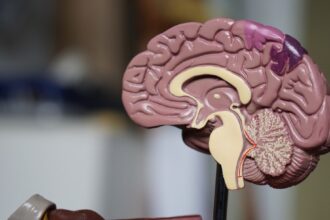
The documentary will likely shine a spotlight on the amygdala, that almond-shaped structure deep within your brain. You’ll see how it acts as your body’s early warning system, a hyper-vigilant sentinel that, in anxiety, can become far too sensitive. Images and animations will probably illustrate how this potent force can trigger the fight-or-flight response even in the absence of immediate danger, sending a cascade of stress hormones through your system. You’ll understand, perhaps for the first time, why your heart races, your palms sweat, and your mind floods with worst-case scenarios.
The Chemical Cocktail: Cortisol and Adrenaline
You’ll be introduced to the key players in this biological drama: cortisol and adrenaline. The documentary will explain how these hormones, essential for survival in genuine emergencies, can become persistently elevated in individuals with anxiety disorders. You’ll witness how this chronic oversupply can wear down your body and mind, impacting everything from your sleep patterns to your immune system. It’s not a failing on your part; it’s a biological overwhelm.
Beyond the Feeling: The Manifestations of Anxiety
Anxiety isn’t a monolithic experience. The documentary will illustrate the diverse ways it can present itself, affecting both your internal world and your external behavior.
The Overwhelming Thoughts: Cognitive Distortions
You’ll explore how anxiety warps your thinking. This isn’t just about “worrying too much.” The documentary will introduce you to cognitive distortions – common, irrational thought patterns that fuel anxiety.
Catastrophizing: Predicting the Worst
You’ll see examples of catastrophizing, where you jump to the most dire conclusion possible, even with minimal evidence. The filmmakers might show scenarios where a small mistake is interpreted as a personal disaster, or a minor inconvenience is blown up into a catastrophic event. You’ll recognize the inner voice that says, “This is the worst thing that could ever happen,” and understand how pervasive and debilitating it can be.
Black-and-White Thinking: The Absence of Nuance
The doc will likely discuss black-and-white thinking, where situations are seen as either all good or all bad, with no room for in-between. You’ll see how this rigid perspective can create unnecessary stress and disappointment. For instance, a slightly imperfect presentation at work isn’t just “not perfect”; it’s a complete failure, leading to intense self-criticism and fear of repercussions.
Overgeneralization: One Bad Experience, Many More to Come
You’ll learn about overgeneralization, where a single negative event is seen as a never-ending pattern of misfortune. Imagine a social interaction that goes a little awkwardly. For someone experiencing anxiety, this might be interpreted as definitive proof that they are fundamentally unlikable and will always struggle to connect with others. The documentary will highlight how this thought pattern can trap individuals in cycles of avoidance and self-isolation.
The Physical Toll: Somatic Symptoms
The documentary will not shy away from the very real physical symptoms that accompany anxiety. This is not “all in your head” in the dismissive sense.
The Fluttering Heart and the Tight Chest
You’ll witness firsthand accounts of chest pain, palpitations, and shortness of breath. The filmmakers might use visual representations to convey the sensation of a racing heart or a suffocating tightness in the chest, making it tangible for you, the viewer. You’ll understand that these are not imaginary ailments but physiological responses to perceived threats.
The Jittery Hands and the Restless Legs
You’ll also see descriptions of trembling, restlessness, and an inability to sit still. These physical manifestations can be incredibly disruptive, making it difficult to concentrate, relax, or even sleep. The documentary might include interviews where individuals describe their struggle with these involuntary movements, emphasizing how exhausting and embarrassing they can be.
Charting the Course: From Diagnosis to Different Forms of Anxiety
The documentary isn’t just about describing the problem; it’s about offering clarity on how these experiences are understood and categorized. You’ll gain a deeper appreciation for the nuances of anxiety disorders.
The Spectrum of Anxiety Disorders
anxiety, the documentary will meticulously dissect the various forms it can take, moving beyond a generalized understanding.
Generalized Anxiety Disorder (GAD): The Constant Hum of Worry
You’ll be introduced to Generalized Anxiety Disorder (GAD), perhaps the most pervasive form. You’ll hear how individuals with GAD experience excessive, persistent worry about a range of everyday things – finances, health, work, family – even when there’s little or no reason to worry. The documentary might use metaphors to illustrate this constant internal monologue of concern, like a perpetual low-grade hum that never quite goes away. You’ll understand that this isn’t about a specific phobia, but an all-encompassing cloud of apprehension.
Social Anxiety Disorder: The Fear of Judgment
The documentary will likely dedicate significant time to Social Anxiety Disorder (SAD). You’ll witness the intense fear of being scrutinized or judged by others, leading to avoidance of social situations. You’ll see powerful testimonials from people who struggle with public speaking, everyday conversations, or even eating in front of others, their internal world a battlefield of self-consciousness and dread. The filmmakers might use split screens to show the external calmness of an individual and the internal turmoil they are experiencing, highlighting the hidden nature of this struggle.
Panic Disorder: The Sudden Storms
You’ll also explore Panic Disorder, characterized by recurrent, unexpected panic attacks. The documentary will vividly depict the sudden, overwhelming surge of fear, accompanied by intense physical symptoms like dizziness, nausea, and a feeling of losing control. You’ll hear about the anticipatory anxiety that can follow, the constant fear of the next attack, leading to avoidance of places and situations where they previously experienced a panic attack. The visual portrayal of a panic attack might involve rapid cuts, distorted imagery, and a heightened soundscape to convey the sheer terror and disorientation.
Specific Phobias: The Intense, Focused Fear
The documentary will touch upon specific phobias – intense, irrational fears of particular objects or situations. You’ll learn how these fears can be so overwhelming that they significantly impair an individual’s life, leading them to go to extreme lengths to avoid their phobic trigger. Examples might range from arachnophobia (fear of spiders) to acrophobia (fear of heights), and you’ll understand the disproportionate and debilitating nature of these specific fears.
The Diagnostic Landscape: How it’s Identified
Understanding how anxiety disorders are identified is crucial for demystifying the condition. The documentary will likely shed light on this process.
The Role of Mental Health Professionals
You’ll hear from psychologists and psychiatrists explaining their diagnostic process. They’ll talk about using clinical interviews, standardized assessment tools, and observing patterns of behavior and thought. This isn’t guesswork; it’s a careful and systematic evaluation of an individual’s experiences.
Moving Beyond Self-Diagnosis
The documentary will likely emphasize the importance of professional diagnosis, discouraging self-diagnosis from online resources. While understanding is valuable, a qualified professional can accurately identify the specific type of anxiety disorder and rule out other potential conditions.
The Roots of the Struggle: Understanding the Influences
Why do some people develop anxiety disorders while others don’t? This documentary will delve into the complex interplay of factors that contribute to their development.
The Genetic Predisposition: Inherited Tendencies
You’ll learn that there’s a genetic component to anxiety. This doesn’t mean you’re destined to experience anxiety, but rather that you might have a slightly higher susceptibility.
The Family Tree of Worry
The documentary might use analogies or graphics to explain how certain genetic variations can influence the way your brain processes stress and regulate emotions. You’ll understand that this is not a deterministic sentence but a factor that can interact with environmental influences.
Environmental Triggers: Shaping Your Experience
Beyond genetics, your environment plays a significant role in the development of anxiety.
Childhood Experiences: The Foundation of Well-being
You’ll gain insight into how early life experiences, such as trauma, neglect, or inconsistent parenting, can profoundly shape an individual’s vulnerability to anxiety. The documentary might show how developing a secure attachment style in childhood is crucial for building resilience.
Significant Life Events: Stressors and Turning Points
The documentary will explore how major life events, both positive and negative, can act as triggers. These can include events like job loss, relationship breakdowns, illness, or even significant achievements. You’ll learn how the way individuals cope with these stressors can influence their mental health.
Societal Pressures: The Modern World’s Demands
In today’s fast-paced world, you’ll likely see discussions about societal pressures contributing to anxiety. The constant barrage of information, the demands of social media, and the economic uncertainties can all create a fertile ground for worry. The documentary might highlight how a culture of striving and perfectionism can exacerbate anxious tendencies.
The Pathways to Peace: Effective Treatments and Coping Strategies
Perhaps the most hopeful and valuable part of this documentary will be its exploration of how to manage and overcome anxiety. You’ll leave with a sense of agency and actionable steps.
Therapeutic Interventions: Talking Your Way to Calm
The documentary will showcase the effectiveness of various therapeutic approaches.
Cognitive Behavioral Therapy (CBT): Rewiring Your Thoughts
You’ll likely witness compelling examples of Cognitive Behavioral Therapy (CBT) in action. This highly effective therapy focuses on identifying and challenging negative thought patterns and replacing them with more balanced and realistic ones. You’ll see how individuals learn to recognize their cognitive distortions and develop strategies to interrupt them, gradually reducing the power of anxious thoughts. The filmmakers might use before-and-after scenarios to demonstrate the tangible benefits of CBT.
Exposure Therapy: Facing Your Fears Gradually
For specific phobias and even social anxiety, exposure therapy will probably be a highlighted treatment. You’ll learn how this method gradually exposes individuals to their feared situations or objects in a safe and controlled environment, allowing them to build tolerance and reduce their fear response. You might see individuals engaging in systematic desensitization, starting with less intimidating exposures and moving towards more challenging ones, celebrating each small victory.
Mindfulness-Based Therapies: Cultivating Present Moment Awareness
The documentary will likely explore the power of mindfulness-based therapies, such as Mindfulness-Based Stress Reduction (MBSR). You’ll learn how these approaches teach individuals to focus on the present moment without judgment, observing their thoughts and feelings without getting caught up in them. This can be a powerful tool for disengaging from anxious rumination and finding a sense of inner calm. Visualizations of meditation or breathing exercises might be incorporated to illustrate these techniques.
Medication: A Tool in the Toolkit
The documentary will address the role of medication in managing anxiety disorders.
Understanding the Different Classes of Medication
You’ll learn about the different types of medications used to treat anxiety, such as Selective Serotonin Reuptake Inhibitors (SSRIs) and Benzodiazepines, and their mechanisms of action. The documentary will emphasize that medication is often most effective when used in conjunction with therapy.
The Importance of Professional Guidance
Crucially, the documentary will stress the importance of consulting with a medical professional for any decisions regarding medication. It will likely highlight that while medication can be a powerful tool, it’s a personalized journey with potential side effects and that ongoing monitoring is essential.
Lifestyle Adjustments: Empowering Your Well-being
Beyond formal treatments, the documentary will empower you with practical lifestyle changes that can significantly impact your anxiety levels.
The Power of Physical Activity
You’ll see how regular exercise can be a potent anxiety reducer. The documentary will explain the physiological benefits – the release of endorphins, the reduction of stress hormones – and how physical activity can provide a much-needed distraction from anxious thoughts. You might observe individuals engaging in activities like running, yoga, or even simply going for a walk, experiencing the tangible shift in their mood and energy levels.
The Importance of Sleep Hygiene
The documentary will underscore the critical role of sufficient and quality sleep. You’ll learn about strategies for improving sleep hygiene, such as establishing a consistent sleep schedule, creating a relaxing bedtime routine, and optimizing your sleep environment. You’ll understand how sleep deprivation can significantly exacerbate anxiety symptoms.
Nutrition and Its Impact
You’ll likely find information on how diet can influence your mental well-being. The documentary might discuss the impact of processed foods, sugar, and caffeine, and encourage a balanced diet rich in whole foods, which can contribute to a more stable mood.
Building a Supportive Network
The documentary will emphasize the strength found in connection. You’ll see how fostering strong relationships with friends, family, or support groups can provide a vital buffer against anxiety. Sharing your experiences and knowing you’re not alone can be incredibly validating and empowering.
Finding Your Path Forward: Hope and Resilience
As the documentary draws to a close, you’ll be left with a profound sense of understanding and, hopefully, a renewed sense of hope. This isn’t about eradicating anxiety entirely, but about learning to live with it, manage it, and ultimately thrive.
The Journey of Recovery: It’s Not a Destination
You’ll understand that recovery is not a linear path. There will be ups and downs, good days and challenging ones. The documentary will highlight the importance of self-compassion and patience with yourself throughout this ongoing journey.
Embracing Resilience: The Inner Strength Within You
The documentary will likely showcase stories of incredible resilience. You’ll witness individuals who have faced significant challenges with anxiety and have found ways to not just cope, but to flourish. This will serve as a powerful reminder of your own inherent strength and capacity for growth.
The Power of Self-Advocacy: Taking Control of Your Mental Health
Ultimately, this documentary is an invitation. It’s an invitation to understand yourself better, to seek the help you deserve, and to actively participate in your own well-being. You’ll feel empowered to advocate for yourself, to communicate your needs, and to make informed choices about your mental health journey. You’ve invested time in watching this; now, take that knowledge and nurture the seeds of change within yourself.