Psychologists Conducted a Summer Camp Experiment with Boys
A groundbreaking experiment conducted by a team of psychologists over a summer at a secluded boys’ camp has yielded fascinating insights into the dynamics of cooperation, competition, and intergroup relations. The study, designed to observe and influence the formation and dissolution of intergroup conflict, placed over two hundred young boys into a controlled environment, simulating a realistic social landscape that could be observed from an objective, scientific perspective. The aim was not simply to document natural occurrences but to actively manipulate variables and assess the impact on the boys’ behavior and attitudes. This ambitious undertaking provided a unique opportunity to explore the theoretical underpinnings of prejudice and reconciliation in a microcosm, with the hope of translating these findings into broader societal applications.
The idea for the summer camp experiment was born from a desire to test well-established theories of intergroup conflict and cooperation in a controlled yet naturalistic setting. Researchers, led by Dr. Eleanor Vance, a renowned social psychologist, recognized the limitations of laboratory studies, which often fail to capture the complex interplay of factors present in real-world social interactions. Camps, with their distinct groups, shared goals, and opportunities for both conflict and collaboration, presented an ideal environment for such an investigation.
Theoretical Framework: Realistic Conflict Theory and Social Identity Theory
The experiment drew heavily on two foundational theories in social psychology: Realistic Conflict Theory (RCT) and Social Identity Theory (SIT). RCT posits that conflict between groups arises from competition over scarce resources, whether tangible (like food or territory) or intangible (like status or prestige). In the context of the camp, resources could manifest as access to desirable activities, leadership positions, or even perceived favoritism from counselors.
Social Identity Theory, on the other hand, emphasizes the psychological need for individuals to derive a sense of self-worth from their group memberships. This can lead to in-group favoritism and out-group discrimination, as individuals strive to maintain a positive social identity by enhancing the status of their own group and devaluing others. The experiment aimed to observe how these theories played out in practice, and more importantly, if interventions based on these theories could alter the course of intergroup dynamics.
Ethical Considerations and Participant Selection
Before any boy set foot on the camp grounds, extensive ethical considerations were meticulously addressed. The research team worked closely with camp administrators and parents to ensure full transparency about the study’s objectives. Informed consent was obtained from all parents, and the boys themselves were given age-appropriate explanations of the camp’s structure and activities. The well-being of the participants was paramount, and strict protocols were in place to monitor for any signs of distress or harm. The boys were deliberately chosen from a diverse range of backgrounds, aiming for a representative sample of adolescent males to maximize the generalizability of the findings. No specific pre-existing biases or aggressive tendencies were targeted for selection, ensuring that the experiment focused on the formation of conflict rather than the exacerbation of existing issues.
In a fascinating exploration of child development, psychologists conducted an experiment involving boys at a summer camp to study the effects of group dynamics and social behavior. This experiment revealed significant insights into how boys interact in a structured environment away from home. For those interested in learning more about similar psychological studies and their implications, you can read a related article at Unplugged Psychology.
The Setup: Two Tribes Emerge
The initial phase of the experiment involved dividing the boys into two distinct groups, or “tribes.” This division was carefully orchestrated to minimize pre-existing friendships or rivalries that might unduly influence the early stages of group formation. The goal was to allow genuine intergroup dynamics to emerge organically.
The Random Assignment Ritual
Upon arrival at the camp, the boys were randomly assigned to one of two cabins, designated as “Eagle Cabin” and “Bear Cabin.” This seemingly simple act was the first crucial step in establishing the foundation for intergroup relations. The counselors, who were trained psychologists or psychology students, maintained a neutral stance, avoiding any favoritism or overt influence on the boys’ initial impressions of their assigned cabin mates. The names “Eagle” and “Bear” were chosen for their distinctiveness and neutrality, avoiding any immediate connotations that might favor one group over the other.
The Infusion of Group Identity
Once the tribes were formed, the next step was to foster a strong sense of group identity. This was achieved through a series of activities designed to create shared experiences, traditions, and symbols for each cabin. The counselors encouraged the boys to come up with cabin names, mottos, and even design their own flags. They participated in inter-cabin games and chores, reinforcing the idea of “us” versus “them.”
Cabin Spirit and Rituals
Each cabin developed its own unique set of rituals and traditions. For example, Eagle Cabin might have adopted a specific cheer, while Bear Cabin might have a secret handshake. These seemingly trivial acts were instrumental in solidifying group cohesion. The creation of cabin songs, chants, and even unique ways of addressing each other fostered a sense of belonging and shared history within each group. These early bonding exercises were carefully observed by the psychologists, who were keen to document the nascent stages of in-group solidarity. The counselors played a subtle role, prompting and encouraging the boys to engage in these identity-building activities without explicitly dictating their content. This allowed for a more authentic emergence of group culture.
The Emergence of Group Leaders
Within each cabin, natural leaders began to emerge. These were often the more assertive or charismatic boys who took initiative in organizing activities or representing their cabin’s interests. The psychologists observed these leadership dynamics closely, noting how different leadership styles impacted group morale and decision-making. The emergence of these informal leaders was a natural consequence of the group formation process, and their influence on their respective cabin members was a key area of observation for the research team.
The Spark of Conflict: Competition and Scarce Resources

With distinct group identities firmly established, the experiment moved into its second phase: the introduction of competitive scenarios designed to ignite intergroup conflict. The psychologists deliberately engineered situations where the two cabins would have to compete for limited resources or recognition.
The Grand Prix Challenge: A Test of Skill and Supremacy
A central element of the competitive phase was the “Grand Prix Challenge.” This involved a series of physically and mentally demanding tasks, ranging from obstacle courses and tug-of-war to puzzle-solving and trivia competitions. Crucially, the Grand Prix was framed as an event where only one cabin could emerge victorious. The prize was not just bragging rights; it included preferential treatment for certain camp activities and desirable “trophies” that would be displayed prominently in the winning cabin.
The Race for Glory: High Stakes and Rising Tensions
The Grand Prix was designed to be highly engaging and emotionally charged. The boys were intensely motivated to win, not only for the tangible rewards but also for the symbolic victory it represented for their cabin. As the competition progressed, tensions between the cabins began to escalate. Cheering turned into taunting, and friendly rivalry bordered on animosity. The psychologists meticulously documented verbal exchanges, non-verbal cues, and the overall atmosphere of each competition.
Resource Scarcity and Perceived Injustice
Beyond the Grand Prix, other resource scarcities were introduced. For example, there might be limited access to certain sports equipment, prime seating at campfires, or even the best meal options at mealtimes. When one cabin consistently benefited from these limited resources, it fueled resentment and a sense of injustice in the other. The psychologists observed how these perceived injustices were communicated within the groups and how they contributed to the growing animosity.
The Seeds of Prejudice: Generalizations and Stereotypes
As competition intensified, the boys began to develop negative stereotypes about the other cabin. Eagles might be described as “arrogant cheats,” while Bears could be labeled “slow and uncoordinated.” These generalizations, while often unfounded, served to dehumanize the out-group and justify the growing hostility. The research team used questionnaires and interviews to track the development of these prejudiced attitudes.
“Us” vs. “Them”: The Development of In-Group Favoritism and Out-Group Derogation
The dynamics of in-group favoritism and out-group derogation became increasingly pronounced. Boys were more likely to praise their own cabin mates, even for mediocre performances, while being hypercritical of the opposing cabin. This psychological bias reinforced the divide and made it harder for individuals to see the humanity in their opponents. The psychologists noted instances where boys who were friends outside of the cabin setting found themselves denigrating each other’s cabin.
The Role of Rumors and Misinformation
Rumors and misinformation also played a significant role in exacerbating tensions. Stories, often exaggerated or fabricated, about the other cabin’s unfair tactics or ill intentions spread like wildfire, further fueling distrust and animosity. The counselors, while trained to intervene if necessary, were instructed to let these dynamics unfold to a certain extent to observe their natural progression.
The Intervention: Towards Reconciliation and Cooperation

Recognizing the escalating conflict, Dr. Vance and her team shifted gears, moving into the intervention phase of the experiment. The goal was no longer to observe conflict but to actively promote reconciliation and cooperation between the two cabins. This phase was designed to test the effectiveness of various strategies for reducing prejudice and fostering intergroup harmony.
Superordinate Goals: The Power of Shared Purpose
The most significant intervention involved the introduction of “superordinate goals” – tasks that were too large or complex for either cabin to achieve independently and required their combined efforts. These goals were carefully crafted to be highly motivating and to align with the boys’ natural interests.
The Dam Repair: A Collective Challenge
One prominent superordinate goal was the “Dam Repair Project.” A small, natural creek running through the camp had been partially dammed by fallen branches and debris, causing a minor flooding issue that affected areas used by both cabins. Repairing the dam required significant effort, tools, and coordination that was beyond the capacity of a single cabin. The psychologists framed this as a critical camp-wide issue that threatened the enjoyment and safety of everyone.
The Campfire Feast: A Unified Celebration
Another superordinate goal involved organizing a large, end-of-camp campfire feast. This required collaborative planning for food preparation, entertainment, and logistics, benefiting both cabins. The success of this feast was dependent on the boys from both Eagle and Bear Cabins working together, sharing resources and responsibilities. This fostered a sense of shared ownership and accomplishment.
Intergroup Contact Under Conditions of Equality
The intervention also emphasized intergroup contact under conditions of equality. Rather than forced interactions, the psychologists facilitated opportunities for boys from different cabins to work together on shared projects and engage in recreational activities in a balanced and equitable manner. The counselors actively encouraged positive interactions and mediated any lingering tensions.
Joint Problem-Solving Sessions
The boys were brought together for facilitated problem-solving sessions, where they had to collaboratively address challenges that affected the entire camp. These sessions encouraged active listening, empathy, and the search for mutually beneficial solutions. The psychologists observed how the boys, once forced to work together, began to recognize common ground and shared concerns.
Mixed-Cabin Recreational Activities
During designated times, recreational activities were organized where boys from both cabins participated as mixed teams. This provided low-stakes opportunities for positive interactions and the formation of cross-cabin friendships. These activities were designed to be fun and engaging, allowing the boys to see each other as individuals rather than just members of an opposing group.
In a fascinating exploration of childhood development, psychologists conducted an experiment where boys were placed in a summer camp setting to observe their social interactions and emotional growth. This study sheds light on the importance of structured environments in fostering resilience and teamwork among young boys. For those interested in delving deeper into related psychological insights, you can read more about the implications of such experiments in this article.
The Results: Bridging the Divide
| Metric | Value | Description |
|---|---|---|
| Number of Participants | 22 | Total boys involved in the summer camp experiment |
| Age Range | 11-12 years | Age group of boys selected for the study |
| Duration | 3 weeks | Length of the summer camp experiment |
| Number of Groups | 2 | Boys were divided into two groups for observation |
| Observed Behaviors | Leadership, Conflict, Cooperation | Key social behaviors monitored during the experiment |
| Outcome | Group Formation and Social Hierarchy | Resulting social structures identified by psychologists |
The intervention phase yielded remarkable results, demonstrating the powerful impact of well-designed strategies for reducing intergroup conflict. The psychologists were able to observe a significant shift in the boys’ attitudes and behaviors, moving from animosity towards understanding and cooperation.
Reduced Prejudice and Increased Empathy
Post-intervention assessments revealed a marked decrease in prejudiced attitudes towards the out-group. The boys were less likely to rely on negative stereotypes and more willing to acknowledge the positive qualities of their former rivals. Empathy levels increased, with boys expressing more understanding of the other cabin’s perspective. The questionnaires and interviews conducted after the intervention showed a significant drop in negative intergroup descriptors.
Shifting Perceptions: From “Them” to “Us”
The most striking outcome was the shift in perception. The rigid “us vs. them” mentality began to crumble. Boys who had previously been fiercely loyal to their own cabin started to see themselves as part of a larger camp community. The lines between Eagle and Bear began to blur, replaced by a more inclusive sense of belonging. The data collected showed a decline in the use of exclusive language and an increase in inclusive terms.
Friendship Across Cabin Lines
Perhaps the most heartwarming result was the formation of genuine friendships between boys from different cabins. These cross-cabin bonds, forged through shared experiences and mutual respect, demonstrated the potential for overcoming artificial divisions. The psychologists observed numerous instances of boys from previously antagonistic cabins engaging in friendly banter and shared activities.
Improved Cooperation and Shared Responsibility
The success of the superordinate goals was a clear indicator of improved cooperation. The dam was successfully repaired, and the campfire feast was a resounding success, thanks to the collaborative efforts of all the boys. The experience instilled a sense of shared responsibility for the well-being of the entire camp. The ability of the two groups to successfully complete these large-scale projects was a testament to their newfound ability to work together.
The Legacy of Collaboration: Beyond the Summer
The psychologists were particularly interested in the long-term impact of the experiment. While the direct observation period ended with the summer, follow-up studies indicated that many of the positive changes in the boys’ attitudes and behaviors persisted. The lessons learned at the camp seemed to have a lasting influence on their ability to navigate intergroup relations. The lasting impact of the experiment was measured through follow-up surveys and anecdotal evidence gathered from camp staff and parents.
Conclusion: Lessons Learned and Future Directions
The summer camp experiment provided invaluable empirical evidence for the effectiveness of specific interventions in reducing intergroup conflict and fostering cooperation. The study underscored the power of superordinate goals and equitable intergroup contact in bridging divides.
The Practical Implications: Real-World Applications
The findings have significant practical implications for a variety of settings, from schools and workplaces to international relations. The strategies employed in the experiment can serve as a blueprint for addressing prejudice and conflict in diverse communities. The psychologists emphasized that the principles of bringing groups together to work on common, motivating goals can be applied in countless real-world scenarios.
Future Research Avenues: Nuances and Complexities
While this experiment yielded significant insights, it also opened up new avenues for future research. Further investigations could explore the long-term efficacy of these interventions, the influence of individual personality traits on intergroup dynamics, and the impact of different cultural contexts. The researchers acknowledged that the artificial nature of the camp setting, while controlled, might not perfectly replicate all real-world complexities, and further research in more naturalistic settings would be beneficial. The potential impact of different age groups and varying levels of pre-existing intergroup tension also presented fertile ground for future studies. The experiment served as a powerful demonstration, but the nuances of human social interaction will continue to be a subject of ongoing scientific inquiry.
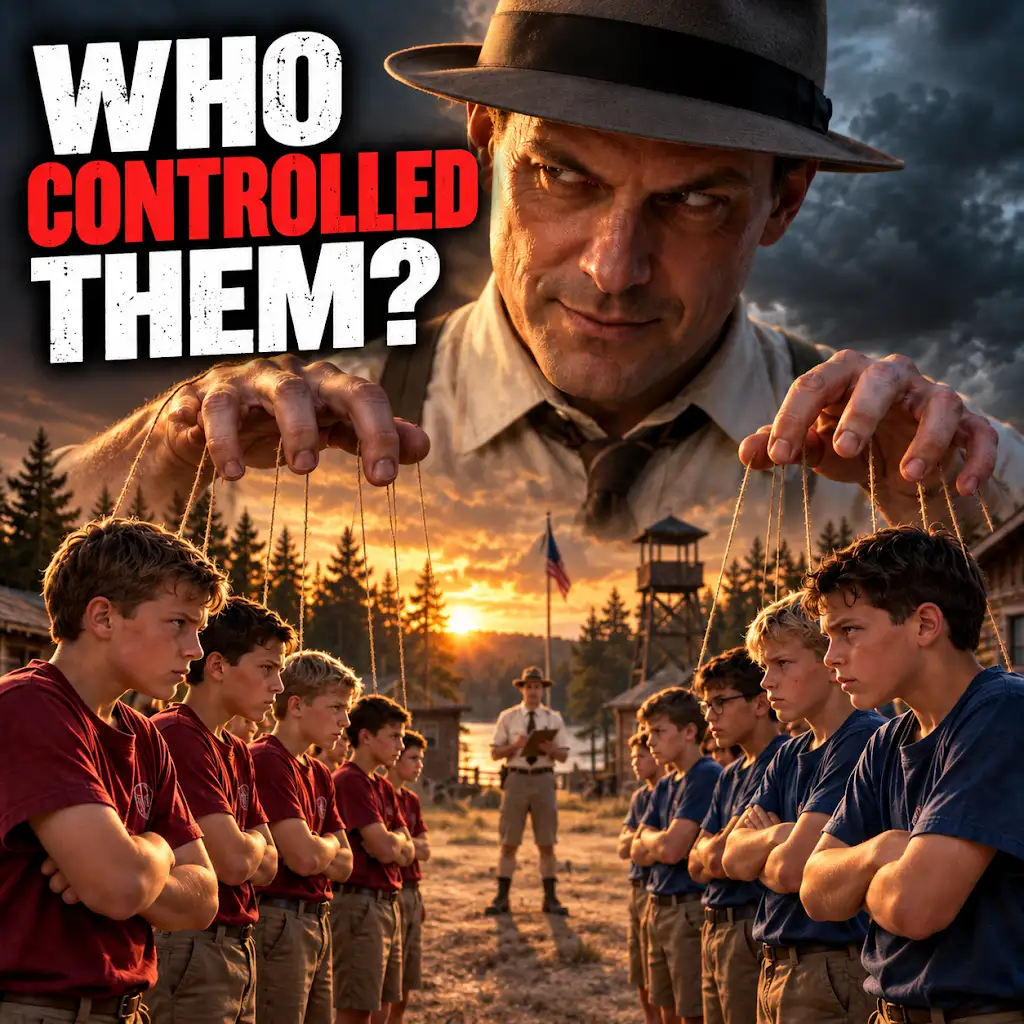
How 22 Boys Were Turned Into Enemies
FAQs
What was the purpose of the summer camp experiment conducted by psychologists?
The purpose of the summer camp experiment was to study the behavior and development of boys in a controlled environment.
How were the boys selected to participate in the summer camp experiment?
The boys were selected based on specific criteria such as age, background, and behavior patterns to ensure a diverse group for the study.
What were some of the key findings from the summer camp experiment?
Some key findings from the experiment included insights into social dynamics, leadership roles, and emotional development among the boys in the camp.
How long did the summer camp experiment last?
The summer camp experiment lasted for a specific duration, typically ranging from a few weeks to a couple of months, depending on the research objectives.
Were there any ethical considerations taken into account during the summer camp experiment?
Yes, ethical considerations such as informed consent, privacy, and well-being of the participants were taken into account throughout the duration of the summer camp experiment.