
You stare at your phone, the glowing screen a portal to a thousand potential dramas. The message, a mere string of words, has somehow morphed into an existential crisis. You’ve typed it out, deleted it, retyped it, and now it sits, unread, a tiny digital bomb ticking in your pocket. Welcome to the treacherous landscape of overthinking text messages, where the perils of misinterpretation can transform a casual exchange into a full-blown mental marathon.
This isn’t about a lack of understanding the English language; it’s about the inherent limitations of the medium itself. Texting, devoid of vocal inflections, facial expressions, and body language, strips away crucial layers of context. It’s like trying to appreciate a symphony through a tin can – you get the notes, but the richness, the emotion, the nuanced meaning, can easily be lost or distorted. You’re left to fill in the blanks, and unfortunately, your overthinking brain is often a master of filling them with the worst-case scenarios.
The Ghost of Tone Past: When Words Become Weapons
You’ve received it. The message. It’s short. Perhaps too short. A single word, or a curt phrase. Your mind immediately races. Was that sarcasm? Was it passive-aggression? Are they angry? Are they disappointed? The absence of a smiley face, a playful emoji, or even a simple exclamation mark, can feel like a deliberate omission, a coded message of displeasure. You scan the message for hidden meanings, for unspoken subtext, treating every punctuation mark as a potential landmine.
The Punctuation Puzzle
A period. So innocent, so unassuming. But in the realm of overthinking texts, a period at the end of a sentence can be a sign of anger, finality, or even contempt. A simple “Okay.” can feel like a slammed door compared to “Okay!”. You’ve probably experienced this yourself. You send a friendly message, and the reply comes back with a stark, unadorned period. Your brain screams, “They’re mad at me!” You begin to dissect the entire conversation, rewinding your own words, searching for the moment you unknowingly stepped on their toes.
The Ellipsis Enigma
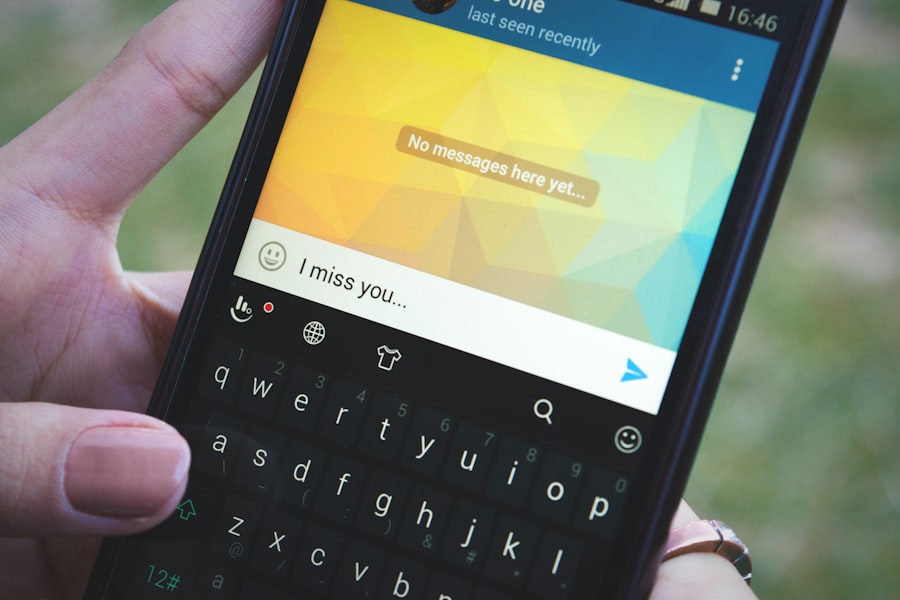
And then there are the dreaded ellipses… What do they mean? Are they trailing off in thought, genuinely contemplating something? Or are they leaving you hanging, implying there’s more to say but they won’t? You might imagine them pausing, a dramatic sigh escaping their lips before typing out those three little dots, leaving you in suspense and stewing in your own anxiety. The ellipsis can be a placeholder for unspoken criticism, a subtle hint that they’re holding back.
The Emoji Enigma: More Than Meets the Eye
Emojis, ostensibly designed to add flavor and clarity, often become another source of confusion. You send a cheerful message, accompanied by a smiley face. Their reply lacks any smiley, or worse, includes a neutral face. Is that a polite dismissal? Are they indifferent? You might even send a heart emoji, only to receive a thumbs-up in return. Your internal monologue kicks in: “A thumbs-up? That’s so… impersonal. What does that even mean? Are they not interested?”
The Case of the Missing Emoji
Conversely, the absence of a commonly used emoji can be just as damning. You expect a laughing emoji after a funny story, but it never arrives. Your interpretation? They didn’t find it funny. They’re not amused. They might even be bored. You’re left wondering if your joke landed, or if you’ve committed some comedic faux pas. The internal debate rages: “Should I send another joke? Should I apologize for being unfunny? What if they think I’m trying too hard?”
If you often find yourself overthinking text messages, you might find it helpful to explore the insights provided in this related article. It delves into the psychological factors that contribute to overanalyzing communication and offers practical strategies to help you manage these thoughts more effectively. For more information, you can read the article here: Understanding Overthinking in Text Communication.
The Silent Treatment: The Terror of the Unread
The most potent form of text-based anxiety often stems from silence. The message has been sent. It’s been delivered. And then… nothing. Minutes stretch into hours, hours into what feels like an eternity. Your phone sits beside you, a constant, silent reminder of their non-response. Every ping and buzz from other apps is a false alarm, a cruel trick of the light. You can feel your heart rate quicken with each passing moment.
The Read Receipt Riddle
Ah, the read receipt. A double-edged sword. On one hand, you know they’ve seen your message. On the other, you now have irrefutable proof that they are choosing not to reply. This is where the overthinking truly ignites. They’ve read it. They’ve processed the words. And they’ve decided to ignore you. Why? What did you say? Was it offensive? Was it boring? Did you ask for too much? You’re trapped in a loop of self-recrimination and speculation.
The “Online” Status Oracle
And if read receipts aren’t available, there’s always the “last seen” or “online” status. You see they’ve been active on other apps, or even just changed their profile picture. The message you sent, the one you’re anxiously awaiting a response to, is clearly not their priority. This fuels the feeling of being ignored, of being less important than whatever digital distraction they’ve chosen. You might start to question the entire dynamic of your relationship, all based on their online presence (or lack thereof).
The Delayed Response Dilemma
Even when a response eventually arrives, the delay itself can be a source of anxiety. Why the wait? Were they deliberately crafting a witty, dismissive reply? Were they busy, or were they making you wait? You might imagine them poring over your message, weighing their options, deciding how to respond in a way that maintains their perceived power in the conversation. The longer the delay, the more elaborate your imagined scenarios become.
The “Typing…” Tease
And the “typing…” indicator. This can be the ultimate tease. You see the little dots appear, your anticipation soaring. You brace yourself for the reply, the resolution, the end of this digital purgatory. Then, it vanishes. And reappears. And vanishes again. You’re left in a state of suspended animation, your nerves frayed by the on-again, off-again nature of their response. It can feel like they’re playing games with you, prolonging your agony.
The Subtextual Scavenger Hunt: Reading Between the Lines
When you’re overthinking text messages, the words on the screen are merely the tip of the iceberg. You’re a detective, a literary critic, an amateur psychologist, all rolled into one, desperately trying to unearth the hidden meanings. Every word, every phrase, is scrutinized for its true intention.
The “Just Checking In” Conundrum
“Just checking in.” On the surface, it seems innocuous, a friendly gesture. But in your overthinking mind, it can be loaded with suspicion. Are they checking in because they want something? Are they trying to see if you’re busy? Are they subtly reminding you of a past obligation? You might wonder if they’re testing your availability, or if this is some kind of passive-aggressive nudge.
The “No Worries” Worry
“No worries.” Again, meant to be reassuring. But what if they do have worries? What if they’re saying “no worries” when they’re actually seething with resentment? You might overanalyze the tone, the surrounding context, searching for any hint that their words are insincere. You convince yourself they are worried, and that you’ve somehow managed to upset them without even realizing it.
The Questionable Query
A question can be a gateway to endless interpretation. “What are you up to?” Ostensibly a simple question, but you might wonder if they’re judging your activities. “Are you free later?” Could this be a subtle hint that you’ve been unavailable? You dissect the phrasing, the timing, the usual patterns of their communication, searching for any deviation that might signal discontent.
The Vague Vow
And when they promise something vaguely, like “I’ll get back to you,” it’s a breeding ground for anxiety. When will they get back to you? What does “soon” mean to them? You might imagine them putting off your request, or forgetting about it entirely. You can find yourself constantly checking your phone, waiting for that promised follow-up, your patience wearing thin.
The Self-Sabotage Spiral: Your Own Worst Enemy
Ultimately, the biggest danger in overthinking text messages lies within yourself. You are the architect of your own anxiety, the director of your own mental drama. Your past experiences, your insecurities, and your tendency to expect the worst can all contribute to this cycle.
The Echoes of Past Hurts
If you’ve been in relationships where communication was fraught with misunderstanding or betrayal, you’re more likely to project those past hurts onto current interactions. A neutral text message might trigger a memory of a time you were hurt or ignored, and your brain, trying to protect you, goes into hyper-vigilance mode. You’re not just interpreting the current text; you’re reliving past pain.
The Insecurity Infestation
Your own insecurities can also play a massive role. If you feel unworthy or unlovable, you’ll be more inclined to believe that any perceived slight in a text message is a reflection of your fundamental flaws. You might think, “Of course they didn’t reply enthusiastically; I’m not interesting enough,” or “They’re ignoring me because I said something stupid, just like I always do.”
The Need for Constant Reassurance
The overthinking cycle can also stem from a deep-seated need for constant reassurance. You crave validation, and when a text message doesn’t provide it immediately or in the way you expect, you can spiral into doubt. You interpret the lack of overt positive affirmation as a sign of disinterest or disapproval, because you’re not getting the constant stream of “you’re amazing” that your insecurity demands.
The “What If” Whirlwind
Your brain becomes a factory for “what if” scenarios. What if they’re mad? What if they’re losing interest? What if this is the beginning of the end? These hypothetical futures, often conjured from thin air, can feel as real and as terrifying as any actual threat. You’re so busy worrying about what might happen that you can’t enjoy the present moment or appreciate the actual content of the message.
If you often find yourself overthinking text messages, you might find it helpful to explore the insights shared in a related article on communication anxiety. This resource delves into the psychological factors that contribute to overanalyzing our words and offers practical strategies to manage these thoughts. Understanding the underlying reasons can be a crucial step towards more confident communication. For more information, you can read the article on Unplugged Psych.
Breaking the Cycle: Reclaiming Your Peace of Mind
The good news is that you can break free from the overthinking text message cycle. It takes conscious effort and a willingness to challenge your own thought patterns, but it is absolutely achievable.
The Power of Direct Communication
The most effective antidote to misinterpretation is direct communication. If you’re truly unsure about the meaning of a text, and it’s causing you significant distress, consider asking for clarification. A simple, “Hey, I just wanted to make sure I understood, is everything okay?” can work wonders. It’s not confrontational; it’s a genuine request for understanding.
The Contextual Compass
Before you dive headfirst into overthinking, take a moment to consider the broader context. What is your relationship with this person? What is your usual communication style? Have they ever acted this way before? Often, a single text message is just a snapshot, and looking at the bigger picture can provide a more accurate interpretation.
The Practice of Letting Go
Learn to let go of the need to analyze every single word. Recognize that people are busy, they might be distracted, or they might simply be having an off day. Not every message is a deeply personal critique of your existence. Sometimes, a short response is just a short response. Practice accepting that you won’t always have all the answers, and that’s okay.
The Mindfulness Moment
When you feel the overthinking starting to creep in, try a mindfulness exercise. Take a few deep breaths. Focus on your physical surroundings. Remind yourself that your thoughts are just thoughts, not necessarily facts. This can help to ground you and pull you out of the mental rabbit hole you’re starting to dig.
The Emoji Ensemble: A Simple Solution
Don’t underestimate the power of a well-placed emoji. If you’re worried your message might be misconstrued, add a smiley face. If you want to convey excitement, use an exclamation point. And when you receive a text that feels ambiguous, consider whether a simple emoji from your end could clarify your own tone or intentions. It’s a small tool, but it can be a powerful preventative measure against misinterpretation.
The “Wait and See” Wisdom
Sometimes, the best course of action is simply to wait and see. If a message is ambiguous, and it’s not an urgent matter, resist the urge to immediately craft a defensive or anxious reply. Give it some time. The other person might clarify their meaning later, or the situation might resolve itself without your intervention. Patience can be a surprisingly effective strategy.
You have the power to control your reaction to text messages. By understanding the pitfalls of misinterpretation and actively employing strategies to combat overthinking, you can reclaim your peace of mind and engage in healthier, more fulfilling digital communication. Remember, most people aren’t trying to send you cryptic messages or deliberately upset you. They’re just trying to communicate, and you can choose to interpret their words with kindness and understanding, starting with yourself.

Why Tiny Decisions Feel So Serious
FAQs
1. What is overthinking text messages?
Overthinking text messages refers to the tendency to excessively analyze and dwell on the meaning and implications of the messages we send and receive, often leading to unnecessary stress and anxiety.
2. Why do people overthink text messages?
People overthink text messages due to various reasons such as fear of miscommunication, desire for approval, past negative experiences, or low self-esteem. Overthinking can also be a result of uncertainty or lack of clarity in the message received.
3. What are the effects of overthinking text messages?
Overthinking text messages can lead to increased stress, anxiety, and self-doubt. It can also strain relationships and lead to misinterpretations, as well as negatively impact mental and emotional well-being.
4. How can one stop overthinking text messages?
To stop overthinking text messages, it can be helpful to practice mindfulness, set boundaries for phone use, communicate openly with others, and challenge negative thought patterns. Seeking support from a therapist or counselor can also be beneficial.
5. What are some healthy communication habits for text messages?
Healthy communication habits for text messages include being clear and concise, using emojis or tone indicators when necessary, giving the benefit of the doubt, and avoiding making assumptions. It’s also important to communicate openly and address any concerns directly.