
Nighttime: The Liberation of Darkness
You often associate the fading light with an ending, a cessation of activity, a time when the world retreats. But what if you viewed this descent into darkness not as a conclusion, but as a profound liberation? Night is not an absence, but a presence; a potent force that reshapes your reality, your senses, and your very being. It is the liberation of darkness, a time when the ordinary recedes and the extraordinary has a chance to bloom.
As the sun dips below the horizon, the world you know begins to transform. The sharp edges of daylight blur, and a subtle shift occurs, not just in your visual perception, but in the very atmosphere. It’s a gradual shedding of the overwhelming sensory input of the day, allowing other facets of existence to emerge.
The Awakening of Other Senses
Your eyes, so accustomed to the abundance of light, are often the primary sensors through which you navigate your world. But in the dim embrace of night, they are forced to yield, to diminish their dominance. This is your cue to engage your other, often neglected, senses.
The Symphony of Sound
Suddenly, the rustle of leaves becomes a distinct conversation between the wind and the branches. The distant hum of traffic transforms into a subtle pulse, a reminder of the sleeping city. You might hear the chirping of crickets, a melodic chorus that orchestrates the twilight. Perhaps you’ll notice the gentle lapping of water, a soothing rhythm that you’d never perceive amidst the daytime cacophony. Your ears become finely tuned instruments, capable of discerning nuances that were previously lost in the noise. You begin to listen not just to sounds, but to the silences between them, to the breath of the world exhaled into the dark.
The Whispers of Scent
The air, too, carries a different language at night. The sweet perfume of night-blooming jasmine might drift on a gentle breeze, a fleeting, intoxicating aroma that evades you in the solar glare. The damp earth, releasing its stored moisture after a day’s heat, offers a grounding, primal scent. You might catch the faintest hint of pine or the musky odor of nocturnal creatures. These olfactory whispers are ancient, primal, and deeply evocative, connecting you to a more elemental aspect of nature.
The Tactile Realm
Even your sense of touch can be heightened. The cool, smooth surface of a stone under your fingertips, the velvety texture of a moth’s wing if you’re lucky enough to encounter one, the subtle vibration of the ground beneath your feet – these sensations become more pronounced, more felt, in the absence of visual distraction.
The Unmasking of Form
The absence of strong light doesn’t obliterate form; it redefines it. Shapes become softer, more suggestive. Shadows lengthen and dance, creating illusions and playing tricks on your perception.
The Artistry of Silhouette
A solitary tree against a starlit sky becomes a stark, dramatic silhouette, its complexities simplified into an iconic form. Buildings, stripped of their daytime colors and textures, resolve into striking geometric shapes, their grandeur or their intimacy revealed in their outlines. You are no longer bound by the precise details, but by the essence of the form, its fundamental presence against the backdrop of darkness.
The Dance of Light and Shadow
Shadows are not merely the absence of light; they are active participants in the nocturnal landscape. They conceal, they reveal, they distort, and they imbue familiar spaces with a sense of mystery. A shadow cast by a single lamp can transform a mundane alleyway into a stage for intrigue. The interplay of light and shadow is a constant visual ballet, a dynamic element that challenges your understanding of space.
Nighttime often evokes a sense of freedom, as the world quiets down and the hustle and bustle of daily life fades away. This feeling can be attributed to various psychological factors, including the release from societal expectations and the opportunity for introspection. For a deeper exploration of this phenomenon, you can read more in the article on Unplugged Psych, which delves into the emotional and psychological aspects of nighttime and its impact on our sense of liberation. You can find the article here: Unplugged Psych.
The Inner Landscape Awakens
Nighttime is not just about the external world transforming; it’s about your internal world being invited to the forefront. When the external distractions of the day dim, your thoughts, your emotions, and your subconscious have a greater freedom to emerge.
The Respite from the Daily Grind
The constant demands of daylight – work, social obligations, the relentless pursuit of goals – can create a mental clutter. Night offers a crucial pause, a period for your mind to decompress, to sort through the day’s experiences, and to process what has transpired.
Unwinding and Recharging
This is your designated time for rest and rejuvenation. The physical and mental fatigue of the day demands an antidote, and sleep is its most potent medicine. As you drift into slumber, your brain actively works to consolidate memories, repair tissues, and prepare you for the challenges of the coming day. This restorative process is as vital to your well-being as sunlight is to a plant’s growth.
Reflective Musings and Introspection
When the external world quiets down, your internal dialogue often intensifies. The quietude of the night provides fertile ground for introspection. You can revisit conversations, ponder decisions, and contemplate your aspirations. This is a time for honest self-assessment, for understanding your motivations, and for charting your course forward.
The Realm of Dreams and Imagination
The veil between your conscious and subconscious minds thins as night progresses. This is the gateway to the surreal, the symbolic, and the deeply personal realm of dreams.
The Vivid Tapestry of Dreams
Dreams are not random firings of neurons; they are complex narratives woven from your experiences, your fears, your desires, and your unfulfilled potentials. In the safety of sleep, your imagination is unleashed, unburdened by the constraints of logic and reality. You can fly, you can converse with historical figures, you can confront your deepest anxieties in vivid, often bizarre, scenarios. Interpreting these dreams can offer profound insights into your hidden self.
The Wellspring of Creativity
The uninhibited nature of the nocturnal mind is a powerful catalyst for creativity. Many artists, writers, and musicians have found their most inspired moments to occur in the quiet solitude of the night. The absence of external judgment and the freedom from deadlines allow for a more organic flow of ideas.
The Invitation to Connection
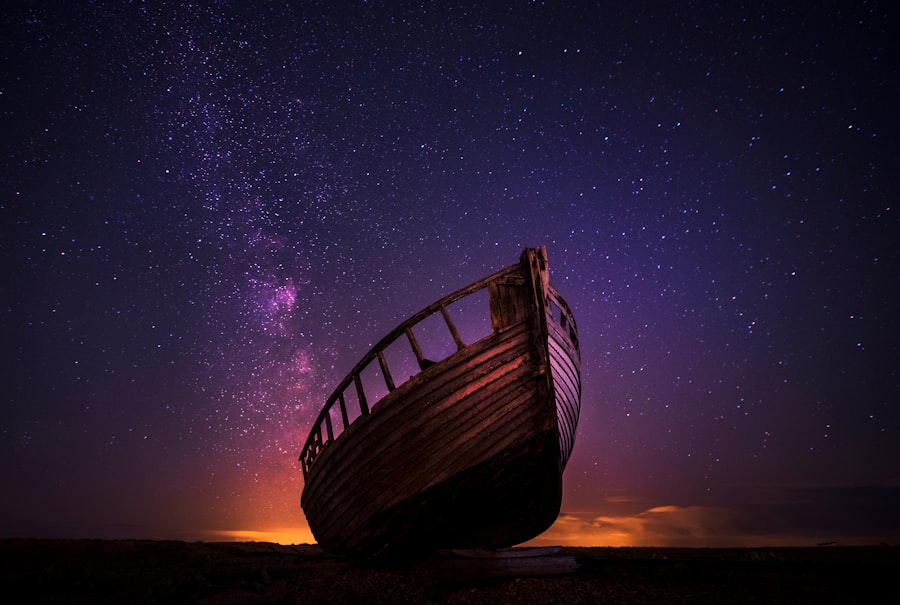
While often perceived as a solitary experience, nighttime can also be a powerful time for connection, both with others and with something larger than yourself.
Shared Vulnerability in the Darkness
There’s a unique intimacy that can arise in the darkness. When the social masks of daytime are shed, a certain vulnerability is exposed. This can foster deeper, more authentic connections with those you choose to share the night with.
Whispered Confidences and Shared Silences
Late-night conversations often carry a different weight. Secrets are confessed, fears are articulated, and hopes are shared with a profound sense of trust. The quiet shared under the vast expanse of stars can be more meaningful than any boisterous daytime interaction. You can sit in comfortable silence with another, a testament to a bond that transcends the need for constant chatter.
The Solace of Companionship
Even a simple presence in the darkness can be a source of immense comfort. Knowing you are not alone in navigating the night, that someone else shares this space and this time, can alleviate anxieties and foster a sense of belonging.
Communion with the Celestial Tapestry
The night sky offers a silent, awe-inspiring spectacle that can foster a sense of universal connection. Looking up at the stars can shrink your earthly concerns and remind you of your place in the grand cosmic scheme.
The Ancient Wisdom of the Stars
For millennia, humanity has looked to the stars for navigation, for guidance, and for inspiration. Each point of light represents a distant sun, a vast universe, and a sense of wonder that connects you to generations past and future. The constellations, with their mythologies and stories, offer a timeless narrative of human observation and interpretation.
The Profound Sense of Perspective
In the face of the infinite expanse of the cosmos, your daily worries can seem incredibly small. This perspective shift is not about diminishing your concerns, but about contextualizing them. It allows for a release of anxieties and a renewed appreciation for the present moment and the vastness of existence.
The Freedom from Societal Imposition
Daylight often dictates a rigid structure for your life. Nighttime offers a subtle, yet profound, freedom from these impositions, allowing you to define your own rhythm.
The Unwinding of Routine
The structured clockwork of the day – the alarm, the commute, the scheduled meetings – can feel constricting. Nighttime offers a natural unwinding, a slowing down that allows for spontaneity and personal choice.
Embracing Spontaneity
Without the pressure of daytime obligations, you are free to indulge in impromptu activities. Perhaps a late-night walk, an unexpected jam session, or simply allowing yourself to drift into sleep when your body needs it, not when the clock dictates. This liberation from rigid schedules can be incredibly liberating.
The Reclaiming of Unstructured Time
We often fill our days with an overabundance of structured activities. Nighttime provides a sanctuary for unstructured time, for simply being. This is the space where hobbies can flourish, where quiet contemplation can occur without interruption, and where you can simply allow your thoughts to wander without a predetermined destination.
The Subversion of Expectations
Daylight hours are often associated with productivity, with outward display, and with adherence to social norms. Nighttime, conversely, allows for a different kind of existence, one that can be more personal and less performative.
The Quiet Rebellion of Rest
Choosing to rest and recharge when the world expects you to be active can be a quiet act of rebellion. It is a declaration that your well-being and your internal needs are paramount, even if they don’t align with societal expectations of constant busyness.
The Cultivation of Personal Passions
When the demands of the external world recede, you have the space to nurture your personal passions. Whether it’s learning a new skill, delving into a book, or pursuing a creative endeavor, nighttime offers the uninterrupted focus required for genuine growth and personal fulfillment.
Nighttime often evokes a sense of freedom, as the world quiets down and the hustle of daily life fades away. This feeling can be attributed to the liberation from societal expectations and responsibilities that come with the dark. Many people find solace in the stillness of the night, allowing for introspection and creativity to flourish. For a deeper understanding of this phenomenon, you can explore a related article that discusses the psychological aspects of nighttime and its impact on our well-being. Check it out here to learn more about how the night can serve as a canvas for personal reflection and freedom.
The Mystical Embrace of the Unknown
| Reasons Why Nighttime Feels Like Freedom |
|---|
| 1. Quiet and peaceful atmosphere |
| 2. Less societal expectations and pressures |
| 3. Opportunity for self-reflection and introspection |
| 4. Sense of anonymity and privacy |
| 5. Possibility for spontaneous adventures |
| 6. Escape from the hustle and bustle of the day |
Nighttime is inherently linked to mystery and the unknown. It is a realm that has, throughout history, been associated with magic, with the supernatural, and with the profound questions of existence.
The Enchantment of the Obscure
The very fact that things are hidden from view imbues them with an allure. We are drawn to what we cannot fully comprehend, and the darkness is a master of unveiling the subtle enchantments of the world.
The Allure of the Unseen Landscape
Familiar places take on a new character in the darkness. A dense forest becomes an ancient, whispering entity. A city street, devoid of its usual crowds, can feel like a hushed, forgotten realm. This transformation sparks your imagination and invites you to explore the hidden facets of your surroundings.
The Stirring of the Imagination
The limited visual input of nighttime forces your imagination to fill in the gaps. This active participation in constructing your reality can be an exhilarating experience, a constant unfolding of possibilities and narratives that the clear light of day often dispenses with too quickly.
The Pondering of Existential Questions
The vastness of the night sky and the quietude it affords can naturally lead you to contemplate deeper, more existential questions.
The Timeless Questions of Being
Who are you? What is your purpose? What is the nature of consciousness? These profound questions often surface when you are removed from the immediate concerns of daily life and are bathed in the quiet immensity of the universe.
The Connection to the Primordial
There is an ancient, primordial energy that seems to emanate from the night. It is a connection to the forces that shaped the world, to the raw, untamed aspects of nature. This connection can be both awe-inspiring and humbling.
Nighttime, then, is not merely the absence of light. It is a potent force, a vital and transformative period that offers you a liberation from the ordinary, an invitation to explore your inner landscape, a chance for deeper connection, a freedom to define your own rhythm, and an embrace of the mystical. Embrace the liberation of darkness. Let it reshape you, refresh you, and reveal to you the profound possibilities that lie hidden within its profound embrace.

Why You Stay Up Late Even When You’re Exhausted
FAQs
1. Why does nighttime feel like freedom?
Nighttime can feel like freedom for many people because it often signifies the end of the workday and responsibilities. The darkness and quietness of the night can create a sense of relaxation and relief from the pressures of the day.
2. What biological factors contribute to the feeling of freedom at night?
Biologically, our bodies are programmed to feel more relaxed and at ease during the nighttime. The decrease in light triggers the release of melatonin, a hormone that helps regulate sleep and wake cycles, leading to a sense of calm and freedom.
3. How does the absence of daylight contribute to the feeling of freedom at night?
The absence of daylight at night can contribute to the feeling of freedom by signaling the end of the day’s obligations and providing a break from the demands of the outside world. This can create a sense of liberation and the opportunity to unwind and recharge.
4. What psychological factors play a role in why nighttime feels like freedom?
Psychologically, nighttime can feel like freedom because it offers a sense of anonymity and privacy. The darkness can provide a feeling of being hidden or shielded from the scrutiny of others, allowing for a greater sense of personal freedom and self-expression.
5. How can individuals make the most of the feeling of freedom at night?
To make the most of the feeling of freedom at night, individuals can engage in activities that bring them joy and relaxation, such as spending time with loved ones, pursuing hobbies, or simply taking a moment to appreciate the peace and quiet. Creating a calming nighttime routine can also help maximize the sense of freedom and well-being during the evening hours.