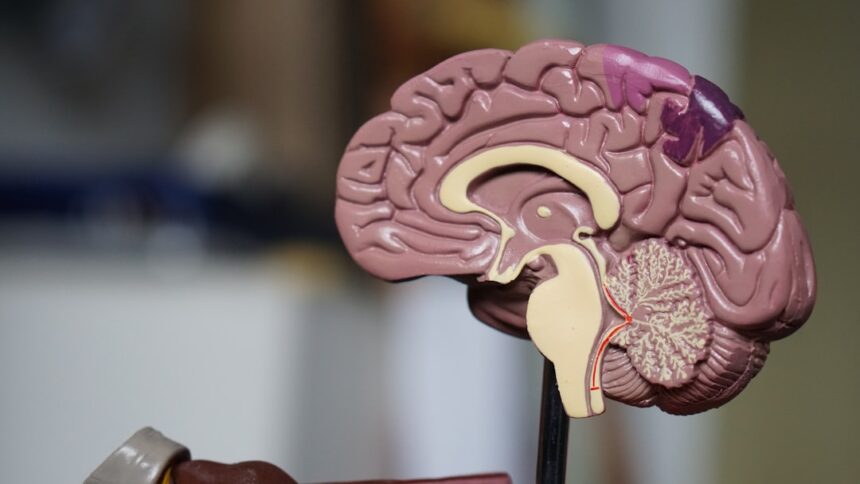
You know that feeling. The one where a necessary task looms, a commitment you made to yourself, and yet, your mind drifts. It’s a battle, isn’t it? The desire for instant gratification wages war against your long-term goals. This isn’t a moral failing; it’s your brain, wired for survival and efficiency, doing what it does best. Understanding the neuroscience behind this struggle can be your greatest asset in cultivating discipline. It’s not about brute force or willpower alone, but about learning to work with your brain, not against it.
The pursuit of discipline often feels like a relentless uphill climb. You set intentions, you make plans, and then, with the best of intentions, you find yourself sidetracked. The allure of comfort, novelty, or immediate pleasure is a powerful siren song for your neural pathways. But what if you could reframe this so-called struggle? What if discipline could become less of a chore and more of an integrated part of your life, perhaps even something you begin to anticipate? This isn’t about conjuring up artificial enthusiasm; it’s about leveraging your brain’s inherent mechanisms to make desired behaviors more automatic and less effortful.
The Dopamine Dilemma: Your Brain’s Reward System
Your brain’s reward system, heavily reliant on the neurotransmitter dopamine, plays a pivotal role in shaping your behavior. Dopamine isn’t just about pleasure; it’s a key motivator, signaling salience and driving you to seek out experiences that lead to reward. When you engage in activities that are perceived as rewarding, whether it’s eating a delicious meal, scrolling through social media, or completing a challenging task, your brain releases dopamine. This surge creates a positive feedback loop, reinforcing the behavior and making you more likely to repeat it in the future.
The Instant Gratification Trap
The modern world is a masterful architect of instant gratification. Every notification, every tempting advertisement, every readily available entertainment option is designed to trigger a dopamine hit. This constant barrage of easily accessible rewards can reprogram your brain to crave immediate satisfaction, making it difficult to endure the delayed gratification required for building discipline. Your prefrontal cortex, responsible for executive functions like planning and impulse control, can be overwhelmed by the constant demand for instant rewards.
How the Brain Learns to Seek
When you anticipate a reward, even before you receive it, your dopamine levels can begin to rise. This anticipatory dopamine is what fuels your motivation. You might find yourself thinking about that cup of coffee in the morning before you even get out of bed, or looking forward to a break during a long work session. This anticipation is a powerful learning mechanism. Your brain learns to associate cues with rewards, and if those cues are consistently present, the behavior becomes more automatic. The challenge with discipline arises when the cues for immediate, low-effort rewards are far more prevalent and potent than the cues for long-term, high-effort rewards.
The Power of Delayed Gratification
Conversely, delayed gratification involves forgoing an immediate reward in favor of a larger or more significant reward in the future. This is the cornerstone of discipline. Think of a student studying for an exam instead of going out with friends. The immediate reward (social interaction) is sacrificed for a delayed reward (good grades, academic success). Neuroscience research, such as the famous marshmallow experiments, has shown that individuals with a greater ability to delay gratification tend to achieve greater success in various aspects of life. This ability is linked to stronger prefrontal cortex activity and better cognitive control.
Cultivating the Skill of Waiting
Learning to delay gratification isn’t an innate talent for everyone. It’s a skill that can be developed and strengthened. This involves actively managing your environment and your cognitive processes. By understanding how your brain responds to immediate versus delayed rewards, you can begin to implement strategies that make delaying gratification feel less like deprivation and more like a strategic investment. This often involves creating mental distance from the immediate reward and increasing the salience of the future reward.
If you’re interested in understanding how to trick your brain into embracing discipline, a fascinating article can be found at Unplugged Psych. This resource delves into the neuroscience behind habit formation and offers practical strategies to rewire your brain for better self-control and productivity. You can read more about it in their insightful piece on the topic by visiting Unplugged Psych.
The Role of the Prefrontal Cortex: Your Executive Controller
The prefrontal cortex (PFC), located at the front of your brain, is your brain’s CEO. It’s responsible for a wide range of executive functions, including planning, decision-making, impulse control, working memory, and goal-directed behavior. When you are trying to be disciplined, your PFC is working overtime, overriding impulsive urges and keeping you focused on your objectives.
Strengthening Your Executive Functions
Just like any muscle, your PFC can be strengthened through practice. Engaging in activities that require sustained attention, problem-solving, and self-control can build its capacity. This means actively pushing yourself to complete tasks that are challenging, resisting distractions, and making deliberate choices that align with your long-term goals. The more you exercise these functions, the more efficient and robust they become.
Habits as “Shortcuts” for the PFC
One of the most effective ways to reduce the cognitive load on your PFC is to automate behaviors through habits. When a behavior becomes habitual, it requires less conscious effort and decision-making. Your brain essentially creates a shortcut, streamlining the process. This is why establishing productive routines is so crucial for discipline. Rather than constantly deciding whether to exercise or work on a project, if it’s a habit, the decision is almost made for you. This frees up your PFC for more complex challenges.
The Impact of Stress and Fatigue on the PFC
When you are stressed, anxious, or fatigued, your PFC’s ability to function optimally is significantly compromised. Under stress, your brain tends to revert to more primitive, reactive modes of behavior, making it harder to resist temptations and stay focused. This is why adequate sleep, stress management techniques, and taking breaks are not just about comfort; they are essential for maintaining the cognitive resources needed for discipline. Pushing yourself relentlessly without adequate recovery is a recipe for burnout and decreased effectiveness.
Managing Your Energy for Optimal Performance
Understanding your personal energy cycles is key. Are you most productive in the morning, afternoon, or evening? Schedule your most demanding tasks for your peak times of cognitive energy. Likewise, recognize when your cognitive resources are depleted. Rest, mindfulness, or engaging in less demanding activities during these times can prevent you from making poor decisions fueled by exhaustion.
Building New Neural Pathways: Neuroplasticity and Habit Formation
Neuroplasticity is your brain’s remarkable ability to change and adapt throughout your life. Every time you learn something new, practice a skill, or have a new experience, you are essentially rewiring your brain, creating new neural connections and strengthening existing ones. This principle is fundamental to developing discipline.
The “Neurons That Fire Together, Wire Together” Principle
This classic neuroscience adage means that when two neurons are activated at the same time, they become more strongly connected. In the context of habit formation, this means that repeatedly performing a desired behavior strengthens the neural pathways associated with that behavior, making it easier to access and execute in the future. Conversely, neglecting a behavior weakens its associated pathways.
The Power of Repetition in Skill Acquisition
The consistent repetition of an action is what initially builds and solidifies these neural connections. Whether it’s learning to play an instrument, mastering a new coding language, or sticking to a workout routine, the initial phase often involves conscious effort and repetition. As the neural pathways become more robust, the behavior becomes more automatic and less taxing on your cognitive resources. The key is sustained, consistent effort.
Mini-Habits and the “Compounding Interest” of Behavior
The concept of mini-habits, as popularized by BJ Fogg, leverages neuroplasticity by focusing on small, easy-to-accomplish actions. Instead of aiming for a massive overhaul, you start with a ridiculously small behavior, like doing one push-up. The goal is to reliably complete the action, which then triggers a small dopamine release and reinforces the new neural pathway. Over time, these small successes compound, leading to larger behavioral changes. This approach directly taps into the brain’s reward system and builds positive momentum.
Making the First Step Ridiculously Easy
The science behind mini-habits is sound. Neuroscience tells us that initiating an action is often the biggest hurdle. By making the first step so easy that it’s almost impossible to fail, you bypass the resistance that often paralyves us. This small success then builds confidence and makes the next repetition slightly easier. It’s about creating a positive feedback loop that gradually increases the difficulty of the behavior as the neural pathways strengthen.
Environmental Design: Manipulating Your Surroundings for Success
Your environment plays a significant role in shaping your behavior, often in ways you may not consciously realize. By intentionally designing your surroundings, you can make desired behaviors easier to enact and undesired behaviors more difficult. This is about creating cues and removing friction for the actions you want to take.
The Power of Cues and Triggers
Cues are stimuli in your environment that signal an opportunity for a behavior. For example, leaving your running shoes by the door is a cue to go for a run. Placing a book on your nightstand is a cue to read before bed. Conversely, cluttered workspaces can be cues for distraction. Neuroscience shows that the brain is highly adept at associating cues with behaviors. You can leverage this by strategically placing cues for your desired habits and removing cues for your undesirable ones.
Making Good Habits Obvious and Desirable
Consider how advertisements are strategically placed to be highly visible. You can do the same for your goals. If you want to drink more water, keep a water bottle prominently displayed on your desk. If you want to practice an instrument, have it readily accessible. The principle is to make the desired action as obvious and accessible as possible, reducing the mental effort required to initiate it. This taps into the brain’s tendency to respond to readily available stimuli.
The “Out of Sight, Out of Mind” Principle
The opposite principle also holds true: if you want to reduce a particular behavior, make its cues less visible or even remove them entirely. If you find yourself mindlessly scrolling through social media, delete the apps from your phone’s home screen or use website blockers. If you tend to overeat unhealthy snacks, don’t keep them in the house. This simple act of environmental manipulation can significantly reduce the temptation and the cognitive effort required to resist.
Minimizing Friction for Desired Actions
Friction is any obstacle that stands between you and a desired action. The more friction there is, the less likely you are to perform the behavior. To build discipline, you want to minimize friction for your positive habits. This might mean pre-portioning your meals, setting out your workout clothes the night before, or having your work materials ready at the start of your day. Reducing friction makes the chosen behavior the path of least resistance, which aligns with your brain’s natural tendency toward efficiency.
If you’re interested in understanding how to trick your brain into embracing discipline, you might find it helpful to explore related concepts in neuroscience. A fascinating article discusses various techniques that can help rewire your brain for better habits and self-control. By implementing these strategies, you can create a more disciplined mindset that aligns with your goals. For more insights, check out this informative piece on the subject here.
Mindset Shifts: Reframing Discipline for Sustainable Change
The way you think about discipline has a profound impact on your ability to stick with it. Shifting your mindset from one of obligation and deprivation to one of opportunity and growth can fundamentally alter your relationship with discipline. This isn’t about positive affirmations alone; it’s about understanding how your beliefs influence your neural processing.
The Growth Mindset vs. The Fixed Mindset
A growth mindset, as defined by Carol Dweck, is the belief that your abilities and intelligence can be developed through dedication and hard work. Individuals with a growth mindset see challenges as opportunities to learn and grow, and they don’t shy away from effort. Conversely, a fixed mindset is the belief that your qualities are fixed and unchangeable. This perspective can lead to avoiding challenges and giving up easily. Cultivating a growth mindset is crucial for discipline because it fosters resilience and a willingness to persist in the face of setbacks.
Embracing Challenges as Learning Opportunities
From a neuroscientific perspective, embracing challenges stimulates the growth of new neural connections. When you push yourself outside your comfort zone, your brain is actively working to adapt and learn. This process is inherently rewarding, albeit often in a delayed sense, as it leads to increased competence and mastery. Instead of viewing difficult tasks as something to be avoided, see them as opportunities to strengthen your cognitive muscles and expand your capabilities.
The Power of Self-Compassion in the Face of Failure
No one is perfectly disciplined all the time. You will inevitably have days where you falter, miss a workout, or succumb to temptation. The key is how you respond to these setbacks. Self-compassion involves treating yourself with kindness and understanding when you experience difficulties, rather than with harsh criticism. Neuroscience suggests that self-criticism can activate stress-related brain regions, making it harder to get back on track. Self-compassion, on the other hand, can promote emotional regulation and resilience.
Understanding Setbacks as Data, Not Defeat
When you experience a slip-up, instead of dwelling on your perceived failure, try to analyze it with curiosity. What triggered the behavior? What could you do differently next time? This analytical approach, rooted in a growth mindset and self-compassion, transforms setbacks into valuable data points that can inform your future actions. This is not about excusing behavior, but about learning from it without derailing your long-term progress. Your brain is designed to learn from experience, and even perceived failures can be powerful learning opportunities if approached correctly.
FAQs
What is discipline and why is it important?
Discipline refers to the ability to control one’s behavior and follow a set of rules or guidelines. It is important because it helps individuals stay focused, achieve their goals, and maintain a sense of order and structure in their lives.
How does the brain perceive discipline?
The brain perceives discipline as a challenge to its natural tendency to seek pleasure and avoid pain. It often views disciplined activities as effortful and unpleasant, leading to resistance and procrastination.
What are some neuroscience-based strategies to trick the brain into liking discipline?
Some neuroscience-based strategies to trick the brain into liking discipline include breaking tasks into smaller, more manageable parts, creating a reward system for completing disciplined activities, and using visualization techniques to associate discipline with positive emotions.
How does dopamine play a role in liking discipline?
Dopamine, a neurotransmitter associated with pleasure and reward, plays a role in liking discipline by reinforcing disciplined behaviors through feelings of satisfaction and accomplishment. When the brain releases dopamine in response to disciplined actions, it can help create a positive association with those activities.
Can discipline be learned and strengthened over time?
Yes, discipline can be learned and strengthened over time through consistent practice and reinforcement. By consistently engaging in disciplined behaviors and using strategies to make them more enjoyable, individuals can train their brains to develop a liking for discipline.