You’re likely experiencing anxiety, a pervasive feeling that can feel insurmountable. The constant hum of worry, the racing heart, the tightening chest – it’s a familiar, unwelcome companion. But what if you could actively reshape your brain’s responses to these feelings? This is where neuroplasticity, the brain’s remarkable ability to reorganize and adapt, offers a tangible path toward anxiety relief. Instead of being a passive recipient of your anxious thoughts and sensations, you can become an active participant in rewiring your neural pathways. This article explores how you can leverage neuroplasticity through specific exercises to cultivate a calmer, more resilient mind.
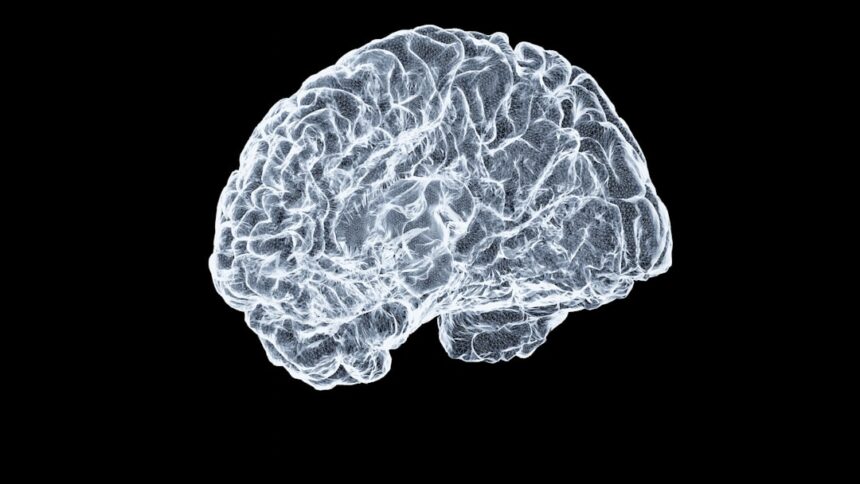
Before diving into exercises, it’s crucial to grasp why these practices can be effective. Your brain, particularly the amygdala (the fear center) and the prefrontal cortex (involved in rational thought and impulse control), plays a central role in anxiety. When you experience anxiety, your amygdala often becomes overactive, triggering a “fight-or-flight” response even when there’s no immediate threat. This can lead to a cascade of physical and emotional symptoms. Conversely, the prefrontal cortex, which could help regulate this response, may become less efficient under chronic stress. Neuroplasticity offers a way to gently, yet purposefully, retrain these brain regions.
The Amygdala’s Role in Anxiety
Your amygdala acts as your brain’s alarm system. In a healthy state, it accurately assesses threats and triggers appropriate responses. However, in anxiety, this system can become hypersensitive, leading to a constant state of alert. Even neutral stimuli can be perceived as dangerous, prompting an anxious reaction. This constant activation can create a feedback loop, reinforcing the anxious patterns of thought and behavior.
The Prefrontal Cortex and Emotional Regulation
The prefrontal cortex (PFC) is your brain’s “executive control center.” It’s responsible for planning, decision-making, and crucially, for moderating emotional responses. When your PFC is functioning optimally, it can help you assess situations rationally, inhibit impulsive reactions, and guide you toward more adaptive behaviors. In anxiety, the connection between the PFC and the amygdala can become impaired, making it harder for your rational brain to calm down your fear center.
The Interplay of Neurotransmitters
Anxiety is also linked to the delicate balance of neurotransmitters in your brain, such as serotonin, dopamine, and GABA. These chemical messengers play vital roles in mood regulation, stress response, and feelings of calm. While exercises won’t directly “prescribe” neurotransmitter levels, they can influence their production and uptake over time, contributing to a more stable emotional landscape.
Recent research has highlighted the importance of brain neuroplasticity exercises in managing anxiety, suggesting that engaging in specific activities can help rewire the brain and improve emotional resilience. For a deeper understanding of these exercises and their benefits, you can explore the article available at Unplugged Psych, which provides valuable insights and practical tips for incorporating neuroplasticity techniques into your daily routine.
Cultivating Present Moment Awareness: Mindfulness and Meditation
One of the most powerful applications of neuroplasticity for anxiety relief lies in cultivating present moment awareness. This involves learning to observe your thoughts, feelings, and bodily sensations without judgment. By repeatedly bringing your attention back to the present, you gradually weaken the pull of anxious rumination and foster a sense of calm and groundedness.
The Foundations of Mindfulness Meditation
Mindfulness meditation is a practice that trains your attention. It’s not about emptying your mind, but rather about noticing where your mind goes and gently guiding it back to a chosen anchor, typically your breath.
Finding a Comfortable Posture
You don’t need to sit in a pretzel-like position to meditate. Find a posture that allows you to be comfortable yet alert. This could be sitting in a chair with your feet flat on the floor, or sitting on a cushion with your back supported. The key is to find a position where you can relax without falling asleep.
Focusing on Your Breath as an Anchor
Your breath is a readily available and constant anchor for your attention. Simply notice the sensation of the air entering and leaving your nostrils, or the rise and fall of your abdomen. When your mind wanders (and it will, that’s what minds do), acknowledge the thought without getting caught up in it, and gently escort your attention back to your breath.
Dealing with Wandering Thoughts
The experience of your mind wandering is not a failure of meditation; it’s an integral part of the practice. Each time you notice your mind has strayed and you choose to return to your breath, you are, in essence, strengthening your attentional muscles and engaging your prefrontal cortex in a way that can counteract anxious patterns.
Body Scan Meditation for Sensory Grounding
Body scan meditation is a specific mindfulness technique that involves systematically bringing your awareness to different parts of your body, noticing the sensations present. This practice is particularly helpful for anxiety because it anchors you in your physical experience, offering a tangible reality to focus on, rather than getting lost in abstract worries.
Progressive Awareness of Bodily Sensations
Begin by directing your attention to your toes. Simply notice any sensations: tingling, warmth, coolness, pressure, or even the absence of sensation. Then, gradually move your awareness up through your feet, ankles, calves, knees, and so on, all the way to the top of your head.
Releasing Tension Through Gentle Observation
As you scan your body, you might notice areas of tension. The practice is not to force these areas to relax, but to simply observe the sensation with curiosity and non-judgment. Often, by simply acknowledging and observing the tension without resistance, it can begin to dissipate naturally.
Mindful Walking for Integrated Movement and Awareness
Mindful walking combines the physical act of walking with present moment awareness. It’s a way to integrate mindfulness into your daily life, making it accessible even when you can’t sit for formal meditation.
Noticing Each Step and Movement
As you walk, pay attention to the sensation of your feet touching the ground, the movement of your legs, the swing of your arms, and the rhythm of your breath. Notice the sights, sounds, and smells around you without getting swept away by them.
Connecting with Your Environment
Mindful walking allows you to connect with your surroundings in a more conscious way. Instead of rushing through your environment, you begin to experience it, which can reduce the feeling of being overwhelmed by external stimuli that often accompanies anxiety.
Engaging Your Brain’s Natural Calm-Finding Mechanisms: Focused Attention and Cognitive Restructuring
Beyond broad awareness, you can actively engage specific cognitive processes to reframe anxious thoughts and cultivate a more balanced perspective. This involves directing your attention to particular stimuli or challenging your ingrained negative thought patterns.
Focused Attention Exercises for Concentration
When you’re anxious, your attention can be scattered, easily pulled towards perceived threats. Focused attention exercises train your brain to stay on task and resist distractions, which is a direct antidote to the hypervigilance of anxiety.
The Power of Concentrating on a Single Object
Choose a simple object – a candle flame, a flower, or even your own hand – and focus your attention entirely on it. Notice its details, its textures, its colors. When your mind drifts, gently bring your focus back to the object. This simple act builds your capacity for sustained concentration.
The “Counting Breaths” Technique
This is a variation of breath awareness where you actively count each exhale. You might count to ten, then start again from one. If you lose count, simply return to one. This adds a layer of cognitive engagement that further sharpens your focus.
Cognitive Restructuring: Challenging Anxious Thoughts
Much of anxiety is fueled by distorted or catastrophic thinking. Cognitive restructuring techniques involve identifying, challenging, and replacing these unhelpful thought patterns with more balanced and realistic ones. This is a conscious effort to rewire the way you interpret situations.
Identifying Automatic Negative Thoughts (ANTs)
Your first step is to become aware of your ANTs. These are the quick, often irrational, negative thoughts that pop into your head. Common ANTs in anxiety include “catastrophizing” (assuming the worst-case scenario), “all-or-nothing thinking” (seeing things in black and white), and “mind-reading” (assuming you know what others are thinking negatively about you).
Questioning the Evidence for Your Thoughts
Once you’ve identified an ANT, treat it like a hypothesis to be tested. Ask yourself:
- What is the evidence that this thought is true?
- **What is the evidence that this thought is not true?**
- Is there another way to look at this situation?
- What would I tell a friend if they were having this thought?
Developing More Balanced and Realistic Alternatives
The goal isn’t to replace negative thoughts with overly positive, unrealistic ones, but to develop a more balanced perspective. For example, if your ANT is “Everyone is judging me,” a more balanced alternative might be “Some people might notice me, but most people are focused on themselves. Even if someone has a negative thought, it’s their perspective, not necessarily a reflection of reality.”
“Thought Stopping” and “Thought Replacement” Techniques
While not a cure-all, rapid thought stopping can be a useful tool for particularly intrusive and unhelpful thoughts. The key is to pair it with a replacement thought.
The “Stop!” Command (Verbal or Mental)
When an anxious thought arises, mentally (or even softly out loud if you’re alone) say “Stop!” This creates a pause. Immediately follow this with a pre-prepared, more neutral or positive thought. For instance, after “Stop!” you might think, “This is just a thought, and it’s not true.”
Pre-Planning Replacement Thoughts
Having a set of pre-planned, healthy replacement thoughts ready can be very effective. These might be affirmations, statements of fact about your resilience, or simple reminders of calm, such as “I am safe right now” or “I can handle this.”
Employing Movement and Somatic Awareness for Nervous System Regulation

Anxiety often manifests physically, leading to muscle tension, shallow breathing, and a heightened stress response. Engaging your body through movement and focusing on physical sensations can help downregulate your nervous system and promote a sense of calm.
The Benefits of Gentle Physical Activity
While intense exercise can sometimes exacerbate anxiety for some, gentle and consistent physical activity is a powerful neuroplastic tool for anxiety. It releases endorphins, improves sleep, and helps your body process stress hormones.
Walking and its Neurochemical Impact
As mentioned earlier, walking is an accessible form of exercise. The rhythmic nature of walking can be calming, and the physical exertion helps your body burn off excess adrenaline and cortisol, the primary stress hormones.
Yoga and its Mind-Body Connection
Yoga, with its combination of physical postures, breathwork, and mindfulness, is particularly well-suited for anxiety relief. It encourages you to connect with your body, release tension, and cultivate a sense of presence.
Tai Chi and Qigong for Flow and Balance
These ancient practices emphasize slow, flowing movements and deep breathing. They promote relaxation, improve balance and coordination, and can help to calm an agitated mind by fostering a sense of harmony and flow.
Progressive Muscle Relaxation (PMR) for Physical Tension Release
This technique involves systematically tensing and then releasing different muscle groups in your body. It helps you become more aware of physical tension and learn to consciously release it.
The Seven-Minute PMR Routine
A common approach is to spend a few seconds tensing a specific muscle group (e.g., your fists, clenching them tightly), holding the tension, and then releasing it completely, noticing the feeling of relaxation that follows. You can work your way through major muscle groups: hands, forearms, upper arms, shoulders, neck, face, chest, abdomen, back, buttocks, thighs, calves, and feet.
Distinguishing Between Tension and Relaxation
The core of PMR is learning to differentiate the sensation of tension from the sensation of relaxation. By repeatedly experiencing these contrasts, you train your body to let go of held tension more readily.
Diaphragmatic Breathing for Deep Nervous System Activation
Shallow chest breathing is often associated with anxiety. Diaphragmatic breathing, or belly breathing, activates the parasympathetic nervous system, which is responsible for the body’s “rest and digest” response, counteracting the “fight-or-flight” state.
The Mechanics of Deep Breathing
Place one hand on your chest and the other on your belly. As you inhale, try to expand your belly, pushing your hand outwards. Your chest hand should move very little. As you exhale, allow your belly to fall naturally.
Practicing “Box Breathing”
Another effective technique is “box breathing,” also known as tactical breathing. You inhale for a count of four, hold your breath for a count of four, exhale for a count of four, and hold the exhale for a count of four. This rhythmic pattern can be very calming for the nervous system.
Engaging in brain neuroplasticity exercises can significantly help in managing anxiety by promoting healthier thought patterns and emotional responses. For those interested in exploring effective techniques, a related article can be found at Unplugged Psych, which offers insights into various exercises designed to enhance mental resilience and reduce anxiety symptoms. By incorporating these practices into daily routines, individuals may find themselves better equipped to cope with stress and anxiety.
Building a Foundation of Resilience: Sleep Hygiene and Social Connection
| Exercise | Duration | Frequency | Effectiveness |
|---|---|---|---|
| Mindfulness meditation | 10-20 minutes | Daily | High |
| Deep breathing exercises | 5-10 minutes | Several times a day | Moderate |
| Cognitive behavioral therapy (CBT) | Varies | Weekly sessions | High |
| Physical exercise | 30-60 minutes | 3-5 times a week | Moderate |
Anxiety is not just about what happens in a moment; it’s also about your overall well-being. Prioritizing restorative sleep and fostering strong social connections are fundamental neuroplastic strategies that build resilience against anxiety.
The Crucial Role of Sleep in Nervous System Restoration
During sleep, your brain consolidates memories, processes emotions, and clears out metabolic waste. Chronic sleep deprivation significantly impairs your brain’s ability to regulate mood and manage stress, making you more vulnerable to anxiety.
Establishing a Consistent Sleep Schedule
Going to bed and waking up around the same time each day, even on weekends, helps regulate your body’s natural sleep-wake cycle (circadian rhythm). This consistency is a powerful signal to your brain that it’s time to rest.
Creating a Relaxing Bedtime Routine
Winding down before bed is essential. Avoid screens (phones, tablets, computers) for at least an hour before sleep, as the blue light they emit can disrupt melatonin production. Instead, engage in calming activities like reading a book, taking a warm bath, or listening to calming music.
Optimizing Your Sleep Environment
Ensure your bedroom is dark, quiet, and cool. Invest in comfortable bedding and pillows. Even small changes can make a significant difference in the quality of your sleep.
The Soothing Power of Social Connection
Humans are inherently social beings. Strong social bonds provide a buffer against stress and anxiety. Spending time with supportive friends and family can activate your brain’s reward pathways and release oxytocin, a hormone associated with bonding and well-being.
Nurturing Supportive Relationships
Invest time and energy in relationships that uplift and support you. These are the people you can confide in, who offer a non-judgmental ear, and who can provide a sense of belonging.
The Benefits of Shared Activities
Engaging in shared activities, whether it’s a hobby, a meal, or simply a conversation, can reduce feelings of isolation and bolster your sense of connection. It shifts your focus outward and can provide a welcome distraction from anxious thoughts.
Speaking About Your Experiences
When you feel comfortable doing so, sharing your experiences with trusted individuals can be incredibly cathartic. It normalizes your feelings and can lead to valuable insights and support.
Sustaining Neuroplastic Gains: Patience, Consistency, and Self-Compassion
Rewiring your brain is not an overnight process. It requires patience, consistent practice, and, perhaps most importantly, self-compassion. Your brain is adapting, and this adaptation takes time and repetition.
The Importance of Regular Practice
Like any skill, neuroplasticity interventions are most effective when practiced regularly. Think of these exercises as going to the gym for your brain. The more consistently you engage in them, the stronger and more ingrained the positive changes will become.
Integrating Exercises into Your Daily Routine
Don’t aim for perfection; aim for integration. Find small pockets of time throughout your day to practice mindfulness, focused attention, or deep breathing. Even five minutes can make a difference.
Tracking Your Progress (Without Judgment)
Consider keeping a journal to note your experiences with these exercises. What worked well? What felt challenging? This isn’t about judging yourself, but about gathering information to refine your practice.
Embracing Setbacks as Learning Opportunities
There will be days when your anxiety feels overwhelming, and your practice might feel less effective. This is normal. Instead of viewing these as failures, see them as opportunities to learn and to practice self-compassion.
Understanding That Progress is Not Linear
Neuroplasticity is not a straight line upwards. There will be periods of progress interspersed with periods where you feel like you’re sliding backward. This fluctuation is a natural part of the process.
Practicing Self-Kindness During Difficult Moments
When you’re struggling, treat yourself with the same kindness and understanding you would offer a dear friend. Acknowledge your feelings without judgment and remind yourself that you are doing your best.
Seeking Professional Guidance When Needed
While these neuroplasticity exercises can be incredibly beneficial, they are not always a substitute for professional mental health support. If your anxiety is severe or persistent, consider consulting with a therapist or counselor. They can provide personalized strategies and support as you navigate your anxiety relief journey.
By actively engaging in these neuroplasticity exercises, you are not passively waiting for your anxiety to fade; you are actively participating in the remolding of your brain, cultivating a more resilient, calmer, and empowered you.
FAQs
What is neuroplasticity and how does it relate to anxiety?
Neuroplasticity refers to the brain’s ability to reorganize itself by forming new neural connections throughout life. In the context of anxiety, neuroplasticity can be harnessed through specific exercises to rewire the brain and reduce anxiety symptoms.
What are some examples of neuroplasticity exercises for anxiety?
Neuroplasticity exercises for anxiety may include mindfulness meditation, cognitive behavioral therapy (CBT), aerobic exercise, deep breathing exercises, and visualization techniques. These exercises can help rewire the brain to reduce anxiety and improve overall mental well-being.
How do neuroplasticity exercises for anxiety work?
Neuroplasticity exercises for anxiety work by targeting specific neural pathways and connections related to anxiety. By engaging in these exercises consistently, individuals can strengthen positive neural pathways and weaken negative ones, leading to a reduction in anxiety symptoms over time.
Are neuroplasticity exercises effective for treating anxiety?
Research has shown that neuroplasticity exercises, such as mindfulness meditation and CBT, can be effective in reducing anxiety symptoms. These exercises can lead to long-term changes in the brain that contribute to improved mental health and reduced anxiety.
How can someone incorporate neuroplasticity exercises into their daily routine?
Incorporating neuroplasticity exercises into a daily routine can be done by setting aside dedicated time for activities such as mindfulness meditation, deep breathing exercises, and physical activity. It’s important to be consistent and patient, as neuroplasticity takes time to produce noticeable changes in anxiety levels.