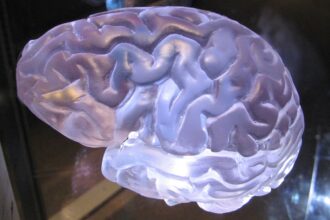
You are equipped with a brain of remarkable adaptability, a truth often overlooked in the face of psychological distress. This inherent flexibility, known as neuroplasticity, signifies your brain’s capacity to reorganize itself throughout your life, forming new neural connections and pruning old ones. This article delves into the practical application of neuroplasticity principles to mitigate anxiety and depression, offering you actionable exercises to sculpt a more resilient and harmonious mental landscape. You will explore methods grounded in scientific understanding, empowering you to actively participate in your brain’s rewiring process.
Neuroplasticity is not merely a theoretical concept; it is the fundamental mechanism underpinning all learning and memory. When you acquire a new skill, learn a new language, or even form a new habit, your brain is engaging in neuroplastic changes. In the context of mental health, this innate adaptability offers a profound sense of agency. Conditions like anxiety and depression are often characterized by established, often maladaptive, neural pathways. These pathways, like well-worn grooves in a record, can lead to repetitive negative thought patterns, heightened emotional reactivity, and a diminished capacity for joy.
The Brain as a Dynamic Landscape
Imagine your brain not as a rigid structure, but as a constantly shifting landscape. Every thought you think, every emotion you feel, and every action you take leaves an imprint, subtle at first, but cumulatively shaping the terrain. In anxiety, certain areas, such as the amygdala (the brain’s fear center), can become hyperactive, while prefrontal cortex regions (responsible for rational thought and emotional regulation) might show reduced activity. Depression often involves disruptions in neurochemical balance, alongside alterations in neural circuitry related to reward, motivation, and mood. Your goal through neuroplasticity exercises is to consciously and deliberately reshape this landscape, fostering pathways that support well-being and diminishing those that contribute to distress.
Hebb’s Law: Neurons That Fire Together, Wire Together
A cornerstone principle of neuroplasticity is eloquently summarized by Donald Hebb’s adage: “Neurons that fire together, wire together.” This means that when two neurons are repeatedly activated at the same time, the strength of their connection increases. Conversely, “neurons that fire out of sync, fail to link,” weakening connections that are not frequently co-activated. For you, this implies that consistent practice of positive behaviors, thoughts, and emotional responses will strengthen the neural networks associated with those experiences, making them more accessible and automatic. Similarly, by intentionally avoiding engagement with negative thought loops, you can weaken their associated pathways.
Neuroplasticity exercises have gained attention for their potential to alleviate symptoms of anxiety and depression by promoting brain adaptability and resilience. For those interested in exploring practical strategies to harness neuroplasticity for mental health improvement, a related article can be found at Unplugged Psych. This resource offers insights and exercises designed to help individuals rewire their thought patterns and enhance emotional well-being.
Mindful Awareness and Cognitive Restructuring
Among the most effective neuroplasticity exercises are those that cultivate mindful awareness and facilitate cognitive restructuring. These practices directly target the often-automatic and unhelpful thought patterns characteristic of anxiety and depression. By bringing conscious attention to your internal experience, you create the opportunity to intervene and redirect neural activity.
The Practice of Mindfulness Meditation
Mindfulness meditation is a foundational neuroplasticity exercise. It involves intentionally bringing your attention to the present moment, observing your thoughts, feelings, and bodily sensations without judgment. When you practice mindfulness, you are actively engaging your prefrontal cortex, strengthening its capacity for executive function and emotional regulation. Studies have shown that consistent mindfulness practice can lead to increased gray matter density in brain regions associated with attention, introspection, and empathy, while decreasing amygdala activity.
- Focused Attention Meditation: In this practice, you select a single object of attention, typically your breath, and repeatedly return your focus to it whenever your mind wanders. This constant redirection is akin to repeatedly exercising a muscle; it strengthens your attentional control and reduces mind-wandering, a common precursor to rumination and worry.
- Open Monitoring Meditation: Once you have developed some proficiency in focused attention, open monitoring expands your awareness to encompass all present-moment experiences – sounds, thoughts, emotions – observing them as they arise and pass without attachment. This practice cultivates a broader, non-judgmental awareness, allowing you to observe challenging thoughts and emotions without becoming entangled in them.
Identifying and Challenging Automatic Negative Thoughts (ANTs)
Cognitive restructuring is a technique derived from Cognitive Behavioral Therapy (CBT) that directly applies neuroplastic principles. It posits that your thoughts significantly influence your emotions and behaviors. In anxiety and depression, you often experience automatic negative thoughts (ANTs) that are distorted, irrational, and unhelpful. Recognizing and challenging these ANTs is a powerful way to rewire your brain’s default patterns.
- Thought Record: A thought record is a structured journaling exercise where you document distressing situations, the automatic thoughts that arise, the emotions you experience, and then meticulously challenge those thoughts. You question the evidence for and against your thoughts, consider alternative perspectives, and identify cognitive distortions (e.g., catastrophizing, all-or-nothing thinking). This deliberate process of questioning and re-evaluating your thoughts actively engages the logical, rational parts of your brain, weakening the pathways associated with the original, unhelpful thought patterns.
- Behavioral Experiments: Once you have challenged a negative thought, designing and conducting a behavioral experiment allows you to test its validity in the real world. For example, if you believe “I will always fail at new tasks,” you might intentionally take on a small, manageable new task and observe the outcome. This direct, experiential learning provides new data to your brain, overriding old, inaccurate predictions and building new, more realistic neural associations.
Engaging in Novelty and Learning

Your brain thrives on novelty. When you learn new things or engage in new experiences, you stimulate the growth of new neurons (neurogenesis) and strengthen existing connections. This is particularly important for combating the stagnation and repetitive patterns often seen in anxiety and depression.
Acquiring New Skills
Learning a new skill, whether it’s playing a musical instrument, speaking a new language, coding, or even mastering a complex craft, is a potent neuroplasticity exercise. The process demands sustained attention, problem-solving, and memory recall, all of which contribute to widespread brain activation and the formation of new neural networks.
- Music Acquisition: Learning to play a musical instrument, for example, engages multiple brain regions simultaneously – auditory processing, motor control, memory, and emotional processing. This multifaceted engagement fosters robust neuroplastic changes, enhancing cognitive flexibility and potentially improving emotional regulation.
- Language Learning: Acquiring a new language requires your brain to form entirely new linguistic pathways, strengthening areas involved in memory, attention, and executive functions. It also provides a novel framework for understanding and interacting with the world, challenging established cognitive patterns.
Exploring New Environments and Experiences
Breaking routine and exposing yourself to novel environments and experiences can also stimulate neuroplasticity. When you encounter unfamiliar surroundings, your brain is forced to process new sensory information, adapting and forming new mental maps.
- Travel and Exploration: Visiting new places, even locally, can profoundly impact your brain. New sights, sounds, smells, and social interactions challenge your brain to adapt, fostering creativity and reducing the rigid patterns associated with distress.
- Creative Pursuits: Engaging in creative activities like painting, writing fiction, or even cooking a new cuisine for the first time, provides opportunities for divergent thinking and problem-solving in a non-judgmental space. These activities tap into different neural networks than your usual daily routines, offering a mental “workout” that fosters adaptability.
Physical Activity and Lifestyle Interventions

While often considered separate from cognitive exercises, physical activity and specific lifestyle interventions are powerful catalysts for neuroplasticity. They directly influence neurochemical balance, promote neurogenesis, and enhance overall brain health, indirectly fortifying your brain against anxiety and depression.
The Power of Aerobic Exercise
Regular aerobic exercise is one of the most thoroughly researched and effective neuroplasticity enhancers. It increases blood flow to the brain, delivering vital oxygen and nutrients. More importantly, it stimulates the production of neurotrophic factors, such as Brain-Derived Neurotrophic Factor (BDNF), which is often referred to as “Miracle-Gro for the brain.” BDNF promotes the growth and survival of new neurons and strengthens synaptic connections.
- Consistent Cardiovascular Activity: Aim for at least 30 minutes of moderate-intensity aerobic exercise most days of the week. Activities like brisk walking, jogging, swimming, or cycling are excellent choices. This consistency, rather than sporadic bursts, is key to sustained neuroplastic benefits.
- High-Intensity Interval Training (HIIT): While research is still emerging, some studies suggest that HIIT, which involves short bursts of intense exercise followed by brief recovery periods, may also trigger significant BDNF release and neuroplastic changes.
Optimizing Sleep and Nutrition
Your brain’s ability to undergo neuroplastic changes is heavily dependent on adequate sleep and proper nutrition. These are not passive processes; they are active components of your neuroplastic journey.
- Sleep Hygiene: During deep sleep, your brain consolidates memories, prunes unnecessary synaptic connections, and clears metabolic waste products. Chronic sleep deprivation impairs these crucial processes, hindering neuroplasticity and exacerbating symptoms of anxiety and depression. Establishing a consistent sleep schedule, creating a relaxing bedtime routine, and optimizing your sleep environment are paramount.
- Nutrient-Rich Diet: Your brain requires specific nutrients to function optimally and support neuroplasticity. Consume a diet rich in omega-3 fatty acids (found in fatty fish, flaxseeds), antioxidants (berries, leafy greens), and B vitamins (whole grains, legumes). These nutrients provide the building blocks and protective mechanisms necessary for healthy brain cell function and communication. Avoid processed foods, excessive sugar, and unhealthy fats, which can contribute to inflammation and impair brain function.
Neuroplasticity exercises have gained attention for their potential to alleviate symptoms of anxiety and depression by promoting brain adaptability and resilience. Engaging in activities that stimulate the brain, such as mindfulness meditation or cognitive-behavioral techniques, can significantly enhance emotional well-being. For those interested in exploring this topic further, a related article on the benefits of neuroplasticity can be found at Unplugged Psych, which provides valuable insights and practical strategies for incorporating these exercises into daily life.
Social Connection and Emotional Regulation
| Exercise | Description | Frequency | Duration | Reported Benefits | Supporting Evidence |
|---|---|---|---|---|---|
| Mindfulness Meditation | Focused attention on the present moment to reduce rumination and stress. | Daily | 10-20 minutes | Reduced anxiety, improved mood, enhanced emotional regulation | Multiple RCTs show decreased amygdala activity and increased prefrontal cortex connectivity |
| Cognitive Behavioral Therapy (CBT) Exercises | Structured activities to identify and reframe negative thought patterns. | 2-3 times per week | 30-60 minutes | Reduced depressive symptoms, improved coping skills | Meta-analyses confirm efficacy in anxiety and depression symptom reduction |
| Gratitude Journaling | Writing daily about things one is grateful for to shift focus from negative to positive. | Daily | 5-10 minutes | Increased positive affect, decreased depressive symptoms | Studies show increased activation in brain reward circuits |
| Physical Exercise (Aerobic) | Engaging in aerobic activities like walking or jogging to boost neurogenesis. | 3-5 times per week | 30-45 minutes | Reduced anxiety and depression, improved cognitive function | Research indicates increased BDNF levels and hippocampal volume |
| Neurofeedback Training | Using real-time brain activity feedback to train self-regulation of brain waves. | 1-2 times per week | 30-60 minutes | Improved anxiety control, mood stabilization | Clinical trials show modulation of EEG patterns linked to anxiety reduction |
Humans are inherently social beings, and strong social connections are critical for mental well-being and brain health. Isolation can lead to a decline in cognitive function and exacerbate symptoms of anxiety and depression. Furthermore, learning to effectively regulate your emotions is a skill that can be developed through deliberate practice, leveraging your brain’s plasticity.
Nurturing Meaningful Relationships
Engaging in positive social interactions stimulates the release of oxytocin, a hormone associated with bonding and trust, which can counteract stress responses. Social interaction also provides cognitive stimulation and opportunities for emotional co-regulation, where you learn to manage your emotions through interaction with others.
- Active Listening and Empathy: When you actively listen to others and practice empathy, you are engaging brain regions associated with social cognition and emotional processing. These practices strengthen your ability to understand and connect with others, fostering a sense of belonging and reducing feelings of isolation.
- Volunteering and Community Engagement: Contributing to a cause larger than yourself and engaging with your community can provide a powerful sense of purpose and social connection. These activities challenge you to think beyond your immediate concerns and can lead to new learning experiences and positive social interactions.
Developing Emotional Regulation Skills
Emotional regulation refers to your ability to respond to emotional experiences in a flexible and adaptive manner. In anxiety and depression, emotional responses can often feel overwhelming and outside of your control. However, these are learned patterns that can be rewired.
- Reappraisal: Cognitive reappraisal involves reinterpreting a situation or thought to change its emotional impact. For instance, instead of viewing a challenging task as an overwhelming threat, you might reappraise it as an opportunity for growth and learning. This deliberate shift in perspective actively rechannels neural activity away from fear centers and towards more adaptive pathways.
- Self-Compassion: Practicing self-compassion involves treating yourself with the same kindness, understanding, and acceptance you would offer a dear friend. When you experience distress, instead of self-criticism, you acknowledge your suffering, recognize that it is part of the human experience, and offer yourself comfort. This gentle approach can reduce the chronic stress response and foster a more resilient internal emotional landscape.
By systematically applying these neuroplasticity exercises, you are not merely coping with anxiety and depression; you are actively reshaping your brain, building a more robust and adaptable internal architecture. This journey requires consistent effort and patience, much like sculpting a masterpiece. However, the profound capacity of your brain to change offers a powerful promise: the ability to cultivate a mind that is more resilient, joyful, and deeply connected to your innate capacity for well-being.
FAQs
What is neuroplasticity and how does it relate to anxiety and depression?
Neuroplasticity is the brain’s ability to reorganize itself by forming new neural connections throughout life. It allows the brain to adapt to new experiences, learn new information, and recover from injury. In the context of anxiety and depression, neuroplasticity enables the brain to change negative thought patterns and emotional responses, potentially reducing symptoms through targeted exercises and therapies.
What types of neuroplasticity exercises are effective for managing anxiety and depression?
Effective neuroplasticity exercises for anxiety and depression often include mindfulness meditation, cognitive-behavioral techniques, journaling, physical exercise, and activities that promote learning and creativity. These exercises help rewire the brain by encouraging positive thought patterns, emotional regulation, and stress reduction.
How long does it take to see results from neuroplasticity exercises for anxiety and depression?
The time frame for seeing results varies depending on the individual and the consistency of practice. Some people may notice improvements in mood and anxiety levels within a few weeks, while for others, it may take several months of regular neuroplasticity exercises to experience significant changes.
Can neuroplasticity exercises replace medication or therapy for anxiety and depression?
Neuroplasticity exercises can be a valuable complement to medication and therapy but are not typically a complete replacement. They work best when integrated into a comprehensive treatment plan supervised by healthcare professionals. Always consult a doctor or therapist before making changes to your treatment.
Are neuroplasticity exercises safe for everyone with anxiety and depression?
Generally, neuroplasticity exercises such as mindfulness and cognitive exercises are safe for most people. However, individuals with severe symptoms or certain mental health conditions should seek guidance from a healthcare provider to ensure the exercises are appropriate and to avoid potential adverse effects.