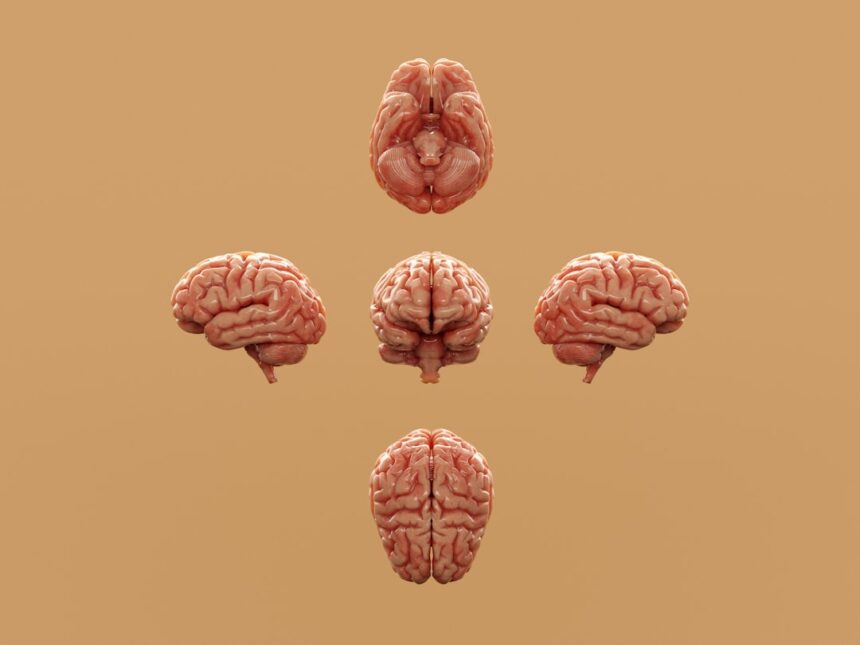
You experience the world through a complex biological system, and within that system lies an incredible capacity for change: neuroplasticity. This isn’t a mystical ability, but a fundamental property of your brain that allows it to rewire itself in response to experiences, learning, and even environmental shifts. Your brain, in essence, is not a static organ but a dynamic, adaptable network.
However, this remarkable adaptability isn’t always directed towards effortless growth and positive development. Under persistent or overwhelming stress, your brain can default to more primitive survival mechanisms, one of the most notable being the fawn response. Understanding how neuroplasticity intersects with this survival strategy is crucial for navigating the challenges of modern life.
Your brain, at its core, is designed to keep you safe and ensure your survival. This fundamental directive has shaped its evolution, leading to the development of sophisticated systems for detecting and responding to threats. These responses are largely involuntary, kicking in before conscious thought can even fully engage.
The Autonomic Nervous System: Your Body’s Threat Monitor
The autonomic nervous system (ANS) is your body’s primary regulator of involuntary functions like heart rate, digestion, and breathing. Crucially, it also plays a central role in your stress response. The ANS has three branches: the sympathetic nervous system (SNS), the parasympathetic nervous system (PNS), and the ventral vagal complex (VVC), often referred to as the “social engagement system.”
The Sympathetic Nervous System: Fight or Flight
When you perceive a threat, your SNS is activated. This triggers the release of stress hormones like adrenaline and cortisol, preparing your body for immediate action. Your heart rate increases, your breathing quickens, and blood is diverted to your major muscle groups. This is the classic “fight or flight” response, designed to help you confront or escape danger.
The Parasympathetic Nervous System: Rest and Digest
The PNS, on the other hand, is responsible for conserving energy and promoting calming activities like digestion and rest. It’s the counterbalance to the SNS, helping your body return to a state of equilibrium after a perceived threat has passed.
The Ventral Vagal Complex: Social Engagement and Connection
The VVC is a more nuanced part of the PNS, associated with social connection and emotional regulation. It allows you to feel safe and engaged with others, fostering a sense of calm and belonging. When activated, it promotes feelings of ease and facilitates cooperation.
Neuroplasticity, the brain’s ability to reorganize itself by forming new neural connections throughout life, plays a significant role in understanding the fawn response, a survival mechanism characterized by people-pleasing behaviors in response to perceived threats. An insightful article that delves deeper into this connection can be found at Unplugged Psych, where the intricate relationship between our brain’s adaptability and our emotional responses is explored, shedding light on how these mechanisms can influence mental health and personal development.
The Fawn Response: A Subtler Survival Strategy
While “fight or flight” are well-known stress responses, there’s an often-overlooked strategy that can emerge when direct confrontation or escape isn’t possible or perceived as effective: the fawn response. This is a form of appeasement, where you attempt to protect yourself by becoming agreeable, eager to please, and compliant.
The Origins of Fawning: A Deep-Seated Instinct
The fawn response has roots in evolutionary biology, particularly in social hierarchies where direct aggression might be too costly. Consider prey animals or even subordinate members of animal groups; appeasing dominant individuals can be a more effective survival strategy than open conflict.
The Role of Attachment in Fawning
Your early experiences with caregivers play a significant role in shaping your stress responses. In environments where expressing needs might have led to rejection, criticism, or even danger, you might have learned to prioritize the needs and emotional states of others to ensure your own safety and receive conditional affection. This can lay the groundwork for habitual fawning.
Fawning as a Protective Mechanism
At its core, fawning is a protective mechanism. When you feel threatened, overwhelmed, or powerless, your brain might “decide” that the safest course of action is to avoid conflict, gain approval, and placate the source of perceived danger. This can manifest as an unconscious effort to make yourself likable, invisible, or indispensable.
Behavioral Manifestations of Fawning
The fawn response isn’t always overt. It often operates on a subconscious level, influencing your thoughts, feelings, and actions in subtle but significant ways.
People-Pleasing and Over-Responsibility
A hallmark of the fawn response is an intense drive to please others. You might find yourself habitually doing favors, agreeing with opinions even if you disagree, and taking on excessive responsibilities to avoid disappointing or upsetting anyone. This often stems from a fear of abandonment or rejection.
Difficulty Setting Boundaries
If you tend to fawn, establishing and maintaining healthy boundaries can be exceptionally challenging. The thought of saying “no” or expressing a need that might inconvenience someone else can trigger intense anxiety or guilt. You may feel that asserting your own needs is selfish or will lead to negative consequences.
Emotional Evasion and Disconnection
Part of fawning involves suppressing your own feelings to prioritize the emotional comfort of others. You might become adept at reading others’ emotions and adjusting your behavior accordingly, while pushing your own emotional experiences aside. This can lead to a sense of disconnect from your own inner world.
Seeking External Validation
When your sense of self-worth is tied to the approval of others, you become reliant on external validation. Compliments, praise, and positive feedback become essential for maintaining your emotional state, while criticism or perceived disapproval can be deeply destabilizing.
Neuroplasticity: The Brain’s Capacity for Change
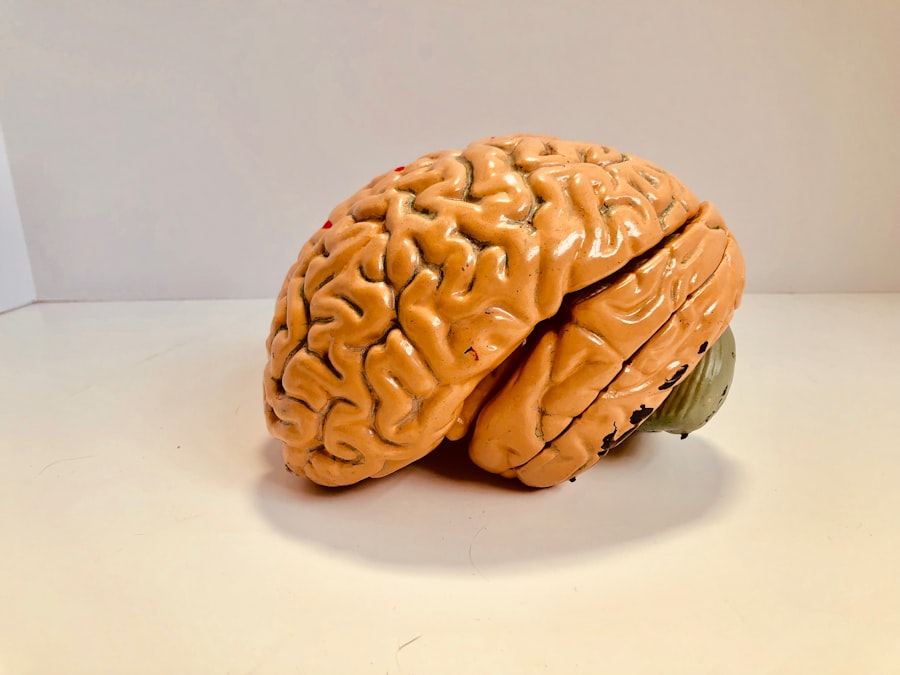
Neuroplasticity is the scientific term for your brain’s ability to change and reorganize itself throughout your life. This is not just about learning new facts; it involves creating new neural pathways, strengthening existing ones, and pruning those that are no longer useful.
How Neuroplasticity Works: Neurons and Synapses
Your brain is composed of billions of neurons, nerve cells that communicate with each other through electrical and chemical signals at junctions called synapses. Every time you have an experience, learn something new, or engage in a behavior, these neural connections are altered.
Synaptic Pruning and Strengthening
When you repeatedly engage in certain thoughts, behaviors, or experiences, the corresponding synaptic connections become stronger and more efficient. Conversely, pathways that are not used tend to weaken and can eventually be pruned away. This is how your brain adapts to your environment and priorities.
Neurogenesis: The Birth of New Neurons
While once thought to be limited, it’s now understood that neurogenesis, the creation of new neurons, can occur in certain areas of the adult brain, particularly in response to learning and experience.
The Impact of Experience on Brain Structure and Function
Your entire life is a continuous process of shaping your brain. From learning to walk as an infant to mastering a complex skill as an adult, each experience contributes to the physical and functional architecture of your brain.
Stress and Its Impact on the Brain
Chronic stress, in particular, can have profound effects on your brain. Prolonged exposure to stress hormones like cortisol can damage neural pathways, particularly in areas associated with memory, emotional regulation, and executive function. This can make it harder to cope with future stressors.
Trauma and Neurobiological Changes
Traumatic experiences can lead to significant and lasting neurobiological changes. The brain’s threat detection systems can become hypersensitive, leading to persistent states of hyperarousal or dissociation. The fawn response can be a direct consequence of traumatic experiences where such appeasement was a matter of survival.
The Interplay: Neuroplasticity and the Fawn Response
Your capacity for neuroplasticity is both a blessing and a potential trap when it comes to the fawn response. Your brain can become so adept at fawning due to repeated experiences that it becomes your default mode of operation.
When Fawning Becomes the Dominant Pathway
If you have a history of experiences that favored appeasement and compliance as a survival strategy, your brain’s neural pathways for fawning will likely be well-established and highly efficient. This means that when you encounter situations that trigger your stress response, fawning becomes the most readily accessible and seemingly effective option.
The Neural Basis of Habitual Fawning
Repeatedly engaging in fawn-like behaviors strengthens the neural circuits associated with people-pleasing, boundary avoidance, and emotional suppression. This makes it more likely that you will automatically resort to these patterns when faced with perceived threats, even in situations where they are no longer necessary or beneficial.
The Vicious Cycle of Stress and Fawning
This can create a vicious cycle: stress triggers the fawn response, which may temporarily alleviate the immediate threat but reinforces the fawn pathway. Over time, this leads to a more rigid and ingrained fawn response, making it harder to access other coping mechanisms.
The Potential for Rewiring: Using Neuroplasticity to Shift
The good news is that neuroplasticity also offers the possibility of rewiring these ingrained patterns. By intentionally engaging in new experiences and practicing different responses, you can create new neural pathways and weaken those that support the fawn response.
Conscious Awareness as the First Step
Understanding your fawn response is the crucial first step. When you can identify the triggers, the thought patterns, and the behavioral manifestations of fawning in yourself, you gain the power to intervene. This awareness breaks the automaticity of the response.
Practicing Assertiveness and Boundary Setting
Learning to assert your needs and set healthy boundaries is a direct counter-practice to the fawn response. This involves small, deliberate steps. Start with low-stakes situations where saying “no” or expressing a slight disagreement is unlikely to have severe consequences.
Reconnecting with Your Inner Experience
Fawning often involves disconnecting from your own emotions and needs. Actively practicing self-awareness, mindfulness, and self-compassion can help you reconnect with your inner world. This involves paying attention to your feelings without judgment and validating your own experiences.
Neuroplasticity, the brain’s ability to reorganize itself by forming new neural connections, plays a crucial role in understanding various psychological responses, including the fawn response. This response, characterized by people pleasing and appeasement behaviors in the face of threat, can be influenced by early experiences and trauma. For a deeper exploration of how neuroplasticity can impact emotional responses and healing, you can read a related article on this topic at Unplugged Psych. Understanding these connections can provide valuable insights into personal development and therapeutic practices.
Cultivating a More Balanced Stress Response
| Neuroplasticity | Fawn Response |
|---|---|
| Refers to the brain’s ability to reorganize itself by forming new neural connections | A stress response where an individual freezes or submits in a threatening situation |
| Can be enhanced through activities such as learning, exercise, and meditation | Associated with the activation of the parasympathetic nervous system |
| Plays a role in learning, memory, and recovery from brain injury | Common in individuals who have experienced trauma or abuse |
Shifting away from a dominant fawn response involves a conscious and ongoing effort to reshape your brain’s habitual tendencies. This is not about eliminating the fawn response entirely, but about ensuring it is not your only response.
Therapeutic Interventions for Pattern Change
Various therapeutic approaches can be highly effective in addressing deeply ingrained fawn responses, particularly when they stem from trauma or adverse childhood experiences.
Trauma-Informed Therapies
Modalities like Eye Movement Desensitization and Reprocessing (EMDR) and Somatic Experiencing focus on processing traumatic memories and regulating the nervous system. They can help desensitize your threat response and create new, more adaptive neural pathways.
Cognitive Behavioral Therapy (CBT)
CBT can help you identify and challenge the negative thought patterns that fuel people-pleasing and boundary avoidance. It provides practical strategies for developing more assertive communication and self-advocacy skills.
Dialectical Behavior Therapy (DBT)
DBT is particularly useful for individuals who struggle with emotional regulation and interpersonal effectiveness. It teaches skills in mindfulness, distress tolerance, emotion regulation, and interpersonal effectiveness, all of which are essential for managing the fawn response.
Lifestyle Practices that Support Neural Reorganization
Beyond formal therapy, everyday practices can significantly contribute to neuroplastic change and foster a more balanced stress response.
Mindfulness and Meditation
Regular mindfulness and meditation practices can enhance your ability to observe your thoughts and emotions without immediately reacting. This cultivates present-moment awareness and allows you to create space between a trigger and your response, making it easier to choose a different course of action than fawning.
Regular Physical Activity
Exercise has been shown to promote neurogenesis and improve the overall health of your brain. It’s also a powerful tool for stress reduction, helping to regulate your nervous system and reduce the likelihood of defaulting to survival-mode responses.
Nurturing Supportive Relationships
While fawning can stem from a desire for approval, genuine, supportive relationships are crucial for healing. These are relationships where you can be your authentic self, have your boundaries respected, and receive unconditional acceptance. This counters the conditional approval-seeking that often drives fawning.
Prioritizing Self-Care
Consistent self-care is not a luxury, but a necessity for maintaining your well-being and supporting neuroplastic change. This includes adequate sleep, nutritious food, and activities that bring you joy and relaxation. When your basic needs are met, your nervous system is less likely to operate in a state of chronic threat.
By understanding the mechanisms of neuroplasticity and the way the fawn response operates, you can begin to intentionally reshape your brain’s response to stress. This journey requires patience, self-compassion, and a commitment to practice. It’s about creating a brain that is resilient, adaptable, and capable of responding to life’s challenges with a fuller spectrum of healthy and effective strategies.
FAQs
What is neuroplasticity?
Neuroplasticity refers to the brain’s ability to reorganize itself by forming new neural connections throughout life. This allows the brain to adapt and change in response to experiences, learning, and injury.
What is the fawn response?
The fawn response is a survival strategy in which an individual seeks to appease and please others in order to avoid harm or conflict. It is often seen in individuals who have experienced trauma or abuse.
How does neuroplasticity relate to the fawn response?
Neuroplasticity plays a role in the development and maintenance of the fawn response. The brain’s ability to reorganize itself allows for the formation of neural pathways associated with the fawn response, as well as the potential for change through therapeutic interventions.
Can neuroplasticity be used to address the fawn response?
Yes, neuroplasticity can be harnessed to address the fawn response through various therapeutic approaches, such as cognitive-behavioral therapy, mindfulness practices, and trauma-focused interventions. These approaches aim to rewire the brain’s neural pathways associated with the fawn response.
What are some practical ways to promote neuroplasticity and address the fawn response?
Practical ways to promote neuroplasticity and address the fawn response include engaging in activities that challenge the brain, such as learning new skills or hobbies, practicing mindfulness and self-compassion, seeking therapy with a qualified mental health professional, and building supportive and nurturing relationships.