
Spiritual awakening is a profound and transformative experience that many individuals encounter on their journey through life.
You may find that this process can be both exhilarating and daunting, as it challenges your existing beliefs and perceptions.
The journey of spiritual awakening is not linear; it ebbs and flows, often leading you through periods of intense introspection and self-discovery. As you delve into the concept of spiritual awakening, you might begin to notice shifts in your consciousness. These shifts can manifest as heightened awareness, increased empathy, or a desire to seek deeper meaning in your life.
You may feel compelled to explore various spiritual practices, such as meditation, yoga, or mindfulness, as you seek to understand your place in the universe. This awakening can lead to a profound sense of peace and fulfillment, but it can also bring up unresolved emotions and past traumas that require your attention and healing.
Key Takeaways
- Spiritual awakening involves deep self-awareness and transformation beyond surface-level changes.
- Recognizing authentic spiritual growth requires noticing genuine signs rather than quick fixes or escapism.
- Avoiding spiritual bypassing is crucial to confront and heal underlying emotional and psychological issues.
- Patience, resilience, and self-compassion are essential qualities to sustain long-term spiritual development.
- Integrating spiritual insights into everyday life and embracing uncertainty fosters continuous growth and transformation.
Recognizing the Signs of Spiritual Growth
Recognizing the signs of spiritual growth is essential for navigating your awakening journey. You may notice changes in your thoughts, feelings, and behaviors that signal a shift in your spiritual development. For instance, you might find yourself questioning long-held beliefs or feeling a sense of disconnection from material possessions and societal expectations.
This introspection can lead to a greater understanding of your values and priorities, allowing you to align your life more closely with your authentic self. Another sign of spiritual growth is an increased sense of compassion and empathy towards others. You may find that you are more attuned to the emotions and struggles of those around you, fostering a desire to help and uplift them.
This newfound awareness can deepen your relationships and create a sense of community as you connect with others on a more profound level. Additionally, you might experience synchronicities or meaningful coincidences that seem to guide you along your path, reinforcing your belief in the interconnectedness of all things.
Embracing the Process of Spiritual Awakening
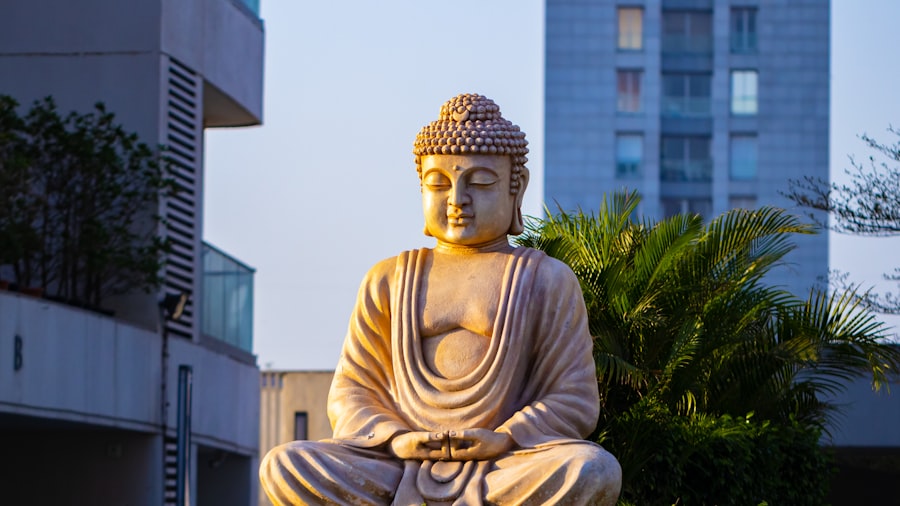
Embracing the process of spiritual awakening requires an open heart and mind. You may encounter challenges along the way, but it is essential to approach these obstacles with curiosity rather than resistance. By allowing yourself to fully experience the ups and downs of this journey, you can cultivate a deeper understanding of yourself and your place in the world.
This process often involves letting go of old patterns and beliefs that no longer serve you, making space for new insights and growth. As you navigate this transformative journey, it is crucial to practice self-compassion. You may find that some days are more challenging than others, and that’s perfectly normal.
Embracing the process means acknowledging your feelings without judgment and allowing yourself the grace to grow at your own pace. Remember that spiritual awakening is not a destination but a continuous journey of exploration and self-discovery.
The Dangers of Spiritual Bypassing
While spiritual awakening can be a beautiful journey, it is essential to be aware of the dangers of spiritual bypassing. This term refers to the tendency to use spiritual beliefs or practices as a way to avoid dealing with emotional pain or unresolved issues. You might find yourself gravitating towards positive affirmations or meditation as a means to escape difficult feelings rather than confronting them head-on.
While these practices can be beneficial, using them as a shield can hinder your growth and prevent you from fully experiencing the richness of life. Spiritual bypassing can manifest in various ways, such as dismissing negative emotions or avoiding necessary conversations with loved ones. You may convince yourself that everything happens for a reason or that you should always maintain a positive outlook, even when facing adversity.
This mindset can lead to emotional suppression and ultimately stifle your spiritual growth. Recognizing when you are engaging in spiritual bypassing is crucial for fostering genuine healing and transformation.
Overcoming the Urge to Bypass
| Aspect | Spiritual Awakening | Spiritual Bypass |
|---|---|---|
| Definition | A genuine process of inner transformation and increased awareness. | Using spiritual ideas or practices to avoid facing unresolved emotional issues. |
| Emotional Processing | Encourages facing and integrating emotions. | Avoids or suppresses difficult emotions. |
| Self-Awareness | Develops deep self-awareness and authenticity. | Leads to denial or minimization of personal problems. |
| Relationship Impact | Improves relationships through empathy and compassion. | Can cause disconnection or superficial relationships. |
| Use of Spiritual Practices | Used as tools for growth and healing. | Used to escape or avoid inner pain. |
| Outcome | Greater emotional resilience and spiritual maturity. | Emotional stagnation and potential spiritual stagnation. |
| Common Signs | Increased mindfulness, acceptance, and presence. | Overemphasis on positivity, denial of pain, or spiritual superiority. |
Overcoming the urge to bypass requires self-awareness and honesty with yourself. You may need to take a step back and evaluate your motivations for engaging in certain spiritual practices. Are you using them as tools for growth, or are they serving as distractions from deeper issues?
By asking yourself these questions, you can begin to identify patterns in your behavior that may indicate spiritual bypassing. It’s important to create space for vulnerability in your spiritual journey. Allow yourself to feel uncomfortable emotions without judgment; this is where true healing occurs.
You might consider journaling or seeking therapy as ways to process these feelings constructively. By confronting your emotions rather than avoiding them, you can cultivate resilience and foster genuine growth on your spiritual path.
Cultivating Patience and Resilience in Spiritual Growth

Cultivating patience and resilience is vital for navigating the often tumultuous waters of spiritual growth. You may find that progress is not always linear; there will be moments of clarity followed by periods of confusion or stagnation. Embracing this ebb and flow is essential for developing resilience.
Instead of becoming frustrated with setbacks, try to view them as opportunities for learning and growth. Practicing patience also means allowing yourself the time needed to integrate new insights into your life fully. You might feel an urge to rush through this process, but true transformation takes time.
By nurturing patience within yourself, you create an environment where growth can flourish organically. Remember that every step on your journey is valuable, even if it doesn’t always feel like progress.
Seeking Support and Guidance in the Awakening Process
As you navigate your spiritual awakening, seeking support and guidance can be incredibly beneficial. You may find comfort in connecting with like-minded individuals who share similar experiences or beliefs. Joining a spiritual community or attending workshops can provide you with valuable insights and encouragement as you explore your path.
Surrounding yourself with supportive people can help you feel less isolated during challenging times. Additionally, consider seeking guidance from mentors or spiritual teachers who resonate with you. They can offer wisdom and perspective based on their own experiences, helping you navigate the complexities of your journey.
Whether through books, podcasts, or one-on-one sessions, finding resources that resonate with you can provide clarity and direction as you continue on your path.
Practicing Self-Compassion and Self-Acceptance
Practicing self-compassion and self-acceptance is crucial for fostering a healthy relationship with yourself during your spiritual awakening. You may encounter moments of self-doubt or criticism as you confront old patterns and beliefs; it’s essential to counter these thoughts with kindness and understanding. Remind yourself that everyone’s journey is unique, and it’s okay to be imperfect.
Self-acceptance involves embracing all aspects of yourself—the light and the shadow. You might find it helpful to engage in practices such as affirmations or mindfulness meditation to cultivate a sense of inner peace and acceptance. By acknowledging your feelings without judgment, you create space for healing and growth, allowing yourself to flourish on your spiritual path.
Integrating Spiritual Growth into Daily Life
Integrating spiritual growth into your daily life is essential for maintaining momentum on your journey. You may find that incorporating small practices into your routine can help reinforce the insights you’ve gained during your awakening process. Consider setting aside time each day for meditation, journaling, or reflection; these practices can serve as anchors amidst the chaos of daily life.
Additionally, look for opportunities to apply your newfound awareness in everyday situations. Whether it’s practicing mindfulness while eating or approaching interactions with empathy and compassion, integrating spirituality into daily life allows you to embody the changes you’ve experienced on a deeper level. This integration fosters a sense of harmony between your inner world and external reality.
Embracing the Unknown in Spiritual Awakening
Embracing the unknown is an integral part of the spiritual awakening process. As you embark on this journey, you may encounter uncertainty about what lies ahead or how to navigate new experiences. Instead of fearing the unknown, try to approach it with curiosity and openness.
This mindset allows you to explore new possibilities without being hindered by preconceived notions or expectations. You might find that embracing uncertainty opens doors to profound insights and experiences that enrich your spiritual journey. Allowing yourself to sit with discomfort can lead to unexpected growth opportunities; trust that the universe has a plan for you even when things feel chaotic or unclear.
Nurturing a Mindset of Growth and Transformation
Nurturing a mindset of growth and transformation is essential for sustaining your spiritual journey over time. You may find it helpful to adopt an attitude of curiosity towards challenges rather than viewing them as obstacles. By reframing difficulties as opportunities for learning, you cultivate resilience and adaptability in the face of adversity.
Additionally, celebrate your progress along the way—no matter how small it may seem. Acknowledging your achievements fosters motivation and reinforces the belief that growth is possible at every stage of your journey. By nurturing this mindset, you empower yourself to embrace change wholeheartedly while remaining committed to your ongoing evolution as a spiritual being.
In conclusion, navigating the complexities of spiritual awakening requires patience, resilience, self-compassion, and an openness to embrace both the light and shadow within yourself. As you embark on this transformative journey, remember that every step—whether forward or backward—contributes to your growth and understanding of the world around you. Embrace each moment with curiosity and grace as you continue on this beautiful path toward self-discovery and enlightenment.
In exploring the nuances of spiritual awakening versus spiritual bypass, it’s essential to understand how these concepts can impact personal growth and emotional well-being. A related article that delves deeper into this topic can be found on Unplugged Psych, which offers valuable insights into the differences between genuine spiritual development and the tendency to avoid emotional challenges through spiritual practices. For more information, you can read the article [here](https://www.unpluggedpsych.com/).
WATCH THIS! The Spiritual Bypass Is Just Narcissism in a Lululemon Shirt
FAQs
What is spiritual awakening?
Spiritual awakening is a process of becoming more aware of one’s inner self, higher consciousness, or a deeper connection to the universe. It often involves personal growth, increased mindfulness, and a shift in perspective about life and existence.
What does spiritual bypass mean?
Spiritual bypass refers to the use of spiritual beliefs or practices to avoid dealing with unresolved emotional issues, psychological wounds, or difficult life challenges. It can involve ignoring or suppressing negative feelings by focusing solely on spiritual ideals.
How can you differentiate between spiritual awakening and spiritual bypass?
Spiritual awakening involves genuine self-awareness, healing, and integration of all aspects of the self, including shadow emotions. Spiritual bypass, on the other hand, is characterized by avoidance of personal issues through spiritual rationalizations or denial, preventing true healing.
What are common signs of spiritual bypass?
Common signs include dismissing negative emotions as unspiritual, overemphasizing positivity, avoiding therapy or emotional work, using spiritual jargon to justify unhealthy behaviors, and neglecting personal boundaries.
Can spiritual awakening help with emotional healing?
Yes, spiritual awakening can facilitate emotional healing by encouraging self-reflection, acceptance, and compassion. It promotes facing and integrating difficult emotions rather than avoiding them.
Is spiritual bypass harmful?
Spiritual bypass can be harmful because it prevents individuals from addressing underlying psychological or emotional issues, potentially leading to unresolved trauma, relationship problems, and stagnation in personal growth.
How can one avoid spiritual bypass during their spiritual journey?
To avoid spiritual bypass, it is important to acknowledge and work through emotional pain, seek professional help if needed, maintain a balanced approach to spirituality, and remain honest about personal challenges.
Are there any practices that support genuine spiritual awakening?
Practices such as mindfulness meditation, journaling, therapy, self-inquiry, and compassionate self-reflection support genuine spiritual awakening by fostering awareness and emotional integration.
Can spiritual awakening and spiritual bypass occur simultaneously?
Yes, it is possible for someone to experience aspects of both simultaneously. A person may have moments of genuine awakening while also occasionally using spiritual bypass to avoid difficult emotions.
Who can benefit from learning about spiritual awakening versus spiritual bypass?
Anyone interested in personal growth, spirituality, psychology, or emotional healing can benefit from understanding the difference to ensure a healthy and authentic spiritual journey.