
You’re in a crowded room, the hum of conversation a low roar. A laugh erupts from a nearby table, and your head snaps up, your mind racing. Was it at you? Did you say something wrong? Even though rationally you know it’s unlikely, a knot tightens in your stomach. This is your reality, a constant state of alert, a relentless scanning of your surroundings for potential threats. This, you realize with a sigh, is the burden of hypervigilance in social situations.
You’ve become an expert at reading between the lines, at dissecting every facial expression, every shift in body language, every subtle inflection in someone’s voice. It’s not a skill you consciously cultivated, but rather a survival mechanism that took root, perhaps due to past experiences or a predisposition to anxiety. Your brain, in its effort to protect you, has effectively turned into an unseen scanner, constantly searching for danger signals.
The Amygdala’s Alarm Bell
At the heart of this hypervigilance lies your amygdala, the brain’s alarm system. When it perceives a threat, even a perceived one, it floods your system with stress hormones like adrenaline and cortisol. This is your “fight or flight” response kicking in, but in social settings, there’s rarely an actual physical danger to fight or flee from. Instead, you’re left in a state of perpetual unease, your nervous system on high alert, waiting for something to happen.
When Every Interaction Feels Like a Minefield
You know that this heightened state isn’t serving you well. You dread social gatherings, not because you dislike people, but because the sheer effort of navigating them is exhausting. You feel like you’re walking through a minefield, every step a potential misstep that could lead to embarrassment, rejection, or social ostracization. This constant vigilance drains your mental and emotional energy, leaving you feeling depleted and overwhelmed.
The Interpretation Bias: Reading Danger Where There Is None
Your hypervigilant brain has developed a strong interpretation bias. It’s predisposed to interpret neutral or ambiguous social cues as negative. A fleeting frown from someone across the room isn’t just a momentary expression; it’s a clear sign they disapprove of you. A brief pause in conversation isn’t a moment for someone to collect their thoughts; it’s a sign of awkwardness you’ve created. This bias creates a self-fulfilling prophecy, where your fear of negative outcomes can actually contribute to them.
The “What If” Syndrome: A Constant Companion
The “what if” syndrome is your unwelcome companion. What if they think I’m boring? What if I say the wrong thing? What if they’re judging me? These questions loop endlessly in your mind, fueling your anxiety and making it difficult to be present in the moment. You’re so busy anticipating potential disasters that you miss out on the genuine connections and positive experiences that might be happening all around you.
Hypervigilance, characterized by an enhanced state of sensory sensitivity and an exaggerated awareness of one’s surroundings, often leads individuals to constantly read the room in social situations. This heightened state can be both a protective mechanism and a source of anxiety, as it compels individuals to be acutely aware of potential threats or social cues. For a deeper understanding of the psychological implications of hypervigilance and its impact on interpersonal dynamics, you can explore the article available at Unplugged Psych.
The Social Minefield: Navigating Interactions Under a Magnifying Glass
You approach social situations with a meticulous, almost forensic, level of attention. Every word you speak, every gesture you make, every glance you exchange is scrutinized. This isn’t about being polite or considerate; it’s about damage control, about trying to minimize the perceived risks.
The Over-Analysis of Every Detail
You can recall entire conversations in minute detail, dissecting each utterance for hidden meanings and potential slights. You replay interactions in your head, searching for any indication that you’ve somehow failed. This relentless over-analysis prevents you from truly enjoying the present moment. You’re not experiencing the joy of connection; you’re enduring a stressful investigation.
The Fear of Judgment: A Constant Shadow
The fear of judgment is a pervasive shadow that follows you. You imagine yourself being assessed, categorized, and found wanting by everyone you meet. This fear can lead you to self-sabotage, to withdraw from interactions before they even begin, or to try too hard to impress, which can often have the opposite effect.
The Performance Anxiety: Every Social Event is a Stage
You often feel like you’re performing rather than simply being. Every social event becomes a stage where you have to deliver a flawless performance. You practice conversations in your head, rehearse witty remarks, and agonize over your appearance. This performance anxiety is exhausting and prevents you from being authentic, making it harder to form genuine connections.
The Struggle for Spontaneity: When Playfulness is a Luxury
Spontaneity feels like a distant luxury. Your hypervigilance makes it difficult to simply relax and go with the flow. You’re constantly self-censoring, worried about saying or doing something that might be perceived as inappropriate or off-putting. This can make you appear stiff or reserved, further reinforcing the negative interpretations others might have.
The Physical Toll: When Your Body Betrays Your Intentions

Your hypervigilance isn’t just a mental burden; it manifests physically, creating a tangible discomfort that amplifies your distress. Your body, reacting to the perceived threats, is in a constant state of tension.
The Tight Chest and Shallow Breath
You’ve become intimately familiar with the feeling of a tight chest, the sensation of your breath catching in your throat. This is your body’s stress response, preparing you for action. But in a social setting, this physical manifestation of anxiety can be incredibly distracting and can make you appear nervous or unwell, even if you’re feeling otherwise fine internally.
The Racing Heart and Sweaty Palms
Your heart pounds in your chest, a drumbeat of anxiety accompanying every interaction. Your palms often become clammy, betraying your inner turmoil. These physical symptoms can be embarrassing and can further fuel your self-consciousness, creating a vicious cycle of anxiety and physical reaction.
The Stomach Knots and Digestive Distress
That familiar knot in your stomach is a constant reminder of your underlying stress. You might experience digestive issues, such as nausea or an upset stomach, when you anticipate or are in a social situation. Your body is screaming “danger,” even when your rational mind knows there’s no immediate threat.
The Muscle Tension and Fatigue
You often feel a pervasive muscle tension, particularly in your shoulders and neck. This chronic tension can lead to headaches and overall fatigue. Your body is perpetually braced for impact, even when there’s no impact to be had. The sheer energy expended in maintaining this state of alert leaves you utterly drained.
The Internal Monologue: The Tyranny of Your Own Thoughts

Your inner critic is a relentless taskmaster, constantly evaluating your every move and delivering harsh judgments. This internal monologue is a significant part of the burden of hypervigilance, shaping your perceptions and reinforcing your anxieties.
The Constant Self-Criticism: Never Good Enough
You are your own harshest critic. You replay conversations, dissecting your words and actions, always finding fault. “I was too quiet,” you tell yourself. “I didn’t say anything interesting.” “I must have looked awkward.” This constant self-criticism erodes your self-esteem and makes it incredibly difficult to feel confident in social situations.
The Comparison Game: Always Falling Short
You find yourself constantly comparing yourself to others. You observe their seemingly effortless social grace, their confident demeanor, and their ability to connect with ease. This comparison game inevitably leaves you feeling inadequate, reinforcing the belief that you are somehow less capable or less worthy of social acceptance.
The Catastrophizing Mindset: Predicting the Worst-Case Scenario
Your mind has a penchant for catastrophizing. You don’t just anticipate negative outcomes; you envision the absolute worst-case scenario. A mild disagreement becomes a full-blown argument that will ruin your reputation. A moment of awkward silence is interpreted as a sign that everyone suddenly dislikes you and is silently planning your social exile. This tendency to jump to the most extreme negative conclusion is exhausting and paralyzing.
The Difficulty in Present Moment Awareness: Stuck in the Past and Future
Your hypervigilance traps you in a loop of past regrets and future anxieties. You’re so busy replaying past faux pas or dreading future social encounters that you struggle to be truly present. The current moment, with its potential for joy and connection, often passes you by, unnoticed, as you remain consumed by your internal narrative.
Hypervigilance often manifests as an intense awareness of one’s surroundings, leading individuals to constantly read the room for potential threats or social cues. This heightened state of alertness can be exhausting and may impact personal relationships and mental well-being. For those interested in exploring this topic further, an insightful article on the effects of hypervigilance can be found at Unplugged Psych, which delves into the psychological implications and offers strategies for managing these feelings. Understanding the nuances of hypervigilance can help individuals find balance and improve their overall quality of life.
Reclaiming Your Social Space: Strategies for Quieting the Scanner
| Metrics | Data |
|---|---|
| Frequency of checking surroundings | High |
| Level of alertness | Constantly high |
| Impact on mental health | Increased anxiety |
| Ability to focus on tasks | Impacted |
| Interpersonal relationships | Strained due to over-analysis |
The good news is that you don’t have to live with this burden forever. While it may feel deeply ingrained, there are strategies you can employ to begin to quiet the relentless scanner and reclaim your social space. This is a journey, not a destination, and it requires patience, self-compassion, and consistent effort.
Understanding Your Triggers: Awareness is the First Step
The first crucial step is to become aware of your triggers. What specific situations or interactions tend to activate your hypervigilance? Is it large crowds, unfamiliar people, certain topics of conversation, or perhaps the fear of public speaking? By identifying your triggers, you can begin to anticipate and prepare for them, rather than being caught off guard.
Journaling Your Experiences: Unpacking the Data
Keep a journal where you document your social experiences. Note down the situation, your thoughts and feelings before, during, and after, and any physical sensations you experienced. This objective record can help you identify patterns and challenge your often distorted interpretations. Over time, you might notice that your fears were not realized, or that the perceived negative outcomes were far less severe than you imagined.
Practicing Mindfulness and Grounding Techniques: Anchoring Yourself in the Present
Mindfulness is about paying attention to the present moment without judgment. When you feel your hypervigilance kicking in, bring your awareness to your senses. What do you see, hear, smell, taste, and feel in this exact moment? Grounding techniques, such as focusing on your breath or feeling your feet on the ground, can help pull you out of your anxious thoughts and anchor you in the present.
Deep Breathing Exercises: Calming the Nervous System
Simple deep breathing exercises can have a profound impact on your nervous system. When you feel the tension rising, take slow, deep breaths, inhaling through your nose and exhaling slowly through your mouth. This can help to regulate your heart rate, lower your blood pressure, and signal to your body that you are safe.
Challenging Your Negative Thought Patterns: Cognitive Restructuring
Your negative thought patterns are often automatic, but they are not necessarily true. Cognitive restructuring involves actively challenging these negative thoughts. Ask yourself: What is the evidence for this thought? What is the evidence against it? Is there another way to interpret this situation? By questioning and reframing your thoughts, you can begin to dismantle the power they hold over you.
Gradual Exposure: Stepping Out of Your Comfort Zone
Slowly and deliberately exposing yourself to situations that trigger your hypervigilance can help build your tolerance. Start with small, manageable steps. If large crowds are overwhelming, try a smaller gathering. If one-on-one conversations are difficult, practice with a trusted friend. Gradually increasing your exposure allows you to build confidence and learn that you can navigate these situations without the catastrophic outcomes you fear.
Seeking Professional Support: When You Need an Expert Guide
It’s important to acknowledge that for some, hypervigilance can be deeply rooted and significantly impact their lives. If you find yourself struggling to manage these feelings on your own, don’t hesitate to seek professional help. A therapist or counselor can provide you with effective strategies, such as Cognitive Behavioral Therapy (CBT) or Exposure Therapy, tailored to your specific needs. They can offer a safe and supportive space to explore the origins of your hypervigilance and develop lasting coping mechanisms. You don’t have to navigate this challenging terrain alone.
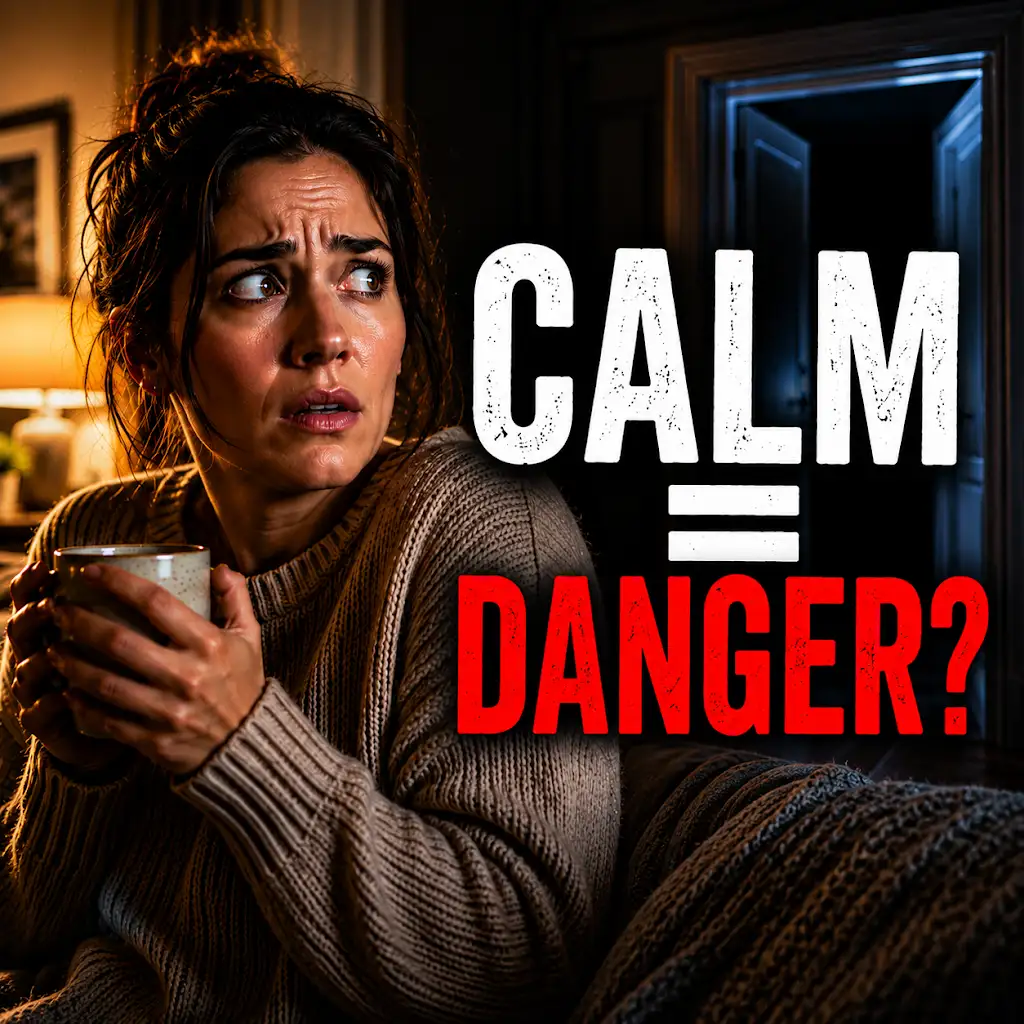
Your Life Is Safe. So Why Are You Still on Alert?
FAQs
What is hypervigilance?
Hypervigilance is a state of being constantly on high alert, often due to past trauma or anxiety. It involves being extremely aware of one’s surroundings and constantly scanning for potential threats.
What are the symptoms of hypervigilance?
Symptoms of hypervigilance can include heightened sensitivity to stimuli, difficulty relaxing, irritability, trouble sleeping, and an exaggerated startle response. It can also lead to exhaustion and difficulty concentrating.
How does hypervigilance affect social interactions?
Hypervigilance can impact social interactions by causing individuals to constantly read the room for potential threats or signs of danger. This can lead to heightened anxiety in social situations and difficulty fully engaging with others.
What are some strategies for managing hypervigilance?
Strategies for managing hypervigilance can include therapy, mindfulness practices, relaxation techniques, and creating a safe and supportive environment. It’s important to seek professional help if hypervigilance is significantly impacting daily life.
Can hypervigilance be treated?
Yes, hypervigilance can be treated with the help of mental health professionals. Treatment may involve therapy, medication, and developing coping mechanisms to manage the symptoms of hypervigilance.