
You find yourself perpetually on edge in your relationships, don’t you? Every sigh, every delayed text, every shift in tone feels like a potential threat, a harbinger of conflict or abandonment. You’re experiencing emotional hypervigilance, a state of heightened sensitivity to perceived dangers in your interpersonal world. It’s like your emotional radar is stuck on high, constantly scanning for trouble, often conjuring it where none exists. This isn’t a flaw in your character; it’s a survival mechanism, a leftover echo from past experiences that taught you to be on guard. But in healthy relationships, this constant vigilance can be exhausting and destructive. This article is your guide to understanding and navigating this challenging terrain, so you can build connections that feel safer and more fulfilling.
You’re not born with this hypersensitivity. It’s a learned response, a protective shield forged in the fires of past emotional experiences. Recognizing the origins of your hypervigilance is the crucial first step towards dismantling it. It’s about understanding why your internal alarm system is so finely tuned.
The Shadow of Past Trauma and Attachment Insecurity
Perhaps you’ve experienced situations where your emotional needs weren’t met, or where you were subjected to emotional neglect or invalidation. Childhood experiences of inconsistent parenting, where love and attention were conditional, can instill a deep-seated fear of abandonment. You learned to anticipate rejection, to read the subtle cues that might signal you were about to be left behind. Similarly, if you’ve endured abusive relationships, whether physical, emotional, or verbal, your system learned to associate closeness with danger. This trauma can lead to a chronic state of anxiety, where you’re always braced for the next blow.
When ‘Unsafe’ Becomes the Default
For you, the experience of intimacy might have become synonymous with risk. The warmth of a hug, the vulnerability of sharing your feelings – these can all trigger a primitive fear response. Your brain, in its attempt to protect you, interprets these normal moments of connection as potential triggers for the pain you’ve known before. You might have developed a keen, almost instinctive ability to detect shifts in a partner’s mood, body language, or even their breathing, all in service of avoiding a perceived threat. This relentless vigilance means you’re rarely able to simply relax and enjoy the present moment in your relationships.
The Impact of Current Relationship Dynamics
While past experiences are foundational, your current relationships can also actively fuel your hypervigilance. If you’re in a partnership with someone who is emotionally unavailable, inconsistent, or prone to conflict, your existing sensitivities will be amplified. You might find yourself constantly questioning their intentions, dissecting their words, and searching for hidden meanings. This can create a self-fulfilling prophecy: your anxiety leads you to act in ways that inadvertently create distance or tension, which then reinforces your belief that the relationship is unstable.
The Cycle of Anxiety and Reassurance Seeking
This dynamic often leads to a tiresome cycle of anxiety and reassurance seeking. You’ll ask your partner repeatedly if they’re okay, if they’re upset, if they still love you. While well-intentioned, this constant questioning can become a burden for your partner and can erode trust. You’re looking for them to soothe your fears, but you’re not allowing yourself to genuinely believe their reassurances. This constant need for validation, while understandable given your internal landscape, can be exhausting for both of you.
Emotional hypervigilance in relationships can significantly impact the dynamics between partners, often leading to misunderstandings and heightened anxiety. For a deeper understanding of this phenomenon and its effects on interpersonal connections, you can explore the article available at Unplugged Psych. This resource provides valuable insights into the causes of emotional hypervigilance and offers strategies for fostering healthier communication and emotional well-being in relationships.
Recognizing the Signs in Your Own Behavior
You might be so accustomed to your hypervigilant patterns that you don’t even realize they’re dictating your actions. The first step to change is self-awareness. What does emotional hypervigilance actually look like in your day-to-day interactions? It’s about identifying the subtle, and sometimes not-so-subtle, ways you’re signaling your inner turmoil.
The Constant Scan for Threats
Your internal monologue is likely a running commentary on your partner’s behavior. You’re constantly analyzing their words, their tone, their silences. A slightly delayed text response might trigger a cascade of worst-case scenarios: “They’re mad at me,” “They’re bored,” “They’re seeing someone else.” You might find yourself replaying conversations, dissecting them for any hint of criticism or disapproval, even if none was intended. This obsessive focus on potential threats leaves you perpetually on guard, never truly present.
The “What If” Game
Your mind is a fertile ground for the “what if” game. You’re adept at conjuring up every possible negative outcome, every potential pitfall. This can manifest as excessive worrying about the future of the relationship, imagining scenarios where you’re left alone or hurt. This constant mental rehearsal of disaster, while meant to prepare you, actually paralyzes you and prevents you from enjoying the good in the present.
Physical Manifestations of Stress
Your body often bears the brunt of your emotional hypervigilance. You might experience chronic tension headaches, digestive issues, difficulty sleeping, or a persistent knot in your stomach. These physical symptoms are your body’s way of signaling that something is not right, that you’re operating in a state of perpetual stress. Your nervous system is constantly activated, ready to flee or fight, even when there’s no real danger.
The Race for Avoidance or Over-Engagement
When you perceive a threat, your response often falls into one of two extremes: avoidance or over-engagement. You might withdraw emotionally, shut down, or create distance to protect yourself from potential hurt. Alternatively, you might become overly accommodating, people-pleasing, or excessively attentive, desperately trying to prevent any perceived conflict from arising. Both of these strategies, while seemingly protective, can ultimately damage intimacy.
Reclaiming Your Emotional Safety: Strategies for Change

The good news is that you can learn to manage your emotional hypervigilance. It’s a process, not an overnight fix, but with conscious effort and the right tools, you can cultivate a greater sense of peace and security in your relationships. This isn’t about eliminating all discomfort; it’s about learning to differentiate between genuine threats and your internal alarm system’s overreactions.
Cultivating Mindfulness and Present Moment Awareness
Mindfulness is your superpower for taming your hypervigilant mind. It’s the practice of intentionally bringing your attention to the present moment, without judgment. When you’re mindful, you’re able to observe your thoughts and feelings without getting swept away by them. This allows you to create a little space between the stimulus (your partner’s behavior) and your response (your anxious interpretation).
The Power of the Breath
Your breath is your anchor to the present. When you feel your anxiety starting to spiral, consciously focus on your breath. Notice the sensation of air entering and leaving your lungs. This simple act can help to calm your nervous system and ground you in the here and now. It’s a readily available tool that you can use anytime, anywhere.
Observing Thoughts Without Attachment
Learn to observe your anxious thoughts as if they were clouds passing in the sky. You don’t have to believe them or act on them. Recognize that thoughts are just thoughts, not necessarily facts. Practice saying to yourself, “I’m having the thought that they are mad at me,” rather than “They are mad at me.” This subtle shift in language creates crucial distance.
Challenging Your Anxious Thoughts
Your hypervigilant mind often jumps to conclusions based on assumptions and past experiences. You need to become a detective of your own thoughts, looking for evidence to support or refute your anxious interpretations. This involves actively questioning the narrative your mind is constructing.
Seeking Concrete Evidence
When you have an anxious thought, ask yourself: “What is the concrete evidence for this?” Is there actual proof that your partner is upset, or are you inferring it based on a vague feeling or a past event? Often, you’ll find that the evidence is flimsy or nonexistent. This process helps to derail the runaway train of your anxious thinking.
Considering Alternative Explanations
Your mind often defaults to the worst-case scenario. Make a conscious effort to brainstorm other, more neutral or even positive, explanations for your partner’s behavior. Perhaps their delayed text response was because they were in a meeting, or their quiet mood was because they had a long day at work. Widening your perspective can significantly reduce anxiety.
Building Trust and Secure Attachment

The ultimate goal is to move from a place of chronic vigilance to one of earned trust and secure attachment. This involves both internal work on your part and open communication with your partner. It’s about creating a foundation of safety that allows for genuine connection.
Open and Honest Communication with Your Partner
Your partner cannot read your mind. You need to learn to express your feelings and needs directly, rather than expecting them to intuit what’s wrong. This can be challenging when you’re accustomed to hinting or withdrawing, but it’s essential for building understanding.
Expressing Feelings, Not Accusations
When you’re feeling anxious, instead of saying, “You always do this,” try saying, “I feel anxious when I don’t hear from you for a while because it brings up fears from my past.” This “I” statement focuses on your experience and feelings, making it less likely to put your partner on the defensive. It invites them to understand your vulnerability, not to feel attacked.
Setting Healthy Boundaries
Boundaries are not walls to keep people out; they are guidelines for healthy interaction. In the context of hypervigilance, boundaries can help you protect your emotional energy and ensure your needs are met. This might involve communicating your need for reassurance at specific times, or setting limits on how much you will ruminate on a perceived issue.
Fostering Self-Compassion and Self-Soothing
You’ve been hard on yourself for a long time, viewing your hypervigilance as a weakness. It’s time to shift that perspective. Practicing self-compassion means treating yourself with the same kindness and understanding you would offer a dear friend who is struggling.
Recognizing Your Efforts
Acknowledge the immense effort you’re putting into managing your emotional responses. Celebrate small victories. Did you manage to interrupt an anxious thought cycle? Did you communicate a need instead of withdrawing? These are significant achievements.
Developing Self-Soothing Techniques
Learn what genuinely calms you and brings you a sense of peace. This could be anything from listening to soothing music, taking a warm bath, spending time in nature, engaging in a hobby, or practicing gentle stretching. Having a repertoire of self-soothing techniques allows you to actively manage your anxiety when it arises, rather than being at its mercy.
Emotional hypervigilance in relationships can often lead to heightened anxiety and stress, making it difficult for individuals to feel secure and connected with their partners. Understanding this phenomenon is crucial for fostering healthier dynamics. For further insights on managing emotional responses and improving relationship satisfaction, you can explore a related article on this topic at Unplugged Psych. This resource offers valuable strategies to help individuals navigate their feelings and build stronger, more resilient connections.
Seeking Professional Support for Lasting Change
| Emotional Hypervigilance in Relationships | Metrics |
|---|---|
| Frequency of Checking Partner’s Behavior | High, Moderate, Low |
| Level of Suspicion towards Partner | High, Moderate, Low |
| Impact on Emotional Well-being | Severe, Moderate, Mild |
| Frequency of Emotional Triggers | High, Moderate, Low |
While self-help strategies are powerful, sometimes the roots of emotional hypervigilance run deep, and professional guidance can be invaluable. A therapist can provide a safe and supportive environment for you to explore these patterns and develop more effective coping mechanisms.
The Benefits of Therapy
Therapy offers a structured and guided approach to understanding and healing from past experiences that contribute to hypervigilance. A skilled therapist can help you identify the underlying causes of your anxiety, process traumatic memories, and develop healthier relationship patterns.
Trauma-Informed Approaches
If your hypervigilance stems from past trauma, working with a therapist who specializes in trauma-informed care is crucial. Techniques like Eye Movement Desensitization and Reprocessing (EMDR) or Somatic Experiencing can help you process traumatic experiences at a deeper level, reducing their impact on your present relationships.
Cognitive Behavioral Therapy (CBT) and Dialectical Behavior Therapy (DBT)
CBT can help you identify and challenge negative thought patterns that fuel your hypervigilance. DBT offers skills for emotional regulation, distress tolerance, and interpersonal effectiveness, all of which are vital for managing heightened emotional sensitivity. These therapies provide concrete tools and strategies you can implement in your daily life.
The Role of a Supportive Partner
While the primary work is yours, a supportive partner can be a significant asset in your journey. Open communication about your struggles and your desire for change can foster empathy and understanding.
Educating Your Partner
Share what you’re learning about emotional hypervigilance with your partner. Help them understand that your reactions are often not about them, but about your internal programming. This can foster patience and reduce their own feelings of frustration or confusion.
Collaborative Growth
View your journey as a collaborative effort. Your partner can be a source of support and encouragement, and together you can build a more secure and loving relationship. They can help you practice new communication skills and offer gentle reminders when you’re falling back into old patterns.
Navigating emotional hypervigilance is a journey of self-discovery and courageous change. It requires patience, persistence, and a deep commitment to your own well-being. By understanding its roots, recognizing its manifestations, and actively employing strategies for change, you can gradually dismantle the walls of vigilance and build relationships that are not only safe but also deeply enriching and fulfilling. You deserve to experience the warmth and ease of genuine connection, and with the right approach, you can absolutely achieve it.
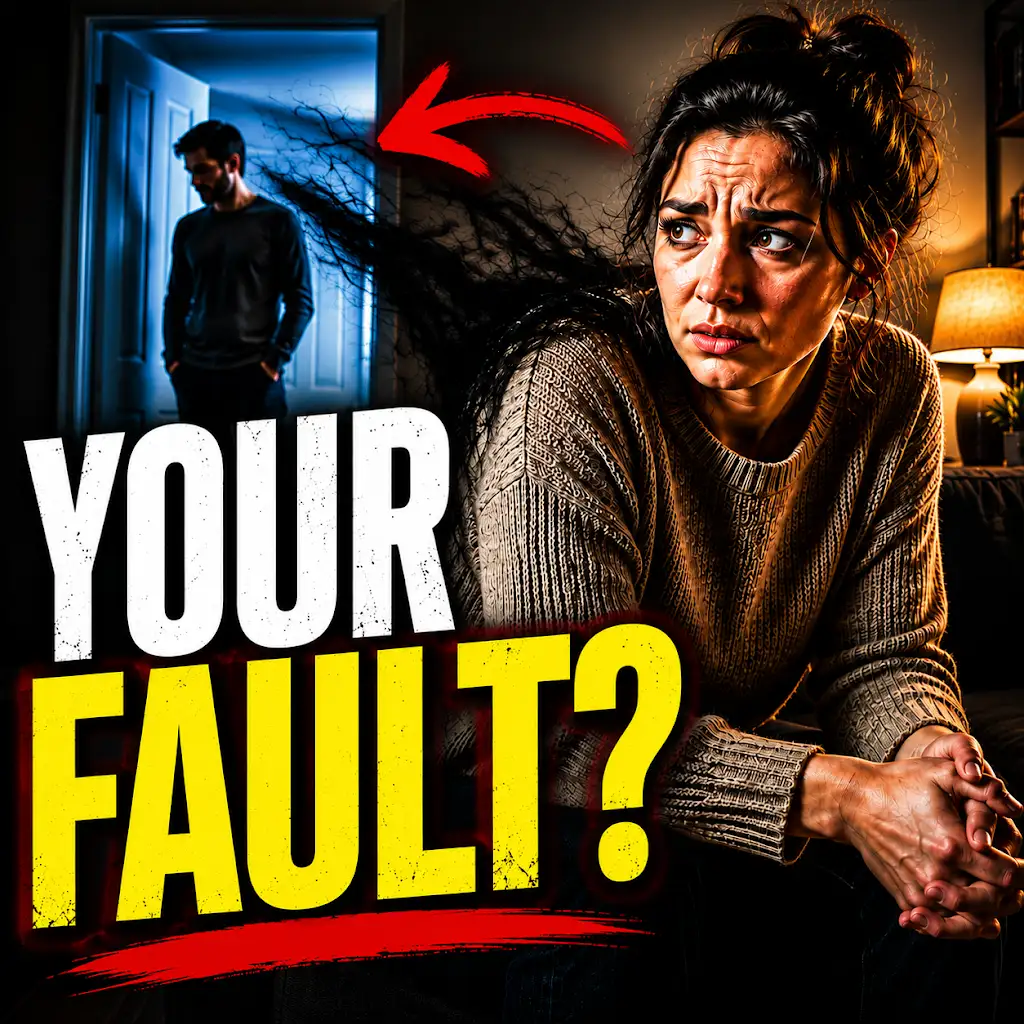
Why You Feel Guilty When Someone Is Upset With You
FAQs
What is emotional hypervigilance in relationships?
Emotional hypervigilance in relationships refers to a state of heightened sensitivity and alertness to potential emotional threats or dangers in a relationship. This can lead to a constant state of anxiety, fear, and anticipation of negative outcomes.
What are the signs of emotional hypervigilance in relationships?
Signs of emotional hypervigilance in relationships may include constantly scanning for signs of rejection or abandonment, feeling easily overwhelmed by emotions, difficulty trusting others, and a tendency to overanalyze interactions for potential threats.
What causes emotional hypervigilance in relationships?
Emotional hypervigilance in relationships can be caused by past experiences of trauma, neglect, or abandonment, which can lead to a heightened fear of being hurt or rejected in future relationships. It can also be a result of insecure attachment styles or a lack of healthy boundaries.
How does emotional hypervigilance impact relationships?
Emotional hypervigilance can impact relationships by creating a constant state of anxiety and fear, leading to difficulties in forming and maintaining healthy connections. It can also lead to misunderstandings, conflicts, and a lack of emotional intimacy in relationships.
What are some strategies for managing emotional hypervigilance in relationships?
Strategies for managing emotional hypervigilance in relationships may include seeking therapy to address past traumas, practicing mindfulness and grounding techniques to manage anxiety, setting healthy boundaries, and improving communication skills with partners.