You stand on the precipice, a familiar knot tightening in your chest. The challenge looms, whether it’s a critical presentation, a difficult conversation, a sporting event, or simply navigating a crowded room. Anxiety, that unwelcome guest, whispers doubts in your ear, painting a grim picture of potential failure. But what if you possessed a secret weapon, a powerful tool to disarm this anxiety before it even takes hold? This weapon isn’t external; it resides within your own mind. It’s the art of mental rehearsal, a technique that allows you to step into the future, experience success, and build an unshakeable foundation of confidence.
Before you can master mental rehearsal, it’s crucial to understand the nature of the anxiety you’re facing. It’s not some monolithic, insurmountable force. Instead, it’s a complex interplay of thoughts, feelings, and physical sensations, often triggered by specific situations or perceived threats. By dissecting your anxiety, you gain valuable insights that inform your rehearsal strategies.
Identifying Your Anxiety Triggers
Take a moment to pinpoint what exactly sets off your anxious responses. Is it the fear of judgment? The possibility of making a mistake? The uncertainty of the outcome? Be specific. Do you dread public speaking because you fear forgetting your lines, or because you anticipate awkward silence from the audience? Does a social gathering make you anxious because you worry about not knowing what to say, or because you fear being perceived as awkward or uninteresting? Journaling can be incredibly helpful here. Write down the situations that induce anxiety, the specific thoughts that arise, and the physical sensations you experience. This detailed inventory is your roadmap for targeted mental practice.
Deconstructing the Anxious Narrative
Anxiety often thrives on a self-fulfilling prophecy. You anticipate the worst, and your mind conjures vivid scenarios of how that worst-case scenario will unfold. Your anxious narrative is a story you tell yourself, and like any story, it can be rewritten. Deconstruct these narratives by challenging the assumptions they’re built upon. If your fear is forgetting your lines, ask yourself: how likely is it, really, that you’ll completely blank? What are your usual coping mechanisms when you momentarily lose your train of thought? Are they effective? By questioning the absolute certainty of your feared outcomes, you begin to loosen their grip.
Recognizing the Physical Manifestations
Anxiety isn’t just in your head; it manifests physically. You might experience a racing heart, shallow breathing, tense muscles, sweaty palms, or a churning stomach. These physical sensations can amplify your mental distress, creating a feedback loop of panic. In your mental rehearsal, you’ll learn to not only visualize success but also to anchor yourself in a state of calm physical well-being. Understanding these physical cues allows you to actively work to counteract them during your preparation.
Mental rehearsal has been shown to be an effective technique for managing anxiety, as it allows individuals to visualize successful outcomes and practice coping strategies in a safe environment. For more insights on how mental rehearsal can alleviate anxiety and enhance performance, you can explore the article on this topic at Unplugged Psychology. This resource provides valuable information on the psychological mechanisms behind mental rehearsal and its practical applications in everyday life.
The Science Behind Mental Rehearsal: How Your Brain Learns
Your brain is an incredible learning machine, and mental rehearsal taps into its inherent plasticity. When you vividly imagine an action, your brain activates many of the same neural pathways that would be engaged if you were actually performing that action. This isn’t just wishful thinking; it’s a form of embodied cognition that can lead to real-world improvements.
The Power of Neuroplasticity
Neuroplasticity is the brain’s ability to reorganize itself by forming new neural connections throughout life. Mental rehearsal is a powerful tool for driving this positive change. By repeatedly imagining yourself successfully navigating a challenging situation, you are essentially training your brain to respond in that desired way. You’re strengthening the neural circuits associated with confidence, competence, and calm. Each mental run-through acts like a practice session, making the actual event feel more familiar and less threatening. Think of it like practicing a musical piece – the more you play it in your mind, the smoother and more natural it becomes when you’re in front of an audience.
Imagining Versus Doing: The Brain’s Response
Studies have shown that mental imagery can significantly impact motor skills and performance. When you visualize a movement, areas of your brain like the motor cortex, cerebellum, and basal ganglia – all crucial for planning and executing movements – become active. This is why athletes often use visualization techniques to improve their performance. Even though you’re not physically moving, your brain is processing the experience as if you were. This pre-activation primes your neural pathways, making the actual execution smoother and more efficient.
Building Confidence Through Repeated Success
Anxiety often stems from a lack of confidence, a feeling that you’re not up to the task. Mental rehearsal directly addresses this by allowing you to experience repeated, albeit imagined, successes. Each time you mentally rehearse a successful outcome, you reinforce a positive belief in your capabilities. This builds a reservoir of confidence that you can draw upon when the actual situation arises. You’ve already “been there and done that” in your mind, making the real event feel less daunting and more manageable.
Crafting Your Mental Rehearsal: A Step-by-Step Guide
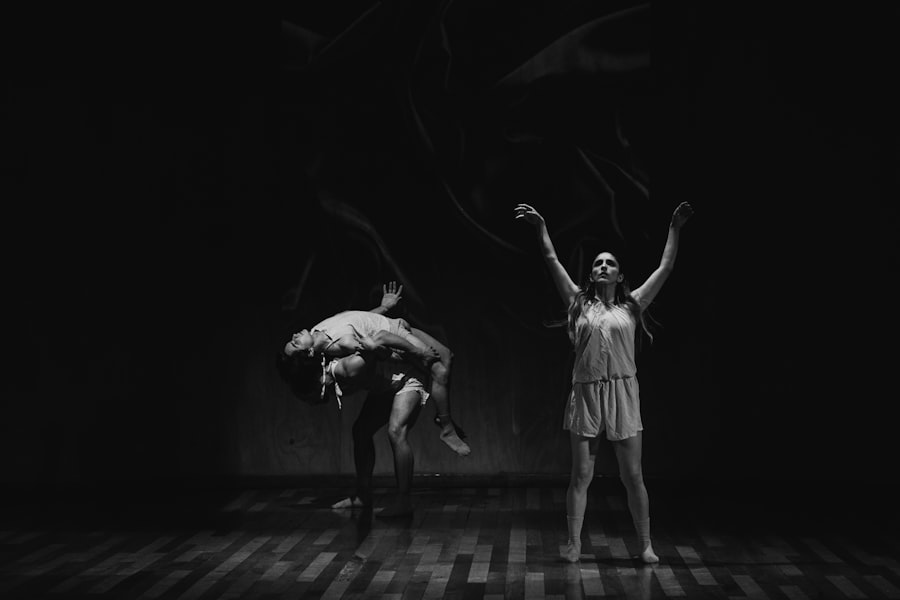
Mental rehearsal isn’t just about closing your eyes and hoping for the best. It’s a structured process that requires intention and focus. By following a systematic approach, you can maximize its effectiveness and transform your anxious anticipation into confident preparation.
Setting the Stage: Finding Your Sanctuary
First, you need to create an environment conducive to deep focus. This means finding a quiet space where you won’t be interrupted. Turn off your phone, close your door, and allow yourself to settle into a comfortable position, whether sitting or lying down. Dim lighting can also help to create a more relaxed atmosphere. The goal is to minimize external distractions so you can fully immerse yourself in your internal world. This sanctuary becomes your personal training ground, a place where you can safely explore and refine your performance.
The Power of Sensory Immersion
The most effective mental rehearsals engage all your senses. Don’t just see yourself succeeding; hear the applause, feel the firm handshake, smell the crisp air of the event, taste the celebratory drink afterwards. The more vivid and multi-sensory your imagery, the more real and impactful the experience will be for your brain. Imagine the texture of the microphone, the warmth of the stage lights, the sound of your own voice, clear and confident. If you’re rehearsing a difficult conversation, imagine the other person’s facial expressions, the tone of their voice, and your calm, measured responses.
Scripting Your Success: Detailing the Action
Before you begin rehearsing, mentally script the entire scenario, from beginning to end. Break down the event into manageable steps. For a presentation, this might include walking onto the stage, taking a deep breath, making eye contact with the audience, delivering your opening statement, navigating through your points, handling questions, and concluding with a strong closing. The more detailed your script, the more you can prepare for each specific element. Anticipate potential challenges and mentally rehearse how you will overcome them. If you fear a technical glitch, picture yourself calmly troubleshooting it or smoothly transitioning to a backup plan.
Incorporating Positive Self-Talk
Your internal dialogue plays a crucial role in both anxiety and confidence. During your mental rehearsal, consciously weave in positive affirmations and self-encouragement. Replace self-critical thoughts with supportive and empowering ones. Instead of thinking, “I hope I don’t mess up,” tell yourself, “I am prepared, and I will deliver this effectively.” Imagine hearing your own confident voice, reassuring yourself of your capabilities. This internal conversation is as important as the external actions you are rehearsing.
Addressing Potential Pitfalls and Refining Your Technique

Like any skill, mental rehearsal can be refined over time. Recognizing and addressing potential challenges will ensure you’re getting the most out of your practice.
Dealing with Intrusive Anxious Thoughts
It’s natural for anxious thoughts to creep in, even during mental rehearsal. When they do, don’t fight them aggressively. Instead, acknowledge them without judgment, like clouds passing in the sky, and gently redirect your focus back to your desired scenario. You can even incorporate these imagined challenges into your rehearsal and practice overcoming them. If you imagine yourself stumbling over a word, practice catching yourself, taking a breath, and continuing smoothly. This is a crucial part of building resilience.
The Importance of Consistency and Frequency
Mental rehearsal is not a one-time fix. Its effectiveness is cumulative. Aim for regular practice sessions, even if they are short. Consistency is key to rewiring your brain and building lasting confidence. Think of it as consistent exercise for your mind. Daily, or several times a week, dedicated rehearsal sessions will yield far greater results than infrequent, lengthy ones. Even five to ten minutes of focused mental practice can make a significant difference.
Adapting Your Rehearsal to Different Scenarios
The beauty of mental rehearsal is its adaptability. You can tailor your practice to virtually any situation that causes you anxiety. For a job interview, rehearse answering common questions with poise and confidence. For a difficult conversation, practice expressing your needs assertively and respectfully. For a social event, visualize yourself engaging in conversations and feeling comfortable. The more you adapt your rehearsal to the specific context, the more targeted and effective it will be.
Mental rehearsal has been shown to be an effective technique for managing anxiety, allowing individuals to visualize successful outcomes in various situations. For those interested in exploring this topic further, a related article discusses the benefits of mental rehearsal in reducing anxiety levels and enhancing performance. You can read more about it in this insightful piece on mental rehearsal and anxiety. This approach not only helps in preparing for stressful events but also fosters a greater sense of control and confidence.
Beyond Rehearsal: Integrating Mindfulness and Preparation
| Metrics | Mental Rehearsal | Anxiety |
|---|---|---|
| Effectiveness | Improves performance | Can reduce anxiety |
| Usage | Common in sports psychology | Common in cognitive-behavioral therapy |
| Techniques | Visualization, positive self-talk | Breathing exercises, mindfulness |
While mental rehearsal is a powerful tool, it’s most effective when integrated with other complementary strategies. Combining it with mindfulness and thorough preparation creates a robust approach to managing anxiety.
The Role of Mindfulness in Calming the Nervous System
Mindfulness, the practice of paying attention to the present moment without judgment, is a powerful ally in combating anxiety. Techniques like deep breathing exercises and body scans can help to calm your nervous system, making you more receptive to mental rehearsal. Before you begin your rehearsal, a few minutes of mindful breathing can help to quiet the mental chatter and bring you into a more focused state. This allows you to enter your rehearsal with a sense of calm, rather than rushing in with a heightened state of anxiety.
Grounding Techniques for Immediate Relief
Sometimes, anxiety can strike unexpectedly, even during your preparation. Having a few grounding techniques in your arsenal can provide immediate relief. These might include focusing on your breath, noticing five things you can see, four things you can touch, three things you can hear, two things you can smell, and one thing you can taste. These techniques pull you out of your anxious thoughts and anchor you in the present moment, making it easier to return to your mental rehearsal or to cope with the immediate situation.
The Synergy of Preparation and Rehearsal
Mental rehearsal is not a substitute for thorough preparation. If you’re giving a presentation, you still need to research your topic, organize your notes, and practice your delivery. However, mental rehearsal amplifies the effectiveness of your preparation. By mentally rehearsing your prepared material, you solidify your understanding, identify potential weak spots, and build confidence in your ability to execute your plan. It’s the synergy between tangible preparation and mental practice that truly unlocks your potential and dissolves the grip of anxiety. You’ve done the work, and now you’re mentally rehearsing the successful execution of that work, reinforcing your competence and paving the way for a confident performance.
The Game Your Brain Plays Every Night
FAQs
What is mental rehearsal?
Mental rehearsal, also known as mental imagery or visualization, is a cognitive technique where an individual mentally rehearses a specific skill or scenario in their mind. This technique is often used by athletes, performers, and individuals seeking to improve their performance in various areas.
How does mental rehearsal help with anxiety?
Mental rehearsal can help with anxiety by allowing individuals to mentally practice and prepare for anxiety-provoking situations. By visualizing themselves successfully navigating these situations, individuals can reduce their anxiety and increase their confidence in their ability to cope with stressors.
What are the benefits of using mental rehearsal for anxiety?
The benefits of using mental rehearsal for anxiety include reduced anxiety levels, increased self-confidence, improved coping skills, and better performance in anxiety-provoking situations. Additionally, mental rehearsal can help individuals develop a sense of control over their anxiety triggers.
How can someone practice mental rehearsal for anxiety?
To practice mental rehearsal for anxiety, individuals can find a quiet and comfortable space to relax, visualize themselves successfully managing anxiety-provoking situations, and engage all their senses in the mental imagery. It’s important to practice regularly and incorporate deep breathing or relaxation techniques to enhance the effectiveness of mental rehearsal.
Are there any potential drawbacks to using mental rehearsal for anxiety?
While mental rehearsal can be a helpful tool for managing anxiety, it’s important to note that it may not be suitable for everyone. Some individuals may find that engaging in mental rehearsal exacerbates their anxiety or leads to rumination. It’s important to seek guidance from a mental health professional if mental rehearsal worsens anxiety symptoms.