
You find yourself in a peculiar relationship dynamic, a pattern that oscillates between periods of intense connection and perplexing distance. This is the realm of intermittent love, a landscape where commitment is not a linear progression but a series of punctuated affirmations. Your “yes” – your decision to remain, to invest, to hope – in such a scenario is not a sign of naivety or weakness, but often a complex interplay of psychological, emotional, and even neurobiological factors. This article will dissect the intricate anatomy of intermittent love, illuminating the underlying mechanisms that explain your continued engagement.
You are, in essence, operating within a psychological framework known as an intermittent reinforcement schedule. Consider the gambler at the slot machine: the majority of button presses yield no reward, yet the occasional jackpot keeps them engaged, often for extended periods. The human brain, particularly its reward system, is highly susceptible to this pattern. In intermittent love, the “rewards” are moments of profound intimacy, shared joy, unwavering support, or glimpses of a desired future. These positive experiences, when interspersed with periods of emotional unavailability, distance, or conflict, become disproportionately impactful.
Understanding Variable-Ratio Reinforcement
Think of your relationship as an unpredictable variable-ratio schedule. You don’t know when the next positive interaction will occur, nor do you know its intensity. This uncertainty, far from being a deterrent, can paradoxically increase your persistence. The anticipation of the next “hit” of affection or connection can become a powerful motivator, overriding the discomfort of neglect or inconsistency. You might find yourself continuously investing effort, hoping that the next interaction will be the one that solidifies the bond, much like the gambler continues to pull the lever.
The Dopamine Connection
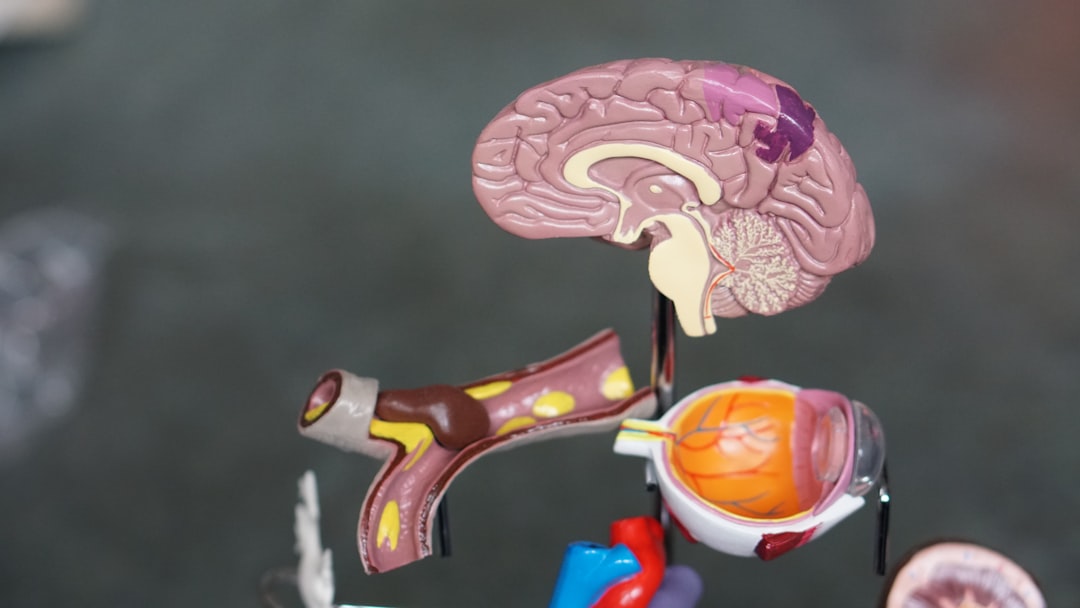
Neurobiologically, this phenomenon is heavily influenced by dopamine. This neurotransmitter, often associated with pleasure, is more accurately linked to motivation, anticipation, and reward-seeking behavior. When you experience intermittent love, the uncertainty activates the dopamine system, creating a persistent craving for the positive experiences. The brain releases dopamine not just when the reward is received, but crucially, during the anticipation of the reward. This explains why you might find yourself dwelling on past positive moments or fantasizing about future reconciliation even during periods of distress. The mere possibility of rekindling that connection can be powerfully addictive.
In exploring the complexities of relationships, the article “Intermittent Love: Demands Your Yes” delves into the emotional dynamics that often accompany inconsistent romantic engagements. For a deeper understanding of how these patterns affect mental health and personal well-being, you may find the insights in this related article on Unplugged Psych particularly enlightening. It offers valuable perspectives on navigating the challenges of love that is not always stable. To read more, visit Unplugged Psych.
The Entrapment of Hope and Cognitive Dissonance
Your “yes” in an intermittent love scenario is often propelled by a strong sense of hope, a belief that the periods of distance are temporary deviations from a fundamentally strong connection. This hope, while seemingly innocuous, can create a powerful cognitive trap. You selectively recall positive interactions and minimize the negative, constructing a narrative that supports your continued engagement.
The Sunk Cost Fallacy
You have invested time, emotional energy, and perhaps even significant life choices into this relationship. To disengage would mean acknowledging these investments as losses, a concept that your brain often resists. This is known as the sunk cost fallacy. The more you have put in, the harder it becomes to walk away, even if the current trajectory is demonstrably unhealthy. You might rationalize that if you just hold on a little longer, if you just try a little harder, your existing investments will eventually pay off.
Cognitive Dissonance Reduction
When confronted with the discrepancy between your beliefs about the relationship (e.g., “this person loves me”) and the reality of their inconsistent behavior (e.g., “they frequently disappear”), you experience cognitive dissonance. To alleviate this uncomfortable mental state, your mind often engages in various strategies. You might rationalize their behavior (“they’re just stressed”), minimize the negative impact (“it’s not that bad”), or even blame yourself (“I pushed them away”). These psychological maneuvers serve to protect your self-perception and maintain the consistency of your beliefs, thereby perpetuating your engagement in the intermittent cycle.
The Echoes of Attachment Theory

Your earliest relational experiences lay the groundwork for how you navigate adult relationships. Intermittent love often taps into existing attachment patterns, particularly those that are insecure. If you have an anxious attachment style, for instance, the unpredictable nature of intermittent love can paradoxically reinforce your existing coping mechanisms.
Anxious Attachment and the Pursuit of Proximity
Individuals with anxious attachment often fear abandonment and crave intimacy. The intermittent nature of the relationship can trigger these anxieties, leading you to redouble your efforts to regain closeness when your partner withdraws. The periods of distance become a proving ground where you strive to earn their affection, and the eventual return of your partner, however brief, validates your efforts and temporarily assuages your fears. This cycle, however, reinforces the anxious-ambivalent pattern, making it harder to establish secure, consistent connection.
Avoidant Attachment and the Fear of Engulfment
While less directly applicable to your “yes” in an intermittent relationship, it’s worth considering the role of your partner’s potential avoidant attachment style. An individual with an avoidant attachment style fears emotional closeness and often withdraws when intimacy becomes too intense. The oscillatory nature of intermittent love perfectly accommodates this need for distance, allowing them to engage just enough to avoid complete abandonment while maintaining the space they require. Your willingness to remain despite their withdrawal inadvertently enables this pattern.
The Role of Self-Perception and External Validation

Your participation in an intermittent love dynamic can also be intertwined with your self-perception and your reliance on external validation. The “yes” might, in some instances, stem from a perceived lack of deserving alternative options or a tendency to define your worth through your relational status.
The Mirror of a Partner’s Attention
When your partner is present and attentive, they might provide a powerful source of validation, mirroring back a positive image of yourself. During their absence, this mirror is withdrawn, leaving you feeling less seen, less valued, or even invisible. The return of their attention, therefore, acts as a temporary restoration of your self-esteem, making their presence deeply desired and their absence acutely painful. The intermittent nature means you are constantly seeking this external validation to reaffirm your sense of worth.
The Fear of Being Alone
For some, the fear of being alone can exceed the discomfort of an inconsistent relationship. The unknown territory of singlehood, or the perceived societal pressure to be in a relationship, can contribute to your decision to endure intermittence. While the relationship might be a fluctuating beacon, it still offers the comfort of a known entity, however flawed, in contrast to the perceived void of being without a partner. This fear can subtly but powerfully influence your “yes,” even when your rational mind suggests otherwise.
Intermittent love can often leave individuals feeling confused and uncertain about their relationships, which is why understanding its dynamics is crucial. A related article that delves deeper into this topic is available at Unplugged Psych, where you can find insights that help clarify the emotional rollercoaster associated with such relationships. Exploring these concepts can empower individuals to make informed decisions about their romantic lives and understand the importance of setting boundaries.
The Path Forward: Explaining Your “Yes” Through Self-Awareness
| Aspect | Description | Impact | Example |
|---|---|---|---|
| Intermittent Love | Love expressed inconsistently, with periods of affection followed by withdrawal or absence. | Creates emotional uncertainty and longing in the recipient. | Partner showers affection for days, then suddenly becomes distant. |
| Demanding Your Yes | Pressuring or expecting agreement or compliance despite inconsistent affection. | Can lead to feelings of obligation, confusion, or manipulation. | Partner insists on commitment or favors only when showing love. |
| Emotional Effects | Feelings of insecurity, hope, anxiety, and dependency due to unpredictable love patterns. | May cause stress, lowered self-esteem, or attachment issues. | Feeling anxious waiting for partner’s affection to return. |
| Psychological Explanation | Intermittent reinforcement creates strong emotional bonds similar to addiction. | Increases attachment and difficulty in saying no or leaving the relationship. | Continuing to say yes despite negative experiences. |
| Healthy Boundaries | Recognizing patterns and setting limits to protect emotional well-being. | Helps maintain self-respect and avoid manipulation. | Communicating needs clearly and refusing unreasonable demands. |
Understanding the complex tapestry of factors that contribute to your “yes” in an intermittent love scenario is the first crucial step towards empowerment. It’s not about blame or judgment, but about illuminating the intricate psychological and emotional landscape you inhabit. You are not simply enduring; you are responding to deep-seated neurological and psychological programming.
Deconstructing the Reinforcement Schedule
Begin by meticulously observing the patterns of your relationship. When do the “rewards” occur? What specific behaviors precede them? What are the intervals of withdrawal? By consciously mapping this intermittent reinforcement schedule, you can begin to demystify its power. When you understand how you are being reinforced, you can start to intentionally disrupt those patterns.
Challenging Cognitive Distortions
Actively challenge the rationalizations, minimizations, and self-blame that fuel your cognitive dissonance. Keep a realistic inventory of both the positive and negative aspects of the relationship. When you find yourself selectively recalling only the good, deliberately bring to mind the periods of neglect or hurt. Confront the sunk cost fallacy by asking yourself if you would advise a friend in your situation to continue investing.
Cultivating Secure Attachment Within Yourself
Regardless of your partner’s attachment style or your own relational history, you have the capacity to develop a more secure attachment within yourself. This involves nurturing self-worth independent of external validation, developing strong boundaries, and learning to soothe your own anxieties. Seek out consistent, reliable sources of connection and support from friends, family, or a therapist. This builds resilience for when the intermittent flame flickers.
Redefining Your Relationship Expectations
You must critically examine your expectations for a relationship. Are you holding onto an idealized version of your partner or the relationship that rarely manifests? Is your “yes” predicated on the hope that things will fundamentally change, rather than accepting the reality of the present? A healthy relationship is characterized by consistency, mutual respect, and reliable emotional availability. If these core components are consistently absent, your “yes” may be an affirmation of hope over evidence.
Your “yes” in an intermittent love relationship is not a simple affirmation. It is a nuanced testament to the pervasive power of psychological conditioning, the deep-seated yearning for connection, and the intricate ways in which our minds attempt to reconcile discomfort with desire. By understanding these underlying mechanisms, you gain the clarity to either reshape your current reality or to confidently choose a path that offers consistent, unconditional affirmation. The understanding of why you say “yes” is the first step towards discerning if you should continue to say it.
WARNING: Your Empathy Is a Biological Glitch (And They Know It)
FAQs
What does “intermittent love” mean?
Intermittent love refers to a relationship pattern where affection, attention, or emotional connection is given sporadically or inconsistently rather than continuously. This can create a cycle of highs and lows in the relationship.
Why does intermittent love demand your “yes”?
Intermittent love demands your “yes” because it often requires acceptance and patience from the person receiving the love. Saying “yes” means agreeing to engage in the relationship despite its irregular nature and the uncertainty it may bring.
How can intermittent love affect emotional well-being?
Intermittent love can lead to emotional confusion, insecurity, and anxiety due to its unpredictable nature. The inconsistency may cause individuals to question their worth or the stability of the relationship.
Is intermittent love common in certain types of relationships?
Yes, intermittent love is often observed in on-again, off-again relationships, long-distance relationships, or situations where one partner is emotionally unavailable or inconsistent in their commitment.
Can intermittent love be healthy or sustainable?
While some couples may navigate intermittent love successfully, it generally poses challenges to building trust and stability. For a relationship to be healthy and sustainable, consistent communication and mutual commitment are typically necessary.