The story of the Genain Quadruplets, as captured in the documentary “Genain Quadruplets: A Rare Genetic Case Study,” offers an unparalleled glimpse into a unique scientific and human phenomenon. This feature delves into the lives of the four identical sisters, born in 1956, and the groundbreaking research that ensued. The documentary, a testament to both scientific curiosity and the enduring bonds of family, navigates the complexities of their shared genetics, their individual journeys, and the ethical considerations that surrounded their existence and study. It’s a narrative that stretches beyond a mere medical curiosity, touching on themes of identity, nature versus nurture, and the very definition of what it means to be an individual, even when born from the same genetic blueprint.
The Extraordinary Genesis: Birth of Identical Four
The birth of the Genain quadruplets was an event that immediately captured the attention of the medical community and the public alike. Identical quadruplets are an exceptionally rare occurrence, and the Genain sisters represented a biological anomaly of immense scientific interest. Their arrival was not just a marvel of nature but the catalyst for one of the most extensive and prolonged case studies in human genetics.
A Medical Miracle and Scientific Opportunity
The sheer improbability of four identical individuals emerging from a single conception ignited a spark of opportunity for researchers. Dr. Eugene Theimer, a pediatrician and close family friend, recognized the potential for invaluable scientific observation. The family, already facing the challenges of raising four infants simultaneously, agreed to cooperate with a comprehensive, longitudinal study of the girls. This agreement was crucial, as it allowed for unprecedented access to the quadruplets’ development from infancy through adolescence and beyond. The study aimed to unravel the intricate interplay between genetics and environment, seeking to understand how identical genetic material could lead to the distinct personalities, aptitudes, and even physical variations observed among the sisters. This proactive approach laid the groundwork for a research endeavor that would span decades and contribute significantly to the understanding of human development.
Early Life and Initial Observations
The documentary vividly portrays the initial years of the quadruplets’ lives. The sheer logistics of caring for four babies simultaneously were immense, and the family’s dedication and resourcefulness are palpable. Even in their early stages, subtle differences began to emerge. While visually almost indistinguishable to the untrained eye, caregivers and researchers started noticing variances in their temperaments, their feeding habits, and their developmental milestones. These nascent distinctions, though small, were meticulously documented, forming the foundation of the ongoing scientific investigation. The controlled environment of the study allowed for the systematic recording of countless data points, from physical measurements to behavioral observations, creating a rich tapestry of information about these unique individuals. The early stages of their lives were characterized by both the challenges of quadruplet parenthood and the burgeoning potential for groundbreaking scientific discovery.
The Genain quadruplets documentary offers a fascinating insight into the complex interplay between genetics and mental health, highlighting the unique experiences of the four sisters. For those interested in exploring further, a related article can be found at this link, which delves into the broader implications of genetic research in psychology and its impact on understanding various mental health disorders.
The Longitudinal Study: Unraveling Nature vs. Nurture
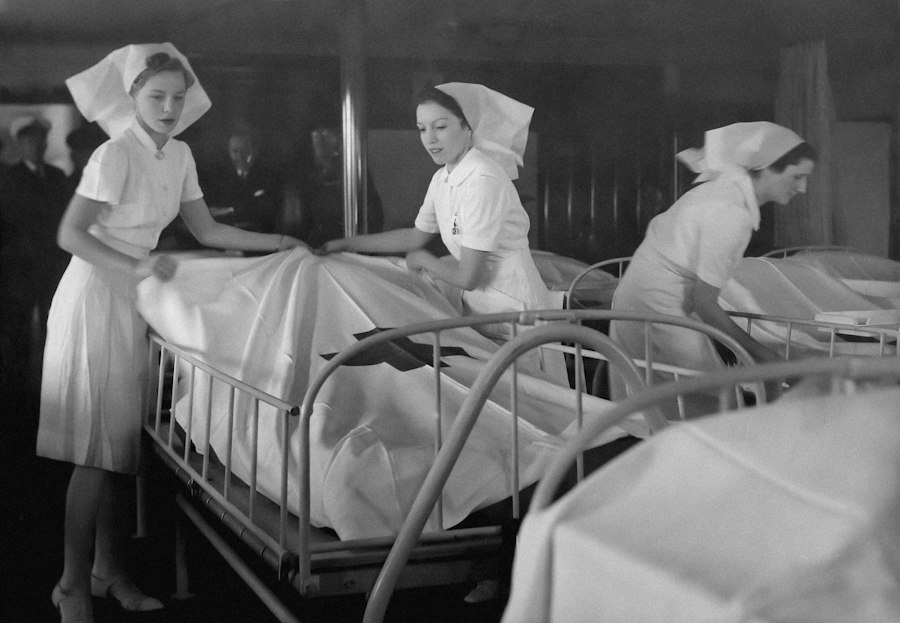
The Genain quadruplets became the subjects of one of the most comprehensive and longest-running studies on identical twins ever conducted. The research, spearheaded by Dr. Walter F. Toman and his colleagues, aimed to dissect the complex interplay between their shared genetic inheritance and the diverse environmental influences that shaped their lives. This commitment to observation and data collection over an extended period provided a unique window into human development.
A Scientific Laboratory of Life
The study was designed to be holistic, encompassing a wide array of disciplines. Medical examinations were conducted regularly to track their physical health and development. Psychological assessments delved into their cognitive abilities, personalities, and emotional well-being. Educational evaluations monitored their academic progress and learning styles. The sheer volume of data collected over the years was staggering, making the Genain quadruplets a living laboratory for understanding human variation. Researchers meticulously documented everything from their preferences in food and toys to their academic achievements and social interactions. This multi-faceted approach was essential for painting a comprehensive picture of how nature and nurture interacted to mold each individual. The documentary highlights the dedication of the research team, who maintained a consistent presence and commitment to the girls throughout their formative years.
Documenting Divergence: From Sameness to Individuality
A central theme of the documentary is the gradual, yet significant, divergence of the quadruplets over time. Despite their identical genetic makeup, each sister developed her own distinct personality, interests, and life trajectory. Some excelled academically, while others found their strengths in different areas. Their social interactions, their approaches to problem-solving, and their personal aspirations showcased a remarkable spectrum of individuality. The documentary effectively contrasts early footage, where the sisters are often dressed alike and appear remarkably similar, with later scenes that reveal their unique characteristics and life choices. This visible divergence underscored the powerful influence of environment, personal experiences, and individual agency in shaping who a person becomes, even when starting with the same genetic blueprint. It challenged the simplistic notion that identical genes automatically equate to identical lives.
The Genain quadruplets documentary offers a fascinating insight into the complexities of genetics and mental health, exploring how these four sisters navigated their lives with schizophrenia. For those interested in delving deeper into the intersection of psychology and genetics, a related article can be found at Unplugged Psych, which discusses the broader implications of genetic studies on mental health disorders. This resource provides valuable context and further understanding of the themes presented in the documentary.
Ethical Considerations in Twin Research
The ethical dimensions of such an extensive study are inherently complex and are thoughtfully explored in the documentary. The researchers grappled with questions of consent, privacy, and the potential impact of being constantly observed and analyzed. While the initial consent was given by the parents, the long-term implications for the quadruplets themselves were a constant consideration. The documentary doesn’t shy away from the potential for the study to feel intrusive, nor does it ignore the weight of scientific expectation placed upon the sisters. Balancing the pursuit of knowledge with the well-being and autonomy of the subjects was a paramount concern. The film highlights how the researchers strived to foster a supportive relationship with the family, ensuring that the study remained beneficial and not exploitative. This introspection adds a crucial layer of humanity to the scientific narrative, reminding viewers that behind the data were individuals with their own feelings and aspirations.
Individual Journeys: Four Lives, Four Destinies

As the Genain quadruplets moved from childhood into adolescence and adulthood, their lives began to diverge in increasingly significant ways. The documentary skillfully illustrates the unique paths each sister forged, demonstrating how individual experiences, choices, and opportunities shaped their destinies. This section of the film is a powerful testament to the resilience of the human spirit and the profound impact of personal agency.
Academic Prowess and Intellectual Pursuits
While all four sisters shared the same genetic potential for intelligence, their academic paths varied considerably. The documentary highlights instances where some sisters demonstrated exceptional academic aptitude, excelling in school and pursuing higher education with vigor. These individuals often found intellectual challenges stimulating and pursued careers that leveraged their cognitive abilities. Their successes in academic arenas provided valuable data points for researchers investigating the environmental factors that foster intellectual development, such as access to resources, encouragement, and specific learning opportunities. The film showcases their achievements not just as scientific data but as personal triumphs.
Artistic Flair and Creative Expression
Conversely, other Genain sisters discovered their passions in the realm of art and creative expression. The documentary may feature segments showcasing their talents in music, painting, or other artistic disciplines. These sisters might have found solace and fulfillment in channeling their emotions and individuality through creative outlets. Their artistic pursuits offer a different facet of human development, demonstrating that intelligence and success can manifest in diverse forms beyond traditional academic metrics. The film would likely illustrate how these creative endeavors provided them with a unique sense of identity and purpose.
Personal Choices and Life Milestones
Beyond academics and the arts, the documentary would explore the diverse life choices made by each sister. This could include their decisions regarding careers, relationships, and family life. Some might have married and started families, while others may have chosen different paths. The documentary would illustrate how these personal decisions, influenced by a complex interplay of personality, social context, and individual desires, further differentiate their lives. These milestones, from career changes to personal relationships, paint a vivid picture of four distinct individuals navigating the complexities of adulthood. The narrative would emphasize that even with an identical genetic starting point, the lived experiences of each sister led to vastly different outcomes.
The Legacy of the Genain Quadruplets: Scientific Impact and Ethical Reflections
The study of the Genain quadruplets has left an indelible mark on the fields of genetics, psychology, and developmental science. Their unique case has provided invaluable insights, but it also continues to provoke important discussions about the ethics of human research and the complex relationship between our genetic inheritance and our lived realities.
Contributions to Genetic Understanding
The extensive data collected on the Genain quadruplets has been instrumental in advancing our understanding of human genetics. Researchers were able to compare the sisters’ biological responses to various stimuli, their predispositions to certain conditions, and their developmental trajectories with an unprecedented level of detail. This research helped to illuminate the subtle genetic variations that can occur even in identical twins and the significant role environmental factors play in gene expression. The study provided empirical evidence for the nuanced interplay between nature and nurture, moving beyond simplistic deterministic views. The documentary would likely highlight specific scientific papers or discoveries that emerged directly from this research, demonstrating its concrete impact on the scientific community.
Debates on Nature Versus Nurture
Perhaps one of the most enduring legacies of the Genain quadruplets is their contribution to the ongoing debate about nature versus nurture. By observing four individuals with identical genes growing up in the same household but developing distinct personalities and life outcomes, the study provided powerful evidence that our environment, our experiences, and our choices play a crucial role in shaping who we become. The documentary would revisit these debates, showcasing how the quadruplets’ lives offer a compelling case study that defies easy categorization. It suggests that while genetics provides the blueprint, it is the interaction with the world that truly builds the edifice of an individual. The film might feature interviews with experts who discuss the implications of the Genain case for understanding human development and the dangers of genetic determinism.
Lessons for Future Research and Society
The Genain quadruplets’ story serves as a potent reminder of the ethical considerations that must accompany scientific inquiry, particularly when dealing with human subjects. The documentary would likely reflect on the potential for exploitation and the importance of respecting individual autonomy and privacy. It prompts a continuous re-evaluation of how research is conducted and how the findings are communicated. The enduring fascination with the Genain quadruplets underscores our collective desire to understand the mysteries of human identity. Their lives, meticulously documented and thoughtfully presented in this documentary, offer a profound and enduring lesson: that while our genes may provide the starting point, it is the sum of our experiences, our choices, and our environments that ultimately sculpt the unique individuals we are destined to become. The film would conclude by emphasizing the ongoing relevance of their story in contemporary discussions about genetics, individuality, and the ethical responsibilities of scientific exploration.

100% Same Genes, Different Minds: The Dark Psychology of the Genain Quadruplets
FAQs
1. Who are the Genain quadruplets?
The Genain quadruplets are identical quadruplet sisters who were subjects of a famous study on schizophrenia conducted in the 1960s.
2. What was the purpose of the documentary about the Genain quadruplets?
The documentary aimed to explore the lives of the Genain quadruplets and the impact of their upbringing and shared genetic makeup on their mental health.
3. How did the Genain quadruplets contribute to the study of schizophrenia?
The Genain quadruplets provided researchers with valuable insights into the role of genetics and environment in the development of schizophrenia due to their shared genetic makeup and varied upbringing.
4. What were some of the key findings from the study involving the Genain quadruplets?
Some key findings from the study included the importance of both genetic predisposition and environmental factors in the development of schizophrenia, as well as the impact of family dynamics on mental health.
5. How did the Genain quadruplets’ story impact the field of psychology and psychiatry?
The story of the Genain quadruplets shed light on the complex interplay between nature and nurture in mental health disorders, influencing future research and treatment approaches in psychology and psychiatry.