
## Unveiling the Unseen: Your Journey into “Inside Minds”
You’ve likely encountered documentaries before. They present facts, narratives, and often, the faces of those involved. But what if a documentary dared to strip away the visual facade, forcing you to engage with the raw, unadulterated essence of human psychology? This is the audacious promise of “Inside Minds: A Faceless Documentary Exploring Psychology’s Depths.” It’s not about seeing the person; it’s about feeling their internal landscape, understanding the intricate workings of their minds through their own words, sounds, and curated sensory experiences. Prepare yourself for an immersive dive into the human psyche, a journey that will challenge your perceptions and deepen your empathy, all without the comfort or distraction of a single identifiable face.
The premise is deceptively simple, yet profoundly effective. “Inside Minds” eschews traditional interviews where a subject’s expression and demeanor can shape your interpretation. Instead, it relies on audio recordings – intimate monologues, guided meditations, therapy sessions (anonymized, of course), and even carefully chosen ambient sounds that reflect the mental state being explored. Coupled with abstract visual art, evocative music, and precisely timed pauses, the documentary crafts an environment where you, the viewer, are invited to project your own understanding, your own experiences, onto the narratives unfolding. You are not a passive observer; you are an active participant, co-creating the meaning of each psychological exploration. This is a documentary designed to bypass the superficial and penetrate the core of what it means to think, feel, and be.
In exploring the intriguing realm of faceless documentaries, one can gain deeper insights into the psychological implications of anonymity and identity. A related article that delves into these themes is available at Unplugged Psychology, which discusses the impact of faceless narratives on audience perception and emotional engagement. For more information, you can read the article here: Unplugged Psychology.
## The Power of Anonymity: Breaking Down Barriers

The decision to present “Inside Minds” as a faceless documentary isn’t a stylistic quirk; it’s a deliberate, potent choice that underpins its entire philosophy. By removing the visual anchor of a face, the documentary liberates you from the immediate judgments and preconceptions that often accompany visual identification. You can’t label someone based on their appearance, their perceived background, or their perceived attractiveness. This forces a more profound engagement with the content of their thoughts and feelings. You are compelled to listen, truly listen, to the words, the inflections, the hesitations, and the silences that reveal the inner workings of the human mind.
### Liberating the Listener from Prejudgment
Think about how easily you categorize people based on how they look. A stern expression might suggest anger, a youthful face might imply naivete, and so on. These are unconscious biases, but they are powerful filters through which we process information. “Inside Minds” actively dismantles these filters. When you hear someone describe their debilitating anxiety, their fear is not tied to a furrowed brow or trembling hands that you can visually analyze. Instead, you are left with the raw description of the sensation, the internal narrative of panic. This encourages a deeper level of empathy, allowing you to connect with the shared human experience of struggle and resilience, rather than focusing on superficial differences. You are invited to understand the essence of their experience, unclouded by the visual cues that can often lead to premature conclusions.
### Amplifying the Voice of Experience
Without a face to associate with a particular story, the voice becomes paramount. The documentary invests heavily in high-fidelity audio recording and meticulous sound design. The subtle nuances of a shaky breath, a stifled sob, or a moment of triumphant clarity are all amplified. These auditory cues become the primary conduits for emotional expression. You learn to interpret the subtle shifts in tone that indicate underlying tension, the cadence of speech that suggests a mind racing or a spirit weary. This elevates the spoken word to an art form, forcing you to become a more attuned listener. You are not just hearing words; you are deciphering a complex auditory landscape that paints a vivid picture of an internal world. The absence of visual distraction allows these subtle vocal performances to resonate with greater power, fostering a more direct and visceral connection to the speaker’s emotional reality.
## A Tapestry of Psychological Landscapes
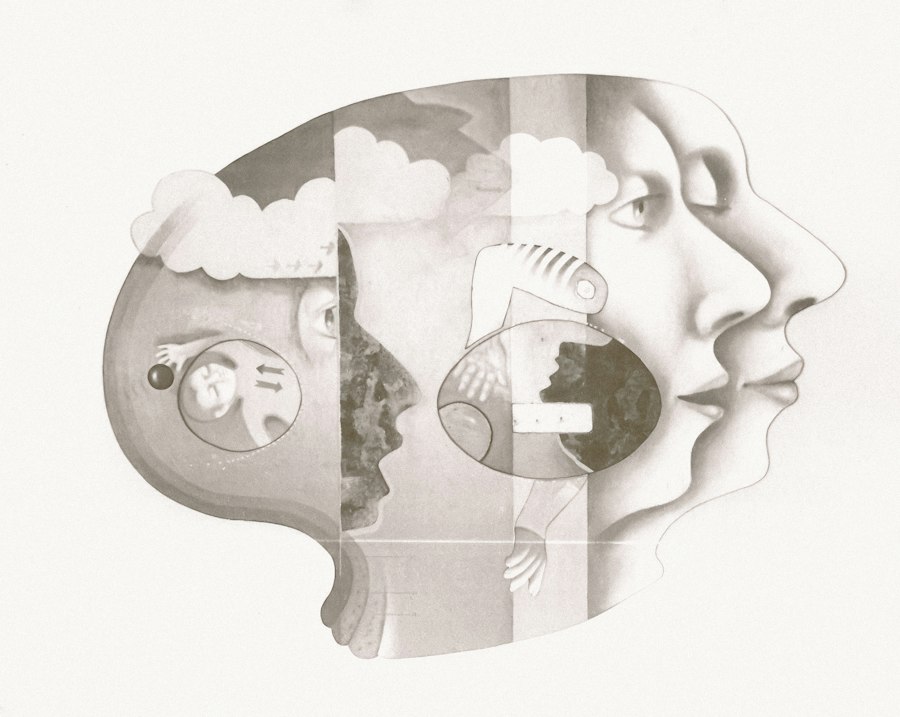
“Inside Minds” doesn’t present a monolithic view of psychology. Instead, it offers a diverse spectrum of human experiences, each explored with a distinct approach. You will journey through the labyrinthine corridors of anxiety and depression, the exhilarating heights of creativity and inspiration, and the profound depths of trauma and healing. The documentary carefully curates these narratives, ensuring a rich and varied exploration that acknowledges the multifaceted nature of the human mind. It’s a testament to the fact that psychology is not a dry academic discipline, but a living, breathing force that shapes every aspect of our existence.
### Navigating the Shadows of Mental Illness
When the documentary delves into mental illness, it does so with profound respect and an unwavering commitment to authenticity. You’ll hear firsthand accounts of living with conditions that often remain shrouded in stigma and misunderstanding. The absence of faces here is particularly crucial. It prevents the sensationalization of illness and the potential for viewers to develop pity or fear based on visual stereotypes. Instead, you are presented with the internal reality of these experiences. You might hear the relentless internal monologue of someone battling intrusive thoughts, the crushing weight of anhedonia described with stark simplicity, or the dizzying disorientation of psychosis conveyed through fragmented narratives. The documentary aims to foster understanding and compassion, to humanize those who struggle, and to dismantle the walls of ignorance that often surround mental health challenges.
### Illuminating the Brilliance of the Creative Mind
Beyond the struggles, “Inside Minds” also celebrates the extraordinary capacity of the human mind for creation and innovation. You’ll hear from artists, musicians, writers, and scientists as they describe their breakthroughs, their moments of inspiration, and the often-unseen processes that fuel their work. The faceless approach allows you to focus solely on the intellectual and emotional architecture of creativity. You might hear the rapid-fire associations that lead to a poem, the gradual unfolding of a complex scientific theory, or the visceral rush of a musical composition taking shape. This aspect of the documentary is an ode to human ingenuity, showcasing how the mind, in its unfettered state, can produce works of profound beauty and lasting impact. It’s a reminder that the internal world is not just a source of struggle, but also a wellspring of boundless possibility.
### Processing the Echoes of Trauma and the Paths to Resilience
Perhaps one of the most challenging and rewarding aspects of “Inside Minds” is its exploration of trauma and the subsequent journey toward healing and resilience. Without the visual cues of physical scars or the comforting presence of a therapist’s reassuring smile, you are confronted with the raw, unvarnished narratives of survival. You’ll hear stories of profound loss, of overcoming unimaginable adversity, and of the slow, arduous process of rebuilding one’s life. The anonymity here fosters a sense of shared humanity in the face of suffering. It allows you to connect with the universal human drive to survive and to heal. The documentary doesn’t offer easy answers but instead provides a powerful testament to the enduring strength of the human spirit and the intricate, often non-linear, pathways to recovery.
## The Art of the Unseen: Visual and Auditory Storytelling
The success of “Inside Minds” hinges on its masterful manipulation of non-visual storytelling techniques. It’s not enough to simply have audio recordings; the documentary employs a sophisticated blend of abstract visuals, evocative music, and deliberate pacing to create a truly immersive experience. This is where the “faceless” aspect truly shines, forcing the creative team to find new and innovative ways to communicate psychological states.
### Abstract Art as a Mirror to the Soul
The visual elements of “Inside Minds” are not illustrative in the traditional sense. Instead of showing literal representations of emotions or situations, the documentary utilizes abstract art – moving or static – that serves as a visual echo of the spoken narrative. Think of a swirling vortex of colors that mirrors the chaos of a panic attack, or a serene, slowly shifting landscape that reflects a moment of profound peace. These visuals are designed to evoke an emotional response, to bypass conscious analysis and tap directly into your subconscious. They are not meant to tell you what to think, but rather to provide a complementary sensory experience that deepens your emotional connection to the audio narrative. The abstract nature allows you to engage your own interpretive faculties, making the experience even more personal and impactful.
### The Sonic Architecture of Emotion
Music and sound design are not mere background elements in “Inside Minds”; they are integral to the narrative. The score is carefully composed to enhance the emotional arc of each segment, shifting from dissonant and unsettling to melodic and hopeful as the psychological journey unfolds. Ambient sounds are used with precision – the distant hum of traffic to signify urban isolation, the gentle rustling of leaves to evoke a sense of calm, or the rhythmic ticking of a clock to underscore a feeling of dread. These sonic choices are crucial for filling the void left by the absence of facial expressions. They are the emotional cues that guide your understanding and amplify the impact of the spoken word, creating a rich, multi-layered sensory experience that transports you directly into the mind of the speaker.
### The Rhythm of Revelation: Pacing and Silence
The pacing of “Inside Minds” is as deliberate as its audio and visual choices. Long pauses are not empty spaces; they are pregnant with meaning, allowing the weight of what has been said to sink in. The rhythm of the documentary mimics the ebb and flow of thought and emotion, with moments of intense urgency followed by periods of quiet contemplation. This deliberate pacing is essential for a faceless documentary. It gives you time to process the information, to internalize the experiences being shared, and to form your own connections. The silences are as powerful as the spoken words, inviting introspection and allowing for a deeper, more personal engagement with the psychological themes explored.
In exploring the intriguing world of faceless documentaries, one can gain deeper insights into the psychological effects of anonymity and representation in media. A related article that delves into these themes can be found at Unplugged Psychology, where the complexities of identity and perception in documentary filmmaking are examined. This resource offers valuable perspectives on how faceless narratives can shape audience understanding and emotional engagement, making it a compelling read for anyone interested in the intersection of psychology and documentary storytelling.
## Your Role in the Unfolding Narrative
| Metric | Description | Typical Range/Value | Relevance to Faceless Documentary Psychology |
|---|---|---|---|
| Viewer Empathy Score | Measures the level of emotional connection viewers feel towards subjects without visible faces | 60-85% | Indicates how anonymity affects emotional engagement |
| Perceived Authenticity | Audience rating of how genuine the documentary feels despite faceless presentation | 70-90% | Helps assess trustworthiness and credibility in faceless storytelling |
| Recall Accuracy | Percentage of factual details viewers remember after watching faceless documentaries | 50-75% | Measures cognitive impact and information retention without facial cues |
| Privacy Concern Level | Degree to which subjects feel their privacy is protected by faceless filming | High (80-95%) | Reflects ethical considerations in psychological research and documentary making |
| Emotional Arousal | Physiological response (heart rate, skin conductance) of viewers during faceless scenes | Moderate increase (10-20%) | Shows how anonymity influences emotional intensity |
What sets “Inside Minds” apart is your active participation. This isn’t a documentary you passively consume; it’s an experience that demands your engagement. Because the faces are absent, you are compelled to fill in the blanks with your own understanding, your own empathy, and your own lived experiences. The documentary provides the raw material, but the final meaning is, in part, co-created by you.
### The Empathic Leap: Projecting and Connecting
Without the visual cues that often create distance or judgment, you are invited to make an empathic leap. You are presented with raw human experience, and your task is to connect with it on a fundamental level. You might find yourself recognizing your own anxieties in someone’s description of overwhelm, or understanding a moment of profound joy through their words. This process of projection, of seeing yourself reflected in the experiences of others, is what makes “Inside Minds” so profoundly human. It reminds you that despite our individual differences, the core of our emotional lives – our fears, our hopes, our struggles, and our triumphs – are remarkably similar.
### Introspection as the Ultimate Payoff
The ultimate payoff of “Inside Minds” is the introspection it inspires. By immersing yourself in the internal landscapes of others, you are inevitably prompted to examine your own. You might question your own thought patterns, re-evaluate your coping mechanisms, or gain a deeper appreciation for the complexities of your own emotional world. The faceless nature of the documentary creates a safe space for this self-reflection. It’s as if the shared vulnerability of the participants, stripped of their visual identities, creates a shared space for your own internal exploration. You leave the experience not just with a greater understanding of psychology, but with a richer understanding of yourself.
## The Enduring Impact of the Unseen
“Inside Minds: A Faceless Documentary Exploring Psychology’s Depths” is more than just a film; it’s an experiment in empathy, a testament to the power of unfiltered human experience, and a profound exploration of what it means to be human. By daring to remove the familiar anchor of the face, it forces you to engage on a deeper, more meaningful level. You are left not with the image of a person, but with the resonant echo of their internal world, a world that, in its fundamental struggles and triumphs, is not so different from your own. This is a documentary that will linger long after the credits roll, a gentle but insistent reminder of the unseen depths within us all. It challenges you to listen more closely, to feel more deeply, and to recognize the universal threads that bind us together in the complex tapestry of the human mind.

The Kitty Genovese Story That Changed Psychology—But Was It True?
FAQs
What is a faceless documentary in psychology?
A faceless documentary in psychology is a type of documentary film or research project where the subjects’ faces are not shown or their identities are concealed to protect their privacy.
Why are faces often obscured in psychological documentaries?
Faces are often obscured in psychological documentaries to maintain the anonymity and confidentiality of the individuals being studied. This is important for protecting their privacy and preventing any potential harm or stigma.
How do researchers ensure the ethical treatment of participants in faceless documentaries?
Researchers ensure the ethical treatment of participants in faceless documentaries by obtaining informed consent, protecting their identities, and following strict guidelines set by institutional review boards to safeguard the well-being of the subjects.
What are the benefits of using faceless documentaries in psychological research?
Using faceless documentaries in psychological research allows researchers to focus on the content of the participants’ experiences rather than their physical appearance. It also helps to reduce biases related to gender, race, or other visual characteristics.
Are there any limitations to using faceless documentaries in psychology?
One limitation of using faceless documentaries in psychology is that it may limit the emotional connection or empathy viewers feel towards the subjects, as facial expressions are a key component of human communication. Additionally, concealing identities may make it challenging to fully understand the context of the participants’ experiences.