
You’re living on a wire. Every flicker of movement, every unexpected sound, sends a jolt through your system. It’s not a choice; it’s an involuntary state of being, a constant hum of anticipation for something terrible to happen. This is hypervigilance, and it’s an exhausting way to navigate the world. You’re perpetually on guard, scanning your surroundings, analyzing every detail, always prepared for the worst. It’s a state of heightened awareness that can feel like a superpower at times, allowing you to notice things others miss. But mostly, it feels like a curse, a relentless drain on your energy and your peace of mind.
You’ve become a master of threat detection. A car door slamming shut down the street isn’t just a car door; it’s a potential precursor to something alarming. A raised voice isn’t just an argument; it’s a potential escalation. You’re not just hearing; you’re processing, categorizing, and assigning potential danger levels to an endless stream of sensory input. This constant vigilance, this living on the edge, takes a profound toll, impacting every facet of your existence.
The Ever-Present Threat
Your internal alarm system is perpetually set to high. You don’t have the luxury of a relaxed state. Even in moments of apparent calm, a part of you is always listening, always watching, always waiting. This isn’t about being a worrier; it’s about an ingrained response to perceived danger. Your brain has learned to be on high alert, and it’s difficult to switch off. This constant state of readiness can manifest in various ways, making simple daily tasks feel like navigating a minefield.
The Physiological Burden
The physical toll of hypervigilance is immense. Your body is in a constant state of fight-or-flight, even when there’s no actual threat.
Adrenaline and Cortisol
You’re swimming in a steady stream of adrenaline and cortisol. These stress hormones, designed for short-term emergencies, are now your constant companions. This overexposure can lead to a host of physical ailments, from sleep disturbances and digestive issues to increased susceptibility to illness. Your heart rate might be a little higher than it should be, your muscles perpetually tense, ready to spring into action.
Sleep Deprivation
Sleep is a battleground. Your mind races, replaying past events or conjuring future anxieties, making it incredibly difficult to drift off. Even when you do fall asleep, your sleep is often fragmented and light, as any minor disturbance can snap you back into alertness. You wake up feeling more tired than when you went to bed, perpetuating a vicious cycle of exhaustion.
Chronic Pain and Tension
The constant physical tension you carry can manifest as headaches, back pain, and general bodily aches. Your shoulders are often hunched, your jaw clenched. Your body is preparing for impact, even when no impact is coming. This chronic physical discomfort adds another layer of misery to your already challenging existence.
Hypervigilance can profoundly impact everyday life, often leaving individuals feeling constantly on edge and overly alert to potential threats. This heightened state of awareness can lead to difficulties in concentrating, increased anxiety, and challenges in social situations. For a deeper understanding of how hypervigilance manifests in daily experiences and strategies to cope with it, you can read a related article on this topic at Unplugged Psych.
The Cognitive Overload
Your mind is a supercomputer running on overdrive, constantly processing information and assessing risk. This intense cognitive load leaves you mentally drained and can impact your ability to focus and concentrate. You’re not just thinking; you’re analyzing, predicting, and reacting at lightning speed, all the time.
The Perpetual Scan
Every environment you enter is subjected to your relentless scan. You map out exits, identify potential threats, and create contingency plans in your head, often without even consciously realizing it. This automatic threat assessment becomes a deeply ingrained habit, making it impossible to simply “be” in a space.
Analyzing Body Language
You’re a seasoned expert in non-verbal communication, but not in a way that fosters connection. You’re acutely aware of subtle shifts in body language, micro-expressions, and vocal intonations, interpreting them as potential signs of aggression or deceit. A relaxed posture might feel suspicious, a friendly smile a potential mask.
Sound Sensitivity
Sounds that others might ignore – a creaky floorboard, a distant siren, the rustle of leaves – can trigger a significant response in you. Your auditory system is on high alert, filtering for anything that sounds out of place, anything that might signal danger. This can make noisy environments overwhelming and even terrifying.
Decision Fatigue
The sheer volume of constant analysis and threat assessment leads to decision fatigue. Even making simple choices, like what to eat or which route to take, can feel overwhelming because every option is implicitly weighed against potential risks. This can lead to procrastination or an inability to make decisions at all, further complicating your life.
Social Impact: The Invisible Barrier
Hypervigilance doesn’t just affect you internally; it creates an invisible barrier between you and the world, impacting your relationships and your ability to connect with others. You’re so focused on potential threats that genuine connection can feel elusive.
Trust Issues
Trust is a foreign concept. Past experiences have taught you that people can be unpredictable and hurtful, and your hypervigilance reinforces this belief. You struggle to open up, to let your guard down, always anticipating betrayal or disappointment. This makes forming deep, meaningful relationships incredibly difficult.
Misinterpreting Social Cues
Your heightened sensitivity can lead you to misinterpret social cues. A playful joke might be perceived as criticism, a moment of silence as disapproval. This constant misinterpretation can lead to misunderstandings, hurt feelings, and a sense of isolation, as you feel constantly on the defensive.
Avoiding Social Situations
The effort required to navigate social interactions while maintaining your vigilance is exhausting. You might find yourself increasingly withdrawing, avoiding parties, crowded places, or even simple gatherings with friends. The perceived effort and potential for triggering stimuli outweigh the potential for enjoyment or connection.
The Lonely Watcher
You often feel like an outsider, observing life from a distance rather than fully participating. Your focus on potential danger prevents you from fully immersing yourself in the present moment and enjoying the richness of human connection. You’re there, but you’re not truly present.
The Roots of Hypervigilance: Understanding the “Why”
Recognizing that hypervigilance isn’t a character flaw but a learned response is crucial. It often stems from experiences that have taught your brain that the world is a dangerous place. Understanding these roots is the first step towards healing.
Trauma and Adversity
For many, hypervigilance is a direct consequence of trauma, whether it’s a single significant event or prolonged exposure to adverse circumstances. Your brain, in an attempt to protect you, learned to be hyper-aware of potential threats.
Childhood Experiences
Difficult childhoods, marked by abuse, neglect, or instability, can engrain hypervigilant patterns from a young age. You might have learned to anticipate the moods of caregivers, to walk on eggshells, to be constantly on alert for signs of danger or rejection.
Past Traumatic Events
Experiences like accidents, assaults, or witnessing violence can permanently alter your sense of safety. Your nervous system becomes wired for threat detection, making it difficult to disengage from that learned response.
Chronic Stress and Anxiety Disorders
Even without specific traumatic events, prolonged periods of high stress or living with chronic anxiety disorders can contribute to the development of hypervigilance. Your system is constantly on alert, and it can be difficult to downregulate.
Hypervigilance can manifest in various ways throughout daily life, often leaving individuals feeling on edge and overly alert to their surroundings. This heightened state of awareness may lead to difficulties in concentrating, increased anxiety, and even physical symptoms such as a racing heart. For those seeking to understand this experience better, an insightful article can be found that explores the nuances of hypervigilance and its impact on daily functioning. You can read more about it in this related article, which provides valuable insights into coping strategies and personal experiences.
Reclaiming Your Peace: Strategies for Living Beyond the Edge
Living on the edge is unsustainable. The good news is that hypervigilance, while deeply ingrained, is not a permanent sentence. With conscious effort and the right strategies, you can learn to dial down the intensity and reclaim a sense of peace and safety.
Grounding Techniques
When you feel the tide of anxiety and alertness rising, grounding techniques can help bring you back to the present moment. These exercises shift your focus from internal alarm to external reality.
Sensory Engagement
Engage your senses. What do you see, hear, smell, taste, and feel? Focus on concrete sensations to anchor yourself in the here and now. For example, notice the texture of the chair you’re sitting on, the taste of your drink, or the sounds around you that are not threatening.
Breathing Exercises
Deep, diaphragmatic breathing can signal to your nervous system that it’s safe to relax. Slow, intentional breaths can help regulate your heart rate and calm your racing thoughts.
Mindfulness and Present Moment Awareness
Mindfulness is the practice of paying attention to the present moment without judgment. It’s the opposite of hypervigilance, which is focused on future threats.
Body Scan Meditation
This practice involves bringing your awareness to different parts of your body, noticing sensations without trying to change them. It helps you become more attuned to your physical self in a non-threatening way.
Mindful Observation
Practice observing your thoughts and feelings without getting carried away by them. Recognize them as temporary mental events, not necessarily indicators of imminent danger.
Cognitive Restructuring
This involves identifying and challenging the negative or fearful thought patterns that fuel your hypervigilance. It’s about retraining your brain to interpret the world more realistically.
Identifying Distorted Thoughts
Learn to recognize common cognitive distortions like catastrophizing, all-or-nothing thinking, and mind-reading. Are your thoughts based on evidence, or are they assumptions and fears?
Developing Balanced Thoughts
Once you identify distorted thoughts, work on replacing them with more balanced and realistic ones. This requires practice and patience, but it can significantly reduce the impact of your fearful thinking.
Seeking Professional Support
You don’t have to navigate this alone. Therapists, particularly those specializing in trauma-informed care or anxiety disorders, can provide invaluable guidance and support.
Trauma-Informed Therapy
Therapies like Eye Movement Desensitization and Reprocessing (EMDR) or Trauma-Focused Cognitive Behavioral Therapy (TF-CBT) can help you process past traumatic experiences that may be contributing to your hypervigilance.
Cognitive Behavioral Therapy (CBT)
CBT can help you identify and change negative thought patterns and behaviors that contribute to hypervigilance and anxiety.
Mindfulness-Based Stress Reduction (MBSR)
This program teaches you how to use mindfulness techniques to manage stress, reduce anxiety, and improve overall well-being.
You are more than your hypervigilance. You are capable of finding peace and living a life free from the constant pull of the edge. It’s a journey, not a destination, but with understanding, self-compassion, and the right tools, you can learn to quiet the alarm system and finally experience the calm you deserve. It’s about slowly, deliberately, and gently teaching your nervous system that it can relax, that safety is possible, and that you are, in fact, okay.
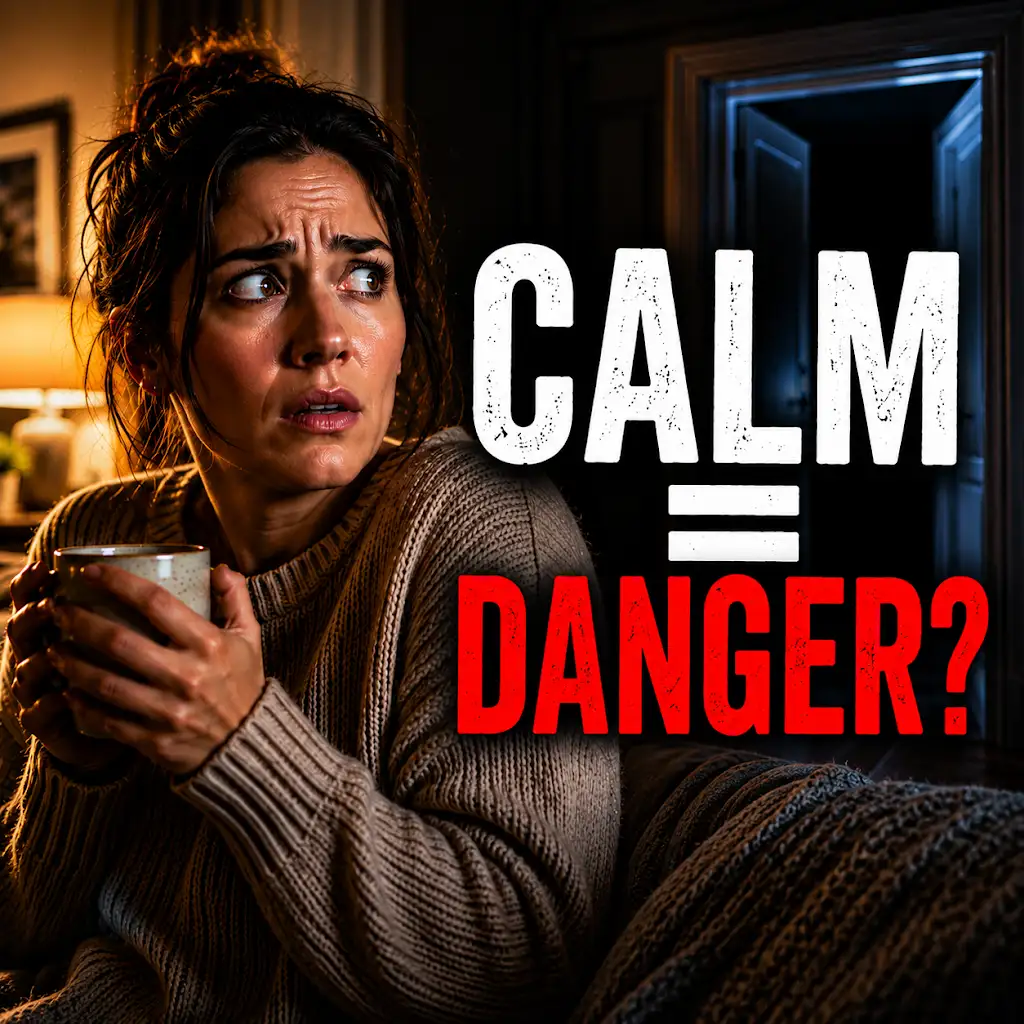
Your Life Is Safe. So Why Are You Still on Alert?
FAQs

What is hypervigilance?
Hypervigilance is a state of being constantly on high alert, often due to past trauma or anxiety. It can manifest as an intense awareness of one’s surroundings, a heightened sensitivity to potential threats, and a constant feeling of being on edge.
What are the symptoms of hypervigilance?
Symptoms of hypervigilance can include increased heart rate, rapid breathing, muscle tension, irritability, difficulty concentrating, and a constant scanning of the environment for potential dangers. It can also lead to difficulty relaxing or sleeping, and can impact daily functioning.
How does hypervigilance affect everyday life?
Hypervigilance can make everyday activities feel overwhelming and exhausting. It can lead to difficulty in social situations, as well as challenges in maintaining relationships and holding down a job. It can also contribute to feelings of isolation and anxiety.
What does hypervigilance feel like in everyday life?
In everyday life, hypervigilance can feel like constantly being on edge, as if danger is always lurking around the corner. It can lead to a sense of exhaustion and a feeling of being unable to fully relax or let one’s guard down. It can also lead to a sense of being disconnected from others and from one’s own emotions.
How can hypervigilance be managed?
Managing hypervigilance often involves seeking professional help, such as therapy or counseling, to address the underlying causes of the hypervigilance. Techniques such as mindfulness, relaxation exercises, and stress-reduction strategies can also be helpful in managing hypervigilance. It’s important to seek support and develop coping mechanisms to help navigate the challenges of living with hypervigilance.