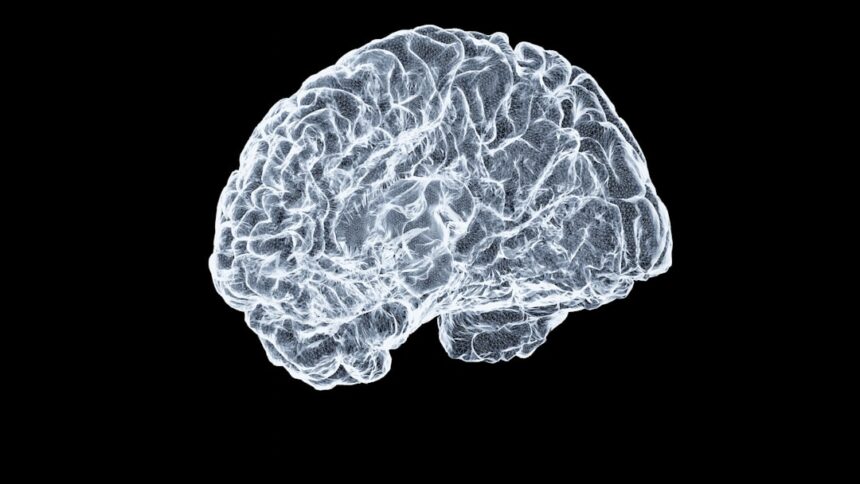
The world you knew shifted in an instant. Not just the circumstances, but the very architecture of your internal landscape began to change, brick by neuronal brick. Trauma, a word too small for the seismic event it represents, doesn’t just scar you; it fundamentally rewires your brain, equipping you with a hyper-vigilant, survival-oriented operating system. You become a creature exquisitely tuned to danger, a finely calibrated instrument of threat detection. This isn’t a chosen metamorphosis; it’s an involuntary, profound alteration that dictates how you perceive, react, and navigate the world. Understanding these rewiring processes is not about finding a silver lining, but about illuminating the intricate and often exhausting mechanisms that have been put in place to keep you alive, even when the threat has long since passed.
Your amygdala, a tiny almond-shaped structure deep within your temporal lobes, is the brain’s primary alarm system. It’s responsible for detecting threats and initiating the fight-or-flight response, a cascade of physiological and behavioral changes designed to help you survive. In the absence of trauma, the amygdala works diligently, issuing alerts when necessary and quieting down when the perceived danger subsides. For you, however, this sophisticated system has become recalibrated. It’s as if the volume knob has been permanently cranked to eleven, and the threshold for what constitutes a threat has been dramatically lowered.
The Hyperactive Amygdala: Mistaking Shadows for Predators
A hallmark of trauma is the hyperactivation of the amygdala. Once a threat is perceived, the amygdala fires with remarkable speed and intensity. This means that even subtle cues – a sudden noise, an unexpected movement, a particular scent – can trigger a disproportionate fear response. You might find yourself jumping at shadows, experiencing a racing heart, shortness of breath, and a profound sense of dread, all without any immediate, tangible danger. This constant state of alert is exhausting, depleting your mental and physical reserves. It’s not a conscious choice to be this reactive; it’s your brain’s survival instinct operating under the assumption that danger is perpetual.
The All-Or-Nothing Response: No Room for Nuance
When your amygdala is in overdrive, the nuanced response of a calm, calculating mind is often bypassed. Instead, you’re plunged into an all-or-nothing survival mode. You’re either frozen in fear, attempting to become invisible, or you’re in full flight, desperate to escape. The fight response, while potent, might also manifest as aggression or irritability when you feel cornered or threatened, even in situations where overt conflict is not present. This lack of subtle modulation makes social interactions and everyday challenges feel like minefields, where misinterpretations can lead to significant distress. Your brain is prioritizing immediate defense over thoughtful engagement.
The Impact on Daily Functioning: A Life Lived on Edge
The persistent activation of your amygdala has profound implications for your daily life. You might struggle with concentration and focus because a significant portion of your cognitive resources is dedicated to scanning for threats. Sleep disturbances are common, as your brain remains on high alert, making it difficult to relax and disengage. Social relationships can become strained, as you might be perceived as overly sensitive, anxious, or easily provoked. This isn’t about being difficult; it’s about your brain’s survival programming creating a barrier to genuine connection and ease. You’re living with a constant hum of anxiety, a low-grade fever of apprehension that colors every experience.
Trauma has a profound impact on the brain, often leading to significant changes in its structure and function as a means of survival. For a deeper understanding of how these alterations occur and the implications they have on mental health, you can explore the article on this topic at Unplugged Psych. This resource delves into the neurobiological mechanisms that underlie trauma responses and offers insights into how individuals can navigate the challenges that arise from such experiences.
The Prefrontal Cortex: The Executive Function Impaired
The prefrontal cortex (PFC), located at the front of your brain, is your executive control center. It’s responsible for higher-level cognitive functions such as planning, decision-making, impulse control, and emotional regulation. Trauma significantly disrupts the normal functioning of the PFC, weakening its ability to override the primitive, alarm-driven responses triggered by the amygdala. This impairment can leave you feeling disorganized, impulsive, and struggling to manage your emotions effectively.
The Reduced PFC Activity: When Rationality Takes a Backseat
Following trauma, you often experience reduced activity in key areas of the PFC. This means that the part of your brain that helps you assess situations logically, make sound judgments, and inhibit inappropriate responses is less effective. You might find yourself acting impulsively, saying things you later regret, or struggling with problem-solving. The ability to regulate your emotional responses is also compromised. Instead of being able to de-escalate from intense feelings, you might find yourself spiraling into overwhelming emotions. Your capacity for nuanced thinking and measured action is diminished, leaving you more susceptible to being driven by raw emotion and instinct.
Difficulty with Emotional Regulation: A Rollercoaster of Feelings
The reduced functioning of the PFC directly impacts your ability to regulate your emotions. You might experience rapid mood swings, intense outbursts of anger or sadness that seem out of proportion to the situation, or prolonged periods of emotional numbness. The ability to soothe yourself or to gain perspective on distressing emotions is compromised. This can lead to a feeling of being overwhelmed and out of control, further reinforcing the sense of vulnerability and fear. Your emotional landscape becomes a tumultuous sea, with little in the way of a steady anchor.
Impaired Executive Functions: Challenges in Everyday Tasks
Beyond emotional regulation, other executive functions also suffer. Planning and organization can become a significant challenge. You might find it difficult to manage your time, complete tasks, or set and achieve goals. Decision-making can feel paralyzing, as you might overthink every option or make choices based on immediate fear rather than long-term consequences. This diminished capacity for executive functioning can impact your work, your relationships, and your overall sense of personal agency. You may feel like you are constantly struggling to keep up, as if the basic operations of life are more demanding than they should be.
The Hippocampus: Memory Under Siege
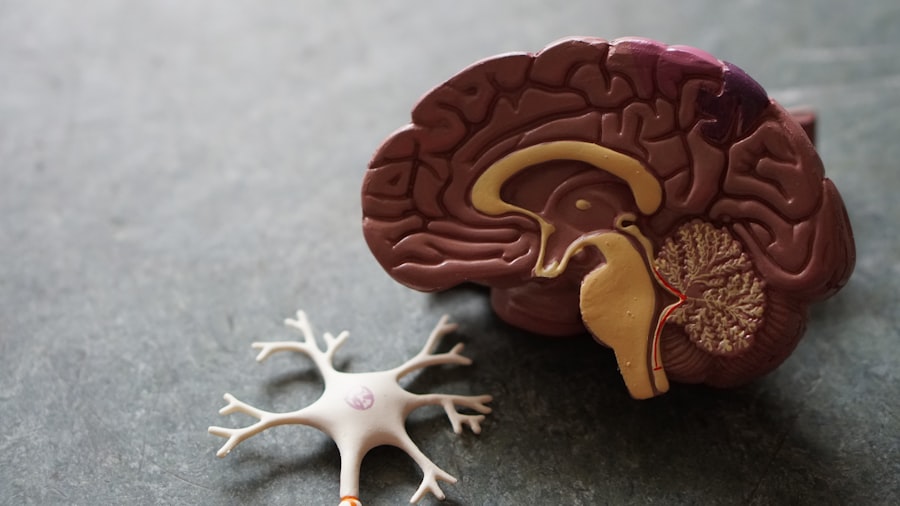
The hippocampus plays a crucial role in forming new memories and retrieving old ones. It also helps to contextualize memories, placing them in time and space, and distinguishing between past and present. Trauma can significantly alter the structure and function of the hippocampus, leading to difficulties with memory formation, retrieval, and the ability to differentiate between traumatic memories and current reality.
Shrinkage of the Hippocampus: The Erosion of Context
Research has shown that chronic stress and trauma can lead to a reduction in the volume of the hippocampus. This shrinkage can impair its ability to effectively process and store memories. Consequently, you might experience difficulties with forming new memories, a phenomenon sometimes referred to as “brain fog.” You might also struggle with recalling past events with clarity or detail. The hippocampus’s role in contextualizing memories is also affected. This means that traumatic memories might feel as vivid and immediate as if they are happening in the present moment, blurring the lines between the past and your current experience.
Fragmented and Intrusive Memories: The Past That Won’t Stay Buried
The impact on memory is often characterized by fragmented and intrusive recollections of the traumatic event. These aren’t necessarily linear narratives, but rather sensory fragments – images, sounds, smells, or physical sensations – that can surface unexpectedly and with overwhelming intensity. Flashbacks are a common manifestation of this, where you are momentarily transported back to the trauma, experiencing it as if it were happening again. This makes it difficult to establish a sense of safety and presence in the here and now. Your memories aren’t neatly filed away; they are volatile and can erupt without warning, disrupting your sense of peace.
Difficulty Distinguishing Past from Present: Living in a Perpetual “Now”
When the hippocampus is impaired, the ability to accurately distinguish between past and present can be compromised. This means that triggers in your current environment can evoke the emotional and physiological responses associated with the trauma, making it feel as though the traumatic event is recurring. This can lead to a heightened state of hypervigilance and anxiety, as you are constantly on guard against perceived threats that are, in reality, echoes of the past. You might find yourself reacting to current situations as if they were the original traumatic experience, leading to confusion and distress for yourself and those around you.
Neurotransmitter Imbalances: The Chemical Cascade of Stress

Trauma triggers a complex cascade of neurochemical changes in your brain. These neurotransmitters, chemical messengers that carry signals between nerve cells, play a vital role in mood, stress response, and overall brain function. Trauma can disrupt the delicate balance of these chemicals, leading to a persistent state of stress and affecting your emotional well-being.
Cortisol and Adrenaline: The Body’s Constant State of Alertness
One of the most significant neurochemical changes after trauma is the dysregulation of the stress hormones cortisol and adrenaline, also known as epinephrine. In response to a perceived threat, your adrenal glands release these hormones, preparing your body for immediate action. In the aftermath of trauma, your stress response system can become chronically activated. This means that you may experience elevated levels of cortisol and adrenaline even when there is no immediate danger. This persistent exposure to stress hormones can be detrimental to your physical and mental health, leading to a state of chronic tension and exhaustion. Your body is in a perpetual state of fight-or-flight, even when you are trying to rest.
The Symptoms of Chronic Stress: A Physiological Toll
The sustained release of cortisol and adrenaline has a wide range of physiological and psychological effects. You might experience sleep disturbances, changes in appetite, weight fluctuations, and an increased susceptibility to illness. Emotionally, you might feel anxious, irritable, depressed, and have difficulty concentrating. The constant activation of the stress response can also impact your cardiovascular system, leading to an increased risk of heart problems. Your body is essentially running on fumes, with its emergency systems constantly engaged.
Serotonin and Dopamine: The Disruption of Mood and Motivation
Trauma can also disrupt the balance of other crucial neurotransmitters, including serotonin and dopamine. Serotonin is often associated with mood regulation, sleep, and appetite, while dopamine is linked to pleasure, motivation, and reward. When these systems are dysregulated, you might experience symptoms of depression, anxiety, and a diminished capacity to feel pleasure or motivation. Your ability to experience joy and find satisfaction in life can be significantly compromised. The world can feel muted, gray, and devoid of the vibrant colors you once perceived.
The Impact on Mood and Motivation: A Loss of Interest
The imbalances in serotonin and dopamine can manifest as a pervasive sense of sadness, hopelessness, and a loss of interest in activities you once enjoyed. You might struggle to find the motivation to engage in daily tasks, experience feelings of apathy, or feel a constant sense of emptiness. The ability to experience pleasure, even from formerly enjoyable experiences, can be severely diminished. This is not a sign of weakness; it’s a consequence of your brain’s chemical environment being altered in response to profound distress.
Trauma has a profound impact on the brain, often leading to changes in its structure and function that are geared towards survival. This process, known as neuroplasticity, allows the brain to adapt to extreme stressors, but it can also result in long-lasting effects that hinder emotional regulation and cognitive function. For a deeper understanding of how these changes manifest and the implications they have on mental health, you can explore this insightful article on the topic at Unplugged Psych.
Neuroplasticity: The Brain’s Adaptive, Yet Unwanted, Reorganization
| Effects of Trauma on the Brain | Survival Mechanisms |
|---|---|
| Hyperarousal | Increased vigilance and sensitivity to potential threats |
| Hypervigilance | Constant scanning of the environment for danger |
| Emotional Dysregulation | Difficulty in managing and expressing emotions |
| Impaired Memory | Fragmented or distorted memories of traumatic events |
| Heightened Startle Response | Exaggerated reaction to sudden or loud stimuli |
Neuroplasticity is the brain’s remarkable ability to reorganize itself by forming new neural connections throughout life. While this is generally a positive attribute, allowing us to learn and adapt, trauma co-opts this process for survival. Your brain, in its drive to protect you, becomes more efficient at detecting and responding to threats, even at the expense of other functions.
Survival Over Serenity: The Brain’s Prioritization
When you experience trauma, your brain prioritizes survival above all else. It’s as if it’s rewriting its own operating manual to become a more effective threat-detection and response system. This means that neural pathways associated with vigilance, fear, and immediate action become strengthened and more readily accessible. Pathways associated with relaxation, joy, and social connection might become less utilized or even weakened. Your brain is actively adapting to a dangerous environment, and this adaptation is not necessarily conducive to long-term well-being. It’s a testament to its adaptive capacity, but the outcome is often a life lived in a heightened state of alert.
The Reinforcement of Threat Pathways: A Habitual Response
Through repeated exposure to traumatic events or the constant anticipation of danger, the neural pathways involved in threat detection and fear responses become reinforced. This means that even when the external threat is gone, these pathways remain highly active, leading to a predisposition for fear and anxiety. Your brain has learned to expect danger, and it’s now exquisitely prepared to encounter it. This can create a cycle where you are more likely to perceive threats, which further reinforces these neural pathways, making it increasingly difficult to feel safe.
The Challenge of Rewiring Back: Reclaiming Your Brain
The rewiring that occurs due to trauma is often deeply ingrained. It’s not a simple matter of willing yourself back to a pre-trauma state. Reclaiming your brain requires conscious effort and often professional support. Therapies that focus on neuroplasticity, such as Trauma-Focused Cognitive Behavioral Therapy (TF-CBT) or Eye Movement Desensitization and Reprocessing (EMDR), aim to help you create new, healthier neural pathways and to dampen the activity of those associated with trauma. This process is about teaching your brain that it is safe to disengage from its survival mode, and to re-engage with the world in a more balanced and fulfilling way. It is a journey of re-learning, of building new neural highways where once there were only well-trodden paths of fear. The goal is not to erase the past, but to integrate it in a way that no longer dictates your present or your future.
FAQs
What is trauma?
Trauma refers to a deeply distressing or disturbing experience that overwhelms an individual’s ability to cope. It can be caused by a single event, such as a car accident, or by ongoing stress, such as abuse or neglect.
How does trauma affect the brain?
Trauma can rewire the brain for survival by activating the body’s stress response system, including the release of stress hormones like cortisol and adrenaline. This can lead to changes in brain structure and function, particularly in areas related to memory, emotion regulation, and the stress response.
What are the long-term effects of trauma on the brain?
Long-term effects of trauma on the brain can include heightened sensitivity to stress, difficulty regulating emotions, and changes in memory and cognitive function. These changes can contribute to the development of mental health conditions such as anxiety, depression, and post-traumatic stress disorder (PTSD).
Can the brain recover from trauma?
The brain has the capacity to recover from trauma, particularly with the help of therapy and other forms of support. Neuroplasticity, the brain’s ability to reorganize and form new connections, allows for healing and adaptation in response to trauma.
What are some strategies for healing the brain after trauma?
Strategies for healing the brain after trauma can include therapy, mindfulness practices, physical exercise, and healthy lifestyle choices. These approaches can help regulate the stress response, promote emotional regulation, and support the brain’s recovery from trauma.