
The Unsettling Genesis: Unpacking Harlow’s Wire and Cloth Mothers
The mid-20th century witnessed a profound shift in our understanding of child development, largely propelled by the controversial yet undeniably impactful research of Harry Harlow. His “Surrogate Mother Study,” conducted at the University of Wisconsin-Madison, fundamentally challenged prevailing theories about the nature of infant-parental bonding. Before Harlow, the prevailing wisdom, heavily influenced by behaviorist principles, suggested that attachment was primarily a function of physical nourishment. Infants, it was believed, bonded with their mothers because mothers provided food. Harlow’s experiments, however, proposed a radical alternative: that comfort, warmth, and a sense of security were far more crucial drivers of attachment than mere sustenance. This groundbreaking, albeit ethically fraught, research laid the groundwork for modern attachment theory and continues to inform our understanding of the critical role of early relationships in shaping human (and primate) psychological well-being.
Harlow’s experimental design was elegantly simple yet profoundly disturbing. He isolated newborn rhesus monkeys from their biological mothers shortly after birth. In their place, he introduced two surrogate “mothers” constructed from wire. One surrogate was fitted with a nursing bottle, providing the essential nourishment the infants required. This “wire mother” was essentially a functional dispenser of food. The second surrogate, however, was also constructed of wire but was covered in soft, comforting terrycloth. While this “cloth mother” did not provide food, it offered warmth and a tactile sense of softness. The experimental setup was designed to directly test the hypothesis that food was the primary basis for infant-mother attachment, or if comfort and security played a more significant role.
The Experimental Setup: A Cruel Ingenuity
The isolation of the infant monkeys was a critical first step in Harlow’s research. Newborns were immediately separated from their mothers, a practice that in itself would be considered highly unethical by today’s standards. They were then placed in individual cages, where their sole interactions were with these artificial maternal figures. The stark environment of the cages was intended to minimize any extraneous influences, focusing the infants’ attention and their developing social behaviors solely on the two surrogate mothers. The deliberate contrast between the functional but impersonal wire mother and the comfortable but non-nutritious cloth mother was the core of the experimental manipulation. This setup was not accidental; it was meticulously designed to isolate variables and elicit clear behavioral responses that would either support or refute the existing theories of infant attachment.
The physical characteristics of the surrogates were intentionally distinct. The wire mother, while providing the vital milk, was rigid, cold, and unyielding. Its metallic surface offered no solace, no tactile reassurance. In contrast, the cloth mother, though unable to provide sustenance, was soft and warm. The terrycloth covering mimicked the texture of a primate mother’s fur, offering a comforting presence. This deliberate difference was the cornerstone of Harlow’s hypothesis: if infants were primarily attached to the source of nourishment, they would spend the majority of their time clinging to the wire mother, despite the absence of comfort. Conversely, if emotional security and tactile comfort were paramount, the infants would gravitate towards the cloth mother. The subsequent observations of the infants’ behavior provided a stark and unexpected answer.
Observing the Orphans: A Preference for Comfort
The results of Harlow’s study were, to many, astonishing and deeply unsettling. The infant monkeys, when given a choice, overwhelmingly preferred the cloth mother over the wire mother, even when the wire mother was the sole source of nourishment. The infants would spend a disproportionately large amount of time clinging to the soft cloth surrogate, seeking refuge and comfort. They would only leave the cloth mother to briefly visit the wire mother to nurse, quickly returning to the comforting embrace of the cloth. This behavior directly contradicted the prevailing notion that attachment was solely driven by feeding. The study provided compelling evidence that infants sought more than just sustenance from their primary caregivers; they craved contact, warmth, and a sense of security.
This preference for the cloth mother was not merely a superficial choice; it manifested in observable behavioral patterns. When frightened or distressed, the infants would immediately rush to the cloth mother, burying themselves in its soft surface as if seeking a protective shield. This response was consistent across all the infant monkeys in the study, regardless of which mother provided their food. The study’s findings suggested that the tactile experience and the feeling of being held and soothed were fundamental to the infant’s emotional well-being and the development of a secure attachment. The wire mother, despite fulfilling the biological necessity of feeding, failed to provide the emotional scaffolding the infant monkeys desperately needed.
Harry Harlow’s surrogate mother study is a pivotal piece of research that explored the importance of comfort and emotional support in the development of attachment in infant rhesus monkeys. For those interested in delving deeper into the implications of Harlow’s findings and their relevance to modern psychology, a related article can be found at Unplugged Psychology. This resource provides insights into how Harlow’s work has influenced our understanding of attachment theory and its applications in human relationships.
The Depths of Deprivation: Consequences of Absent Comfort

The implications of Harlow’s study extended far beyond the initial observations of preference. The researcher and his team also meticulously documented the long-term consequences of maternal deprivation, both in the presence of surrogate mothers and in complete isolation. These findings painted a grim picture of the detrimental effects of lacking adequate emotional and social stimulation during critical developmental periods. The monkeys raised with only the surrogate mothers, particularly those who were denied even the limited comfort of the cloth surrogate, exhibited severe and lasting psychological and social deficits.
The most disturbing aspect of the study involved monkeys raised in complete isolation, a condition that represented the most extreme form of maternal deprivation. These infants were deprived of any maternal figure, surrogate or otherwise, and were also prevented from interacting with their peers. The consequences for these monkeys were catastrophic. They failed to develop normal social behaviors, exhibiting extreme fear, aggression, and an inability to interact with other monkeys. This aspect of the research highlighted the crucial role of social interaction and nurturing relationships in the healthy development of a primate’s social and emotional capabilities.
The “Wire Mother” and the “Cloth Mother” Groups: Differentiated Outcomes
The monkeys in the “cloth mother” group, while still lacking the full richness of a biological mother, generally fared better than those raised in complete isolation. They demonstrated a preference for the cloth surrogate and exhibited some basic social behaviors. However, even with the presence of the cloth mother, these monkeys still displayed significant deficits compared to normally reared monkeys. They struggled with social interactions, often being withdrawn or overly aggressive. They also showed difficulties in their own maternal behavior when they reached reproductive age, often neglecting or harming their own offspring. This suggested that while a surrogate mother could provide some level of comfort, it was not a complete substitute for the complex emotional and social learning that occurs with a biological mother and a peer group.
The research also explored the impact of “all-wire” versus “all-cloth” mother conditions. In scenarios where infants were only provided with an all-wire mother (without the cloth covering), the results were even more starkly indicative of the importance of comfort. These infants showed extreme distress, failing to thrive, and exhibiting the most severe behavioral abnormalities. This reinforced the conclusion that tactile comfort and a sense of security were not merely supplementary to nourishment but were fundamental components of healthy attachment formation. The absence of such comfort led to profound developmental setbacks.
Long-Term Social and Emotional Impairments
The most profound and disturbing findings emerged when examining the long-term consequences of maternal deprivation. Monkeys raised with inadequate maternal care, whether with surrogates or in isolation, displayed severe and often irreversible social and emotional impairments. They struggled to form meaningful relationships with other monkeys, exhibiting behaviors such as social withdrawal, excessive aggression, and a lack of empathy. They were often unable to adapt to social situations and were frequently ostracized or attacked by their normally reared peers.
Furthermore, when these deprived females reached maturity, their capacity for motherhood was severely compromised. They often failed to nurture their own infants, sometimes inflicting physical harm or completely neglecting them. This demonstrated that the ability to be a nurturing caregiver is not an innate instinct but is learned through early experiences of being nurtured and cared for. The study powerfully illustrated the cycle of deprivation, where inadequately cared-for individuals struggle to provide adequate care themselves. The implications for human development, though requiring careful extrapolation, were undeniable: early childhood experiences of neglect and lack of bonding could have devastating long-term consequences.
The Genesis of Attachment Theory: Rethinking Human Bonding

Harry Harlow’s surrogate mother studies provided the empirical bedrock for what would become known as attachment theory, a framework that revolutionized developmental psychology. Prior to Harlow, attachment was largely understood through a behavioral lens, where the mother-child bond was seen as a conditioned response to the satisfaction of biological needs, primarily hunger. Harlow’s work forcefully argued for the primacy of an emotional bond, driven by the need for comfort, security, and emotional responsiveness.
The influential work of John Bowlby, a British psychoanalyst, had already begun to articulate similar ideas, proposing that infants have an innate need to form strong emotional bonds with their primary caregivers. Bowlby’s theoretical framework, however, lacked the direct, empirical evidence that Harlow’s primate studies so starkly provided. Harlow’s research offered a visceral demonstration of the critical importance of non-nutritional aspects of caregiving, providing compelling support for Bowlby’s nascent attachment theory.
Challenging Behaviorist Dogma
Harlow’s findings directly challenged the dominance of behaviorist psychology, which posited that all behavior is learned through conditioning and reinforcement. Behaviorists like B.F. Skinner emphasized the role of primary reinforcers, such as food, in shaping behavior. In this view, an infant would bond with its mother simply because she provided food, thereby reducing the infant’s hunger. Harlow’s experiments, however, demonstrated that even when food was readily available from a cold, mechanical source, the infants sought out and preferred a soft, comforting figure. This highlighted the limitations of a purely behaviorist explanation for complex social and emotional phenomena like attachment.
The preference for the cloth mother could not be explained by the mere satisfaction of biological drives. It pointed to a more intrinsic, perhaps evolutionary, need for comfort and security. This insight forced a reevaluation of how we understood infant development and the crucial role of the caregiver in providing not just physical sustenance but also emotional support. The behaviorist paradigm, while valuable in explaining certain learned behaviors, was clearly insufficient to account for the deep-seated need for connection and comfort observed in Harlow’s infants.
The Emergence of Bowlby’s Attachment Theory
The data from Harlow’s studies provided a powerful empirical validation for John Bowlby’s evolving ideas about attachment. Bowlby’s theory posited that infants have an innate drive to seek proximity and contact with their primary caregiver, whom he termed the “attachment figure.” This bond serves as a secure base from which the infant can explore the world and a safe haven to which they can return in times of distress. Harlow’s experiments, particularly the preference for the cloth mother, directly illustrated this need for a secure base and a safe haven, independent of food.
Bowlby’s work further proposed that the quality of this early attachment, whether secure, anxious-avoidant, or anxious-ambivalent, would have profound implications for an individual’s social and emotional development throughout their lifespan. While Harlow focused on the foundational need for comfort, Bowlby elaborated on the different patterns of attachment and their long-term consequences. The synergy between Harlow’s empirical findings and Bowlby’s theoretical framework cemented attachment theory as a cornerstone of modern developmental psychology.
Ethical Quandaries and Enduring Controversies
The legacy of Harry Harlow’s surrogate mother study is inextricably linked to the ethical controversies it ignited. The methodology employed, involving the isolation of infant monkeys and the infliction of significant psychological distress, would be considered profoundly unethical and unacceptable by contemporary research standards. The suffering of the animals, and the long-term consequences of their deprivation, raised serious questions about the balance between scientific inquiry and animal welfare.
Despite these ethical concerns, the scientific impact of Harlow’s work is undeniable. The study’s findings fundamentally altered our understanding of attachment and child development, leading to significant improvements in child-rearing practices and institutional care. However, the ethical considerations remain a critical aspect of the study’s narrative, prompting ongoing discussions about the limits of scientific experimentation and the responsibilities of researchers.
The Unacceptable Cost of Knowledge
The methods used in Harlow’s experiments are perhaps the most significant point of criticism. The deliberate isolation of infant monkeys, the creation of artificial and inadequate maternal figures, and the observation of profound psychological distress and social dysfunction among the subjects are deeply unsettling. The monkeys experienced fear, anxiety, and social incompetence as a direct result of the experimental design. This raises the fundamental question of whether the knowledge gained justified the suffering inflicted upon these sentient beings.
In the decades since Harlow’s research, ethical guidelines for animal experimentation have become significantly more stringent. The principle of the “three Rs” – Replacement, Reduction, and Refinement – guides contemporary research, emphasizing the need to replace animal models with alternatives whenever possible, reduce the number of animals used, and refine procedures to minimize suffering. Harlow’s study, viewed through this modern ethical lens, highlights a stark contrast with current research practices and serves as a cautionary tale.
Re-evaluating the Impact and Legacy
Despite the ethical criticisms, the impact of Harlow’s surrogate mother study on developmental psychology and child welfare cannot be overstated. The findings provided irrefutable evidence for the critical importance of early emotional bonding and comfort, leading to significant shifts in how we understand and approach childcare. Before Harlow, orphanages and institutions often prioritized efficiency and hygiene over emotional responsiveness. His work contributed to a move towards more nurturing environments, emphasizing the need for consistent, responsive, and affectionate care for infants and young children.
The study’s insights have also informed interventions for children who have experienced trauma, neglect, or institutionalization. Understanding the profound impact of early deprivation has led to the development of therapeutic approaches aimed at repairing damaged attachment bonds and fostering healthy emotional development. While the methods used were ethically problematic, the knowledge gained has undoubtedly contributed to improving the lives of countless children. The challenge lies in acknowledging the scientific contributions while critically evaluating the ethical costs, ensuring that future research prioritizes both scientific advancement and the welfare of all living beings.
Harry Harlow’s surrogate mother study has been pivotal in understanding the importance of attachment and emotional development in primates. This groundbreaking research highlighted how comfort and security can outweigh the basic need for nourishment, reshaping our views on maternal care. For those interested in exploring the implications of Harlow’s work further, a related article discusses the long-term effects of early attachment on psychological well-being. You can read more about it here.
Modern Relevance: Insights for Parenting and Beyond
| Metric | Details |
|---|---|
| Researcher | Harry Harlow |
| Study Subject | Rhesus Monkeys |
| Year Conducted | 1950s |
| Number of Infant Monkeys | Approximately 8-12 per experiment |
| Types of Surrogate Mothers | Wire mother with feeding bottle, Cloth mother without food |
| Primary Observation | Infants preferred cloth mother for comfort over wire mother with food |
| Duration of Contact | Monkeys spent majority of time clinging to cloth mother |
| Key Finding | Contact comfort is crucial for emotional development |
| Impact on Psychology | Challenged behaviorist views on attachment and bonding |
Harry Harlow’s surrogate mother study, despite its controversial origins, continues to offer profound and enduring insights into human development. The fundamental principles uncovered by his research remain highly relevant in understanding the dynamics of parenting, the importance of early childhood experiences, and the long-term consequences of emotional neglect. Modern parenting practices are deeply influenced by the understanding that attachment is built on more than just feeding; it is a complex interplay of comfort, security, responsiveness, and emotional connection.
The study’s findings have also shed light on the challenges faced by individuals who have experienced early adversity, such as those raised in foster care or institutions. Understanding the critical window for attachment formation highlights the importance of providing stable, nurturing environments for these children. Furthermore, the research continues to inform therapeutic interventions aimed at addressing attachment disorders and promoting healthy social and emotional development in individuals of all ages.
The Foundation of Secure Parenting
The core message of Harlow’s research for modern parenting is the paramount importance of providing consistent emotional support and physical comfort to infants and young children. The “cloth mother” principle underscores the need for caregivers to be a source of security and reassurance. This translates into practices such as holding, cuddling, responding promptly to a child’s needs, and creating a safe and predictable environment. These actions, far from spoiling a child, are instrumental in building a secure attachment, which is the foundation for a child’s future emotional resilience and social competence.
The study also implicitly warns against the dangers of emotional neglect, even in the presence of adequate physical care. A child who is fed and housed but lacks emotional connection may develop the same kind of deficits observed in Harlow’s monkeys. Therefore, active engagement, verbal reassurance, and a demonstration of love and affection are not optional extras but are essential components of healthy child development. The legacy of Harlow’s work serves as a constant reminder to prioritize the emotional well-being of children in all aspects of their care.
Implications for Institutional Care and Intervention
The stark findings from Harlow’s studies on maternal deprivation had a direct and transformative impact on institutional child care. Prior to his research, orphanages and other institutions often operated with a focus on basic needs provision, with less emphasis on individual attention and emotional nurturing. The recognition that infants and children require consistent, loving interaction to develop properly led to widespread reforms in institutional settings. This included efforts to provide more personalized care, reduce staff turnover, and encourage the formation of strong bonds between caregivers and children.
Furthermore, the insights derived from Harlow’s work are crucial for understanding and treating individuals who have experienced early neglect or trauma. Attachment theory provides a framework for therapeutic interventions designed to address difficulties in forming healthy relationships, managing emotions, and navigating social interactions. Therapies like Dyadic Developmental Psychotherapy (DDP) are directly informed by the principles of attachment, focusing on building secure connections and fostering emotional regulation in children who have experienced adverse childhood experiences. Harlow’s research, therefore, continues to provide a vital theoretical and practical foundation for supporting vulnerable populations and promoting lifelong well-being.
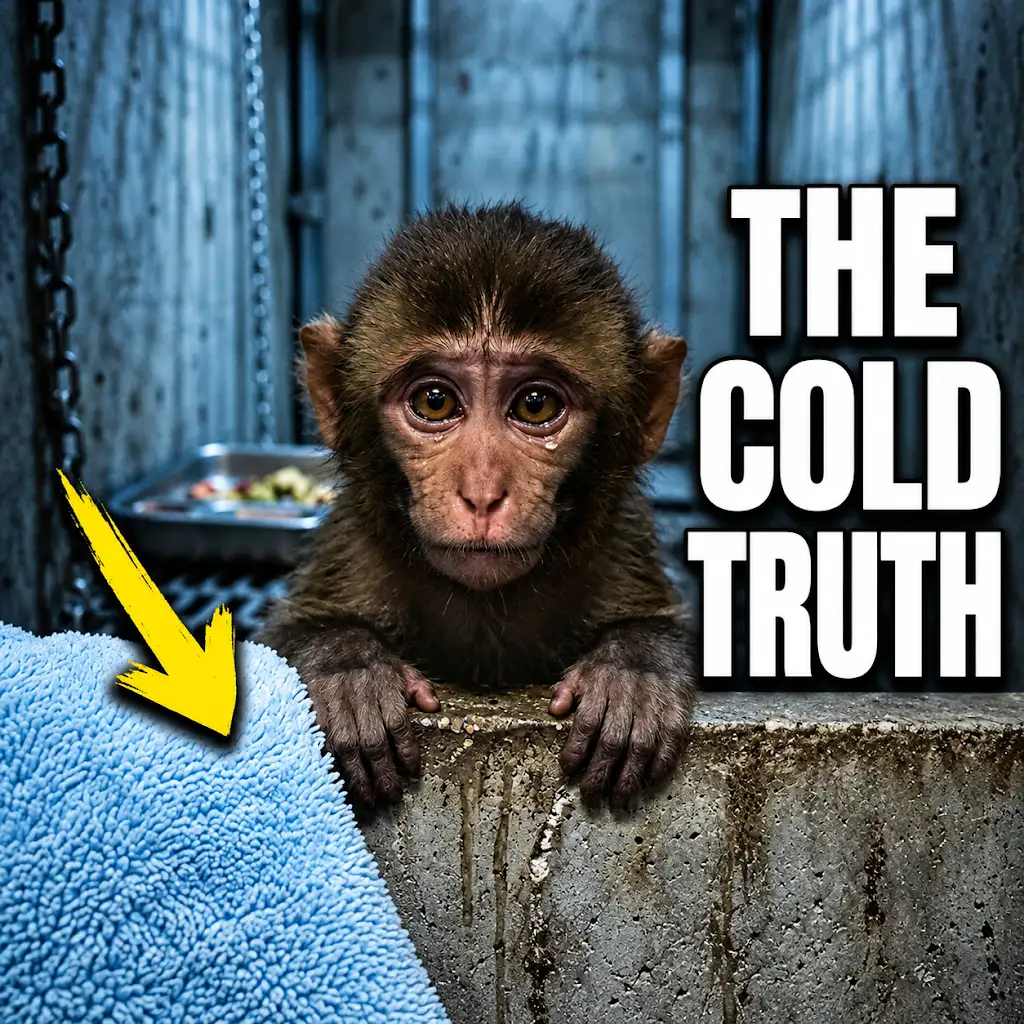
The Dark Reality of the Monkey Comfort Experiment
FAQs
What was the purpose of Harry Harlow’s surrogate mother study?
Harry Harlow’s surrogate mother study aimed to investigate the importance of contact comfort in the development of infant monkeys.
How did Harry Harlow conduct his surrogate mother study?
Harry Harlow conducted his study by separating infant monkeys from their biological mothers and providing them with two surrogate mothers: one made of wire with a feeding bottle and one covered in soft cloth but without food.
What were the key findings of Harry Harlow’s surrogate mother study?
The key findings of the study showed that infant monkeys preferred the cloth surrogate mother over the wire one, emphasizing the importance of contact comfort in attachment and emotional development.
What impact did Harry Harlow’s surrogate mother study have on psychology?
Harry Harlow’s study revolutionized the understanding of attachment theory and the importance of emotional bonds in psychological development, challenging previous beliefs about the role of feeding in attachment.
What ethical concerns were raised by Harry Harlow’s surrogate mother study?
Harry Harlow’s study raised ethical concerns regarding the treatment of animals in research, particularly in terms of the emotional distress caused to the infant monkeys through maternal deprivation and social isolation.