
The chilling simplicity of the Harlow Isolation Experiments, conducted by Harry Harlow in the mid-20th century, continues to provoke discussion and underscore fundamental truths about the nature of social and emotional development. These controversial studies, primarily involving rhesus monkeys, aimed to unravel the intricacies of attachment behavior, questioning the prevailing notion that infant-caregiver bonds were solely transactional, based on the provision of food. Harlow’s work, while ethically fraught by modern standards, provided seminal insights into the profound psychological impact of social deprivation and the critical importance of comfort and contact in forming healthy emotional attachments. The experiments, conducted at the University of Wisconsin, utilized surrogate mothers to isolate infant monkeys from their biological mothers, offering a stark glimpse into the developmental consequences of a lack of social interaction.
The Genesis of Surrogate Mothers: Rethinking Early Bonding
The prevailing psychological theory in the mid-1950s, largely influenced by behaviorism, posited that infant attachment to their mothers was primarily driven by the reinforcement of feeding. The mother, in this view, was a dispenser of sustenance, and the infant’s proximity and affection were merely learned responses to this primary reinforcement. Harry Harlow, however, harbored a growing skepticism about this purely utilitarian explanation. He observed that even when infant monkeys were provided with adequate food, they often displayed strong preferences for their mothers, even in the absence of immediate feeding. This empirical observation, coupled with a desire to understand the biological and psychological underpinnings of attachment, laid the groundwork for his groundbreaking, albeit ethically controversial, research.
The Wire Mother and the Cloth Mother: A Crucial Distinction
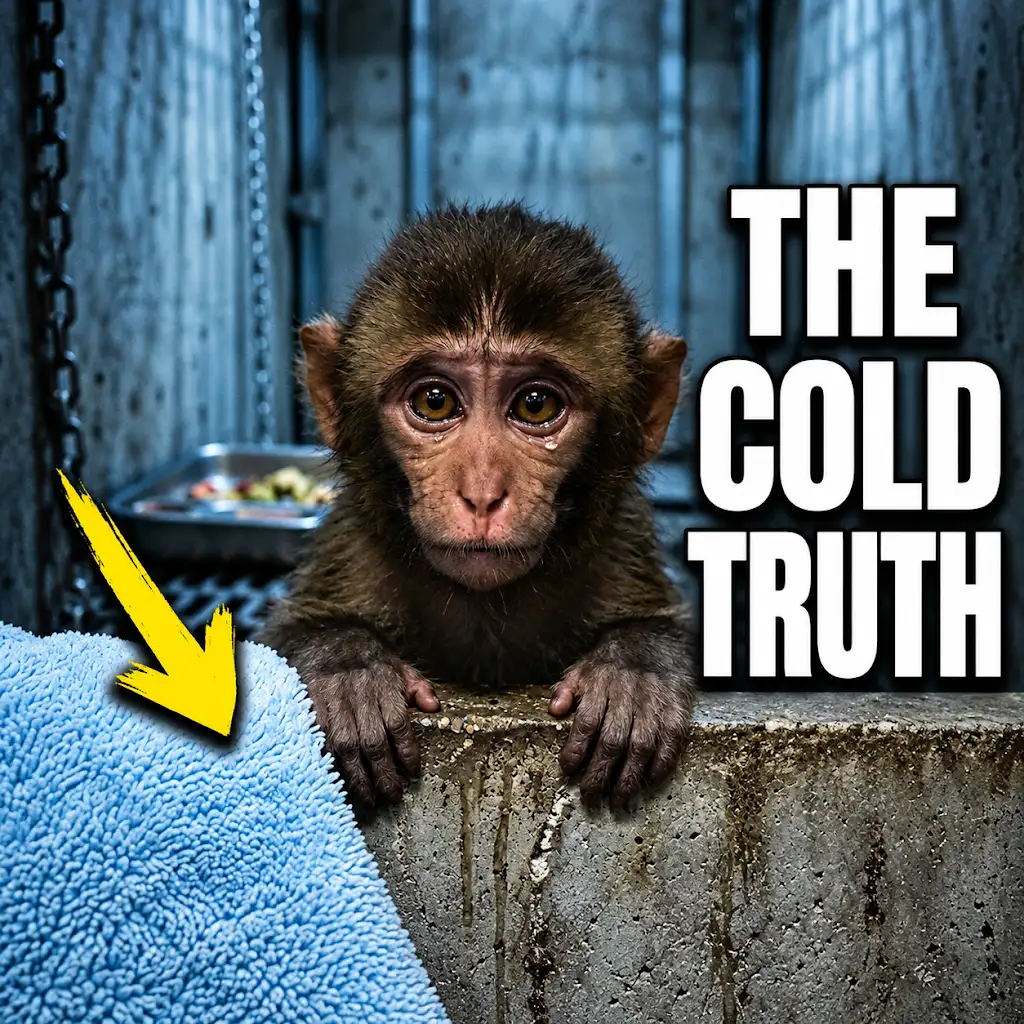
Harlow’s most iconic experimental setup involved the creation of two distinct surrogate mothers for newborn rhesus monkeys. The first, the “wire mother,” was a simple cylinder of wire mesh with a nipple attached, designed to provide milk. The second, the “cloth mother,” was constructed from a similarly shaped cylinder, but it was covered in soft, terrycloth, offering a comforting tactile experience. Critically, both mothers were warmed to body temperature. The infant monkeys were then placed in a cage with these two surrogate mothers, with the wire mother being the sole source of nourishment. The intention was to isolate the variable of comfort from the variable of sustenance.
The Unforeseen Importance of Tactile Comfort
The results of this initial phase were revelatory. Despite the wire mother being the source of food, the infant monkeys spent overwhelmingly more time clinging to the cloth mother. They would only venture to the wire mother to nurse briefly before returning to the comforting embrace of the cloth surrogate. This preference was not a fleeting whim; the infants demonstrated a clear and consistent reliance on the cloth mother for security and emotional solace. When frightened, they would invariably rush to the cloth mother, burying their faces in its soft surface. This demonstrated that comfort and tactile stimulation were not secondary concerns but rather primary drivers of attachment, far outweighing the basic need for sustenance. This finding directly challenged the prevailing behaviorist explanations and offered a compelling argument for the psychological significance of emotional connection beyond mere biological necessity.
The Harlow isolation experiments, which explored the effects of social isolation on rhesus monkeys, have sparked considerable interest in the field of psychology. For those looking to delve deeper into the implications of these experiments on attachment theory and social development, a related article can be found at Unplugged Psych. This resource provides a comprehensive overview of Harlow’s work and its relevance to understanding human relationships and emotional well-being.
The Profound Impact of Social Isolation: A Developmental Abyss

While the initial experiments highlighted the importance of comfort, Harlow’s subsequent research delved into the devastating consequences of complete social deprivation. These later studies, often referred to as the “cave monkey” experiments or the “prison” experiments, involved raising infant monkeys in isolation from any social contact, including their mothers and peers. The aim was to understand the long-term effects of such severe deprivation on social, emotional, and cognitive development, providing a stark illustration of the critical role of social interaction in healthy development.
The “Wall of Despair”: A Glimpse into Utter Isolation
In one particularly harrowing experiment, infant monkeys were raised in complete darkness and isolation for varying periods, ranging from three months to a year. These monkeys were essentially confined to a “cave” with no opportunities for social interaction or stimulation. When these monkeys were eventually introduced to normal social environments, their deficits were immediately apparent and profoundly disturbing. They exhibited extreme social maladjustment, characterized by aggression, fear, and an inability to interact normally with their peers. This stark depiction of the consequences of isolation became known as the “wall of despair,” a testament to the psychological devastation wrought by the absence of social connection.
The Long-Term Scars: Behavioral and Emotional Deficits
The monkeys subjected to prolonged isolation displayed a range of severe behavioral and emotional deficits. They were often withdrawn, catatonic, and unresponsive to their surroundings. When they did engage, it was typically with extreme aggression or fear. They struggled to form relationships, showed little interest in play, and often engaged in self-injurious behaviors, such as biting their own limbs. Their ability to reproduce was also severely impaired, with females unable to care for their own offspring and males exhibiting little to no sexual interest or competence. This indicated that the damage inflicted by isolation was not merely superficial but deeply ingrained in their psychological and behavioral makeup, impacting their fundamental ability to function as social beings.
Reintegration and the Struggle for Recovery: Can Wounds Be Healed?

Following the demonstration of the severe and lasting damage caused by isolation, a crucial question emerged: could these monkeys, despite their profound deficits, be reintegrated into society and experience some degree of recovery? Harlow and his team embarked on a series of experiments designed to test the possibility of rehabilitation, exploring whether even damaged individuals could benefit from social contact, albeit under controlled conditions.
Introducing “Peers” to the Isolated
One approach involved introducing the isolated monkeys to younger, socially normal monkeys. The hope was that the younger, less threatening individuals might serve as catalysts for social learning and potentially stimulate some form of interaction. While some minimal progress was observed, the older, isolated monkeys often continued to display their maladaptive behaviors, either ignoring the younger monkeys or reacting with aggression and fear. The damage of prolonged isolation appeared to be deeply entrenched, making successful integration a formidable challenge.
The “Crutch” Monkeys: A Tentative Step Towards Connection
A more promising, yet still limited, avenue of research involved introducing the isolated monkeys to “crutch” monkeys. These were monkeys that had been raised with surrogate mothers and had experienced some level of social development but were still somewhat immature. The idea was that these less socially adept, but not entirely broken, individuals might be more patient and forgiving of the isolated monkeys’ erratic behaviors. In some cases, this led to a slight reduction in the isolated monkeys’ withdrawal and a marginal increase in their willingness to engage. However, the overall recovery was far from complete, underscoring the irreversible nature of the early damage. The “crutch” monkey experiments offered a glimmer of hope, but the profound impact of early deprivation remained a stark reality.
Ethical Controversies and Lasting Legacies: A Complex Inheritance
The Harlow Isolation Experiments, while yielding groundbreaking insights into attachment and the devastating effects of social deprivation, are undeniably steeped in ethical controversy. The deliberate infliction of suffering on sentient beings, particularly infants, raises serious questions about the moral boundaries of scientific inquiry and the cost of knowledge. The experiments, by today’s standards, would be considered highly unethical, and their legacy is therefore a complex and often uncomfortable one.
The Price of Progress: A Reckoning with Suffering
The images and accounts of the isolated monkeys are deeply disturbing. The deliberate creation of severe psychological distress, including fear, anxiety, and social incompetence, for the sake of scientific understanding, is a difficult aspect of the experiments to reconcile. Critics argue that the knowledge gained did not justify the immense suffering inflicted. This ethical reckoning is crucial when evaluating the full impact of Harlow’s work, acknowledging that advancements in understanding came at a significant cost. The debate over the ethics of these experiments continues to inform discussions about animal research and the balance between scientific pursuit and animal welfare.
Redefining Attachment Theory and Child-Rearing Practices
Despite the ethical concerns, the Harlow experiments had a profound and lasting impact on developmental psychology and our understanding of human attachment. They fundamentally shifted the scientific paradigm, moving away from purely behaviorist explanations to acknowledge the crucial role of emotional and social bonds. This led to a greater emphasis on the importance of responsive parenting, early childhood education, and the need for nurturing environments for healthy psychological development. The experiments directly contributed to the development of attachment theory as we know it today, influencing how we understand the parent-child relationship and the long-term consequences of early experiences. The insights gained, though born from a controversial methodology, have undoubtedly shaped more humane and effective approaches to child-rearing and interventions for developmental challenges.
The Harlow isolation experiments, which explored the effects of social deprivation on rhesus monkeys, have sparked significant interest in understanding attachment and emotional development. For those looking to delve deeper into related topics, the article on the impact of early social experiences on psychological well-being offers valuable insights. You can read more about it in this detailed exploration that connects various psychological theories and findings.
The Enduring Relevance of Harlow’s Insights: Lessons for the Present
| Metric | Description | Data/Value |
|---|---|---|
| Subject | Type of animal used in the experiment | Rhesus monkeys |
| Isolation Duration | Length of time monkeys were isolated | 3 to 24 months |
| Age at Isolation Start | Age of monkeys when isolation began | Infant (within first few weeks of life) |
| Types of Surrogate Mothers | Materials used for surrogate mothers | Wire mesh with food, cloth-covered wire mesh without food |
| Preference Outcome | Which surrogate the monkeys preferred | Cloth-covered surrogate (comfort over food) |
| Behavioral Effects of Isolation | Observed effects on monkeys after isolation | Social withdrawal, fear, inability to mate, self-harm |
| Rehabilitation Success | Ability to recover normal behavior after isolation | Partial recovery if reintroduced early; limited if isolated >6 months |
| Key Conclusion | Primary finding from the experiments | Contact comfort is crucial for healthy psychological development |
The Harlow Isolation Experiments, despite their age and the ethical controversies that surround them, continue to offer valuable lessons that resonate in contemporary society. The fundamental truths they unveiled about the human need for connection and the devastating impact of isolation remain profoundly relevant in an increasingly interconnected yet often socially fragmented world.
The Universal Need for Connection in a Digital Age
In an era where digital communication can sometimes substitute for genuine human interaction, the core message of Harlow’s work is more pertinent than ever. The experiments vividly illustrate that while physical proximity is important, the quality of social interaction and the presence of emotional support are paramount for healthy development. The findings underscore the intrinsic human need for tactile comfort, emotional security, and reciprocal relationships, highlighting that these are not luxuries but essential components of psychological well-being. This is particularly relevant in understanding the impact of social media, remote work, and other modern phenomena on social connection.
Informing Interventions for Socially Isolated Populations
The insights gleaned from the Harlow experiments have direct implications for understanding and addressing social isolation in various populations. From the elderly and the chronically ill to individuals experiencing homelessness or the aftermath of trauma, the long-term consequences of lacking social connection are well-documented. Harlow’s work provides a scientific foundation for the importance of social support networks, community engagement, and therapeutic interventions aimed at fostering connection and mitigating the detrimental effects of isolation. This has informed the development of programs and strategies designed to combat loneliness and improve the mental and emotional health of vulnerable groups. The experiments serve as a stark reminder that human beings are inherently social creatures, and their well-being is inextricably linked to their relationships with others.
The Dark Reality of the Monkey Comfort Experiment
FAQs
What were the Harlow isolation experiments?
The Harlow isolation experiments were a series of studies conducted by psychologist Harry Harlow in the 1950s and 1960s that involved isolating infant monkeys from their mothers to study the effects of social deprivation on their development.
What were the main findings of the Harlow isolation experiments?
The main findings of the Harlow isolation experiments were that social isolation and deprivation during early development had profound and lasting negative effects on the monkeys’ social and emotional development, leading to behaviors such as social withdrawal, aggression, and difficulty forming relationships.
How did the Harlow isolation experiments contribute to our understanding of attachment and social development?
The Harlow isolation experiments helped to demonstrate the importance of social and emotional bonds in early development, highlighting the critical role of attachment figures in providing comfort, security, and support for healthy social and emotional development.
What ethical concerns were raised by the Harlow isolation experiments?
The Harlow isolation experiments raised significant ethical concerns due to the psychological harm inflicted on the infant monkeys, including long-lasting emotional trauma and distress. Critics argued that the experiments were cruel and inhumane.
What impact did the Harlow isolation experiments have on the field of psychology?
The Harlow isolation experiments had a lasting impact on the field of psychology by challenging traditional beliefs about the importance of physical needs over emotional needs in development. They helped to shape our understanding of attachment theory and the critical role of social relationships in human and animal development.