
The Enduring Shadow of Harlow’s Monkeys: A Look at the Ethical Quandaries
Harry Harlow’s experiments with rhesus monkeys in the mid-20th century stand as a landmark in the history of psychology, profoundly shaping our understanding of attachment and social development. Yet, these seminal studies are inextricably linked to a deeply disturbing ethical controversy that continues to resonate within scientific and animal welfare communities. The experiments, while yielding groundbreaking insights, were conducted with a level of animal mistreatment that, by today’s standards, would be deemed unacceptable, sparking a debate that probes the very definition of scientific progress and the moral obligations owed to sentient beings. The “Harlow Experiment Ethical Controversy” is not merely a historical footnote; it is an ongoing dialogue about the costs of knowledge and the evolving ethical landscape of research.
The Harlow experiment, which involved the use of rhesus monkeys to study attachment and social behavior, has sparked significant ethical controversy due to the distress and suffering inflicted on the animals. For a deeper understanding of the ethical implications surrounding such psychological experiments, you can refer to a related article that discusses the balance between scientific inquiry and animal welfare. This article provides valuable insights into the ongoing debates in the field of psychology regarding ethical standards in research. For more information, visit this article.
The Genesis of Attachment: Harlow’s Controversial Methods

Harry Harlow, a psychologist at the University of Wisconsin-Madison, embarked on his research with a burning question: what truly drives infant attachment – survival needs like nourishment, or something more complex, like comfort and affection? He aimed to dismantle the prevailing “cupboard love” theory, which posited that infants bond with their mothers solely because mothers provide food. His experimental design, however, would become the source of immense ethical concern.
Surrogate Mothers and the Illusion of Nurture
Harlow’s most famous experiments involved isolating infant rhesus monkeys from their biological mothers shortly after birth. He then introduced them to two surrogate mothers: one constructed of wire, which dispensed milk, and another covered in soft, terrycloth, offering no nourishment but providing a comforting surface. The infants overwhelmingly chose to spend their time clinging to the cloth mother, even when the wire mother was the sole source of food. This demonstrated, quite starkly, that tactile comfort and emotional reassurance played a far more significant role in attachment than mere sustenance.
The “Unloving” Experiment: Breeding Social Devastation
While the initial surrogate mother experiments offered critical insights into the psychological needs of infants, a subsequent and more harrowing phase of Harlow’s research delved into the devastating consequences of maternal deprivation. In these studies, infant monkeys were raised entirely in isolation, with no contact with their mothers or peers. Some were placed in “chambers of horrors,” designed to induce fear and distress, and their reactions observed in the absence of any social support. The researchers meticulously documented the profound psychological damage inflicted by this extreme social and emotional neglect.
The Ethical Storm: Animal Welfare Under Scrutiny

The visual evidence and detailed descriptions of the conditions under which Harlow’s monkeys were kept ignited a firestorm of criticism from animal welfare advocates, ethicists, and even fellow scientists. The perceived cruelty of the experiments raised fundamental questions about the balance between scientific advancement and the suffering of animals.
Deprivation and Psychological Trauma
The core of the ethical controversy lay in the deliberate infliction of severe psychological distress upon young, sentient beings. The isolation experiments, in particular, were designed to create emotional deficits, observing the resulting behavioral abnormalities. Monkeys raised in isolation exhibited profound social and emotional problems. They failed to develop normal social behaviors, often becoming aggressive, withdrawn, or incapable of forming meaningful relationships. When later introduced to normal monkeys, they were either aggressive or fearful, unable to navigate social interactions. This deliberate creation of psychological suffering, even for the sake of scientific inquiry, proved deeply troubling to many.
The Specter of Cruelty
Critics argued that the experiments crossed the line from scientific inquiry to outright cruelty. The monkeys were subjected to prolonged periods of isolation, fear-inducing stimuli, and the absence of maternal affection. The descriptions of their distress – their constant crying, their rocking back and forth in self-soothing behaviors, their inability to interact with their peers – painted a grim picture of their existence. The scientific justification, they contended, did not outweigh the ethical cost of such profound suffering. The lack of adequate social stimulation and comfort was not an accidental byproduct but a central element of the experimental design, intended to reveal the negative consequences of its absence.
The Debate Over Sentience and Rights
Harlow’s experiments inadvertently amplified the nascent debate about animal sentience and the rights owed to non-human animals. The observable distress and complex emotional responses of the monkeys challenged the prevailing notion that they were merely unfeeling automatons. Their capacity for suffering, their clear need for social connection, and their evident psychological damage suggested a level of sentience that demanded ethical consideration. This led to a broader discussion about whether animals have rights that should be protected, even at the expense of potentially groundbreaking scientific discoveries. The question of “how much suffering is too much?” became central to the discourse, with no easy answers.
The Long Shadow of Legacy: Impact on Future Research and Policy
The ethical outcry surrounding Harlow’s experiments had a profound and lasting impact on the scientific community, leading to significant shifts in research practices and the establishment of stricter ethical guidelines for animal experimentation. The controversy served as a catalyst for change, forcing a reckoning with the responsibilities researchers hold towards their animal subjects.
The Rise of Ethical Review Boards
In the wake of the intense criticism, regulatory bodies and institutions began to implement more rigorous ethical review processes for animal research. The establishment of Institutional Animal Care and Use Committees (IACUCs) became standard practice. These committees are tasked with evaluating research proposals to ensure that the use of animals is justified, that potential suffering is minimized, and that humane care is provided. The principle of the “3Rs” – Replacement, Reduction, and Refinement – gained prominence, urging researchers to replace animals with alternatives whenever possible, reduce the number of animals used, and refine procedures to minimize pain and distress. Harlow’s work, while groundbreaking, undeniably contributed to the urgent need for such oversight.
Shifting Paradigms in Animal Research
The ethical concerns raised by Harlow’s experiments, and similar studies, contributed to a broader shift in how animal research is conducted and perceived. There is now a greater emphasis on the ethical justification for any research involving animals, requiring scientists to demonstrate a clear benefit that outweighs the potential harm to the animals. This has led to increased research into non-animal alternatives, such as in vitro studies, computer modeling, and observational research. While animal research continues, it is generally conducted with far greater consideration for animal welfare than in the era of Harlow’s experiments. The “cost-benefit analysis” for animal use is now a much more stringent and publicly scrutinized process.
The Enduring Ethical Dilemma
Despite advancements in ethical guidelines and practices, the core ethical dilemma posed by Harlow’s experiments remains. Science often progresses by pushing boundaries, and sometimes those boundaries involve the use of living organisms. The question of where to draw the line between necessary scientific inquiry and unacceptable animal suffering is a complex and ongoing one. The legacy of Harlow’s monkeys serves as a perpetual reminder that scientific ambition must always be tempered by a profound respect for the well-being of those who cannot speak for themselves. The debate continues to evolve, with new technologies and ethical frameworks constantly challenging established norms.
The ethical controversy surrounding the Harlow experiment has sparked significant debate within the psychological community, particularly regarding the treatment of animals in research. A related article discusses the implications of such experiments and the evolving standards of ethical practices in psychological studies. For those interested in exploring this topic further, you can read more about it in this insightful piece on ethical considerations in psychology at Unplugged Psychology. This resource provides a comprehensive overview of how ethical guidelines have changed over the years and their impact on research methodologies.
The Scientific Justification: Unpacking the Gains
| Aspect | Description | Ethical Concern | Impact on Research Ethics |
|---|---|---|---|
| Subject | Infant rhesus monkeys | Use of non-human primates in distressing experiments | Raised awareness about animal welfare in research |
| Experiment | Separation from mother and choice between wire and cloth surrogate mothers | Induced psychological distress and maternal deprivation | Highlighted the importance of maternal bonding and ethical treatment |
| Duration | Several weeks to months per subject | Prolonged exposure to stress and isolation | Prompted development of guidelines limiting duration of distressing procedures |
| Findings | Monkeys preferred comfort over food; showed long-term emotional damage | Demonstrated harm caused by experimental conditions | Influenced animal care standards and ethical review boards |
| Controversy | Use of psychological harm to study attachment | Debate over scientific value vs. animal suffering | Contributed to stricter ethical regulations in animal research |
Despite the ethical minefield, it is undeniable that Harlow’s research yielded critical insights that have profoundly shaped our understanding of human development and mental health. The scientific community continues to grapple with the trade-offs, acknowledging the valuable knowledge gained while confronting the undeniable ethical costs.
Understanding Attachment Disorders
The most significant contribution of Harlow’s experiments was the robust demonstration of the critical role of maternal care and social bonding in healthy development. His findings provided a scientific basis for understanding attachment disorders, which are now recognized as serious conditions that can arise from early childhood neglect or disrupted relationships. The research helped explain the long-term consequences of adverse childhood experiences, influencing therapeutic approaches and early intervention strategies for children at risk. The concept of “secure base” attachment, a cornerstone of developmental psychology, owes a substantial debt to Harlow’s meticulous, albeit ethically fraught, observations.
Implications for Mental Health and Social Well-being
Harlow’s work had far-reaching implications for understanding a wide range of mental health issues, including depression, anxiety, and social isolation. By demonstrating the devastating effects of social deprivation, his research underscored the fundamental human need for connection and belonging. This understanding has informed therapeutic interventions for individuals suffering from loneliness and social withdrawal, highlighting the importance of social support networks and early childhood interventions aimed at fostering healthy attachments. The stark contrast between the well-developed social behaviors of monkeys raised with surrogate mothers offering comfort and the severely impaired behaviors of those deprived of social interaction provided a powerful empirical foundation for these later developments.
Challenges to Prevailing Scientific Dogma
At the time, Harlow’s research directly challenged the prevailing behavioralist dogma, which emphasized observable behaviors and external stimuli. His focus on internal psychological states, such as the need for comfort and affection, represented a significant paradigm shift. This paved the way for the cognitive revolution in psychology, which began to explore the internal mental processes that influence behavior. By demonstrating the complexity of social and emotional needs in non-human primates, his work broadened the scope of scientific inquiry beyond purely physiological explanations for behavior.
The Ongoing Dialogue: Towards a More Humane Future
The controversy surrounding Harlow’s experiments is not a closed chapter; it is an active and evolving dialogue about the ethical responsibilities of scientific research. The lessons learned continue to inform contemporary debates about animal welfare, the ethics of scientific inquiry, and the very definition of progress.
Evolving Ethical Frameworks in Research
The ethical landscape of animal research has been irrevocably altered by the discussions ignited by Harlow’s work. Modern ethical frameworks are more nuanced, emphasizing the intrinsic value of animal life and the minimization of suffering. The scientific community is increasingly committed to exploring and implementing alternatives to animal testing, driven by both ethical considerations and the desire for more sophisticated and predictive research models. This continuous evolution of ethical thought is a direct consequence of confronting the difficult questions raised by past research.
The Public’s Role in Shaping Research Ethics
The public’s engagement with the ethical implications of scientific research has grown significantly since the time of Harlow’s experiments. Increased awareness of animal sentience and the potential for suffering has led to greater public scrutiny of research practices. This public pressure, coupled with advocacy from animal welfare organizations, plays a crucial role in shaping research policies and encouraging the development of more humane scientific methods. The transparency and accountability of research institutions are now paramount, with public opinion often acting as a powerful catalyst for change.
Redefining Scientific Progress
Ultimately, the ethical controversy surrounding Harlow’s experiments forces us to confront a fundamental question: what constitutes true scientific progress? Is it solely the acquisition of knowledge, regardless of the cost? Or does it encompass the ethical considerations and the well-being of all sentient beings involved? The legacy of Harlow’s monkeys serves as a powerful testament to the need for a more compassionate and ethically grounded approach to scientific discovery, one that prioritizes both the pursuit of knowledge and the humane treatment of those who contribute to its advancement. The ongoing debate continues to push the boundaries of what is considered ethically acceptable, striving for a future where scientific progress and animal welfare are not mutually exclusive but are, in fact, intertwined.
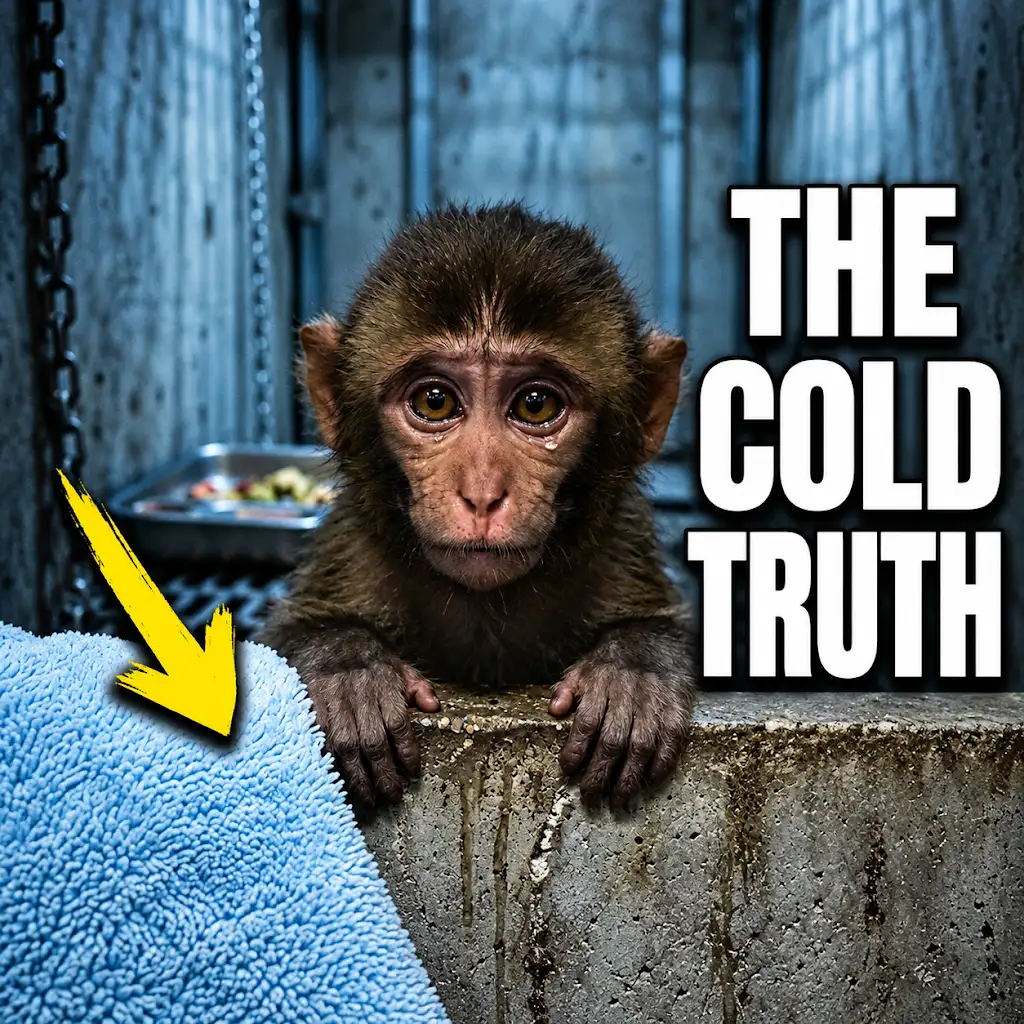
The Dark Reality of the Monkey Comfort Experiment
FAQs
What was the Harlow experiment?
The Harlow experiment was a series of studies conducted by psychologist Harry Harlow in the 1950s and 1960s that involved separating infant monkeys from their mothers and subjecting them to various forms of isolation and social deprivation.
Why is the Harlow experiment considered controversial?
The Harlow experiment is considered controversial because of the unethical treatment of the monkeys involved, including the severe emotional and psychological harm inflicted on them through isolation, deprivation, and forced social interactions.
What were some of the ethical concerns raised about the Harlow experiment?
Some of the ethical concerns raised about the Harlow experiment include the lack of consideration for the well-being of the monkeys, the use of extreme and unnecessary methods, and the failure to provide proper care and humane treatment throughout the study.
How did the Harlow experiment impact the field of psychology?
The Harlow experiment had a significant impact on the field of psychology by highlighting the importance of ethical considerations in research involving animals and humans, leading to the development of guidelines and regulations to protect the welfare of research subjects.
What lessons can be learned from the ethical controversy surrounding the Harlow experiment?
The ethical controversy surrounding the Harlow experiment serves as a reminder of the importance of upholding ethical standards in scientific research, respecting the rights and well-being of research subjects, and considering the long-term consequences of experimental procedures on individuals and society.