
The intricate tapestry of human health is woven with threads of both genetic predisposition and environmental influence. In understanding complex conditions like schizophrenia, a severe mental disorder affecting how a person thinks, feels, and behaves, this interplay is paramount. While the precise etiology of schizophrenia remains a subject of intense scientific investigation, considerable evidence points towards a significant role for genetic vulnerability. This vulnerability does not imply a predetermined fate but rather an increased susceptibility that, when interacting with specific environmental factors, can manifest as the disorder.
Unpacking Genetic Predisposition: The Inherited Landscape
The notion of a genetic basis for schizophrenia has been recognized for decades, bolstered by observations from family, twin, and adoption studies. These research designs allow scientists to disentangle the contributions of heredity from environmental influences. Individuals with a first-degree relative (parent, sibling, or child) diagnosed with schizophrenia have a substantially higher risk of developing the disorder themselves compared to the general population. This increased risk, while significant, is not absolute, underscoring the probabilistic nature of genetic influence.
Familial Links: A Closer Look at Inheritance Patterns
Family studies have consistently demonstrated a familial aggregation of schizophrenia. If one sibling has schizophrenia, the risk for their co-sibling increases. This risk escalates further if both parents are affected, highlighting a dose-dependent relationship with genetic inheritance. However, the inheritance pattern is not simple Mendelian, meaning it’s not controlled by a single gene with predictable dominant or recessive inheritance. Instead, schizophrenia is understood to be a polygenic disorder, influenced by the cumulative effect of many genes, each contributing a small increment to the overall risk.
Twin and Adoption Studies: Isolating Nature from Nurture
Twin studies, particularly those comparing monozygotic (identical) twins who share 100% of their genes, with dizygotic (fraternal) twins who share approximately 50% of their genes, have been instrumental. Concordance rates (the probability that if one twin has schizophrenia, the other will also develop it) are significantly higher in monozygotic twins than in dizygotic twins. While concordance in monozygotic twins is typically in the range of 40-50%, it is considerably lower than 100%, further reinforcing the idea that genetics are not the sole determinant. Environmental factors and unique life experiences also play a crucial role.
Adoption studies provide another powerful lens. Studies of individuals adopted away at birth who develop schizophrenia show that their risk is more closely aligned with the psychiatric history of their biological parents than their adoptive parents. Conversely, adopted individuals who develop schizophrenia are less likely to have biological parents with the disorder if their adoptive family history is positive for schizophrenia, suggesting that the genetic vulnerability is inherited independently of the rearing environment. These studies collectively paint a picture of a genetic blueprint that confers an increased risk, but requires a conducive environment to be expressed.
Recent research has highlighted the significance of genetic vulnerability in the development of schizophrenia, shedding light on the intricate interplay between genetics and environmental factors. For a deeper understanding of this topic, you can explore the article on genetic predispositions and their implications for mental health at Unplugged Psych. This resource provides valuable insights into how genetic factors can influence the risk of developing schizophrenia and the ongoing efforts to unravel the complexities of this mental health disorder.
The Polygenic Puzzle: Genes and Their Varied Roles

The genetic architecture of schizophrenia is exceptionally complex, involving the interplay of numerous genes, each with a subtle effect. Identifying these specific genes and understanding their functional contributions has been a monumental undertaking, utilizing advancements in molecular genetics and genome-wide association studies (GWAS). These studies scan the entire genome of large populations to identify genetic variations (polymorphisms) that are statistically associated with the disorder.
Common Variants and Their Cumulative Impact
GWAS have identified hundreds of common genetic variants, individually associated with a very small increase in schizophrenia risk. While the risk conferred by any single common variant is minimal, their cumulative effect can significantly elevate an individual’s overall genetic vulnerability. These variants are found in genes that play diverse roles in brain development, synaptic function, neurotransmitter signaling, and immune responses. For example, genes involved in glutamate and dopamine neurotransmission have been consistently implicated. Glutamate is the primary excitatory neurotransmitter in the brain, and its dysregulation is thought to contribute to cognitive deficits and hallucinations. Dopamine, a key neurotransmitter involved in reward, motivation, and psychosis, is another critical pathway implicated in schizophrenia.
Rare Variants and Their Potent Influence
In addition to common variants, research has also focused on rare genetic variants, which, although present in a small fraction of the population, can confer a larger increase in schizophrenia risk. These rare variants, often identified through whole-exome or whole-genome sequencing, can include deletions, duplications, or single nucleotide changes in specific genes. Some of these rare variants have been linked to genes involved in neurodevelopmental processes, such as neuronal migration and synapse formation. The identification of these rare, high-impact variants provides crucial clues about specific biological pathways that, when disrupted, can lead to the emergence of schizophrenia.
Genetic Overlap with Other Mental Health Conditions
Interestingly, many of the genes implicated in schizophrenia also show associations with other psychiatric disorders, such as bipolar disorder, autism spectrum disorder, and major depressive disorder. This genetic overlap suggests shared underlying biological mechanisms and highlights the concept of a “spectrum” of neurodevelopmental and mental health conditions rather than discrete, isolated entities. This understanding has implications for diagnosis, treatment, and the conceptualization of mental illness.
Environmental Triggers: The Catalysts for Genetic Vulnerability
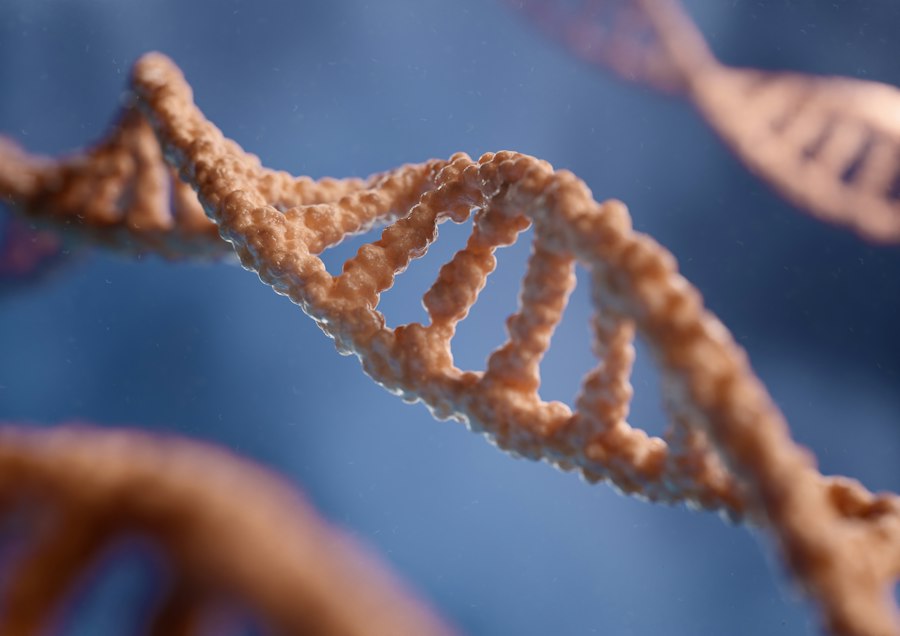
Genetic vulnerability, in itself, is rarely sufficient to cause schizophrenia. Instead, it often acts as a predisposition that requires specific environmental factors to trigger the onset of the disorder. These environmental factors can operate at various stages of life, from prenatal development to adolescence and early adulthood, a period when schizophrenia typically emerges. The interaction between genetic susceptibility and environmental stressors is often described by the diathesis-stress model, where a pre-existing vulnerability (diathesis) is exacerbated by stressful life events.
Prenatal and Perinatal Adversity: Early Life Influences
The prenatal period is a critical window for brain development, and insults during this time can have lasting consequences. Factors such as maternal infection during pregnancy (e.g., influenza, toxoplasmosis), malnutrition, and exposure to stress or toxins have been associated with an increased risk of schizophrenia. Similarly, complications during birth, such as oxygen deprivation (hypoxia) or premature birth, are also linked to a higher incidence of the disorder. These early life adversities are thought to disrupt neurodevelopmental trajectories, potentially interacting with an individual’s genetic susceptibility to create a foundation for later illness.
Childhood Trauma and Stress: Long-Term Repercussions
Experiences of childhood adversity, including physical abuse, sexual abuse, emotional neglect, and family dysfunction, are significant risk factors for schizophrenia. These traumatic experiences can lead to chronic stress, which, in turn, can affect brain structure and function. The hypothalamic-pituitary-adrenal (HPA) axis, the body’s central stress response system, can become dysregulated in individuals exposed to chronic stress, leading to altered levels of stress hormones like cortisol. This dysregulation can impact various brain regions involved in emotional regulation, cognition, and social processing, which are often impaired in schizophrenia.
Adolescent Cannabis Use: A Controversial Link
The relationship between adolescent cannabis use and schizophrenia risk is a complex and actively debated area of research. While cannabis use does not cause schizophrenia in individuals without a genetic predisposition, studies suggest that it may act as a trigger in genetically vulnerable individuals. Adolescent brains are still undergoing significant development, and exposure to certain psychoactive compounds like THC, the primary psychoactive component of cannabis, may interfere with crucial neurodevelopmental processes. This interference, especially in those with a genetic susceptibility, could potentially increase the likelihood of developing psychosis later in life.
The Neurobiological Correlates: How Genes and Environment Shape the Brain
The interplay of genetic vulnerability and environmental factors ultimately shapes the neurobiological landscape of the developing brain, leading to the characteristic cognitive and perceptual disturbances seen in schizophrenia. Research in this area focuses on identifying structural and functional abnormalities in brain regions and circuits that are implicated in the disorder.
Alterations in Brain Structure and Connectivity
Individuals with schizophrenia often exhibit subtle but significant differences in brain structure compared to healthy controls. These include reductions in the volume of certain brain regions, such as the hippocampus and the prefrontal cortex, as well as enlarged ventricles (fluid-filled spaces within the brain). Furthermore, neuroimaging studies have revealed alterations in white matter integrity, suggesting disruptions in the connectivity between different brain regions. These disruptions in neural networks, particularly those involved in executive function, memory, and sensory processing, are believed to contribute to the symptoms of schizophrenia.
Neurotransmitter Dysregulation: Dopamine and Glutamate Pathways
As mentioned earlier, dysregulation in neurotransmitter systems, particularly dopamine and glutamate, is a hallmark of schizophrenia. The “dopamine hypothesis,” which posits an overactivity of dopamine in certain brain pathways, has been a foundational theory for understanding positive symptoms like hallucinations and delusions. More recent research has expanded this to include the role of glutamate, suggesting that a hypofunction of NMDA glutamate receptors may contribute to both positive and negative symptoms, as well as cognitive deficits. The complex interplay between these neurotransmitter systems is crucial for normal brain function, and their disruption can have profound effects.
Immune System Involvement: An Emerging Frontier
There is growing evidence that the immune system may also play a role in the development of schizophrenia. Studies have found evidence of neuroinflammation and altered immune markers in individuals with the disorder. Genetic factors can influence immune responses, and environmental factors such as prenatal infections can also prime the immune system. The interaction between the immune system and the brain, known as neuroinflammation, is increasingly recognized as a potential contributor to the pathophysiology of schizophrenia.
Recent research has shed light on the complex interplay between genetic factors and environmental influences in the development of schizophrenia. A fascinating article discusses how certain genetic vulnerabilities can increase the likelihood of developing this mental health condition, emphasizing the importance of understanding these connections for better prevention and treatment strategies. For more insights on this topic, you can read the full article here. This exploration not only highlights the role of genetics but also encourages further investigation into how we can support individuals at risk.
Implications for Prevention and Treatment: Harnessing Genetic Insights
| Metric | Value | Description | Source/Study |
|---|---|---|---|
| Heritability Estimate | 60-80% | Proportion of schizophrenia risk attributed to genetic factors | Family and twin studies (Sullivan et al., 2003) |
| Risk Increase for First-Degree Relatives | 8-10x | Increased risk of schizophrenia in first-degree relatives compared to general population | Gottesman, 1991 |
| Polygenic Risk Score (PRS) Variance Explained | 7-10% | Percentage of schizophrenia liability explained by common genetic variants | Schizophrenia Working Group of the PGC, 2014 |
| Concordance Rate in Monozygotic Twins | 40-50% | Probability both twins have schizophrenia if one twin is affected | Cardno et al., 1999 |
| Concordance Rate in Dizygotic Twins | 10-15% | Probability both twins have schizophrenia if one twin is affected | Cardno et al., 1999 |
| Number of Genome-Wide Significant Loci | 287+ | Identified genetic loci associated with schizophrenia risk | PGC GWAS, 2022 |
| Rare Copy Number Variants (CNVs) Effect Size | Odds Ratio 2-60 | Range of increased risk associated with rare CNVs linked to schizophrenia | Marshall et al., 2017 |
Understanding genetic vulnerability and its interaction with environmental factors holds significant promise for the future of schizophrenia prevention and treatment. While a cure remains elusive, these insights can pave the way for more targeted interventions and personalized approaches.
Early Detection and Intervention: Mitigating Risk
Identifying individuals with a high genetic predisposition, particularly those who have also experienced early life adversities, could allow for earlier detection and intervention. While direct genetic screening for schizophrenia is not currently recommended due to the complex polygenic nature of the disorder and ethical considerations, understanding risk factors can inform clinical practice. Interventions aimed at reducing exposure to environmental stressors, promoting healthy coping mechanisms, and supporting individuals through critical developmental periods could potentially delay or even prevent the onset of the disorder in at-risk individuals.
Personalized Medicine and Pharmacogenomics: Tailoring Treatments
The future of schizophrenia treatment may involve a more personalized approach, informed by an individual’s genetic profile. Pharmacogenomics, the study of how genes affect a person’s response to drugs, could help predict which medications will be most effective and least likely to cause side effects for a particular patient. As our understanding of the specific genetic pathways involved in schizophrenia deepens, it may be possible to develop novel therapeutic strategies that target these pathways directly, offering more precise and effective treatments.
Addressing Social Determinants and Environmental Factors: A Holistic Approach
Ultimately, while genetic vulnerability is a critical piece of the puzzle, it is essential to remember that schizophrenia is a complex condition influenced by a multitude of factors. Addressing social determinants of health, reducing exposure to environmental stressors, and providing robust support systems for individuals and families are all crucial components of a comprehensive approach to understanding and managing schizophrenia. The ongoing research into the genetic and environmental underpinnings of this disorder continues to illuminate its complex nature and offers hope for improved outcomes for those affected.

100% Same Genes, Different Minds: The Dark Psychology of the Genain Quadruplets
FAQs
What is genetic vulnerability in schizophrenia?
Genetic vulnerability in schizophrenia refers to the increased likelihood of developing the disorder due to genetic factors. Individuals with a family history of schizophrenia are considered to have a higher genetic vulnerability.
How much of a role do genetics play in schizophrenia?
Genetics are estimated to contribute to about 80% of the risk for developing schizophrenia. This means that individuals with a family history of the disorder are more likely to inherit genetic factors that increase their vulnerability.
Can genetic vulnerability be the sole cause of schizophrenia?
No, genetic vulnerability alone is not sufficient to cause schizophrenia. Environmental factors, such as stress, drug use, and prenatal complications, also play a significant role in the development of the disorder.
Are there specific genes associated with genetic vulnerability to schizophrenia?
While no single gene has been identified as the sole cause of schizophrenia, researchers have identified several genetic variations that may increase susceptibility to the disorder. These variations can impact brain development and neurotransmitter function.
Can genetic vulnerability to schizophrenia be prevented or treated?
Genetic vulnerability to schizophrenia cannot be prevented, as it is inherited. However, early detection and intervention can help manage symptoms and improve outcomes for individuals with genetic vulnerability to the disorder.