The hum of fluorescent lights, the faint scent of dry-erase markers, and the rustle of turning pages – these are the sensory cues of a classroom. Within this space, a teacher’s influence extends far beyond the dissemination of academic knowledge. It shapes young minds, cultivates character, and lays the foundation for a lifelong love of learning. At the heart of this transformative process lie two interconnected pillars: fostering respect and promoting engagement. When these elements are robustly present, classrooms become vibrant hubs of intellectual curiosity and personal growth, paving the way for student success.
Cultivating a Foundation of Mutual Respect
Respect in the classroom is not merely a passive absence of conflict; it is an active, cultivated environment where every individual feels valued, heard, and appreciated. This starts with the teacher modeling the very behaviors they wish to see in their students. A teacher who consistently demonstrates respect towards students, colleagues, and the learning process creates a powerful ripple effect, encouraging students to reciprocate these sentiments. This mutual respect is the bedrock upon which genuine engagement can be built. Without it, attempts to engage students often fall flat, as students may feel disinclined to participate in an environment where they do not feel safe or valued.
Demonstrating Unwavering Belief in Student Potential
A fundamental aspect of fostering respect is the unwavering belief a teacher holds in each student’s capacity to learn and succeed. This belief must be communicated not just through words, but through consistent actions. Teachers who exude confidence in their students’ abilities, even when faced with challenges or perceived limitations, empower those students to internalize that confidence. This means avoiding dismissive comments, refraining from labeling students, and instead focusing on identifying strengths and providing targeted support for areas needing growth. When students perceive that their teacher genuinely believes in them, they are more likely to invest themselves in the learning process, taking risks and striving for their best. This positive regard creates a psychological safety net, allowing students to be vulnerable in their learning without fear of judgment.
Active Listening and Validating Student Voices
Genuine respect is intrinsically linked to the ability to listen and validate. Teachers who practice active listening – paying full attention, maintaining eye contact, nodding in acknowledgement, and asking clarifying questions – signal to students that their contributions are important. This goes beyond simply hearing the words spoken; it involves seeking to understand the underlying thoughts, feelings, and perspectives. When students feel their voices are heard and their ideas are taken seriously, even if they are not ultimately adopted, they feel respected. This validation can take many forms, from acknowledging a student’s insightful comment with a simple “That’s a great point, [student’s name],” to carefully considering and responding to their concerns about a task. This open communication fosters a sense of partnership in the learning journey.
Establishing Clear and Consistent Expectations
While empathy and understanding are crucial, respect also thrives within a framework of clear and consistent expectations. Students need to know what is expected of them, both academically and behaviorally. When these expectations are communicated effectively and enforced fairly and consistently, it creates an environment of predictability and safety. This consistency reduces anxiety and allows students to focus their energy on learning rather than navigating ambiguous rules. Teachers who establish clear guidelines for classroom conduct, participation, and academic performance, and then follow through with predictable consequences and positive reinforcement, demonstrate a respect for the learning process and for the students’ need for structure. This clarity also helps students understand the boundaries of acceptable behavior and the importance of contributing positively to the classroom community.
Addressing Conflict and Disagreements Constructively
Disagreements and conflicts are inevitable in any human interaction, including the classroom. How a teacher handles these situations is a critical determinant of the level of respect cultivated. A teacher who addresses conflicts constructively, focusing on understanding the root causes, facilitating open dialogue, and guiding students towards resolution, models valuable life skills. This involves intervening calmly, encouraging students to express their perspectives without interruption, and helping them to identify common ground or compromise. By demonstrating a commitment to resolving issues fairly and with empathy, teachers teach students the importance of respectful dialogue and conflict resolution, fostering a more harmonious and productive learning environment. This approach transforms potentially negative interactions into opportunities for growth and learning about interpersonal dynamics.
In exploring the nuances of subtle teacher behavior expectations, one can gain valuable insights from the article available at Unplugged Psychology. This resource delves into the importance of non-verbal cues and the impact of teacher demeanor on student engagement and learning outcomes. By understanding these subtle dynamics, educators can enhance their teaching practices and foster a more positive classroom environment.
Igniting and Sustaining Student Engagement
Engagement is the active participation and investment of students in their learning. It is the spark that ignites curiosity, the drive that fuels effort, and the joy that makes learning a rewarding experience. Teachers who master the art of fostering engagement unlock the full potential of their students, moving them from passive recipients of information to active constructors of knowledge. This requires a multifaceted approach, encompassing instructional strategies, classroom environment, and a deep understanding of student motivation.
Designing Differentiated and Relevant Learning Experiences
One of the most powerful drivers of engagement is the perceived relevance and accessibility of the learning material. Teachers who differentiate their instruction, tailoring content, process, and product to meet the diverse needs and learning styles of their students, ensure that learning is accessible to a wider range of individuals. This might involve offering various ways for students to demonstrate their understanding, providing scaffolding for struggling learners, or offering enrichment opportunities for those who are ready for more advanced challenges. Furthermore, teachers who connect learning to students’ lives, interests, and prior experiences make the material more meaningful and, therefore, more engaging. When students see how what they are learning applies to their world, their motivation to engage increases significantly.
Employing Varied and Interactive Instructional Strategies
A static, lecture-based approach can quickly lead to disengagement. Teachers who employ a variety of interactive instructional strategies, such as collaborative group work, inquiry-based learning, project-based learning, debates, simulations, and hands-on activities, keep students actively involved in the learning process. These strategies not only cater to different learning preferences but also promote critical thinking, problem-solving, and communication skills. When students are actively doing, discussing, and creating, rather than passively listening, their attention is captured, and their interest is piqued. The key is to move beyond rote memorization and towards deeper understanding and application, which naturally lends itself to more dynamic and engaging teaching methods.
Creating a Stimulating and Supportive Learning Environment
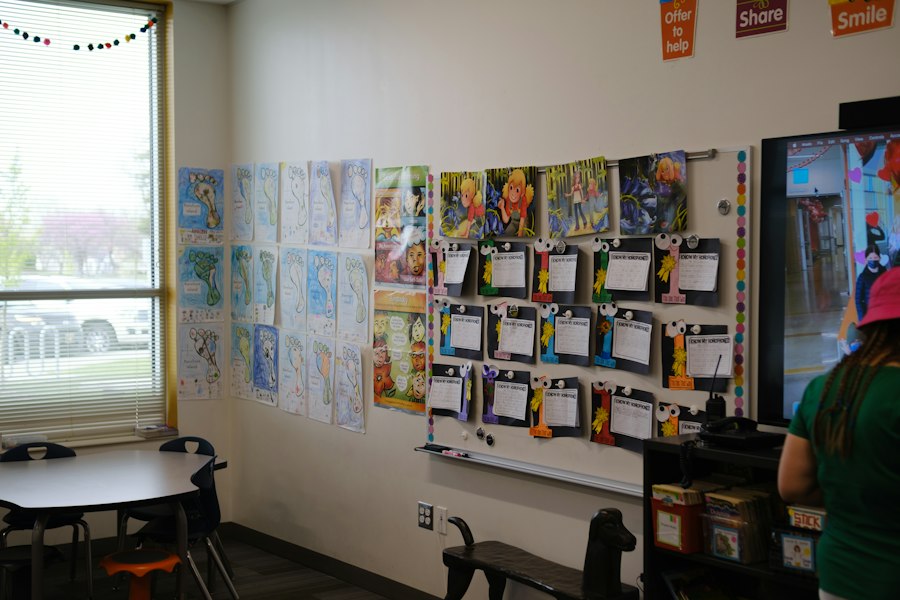
The physical and emotional climate of the classroom plays a profound role in student engagement. A stimulating environment is one that is visually appealing, organized, and conducive to learning. This might involve incorporating student work, using flexible seating arrangements, or providing access to resources. Equally important is a supportive emotional environment where students feel safe to take risks, ask questions, and make mistakes without fear of ridicule. Teachers who foster a sense of belonging, encourage peer support, and celebrate effort and progress create a positive atmosphere that encourages students to invest themselves fully in their learning. This emotional safety net is crucial for fostering the kind of vulnerability that leads to genuine engagement.
Leveraging Technology and Digital Tools Effectively
In today’s world, technology offers a powerful avenue for enhancing engagement. Teachers who strategically integrate technology and digital tools can create dynamic, interactive, and personalized learning experiences. This could include using educational apps, online simulations, virtual field trips, collaborative document editing, or multimedia creation tools. When used thoughtfully, technology can provide access to a wealth of information, offer opportunities for creative expression, and facilitate differentiated instruction. However, it is crucial that technology serves as a tool to enhance learning rather than a distraction. The focus should always remain on pedagogical goals, ensuring that technology is used purposefully to deepen understanding and promote active participation.
Providing Opportunities for Choice and Autonomy
A sense of autonomy and control over one’s learning is a significant motivator for engagement. When students are given opportunities to make choices within the learning process, they are more likely to feel invested and take ownership of their education. This can manifest in various ways, such as allowing students to choose research topics, select the format of their assignments, decide on the order of activities, or choose the level of challenge for certain tasks. Providing such choices fosters intrinsic motivation and cultivates a sense of agency, empowering students to become active participants in their own learning journey. This shift from a teacher-centered to a student-centered approach can dramatically increase engagement.
The Teacher as a Role Model and Facilitator

Beyond specific behaviors, the teacher’s overarching role as a role model and facilitator is paramount in fostering both respect and engagement. This involves embodying the qualities they wish to instill in their students and creating an environment where learning is guided rather than dictated. The teacher becomes a guide on the side, empowering students to discover and construct their own understanding.
Consistently Modeling Ethical and Respectful Behavior
Teachers are under constant observation by their students. Therefore, their actions speak louder than their words. Consistently modeling ethical and respectful behavior – including honesty, integrity, empathy, and a commitment to fairness – sets a powerful example. This extends to how teachers interact with students, colleagues, parents, and the community. When students witness their teacher treating everyone with respect and demonstrating strong ethical principles, they are more likely to internalize these values and apply them in their own interactions. This consistent modeling builds trust and credibility, making students more receptive to the teacher’s guidance and more likely to engage with the learning process.
Fostering a Collaborative Classroom Community
A sense of community is vital for both respect and engagement. Teachers who actively foster a collaborative classroom community encourage students to work together, support each other, and learn from one another. This involves designing activities that require teamwork, promoting peer tutoring, and celebrating collective achievements. When students feel a sense of belonging and see themselves as part of a supportive group, they are more likely to feel safe to take risks, share their ideas, and engage actively in learning. This community spirit also naturally promotes respect, as students learn to value the contributions and perspectives of their peers.
Acting as a Facilitator of Learning, Not Just a Dispenser of Information
The modern educator’s role has evolved from a sole dispenser of information to a facilitator of learning. This means guiding students through the process of inquiry, critical thinking, and problem-solving. A teacher who acts as a facilitator encourages students to ask questions, explore different perspectives, and construct their own understanding. They provide resources, offer support, and ask probing questions that stimulate deeper thinking, rather than simply providing answers. This shift empowers students, fostering independence and a sense of ownership over their learning. When students are actively involved in the discovery process, their engagement naturally increases.
Embracing Flexibility and Adaptability in Teaching Practices
The educational landscape is constantly evolving, and so are the needs of students. Teachers who are flexible and adaptable in their teaching practices are better equipped to foster respect and engagement. This means being willing to adjust lesson plans based on student understanding and feedback, trying new approaches when old ones are not working, and responding to emergent student interests. A rigid, one-size-fits-all approach is unlikely to resonate with all students. By being open to change and responsive to the dynamic nature of the classroom, teachers can create a more inclusive and engaging learning environment that respects individual differences and promotes continuous growth.
The Impact of Positive Teacher-Student Relationships
The quality of the relationship between a teacher and their students is a cornerstone of a successful educational experience. Positive teacher-student relationships are not simply about being friendly; they are about building trust, fostering mutual understanding, and creating a supportive connection that motivates students to learn and thrive. These relationships are the fertile ground where respect and engagement can truly flourish.
Building Trust Through Open Communication and Honesty
Trust is the bedrock of any strong relationship, and the teacher-student relationship is no exception. Teachers who cultivate trust by communicating openly and honestly with their students create an environment where students feel safe to express themselves, ask questions, and admit when they are struggling. This involves being transparent about expectations, providing honest feedback, and admitting when mistakes are made. When students trust their teachers, they are more likely to be receptive to their instruction, more willing to take academic risks, and more engaged in the learning process. This trust is earned through consistent, reliable, and respectful interactions over time.
Showing Genuine Care and Empathy for Student Well-being
Beyond academic concerns, teachers who demonstrate genuine care and empathy for their students’ overall well-being create a more nurturing and supportive learning environment. This means being aware of students’ individual circumstances, listening to their concerns, and offering support when needed. A teacher who takes the time to understand a student’s personal challenges, whether academic, social, or emotional, and responds with compassion, builds a stronger connection. This emotional support can significantly impact a student’s willingness to engage in learning. When students feel that their teacher genuinely cares about them as individuals, they are more motivated to meet expectations and contribute positively to the classroom.
Providing Constructive and Encouraging Feedback
Feedback is an integral part of the learning process, but the way it is delivered can significantly impact student engagement and their perception of respect. Teachers who provide constructive and encouraging feedback focus on identifying areas for improvement while also acknowledging strengths and celebrating progress. This means offering specific, actionable suggestions rather than generic critiques, and framing feedback in a way that motivates students to revise and improve. By emphasizing effort and growth, and by consistently reinforcing positive steps, teachers can build student confidence and encourage them to persevere, fostering a more resilient and engaged learner. This type of feedback demonstrates respect for the student’s effort and their potential for growth.
Recognizing and Celebrating Individual Strengths and Achievements
Every student possesses unique strengths and talents. Teachers who actively recognize and celebrate these individual strengths and achievements create a more inclusive and motivating classroom. This involves going beyond academic accolades to acknowledge diverse talents, such as leadership, creativity, perseverance, or problem-solving skills. By highlighting what students do well, teachers build their confidence and self-esteem, making them more likely to engage in all aspects of school. This recognition also reinforces the idea that every student has something valuable to contribute, fostering a sense of worth and belonging that is essential for both respect and engagement.
Understanding subtle teacher behavior expectations is crucial for fostering a positive learning environment. For those interested in exploring this topic further, a related article can be found on Unplugged Psychology, which delves into the nuances of classroom dynamics and the impact of teacher interactions on student engagement. You can read more about these insights in the article here. By being aware of these subtle cues, educators can enhance their effectiveness and create a more supportive atmosphere for their students.
The Long-Term Benefits of Fostering Respect and Engagement
| Behavior Expectation | Description | Example | Impact on Classroom | Measurement Metric |
|---|---|---|---|---|
| Consistent Eye Contact | Maintaining eye contact to signal attention and engagement | Teacher looks at students when giving instructions | Increases student focus and reduces off-task behavior | Percentage of time teacher maintains eye contact during lessons |
| Nonverbal Cues | Using gestures or facial expressions to guide behavior | Raising a finger to signal quiet | Minimizes disruptions without interrupting flow | Number of successful behavior corrections via nonverbal cues per class |
| Proximity Control | Moving closer to students to manage behavior subtly | Teacher stands near a student who is off-task | Reduces misbehavior and increases engagement | Frequency of proximity interventions and resulting behavior changes |
| Positive Reinforcement | Subtle praise or nods to encourage desired behavior | Smiling or nodding when a student answers correctly | Boosts student confidence and participation | Number of positive reinforcements given per lesson |
| Clear Expectations | Implicitly communicating rules through routines and tone | Using a calm tone to signal transitions | Creates a predictable and respectful classroom environment | Student adherence rate to routines and rules |
The cultivation of respect and engagement in the classroom is not merely about improving immediate academic outcomes; it is an investment in the holistic development of students and their future success. The habits and attitudes fostered in these positive learning environments extend far beyond the classroom walls, shaping individuals into responsible, contributing members of society.
Developing Lifelong Learning Habits and a Growth Mindset
When students experience classrooms where they are respected and actively engaged, they are more likely to develop a genuine love for learning that extends beyond formal schooling. The curiosity ignited through engaging activities and the confidence built through positive interactions foster a lifelong pursuit of knowledge. Furthermore, the consistent experience of receiving constructive feedback and overcoming challenges within a supportive environment cultivates a growth mindset – the belief that abilities can be developed through dedication and hard work. This mindset is crucial for navigating the complexities of life and for continuous personal and professional growth.
Enhancing Social-Emotional Development and Interpersonal Skills
The development of respect and engagement in the classroom is intrinsically linked to the growth of essential social-emotional skills. Through collaborative activities, constructive conflict resolution, and the practice of active listening, students learn to understand and manage their emotions, build positive relationships, and make responsible decisions. They learn to appreciate diverse perspectives, communicate effectively, and work collaboratively with others. These are not merely desirable traits; they are fundamental life skills that are critical for success in personal relationships, the workplace, and civic engagement.
Increasing Student Resilience and Adaptability
A classroom environment that prioritizes respect and engagement equips students with the tools to navigate challenges with greater resilience and adaptability. When students feel supported and valued, they are more likely to persevere through difficulties, learn from mistakes, and bounce back from setbacks. The experience of actively participating in their learning, making choices, and receiving constructive feedback builds their confidence and their belief in their ability to overcome obstacles. This preparedness is invaluable in an ever-changing world, where the ability to adapt and learn continuously is paramount.
Preparing Students for Future Academic and Career Success
Ultimately, the foundation of respect and engagement laid in the classroom directly contributes to students’ future academic and career success. Students who have developed strong critical thinking, problem-solving, and communication skills, coupled with a genuine passion for learning, are better prepared to excel in higher education and in their chosen professions. They are more likely to be motivated, proactive, and collaborative individuals who can contribute meaningfully to their fields. The positive experiences of feeling respected and engaged in learning create a powerful momentum that propels them towards their goals. The teacher’s role in cultivating these essential qualities is therefore not just instructional, but profoundly formative, shaping the trajectory of a student’s life.

The Famous IQ Study That Fooled the World
FAQs
What are some examples of subtle teacher behavior expectations?
Subtle teacher behavior expectations may include maintaining eye contact with students, using positive reinforcement, setting high standards for behavior and academic performance, and providing timely feedback.
How do subtle teacher behavior expectations impact student learning?
Subtle teacher behavior expectations can greatly impact student learning by creating a positive and supportive classroom environment, fostering student engagement and motivation, and promoting a sense of accountability and responsibility among students.
Why is it important for teachers to be aware of their subtle behavior expectations?
Teachers need to be aware of their subtle behavior expectations because these expectations can influence student behavior, attitudes, and performance in the classroom. Being mindful of these expectations can help teachers create a more conducive learning environment for their students.
How can teachers communicate their subtle behavior expectations effectively?
Teachers can communicate their subtle behavior expectations effectively by modeling the behaviors they expect from students, providing clear and consistent feedback, establishing classroom norms and expectations early on, and fostering open communication with students.
What are some strategies for teachers to adjust their subtle behavior expectations based on student needs?
Some strategies for teachers to adjust their subtle behavior expectations based on student needs include being flexible and adaptable, taking into account individual student differences and learning styles, seeking feedback from students, and reflecting on the impact of their behavior expectations on student outcomes.