
You’re sitting on your couch, the sun is streaming through the window, your to-do list is surprisingly short, and there’s no immediate crisis looming. On paper, everything is fine. In fact, it’s more than fine; it’s peaceful, stable, and perhaps even a little bit boring. Yet, a knot tightens in your stomach. Your heart rate picks up a notch, and your mind begins to race with a thousand “what ifs” that have no basis in reality. This is the unsettling paradox of feeling anxious when everything’s fine.
It’s a common experience, though often one that’s spoken about in hushed tones, as if acknowledging it makes it more real, more shameful. You might feel guilty for feeling this way, especially when so many others are facing genuine hardship. Why, when you have a roof over your head, food on the table, and loved ones, do you experience this pervasive sense of unease? This article delves into the fascinating and often frustrating phenomenon of anxiety that seems to appear out of nowhere, exploring its potential roots and offering strategies to navigate these seemingly unwarranted feelings.
It’s a frustrating contradiction, isn’t it? The external world presents a picture of calm, but your internal world is anything but. This disconnect can be incredibly disorienting. You might try to logically reason with yourself: “There’s nothing to be worried about. Everything is good.” But logic often takes a backseat when anxiety decides to make an appearance.
The Brain’s Alarm System: Over-Readiness and Hypervigilance
Your brain is an incredibly complex organ, and a significant part of its job is to keep you safe. Think of the amygdala, the brain’s alarm system. In response to perceived threats, it triggers the “fight, flight, or freeze” response. When everything is genuinely fine, this system should ideally be in a resting state. However, for many, this alarm system can become hypersensitive, prone to misfiring even when there’s no actual danger.
The “What If” Machine: Imagining Scenarios
Your mind, in its quest for preparedness, can become a relentless “what if” machine. When there’s no immediate problem, it starts to invent them. What if I lose my job tomorrow? What if a loved one gets sick? What if that small, insignificant mole on my arm is actually dangerous? These are hypothetical, often improbable scenarios, but your anxious mind latches onto them, treating them as potential realities. This constant generation of worst-case scenarios keeps your nervous system on high alert, even when the environment is safe.
The Default Setting: A Pre-Programmed Worry
For some, a baseline level of anxiety might simply be their default setting. This could be due to a variety of factors, including genetics, past experiences, or even learned behaviors. When there are no obvious external stressors to focus on, this underlying anxiety can bubble up to the surface, making you feel uneasy without a clear trigger. It’s like a radio station that’s always tuned to a slightly staticky frequency; even in moments of silence, you can still hear the faint hum of interference.
The Absence of Distraction: When Stillness Breeds Unease
Paradoxically, the very absence of problems can sometimes be a trigger for anxiety. When your mind isn’t occupied with problem-solving, dealing with emergencies, or navigating daily challenges, it has more free time to wander. And for an anxious mind, this free time can be a breeding ground for worries. Without external distractions, your focus can turn inward, magnifying any subtle physical sensations or passing negative thoughts.
The Void of Busywork: When Quiet Feels Empty
Think about it: when you’re incredibly busy, your mind is occupied. You’re reacting, planning, and executing. Anxiety can be a demanding taskmaster, and it thrives on having something to latch onto. When there’s nothing immediate to latch onto, it can feel like a void. This void can be uncomfortable, leading you to feel a sense of unease simply because you’re not actively “fighting” something. The quiet can feel unnerving, as if something is lurking just out of sight.
The Need for Control: When Lack of Challenge Feels Like a Loss of Agency
Anxiety is often intertwined with a need for control. When everything is “fine,” there are fewer opportunities to exert control. This lack of immediate challenge can create a feeling of helplessness or a lack of purpose. Your anxiety might be telling you, in its own distorted way, that you’re not adequately prepared or that something is about to slip through your fingers because you’re not actively doing something about it.
If you often find yourself wondering, “Why can’t I relax when nothing is wrong?” you may find it helpful to explore the insights provided in a related article on the Unplugged Psych website. This resource delves into the psychological factors that can contribute to feelings of restlessness and anxiety, even in seemingly calm situations. Understanding these underlying issues can be the first step towards achieving a more peaceful state of mind. For more information, you can read the article here: Unplugged Psych.
The Subtle Signs: Recognizing Anxiety in the Midst of Calm
Anxiety doesn’t always announce itself with a screaming siren. When everything is outwardly fine, the signs can be more subtle, often manifesting as physical sensations or quiet, persistent thoughts that you might dismiss as just “being tired” or “a bit stressed.” Learning to recognize these nuances is crucial.
Physical Manifestations: The Body’s Unspoken Language
Your body often registers stress and anxiety before your conscious mind fully grasps it. These physical symptoms can be your first clue that something is amiss, even when your circumstances appear calm.
The Tightening Chest and Shortness of Breath
That familiar sensation of a tight chest, or feeling like you can’t quite catch your breath, can occur even when you’re not exerting yourself. This is your body’s stress response kicking in, preparing you for action that isn’t actually required. It’s a primal signal, honed by evolution, that can be easily triggered by perceived, rather than actual, threats.
The Butterflies in the Stomach and Digestive Upset
The “nervous stomach” or butterflies are classic anxiety symptoms. When you’re anxious, your body diverts blood flow away from your digestive system to your muscles, in preparation for a fight-or-flight response. This can lead to feelings of nausea, indigestion, or a general sense of unease in your gut.
Muscle Tension and Aches
Anxiety can cause your muscles to tense up involuntarily. This can manifest as a stiff neck, clenched jaw, aching shoulders, or general muscle soreness. You might find yourself unconsciously holding tension in your body throughout the day, even when you’re trying to relax.
Restlessness and Jitters
A feeling of being unable to sit still, a general sense of restlessness, or subtle tremors can also be signs of anxiety. Your body is buzzing with an energy that has nowhere to go, leading to this uncomfortable physical manifestation.
Mental and Emotional Signals: The Whispers of Worry
Beyond the physical, your thoughts and emotions can also betray your internal state, even when things seem fine on the surface.
Persistent Worry and Rumination
You might find yourself caught in a loop of persistent worrying, replaying past events or conjuring up future anxieties. This rumination can be exhausting and unproductive, drawing your attention away from the present moment and amplifying your unease.
Irritability and Short Temper
When you’re internally stressed, even minor annoyances can feel disproportionately irritating. You might find yourself snapping at loved ones or feeling easily frustrated, even when the situation doesn’t warrant such a reaction.
Difficulty Concentrating and Brain Fog
Anxiety can hijack your cognitive resources, making it difficult to focus on tasks, remember things, or think clearly. You might experience a persistent “brain fog” that makes even simple mental tasks feel challenging.
A Sense of Dread or Foreboding
This is perhaps one of the most unsettling aspects of anxiety when everything is fine. It’s a general, unspecific feeling that something bad is going to happen, a sense of impending doom that lacks any concrete foundation. It’s a visceral feeling that something is “off,” even when you can’t pinpoint what it is.
The Roots of the Unease: Unpacking Potential Causes

Understanding why you feel anxious when everything is fine is a crucial step towards managing it. These anxieties often stem from a complex interplay of your past, your physiology, and your learned coping mechanisms.
Past Experiences: The Echoes of Trauma and Stress
Your history plays a significant role in shaping your present-day responses. Even if your current life is stable, past experiences of trauma, significant stress, or periods of instability can leave a lasting imprint on your nervous system.
Childhood Adversity and Attachment Styles
Growing up in an environment where there was unpredictable stress, neglect, or trauma can lead to a heightened sense of vigilance. Your brain may have learned to be on constant alert for danger, a learned response that can persist even when the perceived threat is gone. Similarly, insecure attachment styles formed in childhood can contribute to an ongoing feeling of not being safe or loved, which can manifest as anxiety in seemingly secure relationships.
Past Traumatic Events: The Lingering Shadow
Even if you’ve moved on and are in a much better place, the echoes of past traumatic events can resurface. Your nervous system may still be conditioned to react to triggers that are reminiscent of those past experiences, even if the current situation is completely different. This can lead to feelings of anxiety, flashbacks, or hyperarousal without any apparent present-day cause.
Periods of High Stress: The Accumulation of Strain
Extended periods of intense stress, such as dealing with a serious illness, financial hardship, or a demanding job, can take a toll on your mental and physical well-being. Even after the stressful period has ended, your body and mind may remain in a heightened state of alert, making you more susceptible to anxiety when things finally calm down. It’s like a rubber band that’s been stretched for too long; it might not snap back immediately to its original state.
Biological and Genetic Predispositions: The Inner Blueprint
Sometimes, the tendency towards anxiety is not solely a product of your environment, but also of your innate biological makeup.
Genetic Vulnerability: The Family Factor
Research has shown that there can be a genetic component to anxiety disorders. If anxiety or other mood disorders run in your family, you may be more predisposed to experiencing anxiety yourself, even when your circumstances are generally good. This doesn’t mean you’re destined to be anxious, but it’s a factor to consider.
Neurotransmitter Imbalances: The Brain’s Chemistry
Your brain relies on a complex system of neurotransmitters to regulate mood and emotions. Imbalances in these chemical messengers, such as serotonin, dopamine, or norepinephrine, can contribute to feelings of anxiety, even in the absence of external stressors. These imbalances can be influenced by genetics, lifestyle, and other factors.
Hormonal Fluctuations: The Body’s Rhythms
Hormones play a significant role in regulating your mood and stress response. Fluctuations in hormones, such as those experienced during menstruation, pregnancy, or menopause, can sometimes trigger or exacerbate feelings of anxiety. Even everyday hormonal shifts can contribute to subtle changes in your emotional state.
Lifestyle Factors: The Unseen Contributors
Your daily habits and routines, even if they seem harmless, can also contribute to an underlying sense of unease.
Poor Sleep Hygiene: The Foundation of Well-being
Lack of sufficient, quality sleep significantly impacts your mental health. When you’re sleep-deprived, your body’s ability to regulate stress hormones is compromised, making you more susceptible to anxiety. You might feel more on edge, irritable, and prone to worry when you haven’t had a good night’s rest.
Unhealthy Diet and Hydration: Fueling the Fire
What you consume can have a direct impact on your mood. Excessive caffeine, processed foods, and a lack of proper hydration can all contribute to feelings of jitteriness and anxiety. Sugar crashes, for instance, can leave you feeling drained and irritable.
Lack of Physical Activity: The Stagnation of Energy
While it might seem counterintuitive, a lack of regular physical activity can actually contribute to anxiety. Exercise is a powerful stress reliever and mood booster. When you’re sedentary, your body’s natural mechanisms for releasing tension and promoting well-being are not being utilized, potentially allowing anxious feelings to fester.
Over-reliance on Stimulants: The False Sense of Energy
While stimulants like caffeine can provide a temporary boost, they can also exacerbate anxiety and lead to a cycle of dependence. When the effects wear off, you might experience a crash, leading to increased feelings of unease and the urge to reach for another stimulant.
Navigating the Calm: Strategies for Quieting the Inner Storm

The good news is that feeling anxious when everything is fine doesn’t have to be your constant reality. There are proactive steps you can take to understand, manage, and ultimately reduce these feelings.
Mindful Awareness: Becoming a Detective of Your Discomfort
The first step is to become more aware of your internal state. Instead of dismissing anxious feelings, try to observe them with curiosity.
Practicing Mindfulness Meditation: Training Your Attention
Mindfulness meditation involves focusing your attention on the present moment without judgment. Regular practice can help you become more attuned to your thoughts and bodily sensations, allowing you to recognize anxiety as it arises and to observe it without getting swept away by it. It’s like learning to watch clouds drift by, rather than trying to stop them.
Body Scan Meditations: Connecting with Your Physical Sensations
A body scan meditation involves systematically bringing your attention to different parts of your body, noticing any sensations without trying to change them. This can help you identify areas of tension that might be linked to your anxiety, even when you’re not consciously aware of them.
Mindful Breathing Exercises: Anchoring Yourself in the Present
Simple, focused breathing exercises can be incredibly powerful for calming your nervous system. By paying attention to the rhythm of your breath, you can interrupt the cycle of anxious thoughts and anchor yourself in the present moment.
Cognitive Reframing: Challenging Your Anxious Thoughts
Anxiety often thrives on distorted thinking patterns. Learning to challenge these thoughts can significantly reduce their power.
Identifying Cognitive Distortions: Recognizing Unhelpful Thought Patterns
Become familiar with common cognitive distortions such as catastrophizing, overgeneralization, and all-or-nothing thinking. Once you can identify these patterns in your own thoughts, you can begin to question their validity.
The Power of Evidence-Based Thinking: Asking “What’s the Proof?”
When you notice an anxious thought, ask yourself: “What evidence do I have to support this thought?” and “What evidence do I have that contradicts this thought?” Often, you’ll find that the evidence for your anxious thought is weak or non-existent.
Developing Balanced Perspectives: Seeking Nuance
Instead of jumping to the worst-case scenario, try to consider a range of possible outcomes. Acknowledge that things can be both good and bad, and that most situations are not as dire as your anxiety might suggest.
Lifestyle Adjustments: Building a Foundation of Well-being
Making consistent, healthy lifestyle choices can create a more resilient inner environment.
Prioritizing Sleep: The Cornerstone of Mental Health
Aim for 7-9 hours of quality sleep per night. Establish a regular sleep schedule, create a relaxing bedtime routine, and ensure your bedroom is dark, quiet, and cool.
Nourishing Your Body: Fueling Your Mood
Focus on a balanced diet rich in fruits, vegetables, lean proteins, and whole grains. Limit your intake of processed foods, excessive sugar, and caffeine. Stay well-hydrated by drinking plenty of water throughout the day.
Embracing Regular Movement: Releasing Pent-Up Energy
Engage in at least 30 minutes of moderate-intensity physical activity most days of the week. This could include brisk walking, jogging, swimming, cycling, or dancing. Find activities you enjoy to make it sustainable.
Setting Healthy Boundaries: Protecting Your Energy
Learn to say “no” to commitments that will overextend you or drain your energy. Protect your time and mental space by setting clear boundaries in your personal and professional life.
Many people often find themselves struggling to relax even when everything seems fine, which can be puzzling and frustrating. This phenomenon may stem from various factors, including stress responses ingrained in our biology or the constant distractions of modern life. For a deeper understanding of this issue, you might find it helpful to explore a related article that discusses the intricacies of relaxation and mental well-being. You can read more about it in this insightful piece on unplugged psychology.
When to Seek Professional Help: You Don’t Have to Go It Alone
| Reasons for Not Being Able to Relax When Nothing is Wrong |
|---|
| Constant worry and overthinking |
| Feeling the need to always be productive |
| Difficulty in switching off from work or responsibilities |
| High levels of stress or anxiety |
| Feeling guilty for taking time for oneself |
While self-help strategies are valuable, there are times when professional support is essential. If your anxiety is significantly impacting your quality of life, relationships, or ability to function, it’s time to reach out.
Recognizing the Signs That Warrant Professional Intervention
Persistent feelings of anxiety, even when things are fine, can sometimes be indicative of a more significant underlying condition.
When Anxiety Becomes Debilitating: Impact on Daily Life
If your anxiety prevents you from engaging in activities you once enjoyed, interferes with your work or studies, or makes it difficult to maintain relationships, it’s a strong indicator that you need professional help.
When Physical Symptoms are Severe or Persistent: Beyond the Norm
While some physical symptoms are common with anxiety, if you experience severe chest pain, persistent shortness of breath, or other debilitating physical symptoms that don’t have a clear medical explanation, it’s crucial to consult a doctor to rule out other health issues and to address the anxiety component.
When You’re Experiencing Frequent Panic Attacks: The Overwhelming Wave
Frequent and intense panic attacks, even when there’s no apparent trigger, can be a sign of a panic disorder. These episodes can be incredibly frightening and require professional guidance.
The Benefits of Therapy: Guidance and Support
Therapy offers a safe and supportive space to explore the roots of your anxiety and develop effective coping mechanisms.
Cognitive Behavioral Therapy (CBT): Rewiring Anxious Thoughts
CBT is a highly effective therapy for anxiety that focuses on identifying and challenging negative thought patterns and developing more adaptive behaviors. It’s about learning to change how you think and how you react.
Acceptance and Commitment Therapy (ACT): Embracing Your Experience
ACT focuses on accepting difficult thoughts and feelings, rather than trying to fight them, and committing to taking action aligned with your values. It’s about learning to live a fulfilling life even with anxious feelings.
Psychodynamic Therapy: Uncovering Deeper Roots
For some, exploring past experiences and unconscious patterns through psychodynamic therapy can be beneficial in understanding and resolving the deeper roots of their anxiety.
The Role of Medication: A Complementary Approach
In some cases, medication can be a helpful tool in managing anxiety symptoms, often in conjunction with therapy.
Understanding Medication Options: Consulting a Healthcare Professional
A psychiatrist or doctor can assess whether medication, such as antidepressants or anti-anxiety medications, might be appropriate for you. It’s crucial to have an open and honest conversation with your healthcare provider about your symptoms and concerns.
Medication as Part of a Comprehensive Treatment Plan: Not a Magic Bullet
Medication is typically most effective when used as part of a comprehensive treatment plan that includes therapy and lifestyle adjustments. It’s not a cure-all, but a tool to help manage symptoms and make other interventions more effective.
Feeling anxious when everything is fine is a complex and often confusing experience. It’s a testament to the intricate workings of your mind and body, and the lingering impact of past experiences. By understanding the potential roots of this unease, recognizing its subtle signs, and actively implementing strategies for management, you can begin to quiet the inner storm and reclaim a sense of peace, even when the external world is perfectly calm. Remember, you are not alone in this, and seeking help is a sign of strength.
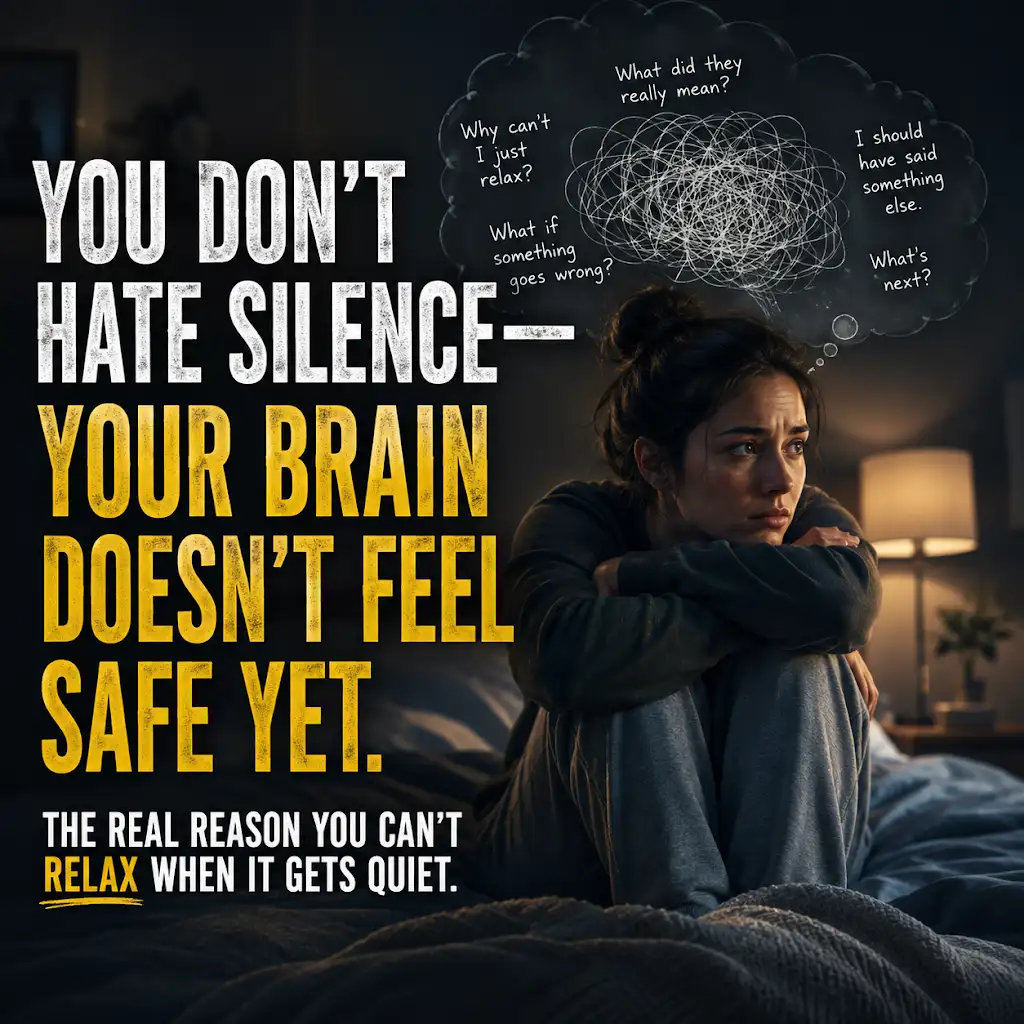
You Don’t Hate Silence—Your Brain Doesn’t Feel Safe Yet
FAQs
1. What is the phenomenon of feeling unable to relax when nothing is wrong?
The phenomenon of feeling unable to relax when nothing is wrong is often referred to as “free-floating anxiety” or “generalized anxiety.” It is characterized by a persistent feeling of unease, tension, and worry, even when there is no specific cause or trigger.
2. What are the possible reasons for being unable to relax when nothing is wrong?
There are several possible reasons for feeling unable to relax when nothing is wrong, including underlying anxiety disorders, chronic stress, perfectionism, past trauma, or a hyperactive nervous system. Additionally, certain personality traits, such as being highly sensitive or having a tendency to overthink, can contribute to this feeling.
3. How can this phenomenon impact a person’s daily life?
Feeling unable to relax when nothing is wrong can significantly impact a person’s daily life by causing persistent feelings of tension, restlessness, and irritability. It can also lead to difficulty concentrating, disrupted sleep patterns, and physical symptoms such as muscle tension, headaches, and fatigue. In severe cases, it can interfere with work, relationships, and overall well-being.
4. What are some strategies for managing this feeling and learning to relax?
Some strategies for managing this feeling and learning to relax include practicing mindfulness and meditation, engaging in regular physical activity, seeking therapy or counseling, setting boundaries and prioritizing self-care, and learning relaxation techniques such as deep breathing or progressive muscle relaxation. It may also be helpful to identify and challenge negative thought patterns contributing to the feeling of unease.
5. When should someone seek professional help for this issue?
It is advisable to seek professional help if the inability to relax when nothing is wrong significantly interferes with daily functioning, causes distress or impairment, or if it persists despite efforts to manage it on one’s own. A mental health professional can provide an accurate diagnosis, offer tailored treatment options, and support in developing coping strategies to address the underlying causes of the issue.