The animal kingdom has long been a source of fascination for humans, not just for its diversity and beauty, but for the intricate workings of its minds. For centuries, scientists have delved into the behavior and psychology of animals, seeking to understand the drives, motivations, and cognitive abilities that shape their lives. These investigations, often employing groundbreaking experimental designs, have yielded profound insights not only into animal consciousness but also into the very nature of learning, emotion, and social interaction, illuminating aspects of our own human experience in the process. These famous experiments, though sometimes controversial, have irrevocably altered our understanding of the animal mind.
The Dawn of Behaviorism: Pavlov’s Salivating Dogs and Watson’s Little Albert
The early 20th century witnessed a paradigm shift in psychology with the rise of behaviorism, a school of thought that emphasized observable behavior over introspection. Ivan Pavlov, a Russian physiologist, inadvertently stumbled upon one of psychology’s most enduring discoveries while studying digestion in dogs. His work laid the foundation for understanding associative learning, a cornerstone of behavioral psychology. Simultaneously, John B. Watson, a leading proponent of behaviorism, sought to demonstrate that human behavior, much like that of animals, was largely shaped by environmental conditioning.
Unlocking the Secrets of Classical Conditioning: Pavlov’s Canine Companions
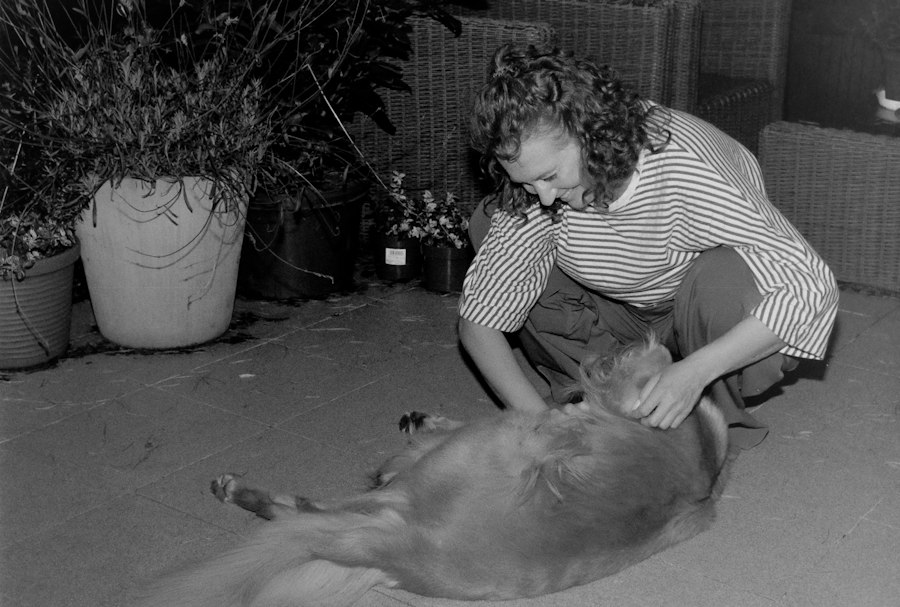
Ivan Pavlov’s research, initially focused on the salivary reflexes of dogs, led him to observe a phenomenon he termed “psychic secretions.” He noticed that his canine subjects began to salivate not only in response to the presentation of food but also at the mere sight of the laboratory assistant who habitually brought them their meals. This observation sparked a series of meticulously designed experiments. Pavlov systematically paired a neutral stimulus, such as the ringing of a bell or the presentation of a metronome, with an unconditioned stimulus, the presentation of food. The food naturally elicited an unconditioned response – salivation. After repeated pairings, the dogs began to salivate at the sound of the bell alone, demonstrating a conditioned response to a previously neutral stimulus.
This process, known as classical conditioning, illustrated how organisms could learn to associate neutral stimuli with biologically significant events. Pavlov meticulously documented the conditions under which conditioning occurred, including the importance of timing and the strength of the association. He demonstrated the extinction of conditioned responses when the conditioned stimulus was repeatedly presented without the unconditioned stimulus, and the spontaneous recovery of extinguished responses. His experiments provided a powerful framework for understanding how learning occurs through association, influencing fields far beyond animal psychology, including human learning, therapy, and marketing. The image of Pavlov’s dogs, salivating at the sound of a bell, became an iconic representation of the power of conditioning.
Fear as a Conditioned Response: Watson’s Controversial Study of Little Albert
John B. Watson, inspired by Pavlov’s work, aimed to demonstrate that complex human emotions, such as fear, could also be acquired through classical conditioning. His most famous, and ethically questionable, experiment involved an infant known as “Little Albert.” Watson and his assistant, Rosalie Rayner, set out to condition fear in Albert, who initially showed no fear of a white rat. During the conditioning process, the rat was presented to Albert, and simultaneously, a loud, startling noise was made by striking a steel bar with a hammer behind his head. This loud noise was the unconditioned stimulus, producing a fear response (crying, crawling away) in Albert.
After several such pairings, the white rat alone became a conditioned stimulus, eliciting a fear response from Albert. Furthermore, Albert demonstrated stimulus generalization, exhibiting fear towards other furry objects, such as a rabbit, a dog, and even a fur coat, which shared some characteristics with the original conditioned stimulus. This experiment, while demonstrating the malleability of emotional responses through conditioning, has been widely criticized for its ethical implications, particularly the lack of informed consent and the potential long-term psychological impact on the child. Nevertheless, it provided a stark illustration of how learned fears could develop and generalize.
One of the most intriguing aspects of animal behavior is highlighted in the famous psychology experiments conducted by researchers like B.F. Skinner and John Watson. These studies have significantly contributed to our understanding of conditioning and learning in animals. For a deeper exploration of these groundbreaking experiments and their implications, you can read more in this related article on animal psychology: Unplugged Psychology.
Operant Conditioning and the Shaping of Behavior: Skinner’s Box of Revelations
B.F. Skinner, building upon the principles of behaviorism, introduced the concept of operant conditioning, which focuses on how behaviors are influenced by their consequences. Through ingenious experimental apparatus and rigorous scientific methodology, Skinner demonstrated how rewards and punishments could shape animal behavior, leading to a deeper understanding of learning and motivation.
The Rat, the Lever, and the Reward: Skinner’s Operant Conditioning Chamber
B.F. Skinner’s work revolutionized the understanding of learning by shifting the focus from reflexive responses to voluntary behaviors that are learned through their consequences. His most famous experimental tool was the “Skinner box,” also known as an operant conditioning chamber. This enclosed apparatus typically contained a lever or a button that an animal, most commonly a rat or a pigeon, could manipulate. Within the box, the animal’s actions were monitored, and specific consequences could be delivered immediately following a particular behavior.
Skinner’s experiments involved training animals to perform specific actions, such as pressing the lever, by providing them with positive reinforcement immediately after the desired behavior occurred. This reinforcement, often in the form of food pellets or water, increased the likelihood that the behavior would be repeated. He systematically explored different schedules of reinforcement, such as continuous reinforcement (rewarding every instance of the behavior) and intermittent reinforcement (rewarding only some instances). Skinner discovered that intermittent reinforcement schedules, particularly those based on variable ratios, led to the most persistent and resistant-to-extinction behaviors. Conversely, punishment, such as a mild electric shock, could decrease the frequency of undesirable behaviors. Skinner’s experiments provided a powerful and precise method for studying learning and for demonstrating the principles of reinforcement and punishment, with significant implications for education, animal training, and the design of environments that encourage desired behaviors.
The Pigeon as a Navigator: Skinner’s Project Pigeon and the Nature of Training
Beyond the controlled environment of the Skinner box, Skinner’s principles were applied to more complex tasks. One notable application was his “Project Pigeon,” a wartime endeavor during World War II. Skinner trained pigeons to guide missiles by pecking at specific targets displayed on a screen inside the missile’s nose cone. The pigeons were rewarded with food when they pecked at the correct target. This groundbreaking experiment demonstrated the potential for animals to learn highly complex discrimination tasks and to perform them reliably under challenging conditions. It showcased how operant conditioning could be used to train animals for practical, real-world applications, pushing the boundaries of what was believed to be possible in animal learning. While Project Pigeon was ultimately superseded by technological advancements, it served as a compelling testament to the power of Skinner’s principles in shaping sophisticated animal behaviors.
Social Learning and Empathy: The Primate Studies of Harlow and Bandura
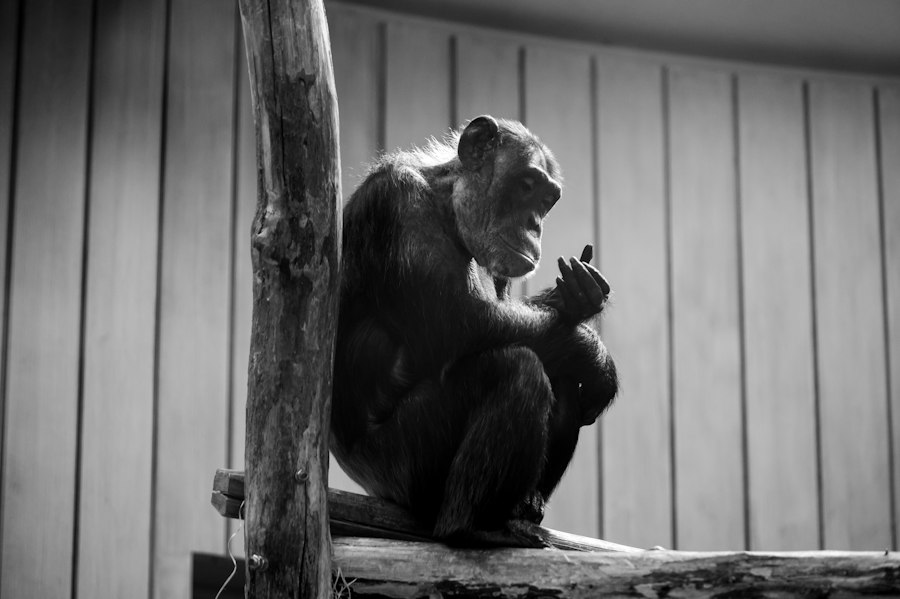
The understanding of animal psychology expanded beyond individual learning to encompass social interactions, emotional bonds, and the capacity for empathy. Pioneering studies with primates, in particular, offered crucial insights into the importance of social relationships and the development of attachment.
The Importance of Comfort: Harlow’s Rhesus Monkey Experiments
Harry Harlow’s influential experiments with rhesus monkeys in the 1950s and 1960s challenged the prevailing notion that attachment was primarily based on the provision of nourishment. Harlow sought to understand the nature of infant-mother bonds. He separated infant monkeys from their mothers shortly after birth and provided them with two surrogate mothers: one made of wire that offered a milk bottle, and another made of soft cloth that offered no nourishment but was warm and comforting.
Harlow observed that the infant monkeys spent significantly more time clinging to the soft, cloth surrogate mother, even though the wire mother was the source of food. They would only visit the wire mother for short periods to feed and then return to the comfort of the cloth mother. These findings strongly suggested that the need for comfort, warmth, and physical contact was a primary driver of attachment, superseding the importance of sustenance alone. Harlow’s “contact comfort” hypothesis revolutionized developmental psychology and highlighted the profound emotional and psychological significance of maternal care, even in species far removed from humans. The experiments, though also ethically debated due to the distress caused to the infant monkeys, provided undeniable evidence for the crucial role of emotional bonding in development.
Observing and Imitating: Bandura’s Social Learning Theory and Animal Models
While Albert Bandura’s most famous experiments involved human children (the Bobo doll experiment), his work on social learning theory has significant implications for understanding animal behavior. Social learning theory posits that individuals learn behaviors by observing and imitating others, as well as through direct experience. In the animal kingdom, observation and imitation play crucial roles in the transmission of skills, social norms, and survival strategies.
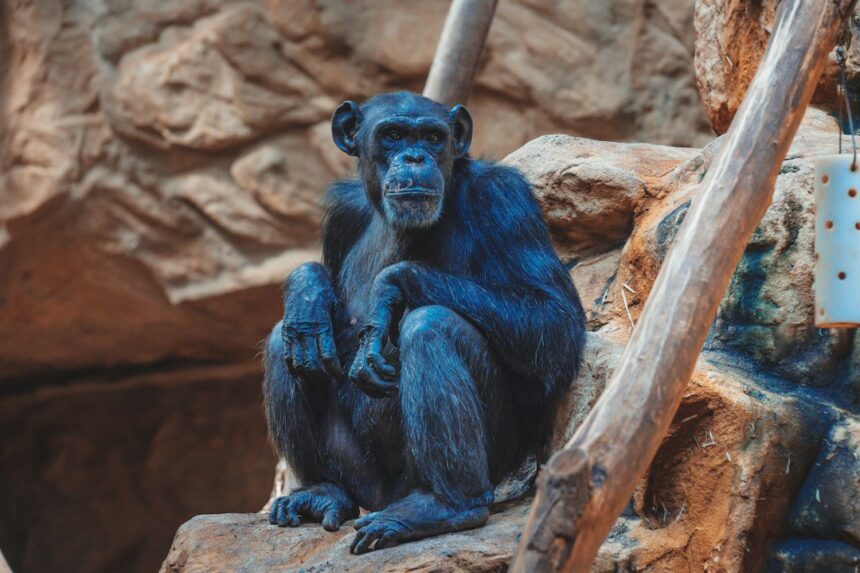
Researchers have observed various species, from primates to birds, engaging in observational learning. For instance, chimpanzees have been shown to learn how to use tools by watching experienced individuals. Birds can learn new songs by listening to and imitating adult males. While direct experimental manipulation on the scale of Bandura’s human studies is often ethically challenging with wild animals, comparative studies and observational research provide strong evidence for social learning. The ability to learn from conspecifics allows animals to adapt more quickly to their environments, acquire complex behaviors without trial-and-error learning, and maintain social cohesion within groups. This highlights a sophisticated form of cognitive processing that goes beyond simple conditioning.
Cognition and Problem-Solving: Köhler’s Insightful Apes and Thorndike’s Puzzle Boxes
The exploration of animal psychology wouldn’t be complete without delving into their cognitive abilities and their capacity for problem-solving. Early experiments with primates and other animals revealed surprising levels of intelligence and the ability to learn through insight.
The “Aha!” Moment: Köhler’s Sultan and the Chimpanzee’s Insightful Solutions
Wolfgang Köhler’s groundbreaking research in the early 20th century with chimpanzees on the island of Tenerife provided compelling evidence for the existence of insight learning in animals. Unlike the trial-and-error learning described by Thorndike, insight learning involves a sudden, spontaneous understanding of a problem’s solution. Köhler’s most famous subject was a chimpanzee named Sultan.
In a series of experiments, Köhler presented Sultan with problems that required him to use tools to obtain a desirable reward, such as a banana, which was placed out of reach. For example, Sultan was given a short stick that could not reach the banana, but there were longer sticks available, or he was given a box that he could stack to reach the prize. After periods of apparent contemplation and sometimes frustration, Sultan would suddenly experience an “aha!” moment, connecting disparate elements of the environment to devise a solution. He learned to use the sticks to retrieve the banana and even discovered how to join two sticks together to create a longer tool. Köhler’s observations suggested that chimpanzees could mentally “reorganize” their perceptual field, understanding the relationships between objects and their potential uses, leading to a flash of insight rather than incremental learning. This challenged the behaviorist view that learning was solely a product of external stimuli and responses, suggesting a more complex internal cognitive process.
Learning Through Trial and Error: Thorndike’s Puzzle Boxes and the Law of Effect
Edward Thorndike, another significant figure in early comparative psychology, investigated animal learning through his meticulous experiments with cats and dogs placed in “puzzle boxes.” These boxes were designed so that the animal had to perform a specific action, such as pulling a loop of string or pressing a lever, to escape and obtain a reward, usually food.
Thorndike observed that initially, the animals would exhibit a range of random behaviors in their attempts to escape. However, with repeated trials, they gradually learned to perform the correct action more quickly. The successful escape and subsequent reward served to strengthen the association between the situation and the successful response. Thorndike formalized this observation into his “Law of Effect,” which stated that behaviors that are followed by satisfying consequences become more likely to occur, while behaviors followed by unpleasant consequences become less likely. Conversely, behaviors followed by satisfying consequences are stamped in, while those followed by annoying consequences are stamped out. While Thorndike himself did not attribute conscious thought to the animals, his Law of Effect laid crucial groundwork for Skinner’s later theory of operant conditioning, emphasizing the role of consequences in shaping behavior. His puzzle boxes provided a tangible and quantifiable method for studying learning curves and the gradual acquisition of responses.
Animal psychology has been a fascinating field, with numerous experiments shedding light on the behavior and cognition of various species. One notable study is the famous experiment by B.F. Skinner, which demonstrated operant conditioning through the use of a Skinner box. For those interested in exploring more about the intricacies of animal behavior, you can read a related article that delves into various psychological experiments and their implications on our understanding of animals. This article can be found here.
Memory, Navigation, and Animal Minds: Tolman’s Cognitive Maps and the Homing Instinct
| Experiment Name | Researcher(s) | Year | Animal Used | Purpose | Key Findings |
|---|---|---|---|---|---|
| Pavlov’s Classical Conditioning | Ivan Pavlov | 1901 | Dogs | Study of associative learning | Animals can learn to associate a neutral stimulus with a reflex response |
| Skinner Box Experiment | B.F. Skinner | 1938 | Rats and Pigeons | Operant conditioning and behavior modification | Behavior can be shaped by reinforcement and punishment |
| Harlow’s Monkey Attachment Study | Harry Harlow | 1958 | Rhesus Monkeys | Attachment and maternal bonding | Monkeys preferred comfort and contact over food from wire mothers |
| Bandura’s Bobo Doll Experiment | Albert Bandura | 1961 | Children (not animals, but related to behavior study) | Observational learning and aggression | Children imitate aggressive behavior observed in adults |
| Rescorla-Wagner Model Experiment | Robert Rescorla & Allan Wagner | 1972 | Rats | Classical conditioning and prediction error | Learning depends on the surprise element of the stimulus |
| Washoe the Sign Language Chimpanzee | Allen and Beatrix Gardner | 1966 | Chimpanzee | Language acquisition in animals | Chimpanzees can learn and use basic sign language |
The study of animal psychology has also delved into their remarkable abilities in memory, spatial navigation, and the innate drives that guide their behavior. Experiments exploring these areas have revealed sophisticated cognitive processes that challenge anthropocentric views of intelligence.
Navigating the Maze: Tolman’s Cognitive Maps and Latent Learning
Edward Tolman, a neo-behaviorist, proposed that animals could develop internal mental representations of their environment, a concept he termed “cognitive maps.” This idea stood in contrast to the strict behaviorist view that learning was solely a matter of stimulus-response associations. Tolman’s experiments with rats in mazes provided compelling evidence for his theory.
In one famous experiment, Tolman trained rats to navigate a complex maze to find food. He then blocked the familiar path. Instead of randomly searching, the rats were observed to take the most direct route to the goal location, suggesting they had formed a mental map of the maze’s layout, not just a sequence of turns. Furthermore, Tolman demonstrated “latent learning,” where animals learned about their environment simply by exploring it, even without immediate reinforcement. When reinforcement was eventually provided, the previously learned information was readily accessed and utilized. These findings indicated that learning could occur without immediate behavioral change and that animals possessed a capacity for spatial cognition that went beyond simple associative learning, suggesting a more complex understanding of their surroundings.
The Mystery of Homing: Experiments on Bird Migration and Salmon’s Journey
The extraordinary migratory abilities of animals, such as birds and salmon, have long fascinated scientists and remain an active area of research in animal psychology and biology. Experiments attempting to understand these phenomena have explored a range of sensory mechanisms and innate behaviors.
Studies on bird migration have investigated the role of magnetic fields, celestial cues (the sun and stars), and olfactory cues in navigation. Researchers have used techniques such as bird banding and displacement experiments, where birds are transported to unfamiliar locations and their ability to return to their home range is observed. These studies have revealed that birds possess a sophisticated internal compass and can compensate for changes in their orientation. Similarly, salmon’s remarkable ability to return to their natal streams to spawn has been a subject of intense study. Experiments have shown that salmon rely heavily on their sense of smell to detect the unique chemical signature of their home river. They can imprint on the scent of their home stream as juveniles and use this olfactory memory to navigate thousands of miles across the ocean and back. While the exact mechanisms are still being unraveled, these experiments highlight the remarkable navigational prowess and sensory acuity of animals, demonstrating complex cognitive abilities related to memory, environmental perception, and innate directional drives.
Ethics and Evolution: Reflecting on Animal Experiments and Our Shared Heritage
The legacy of famous animal psychology experiments is intertwined with ongoing ethical considerations and a growing appreciation for the evolutionary continuity between humans and other species. While these studies have provided invaluable knowledge, they also prompt us to reflect on our responsibilities towards the animals we study and the implications for our understanding of life on Earth.
The Ethical Tightrope: Balancing Knowledge and Animal Welfare
Many of the foundational experiments in animal psychology, particularly those from the early to mid-20th century, were conducted at a time when ethical guidelines for animal research were less developed. Experiments involving deprivation, stress, and the induction of fear, while yielding significant insights, have since been scrutinized for their potential to cause suffering.
Today, the ethical treatment of animals in research is a paramount concern. Strict regulations and oversight committees are in place to ensure that experiments are conducted with minimal harm and that the benefits of the research outweigh any potential distress to the animals. Researchers are encouraged to use alternative methods whenever possible and to design studies that are both scientifically rigorous and ethically sound. The ongoing debate surrounding animal experimentation compels a continuous re-evaluation of our practices, seeking to balance the pursuit of knowledge with a deep respect for animal welfare. The lessons learned from past experiments, both in terms of scientific discovery and ethical reflection, are crucial for guiding future research endeavors.
A Glimpse into Our Own Minds: Evolutionary Insights from Animal Behavior
The study of animal behavior and psychology offers a unique window into the evolutionary origins of many human traits and abilities. By understanding the cognitive capacities, social structures, and emotional lives of other species, we gain a deeper appreciation for our own biological heritage.
The research on social learning in primates, for example, sheds light on the evolutionary roots of human culture and social intelligence. Harlow’s work on attachment highlights the fundamental importance of emotional bonds that are conserved across many mammalian species. Köhler’s insights into chimpanzee problem-solving suggest that rudimentary forms of insight and complex cognition existed in our evolutionary ancestors. By studying these phenomena in animals, we can better understand the adaptive pressures that shaped our own minds and behaviors. This evolutionary perspective underscores the interconnectedness of life and promotes a more nuanced understanding of the animal kingdom, not just as subjects of study, but as fellow travelers on the journey of life, each with their own unique experiences and expressions of consciousness.
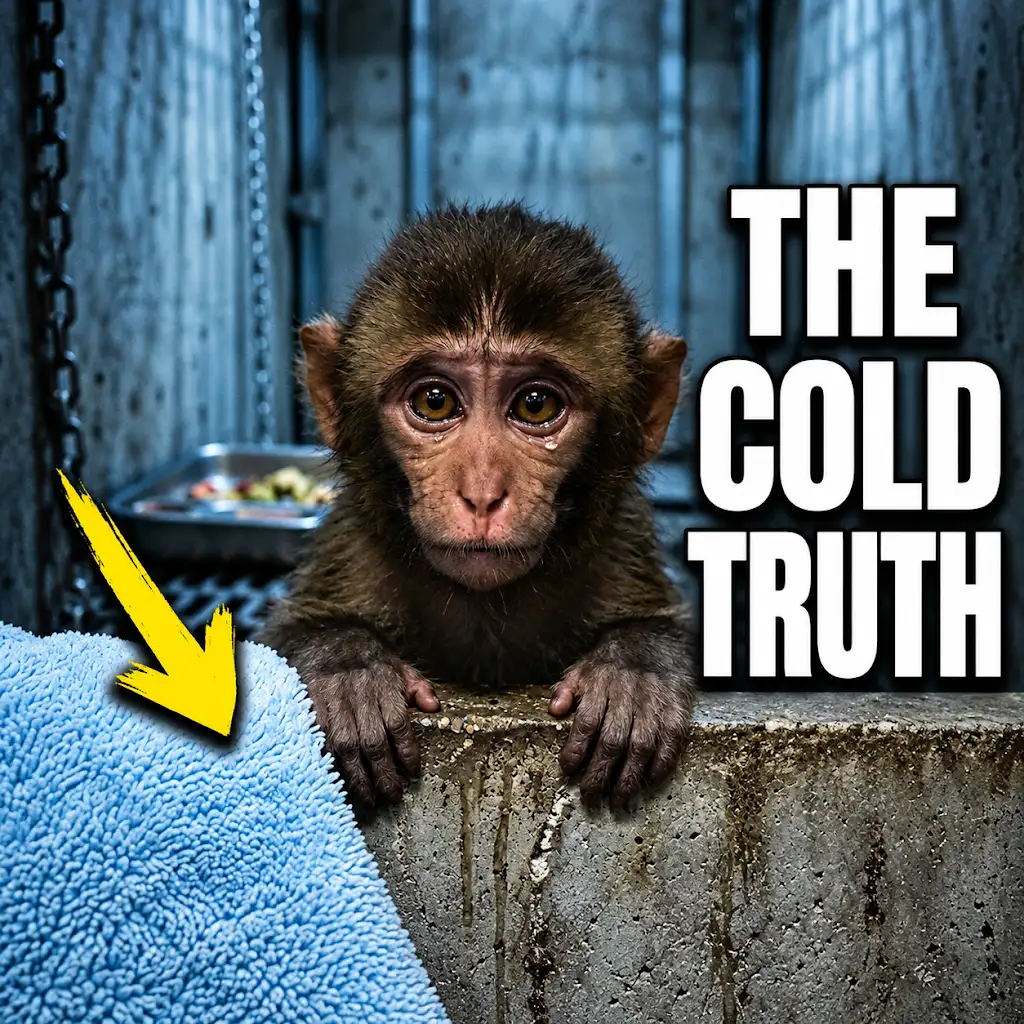
The Dark Reality of the Monkey Comfort Experiment
FAQs
What is the famous Bobo doll experiment?
The Bobo doll experiment was conducted by psychologist Albert Bandura in 1961 to study aggression in children. The experiment involved showing children a video of an adult model aggressively interacting with a Bobo doll, which led to the children imitating the same aggressive behavior towards the doll.
What is the significance of Pavlov’s dog experiment in animal psychology?
Pavlov’s dog experiment, conducted by Ivan Pavlov in the early 1900s, demonstrated classical conditioning in dogs. This experiment showed how dogs could be trained to associate a neutral stimulus (like a bell) with food, leading to a conditioned response (salivation) even when the food was not present. This research laid the foundation for understanding how animals learn through conditioning.
How did Harry Harlow’s experiments with monkeys contribute to our understanding of attachment theory?
Harry Harlow’s experiments with monkeys in the 1950s and 1960s showed the importance of maternal care and social relationships in early development. By separating infant monkeys from their mothers and providing them with surrogate mothers made of wire or cloth, Harlow demonstrated that the monkeys preferred the comfort of the cloth mother over the wire mother, highlighting the significance of emotional attachment and contact comfort in social bonding.
What was the purpose of John B. Watson’s Little Albert experiment?
John B. Watson’s Little Albert experiment, conducted in 1920, aimed to demonstrate how fear could be conditioned in a young child. By pairing a loud noise with a white rat, Watson conditioned a fear response in Little Albert towards the rat. This experiment illustrated the principles of classical conditioning and the impact of environmental factors on behavior.
How did the Clever Hans experiment challenge our understanding of animal intelligence?
The Clever Hans experiment, conducted in the early 1900s, involved a horse named Hans who appeared to be able to perform arithmetic calculations by tapping his hoof. However, further investigation revealed that Hans was actually responding to subtle cues from his trainer and was not truly demonstrating mathematical abilities. This experiment raised questions about the interpretation of animal behavior and the importance of considering external influences in assessing animal intelligence.