
You stand at the edge of a profound exploration, not of distant lands or abstract theories, but of the intricate landscapes within yourself. This journey delves into Carl Jung’s foundational concepts of the Persona and the Shadow, two archetypal forces that shape how you present yourself to the world and the hidden dimensions of your psyche. Understanding these aspects isn’t about achieving a state of perfect enlightenment or eradicating perceived flaws. Rather, it’s about fostering a more integrated, authentic existence by acknowledging and engaging with both the face you show and the face you conceal.
You undoubtedly navigate a complex social world, and to do so effectively, you employ a particular tool: the Persona. This is not a superficial affectation, but a vital psychological construct that allows you to adapt to societal expectations and fulfill various roles. Think of it as the carefully curated image you project, the aspects of yourself that are deemed acceptable, desirable, or necessary for interaction within your environment. It’s the professional you at work, the loving parent at home, the witty friend amongst companions. Each of these roles calls for a slightly different presentation, a distinct set of behaviors and expressions.
Origins of the Persona: Societal Conditioning
Your Persona isn’t conjured out of thin air. It is largely a product of your upbringing, your cultural context, and the feedback you’ve received throughout your life. From a young age, you learned which behaviors were rewarded and which were discouraged. You internalized the norms, values, and expectations of your family, your school, and broader society. This process of socialization is essential for functioning within a collective, but it also means that your Persona can become so deeply ingrained that it begins to feel like your entire identity, obscuring the subtler facets of who you truly are.
- Early Socialization: Consider the earliest lessons you learned about fitting in. These might have been explicit instructions (“Be polite,” “Don’t talk back”) or implicit observations of how others behaved and were treated. This foundational conditioning laid the groundwork for the roles you would later adopt.
- Cultural Imprinting: Different cultures present distinct models of ideal behavior. You may have unconsciously absorbed and adopted these cultural archetypes into your Persona, influencing everything from your communication style to your aspirations.
- Feedback Loops: The reactions of others – praise, criticism, indifference – reinforce certain aspects of your presented self and can lead you to suppress others. This continuous feedback loop shapes the contours of your Persona over time.
The Functionality of the Persona: Navigating the Social Sphere
The Persona serves a critical purpose in facilitating social interaction. Without it, you would likely find yourself overwhelmed by the demands of constant authenticity in every situation. It provides a protective layer, enabling you to engage with the world without exposing your deepest vulnerabilities prematurely. It allows for a degree of predictability in your interactions, fostering trust and cooperation.
- Adaptation and Integration: Your Persona allows you to adapt to diverse social settings. You can transition between different environments because you have the capacity to adjust your presentation accordingly. This adaptability is crucial for maintaining relationships and achieving your goals.
- Earning Social Capital: By presenting a competent, likable, or authoritative Persona, you can gain respect, influence, and opportunities. This is a fundamental aspect of navigating social hierarchies and building social capital within your community.
- Protecting the Inner Self: The Persona acts as a buffer against the harsh realities of social judgment. It allows you to experiment with different ways of being without the full weight of your inner self being directly exposed or potentially damaged.
The Dangers of Over-Identification: Losing Yourself in the Role
While the Persona is a necessary tool, a significant potential pitfall lies in over-identifying with it. When the mask becomes so convincing that you believe it is your true face, you risk losing touch with your authentic self. This can lead to a sense of emptiness, dissatisfaction, and a disconnect from your emotions and deeper desires. You may find yourself performing a role so convincingly that you forget why you adopted it in the first place.
- The “Actor” Phenomenon: You might feel like an actor perpetually on stage, performing for an audience. This can lead to a pervasive feeling of inauthenticity and exhaustion, as you expend considerable energy maintaining the facade.
- Suppression of True Feelings: When you are overly invested in your Persona, you may suppress emotions or aspects of your personality that don’t align with the projected image. This can lead to internalized tension and a lack of emotional release.
- Fear of Exposure: The more you identify with your Persona, the greater your fear of being “found out.” You might dread situations where your true self could be revealed, leading to increased anxiety and avoidance of genuine connection.
In exploring the intricate dynamics of the Jungian concepts of persona and shadow, one can gain deeper insights into the complexities of human behavior and identity. A related article that delves into these themes is available at Unplugged Psych, where the interplay between the masks we wear in society and the hidden aspects of our psyche is examined. This resource offers valuable perspectives for anyone interested in understanding how these psychological constructs influence our interactions and self-perception.
The Unseen Depths: Exploring the Shadow
Beneath the polished surface of your Persona lies a vast and often untamed territory: your Shadow. This is the repository of all that you deem unacceptable, undesirable, or inconvenient about yourself. It encompasses the traits, impulses, emotions, and desires that you have consciously or unconsciously pushed away, deeming them too primitive, too shameful, or too dangerous to acknowledge. The Shadow is not inherently evil, though it can manifest in destructive ways when left unexamined. It is simply the unintegrated aspect of your psyche.
The Formation of the Shadow: What You Reject
Your Shadow is not a pre-existing entity that is simply added to you. It is actively constructed through a process of negation. What you reject about yourself, what you censor, what you deny, all contribute to the formation of your Shadow. This often begins in childhood as you learn what is considered “good” and “bad” behavior by your caregivers and society.
- Parental Imprints: If your parents or primary caregivers expressed disapproval of certain emotions (like anger or sadness), or certain behaviors (like assertiveness or playfulness), you might have learned to repress these aspects of yourself, pushing them into your Shadow.
- Societal Taboos: Broader societal norms and taboos also play a significant role. Behaviors or desires that are considered morally reprehensible or socially unacceptable are prime candidates for being relegated to the Shadow.
- Personal Experiences: Traumatic experiences, moments of intense shame, or perceived failures can also lead to the disowning of certain parts of yourself, which then reside in the Shadow.
The Contents of the Shadow: More Than Just “Bad”
It is a common misconception that the Shadow consists solely of negative traits. While it certainly contains elements that you might perceive as undesirable, it also houses your untamed potential. It can hold creativity, vitality, intuition, and a raw, unadulterated sense of self that has been suppressed in favor of conformity. The Shadow is a treasure trove of unexpressed energy.
- The “Dark” Side: This includes aggression, envy, greed, lust, arrogance, and any other impulse that society deems unacceptable. These are the impulses you might find yourself acting out unconsciously or projecting onto others.
- Unexpressed Potential: Paradoxically, your Shadow can also contain your unexpressed strengths and talents. These might be aspects of yourself that you haven’t dared to explore for fear of judgment or failure, or that were discouraged in your upbringing.
- Authentic Emotions: Raw, unfiltered emotions that you have been taught to suppress – intense joy, profound sadness, unbridled passion – can reside in the Shadow, waiting for an avenue of expression.
The Manifestations of the Shadow: Projections and Unconscious Behavior
The Shadow rarely remains dormant. When unacknowledged, it tends to manifest in predictable, and often problematic, ways. One of the most common mechanisms is projection. You “see” the qualities you disown in yourself in others, often with startling clarity and emotional intensity.
- Projection onto Others: You might find yourself consistently criticizing or being irritated by certain traits in other people, traits that, upon honest self-examination, you recognize within yourself. This is a classic sign of a Shadow projection. You are seeing the disowned part of yourself reflected back at you.
- Unconscious Acting Out: The Shadow can also lead to impulsive, self-sabotaging behaviors that seem to come out of nowhere. These are often expressions of the repressed energy or desires that have found an outlet without your conscious consent.
- “Shadow Qualities” in Relationships: You might find yourself drawn to or repelled by certain types of people who embody qualities that are hidden within your own Shadow. These attractions or aversions can be powerful indicators of what you are unconsciously grappling with.
The Dynamic Interplay: Persona and Shadow in Balance
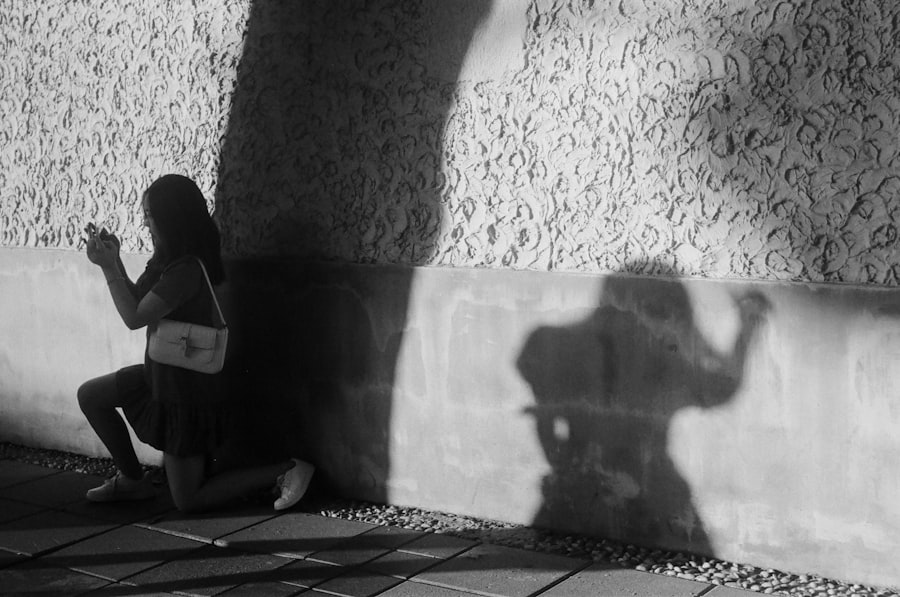
The remarkable insight of Jungian psychology is that the Persona and the Shadow are not separate, isolated entities, but rather dynamically interconnected aspects of your psyche. They exist in a constant, often unconscious, negotiation. Your Persona is built, in part, to keep the Shadow at bay. The more rigid and unyielding your Persona, the more potentially explosive your contained Shadow becomes.
The Symbiotic Relationship: Defense and Repression
Your Persona, in many ways, serves as a defense mechanism against the unconscious forces of the Shadow. You cultivate an image of strength, composure, or virtue to ensure that the “undesirable” aspects of yourself remain hidden from conscious awareness and social scrutiny. This creates a symbiotic relationship, where each influences the other.
- Persona as a Shield: Consider your Persona as a meticulously constructed shield. It’s designed to protect you from the perceived dangers of acknowledging and expressing your Shadow traits. The more you fear your Shadow, the more elaborate and formidable your Persona becomes.
- Shadow as the Driving Force: Conversely, the very act of repressing and disowning aspects of yourself creates the raw, potent energy that forms your Shadow. This repressed energy then yearns for expression, often finding indirect or disruptive outlets.
- The Pressure Cooker Effect: When these two forces are too far apart, and the Persona is too tightly controlled, it creates a psychological pressure cooker. The repressed Shadow energy builds, eventually finding a way to erupt, often with surprising force, disrupting the carefully crafted Persona.
The Illusion of Separation: The Persona as a False Wholeness
The danger of a highly developed or rigid Persona is the illusion of wholeness it can create. When you are deeply identified with your mask, you may believe you have achieved a state of completeness, believing you have eradicated all “negative” traits. This is a dangerous illusion, for the disowned parts of yourself have not disappeared; they have simply been relegated to unconscious realms.
- The “Goody-Two-Shoes” Persona: Someone with a Persona of unwavering virtue might be suppressing intense anger or manipulative tendencies. Their outward perfection belies a significant internal conflict.
- The “Tough Guy” Persona: Conversely, the hardened exterior of a “tough guy” might be an elaborate defense against deep-seated vulnerability or fear, which resides in their Shadow.
- The Cost of Inauthenticity: This illusion comes at a cost. True wholeness comes not from denying parts of yourself, but from integrating them. The rigid Persona prevents this integration, leading to a profound sense of inner division.
When the Balance Shifts: Cracks in the Façade
Life events, periods of stress, or encounters that challenge your established identity can cause fissures to appear in your Persona. When the defenses weaken, the Shadow can begin to seep through, often manifesting in unexpected and sometimes shocking ways. These moments, while uncomfortable, can be crucial turning points for self-awareness.
- Moments of Crisis: Illness, loss, or significant life changes can strip away the habitual defenses, forcing you to confront aspects of yourself that have been long suppressed.
- Intense Emotional Experiences: Overwhelming emotions, whether positive or negative, can overwhelm the Persona’s ability to maintain control, allowing the Shadow to surface.
- Catalysts for Change: These cracks, however destabilizing, are opportunities. They signal that the current balance is unsustainable and that a re-evaluation of your inner landscape is necessary.
The Path of Integration: Bringing Shadow into Light

The ultimate goal of exploring your Persona and Shadow isn’t to eliminate the Shadow or to dismantle the Persona entirely. Instead, it is a process of integration, of consciously acknowledging and accepting all aspects of yourself, the light and the dark, the projected and the repressed. This doesn’t mean reveling in destructive impulses, but rather understanding their origin and transforming their energy.
Confronting Your Shadow: A Courageous Undertaking
Engaging with your Shadow requires an act of profound courage. It involves turning your gaze inward and being willing to see what you have diligently avoided for years. This is not a comfortable process, but it is an essential one for genuine growth and self-acceptance.
- Self-Reflection and Inquiry: Begin by honestly examining your reactions to others. What truly irritates you? What qualities do you find yourself passionately defending or condemning? These are often fertile grounds for discovering your Shadow projections.
- Journaling and Creative Expression: Writing about your feelings, your dreams, and your reactions can provide invaluable insight into the unconscious material that resides in your Shadow. Creative outlets like art or music can also serve as channels for expressing repressed emotions.
- Mindfulness and Present Moment Awareness: By paying attention to your thoughts, feelings, and bodily sensations without judgment, you can begin to notice the subtle ways in which your Shadow influences your behavior.
Reclaiming Disowned Parts: The Power of Assimilation
The process of integration involves consciously reclaiming the disowned parts of yourself. This is not about adopting negative behaviors, but about understanding the underlying energies and finding healthier ways to express them. It’s about acknowledging that these parts exist within you and learning to manage them rather than letting them manage you.
- Acknowledging the “Negative”: Instead of denying anger, for example, you can acknowledge its presence. Then, you can explore its triggers and learn constructive ways to express it, rather than allowing it to erupt as uncontrolled rage or passive-aggression.
- Integrating Untamed Potential: If you’ve suppressed creativity or assertiveness, integration involves finding safe and appropriate outlets for these qualities. This can lead to a richer, more vibrant sense of self.
- Becoming More Whole: This reclamation process is what leads to a greater sense of personal wholeness. You stop working against yourself by denying significant parts of your being.
The Evolving Persona: Authenticity and Flexibility
As you integrate your Shadow, your Persona doesn’t disappear; it evolves. It becomes more authentic, more flexible, and less of a rigid defense. You are still able to adapt to social situations, but you do so from a place of inner congruence, without the desperate need to maintain a false front.
- A More Genuine Presentation: With integration, your outward presentation becomes a more accurate reflection of your inner reality. You are less likely to feel like you are performing and more likely to feel like you are simply being yourself.
- Increased Resilience: When you have integrated your Shadow, you are less susceptible to being destabilized by challenging emotions or external criticism. Your sense of self is more robust.
- Deeper Connections: As you become more authentic, you are able to form deeper and more genuine connections with others, as you are no longer hiding significant parts of yourself.
The exploration of the Jungian concepts of persona and shadow provides profound insights into the complexities of human behavior and identity. Understanding how these aspects influence our interactions and self-perception can be transformative. For those interested in delving deeper into this topic, a related article can be found at Unplugged Psych, which offers valuable perspectives on the interplay between our public selves and the hidden facets of our psyche. This exploration not only enhances self-awareness but also fosters personal growth by encouraging individuals to confront and integrate their shadow.
The Ongoing Journey: Lifelong Integration and Self-Awareness
| Persona | Shadow |
|---|---|
| Represents the social mask | Represents the unconscious and repressed aspects of personality |
| Adapts to social norms and expectations | Contains the darker and less desirable traits |
| Helps in social interactions and relationships | Can lead to destructive behavior if not acknowledged |
| Can be limiting and restrictive | Can hold the potential for growth and self-discovery |
Understanding your Persona and Shadow is not a destination, but an ongoing process. It is a commitment to lifelong self-awareness and a continuous effort to bring the unconscious into conscious awareness. Each stage of life presents new challenges and opportunities for delving deeper into these psychological landscapes.
Embracing Imperfection: The Human Condition
The pursuit of perfect virtue or the complete eradication of all “negative” traits is an impossible and ultimately self-defeating endeavor. Integration acknowledges the inherent complexity of the human psyche, recognizing that you are a being of light and shadow, of strengths and vulnerabilities. Embracing this imperfection is crucial for genuine self-acceptance.
- Acceptance of Contradictions: You are capable of both great kindness and moments of selfishness, of profound wisdom and instances of foolishness. Integration means accepting these contradictions as part of your humanity.
- Letting Go of Idealization: The pressure to live up to an idealized version of yourself can be a significant barrier to integration. Allowing yourself to be human, with all the messiness that entails, is liberating.
- The Beauty of Nuance: True wisdom lies in appreciating the nuances of your inner experience, rather than striving for simplistic notions of good and bad.
The Role of Therapy and Guidance
For many, the journey of exploring the Persona and Shadow can be profoundly aided by the guidance of a therapist or counselor. A trained professional can provide a safe and supportive space for you to confront difficult material and develop healthy coping mechanisms.
- A Safe Container: A therapeutic relationship offers a non-judgmental environment where you can explore your unconscious patterns without fear of reprisal or dismissal.
- Tools for Exploration: Therapists can offer various techniques, such as dream analysis, psychodrama, or active imagination, to help you access and understand your Shadow material.
- Facilitating Integration: A skilled therapist can help you bridge the gap between your conscious awareness and your unconscious material, guiding you toward a more integrated sense of self.
The Rewards of Self-Awareness: A More Authentic Existence
The rewards of engaging with your Persona and Shadow are profound. It is a path that leads to a more authentic, resilient, and fulfilling existence. When you understand the masks you wear and the hidden depths you carry, you can navigate the world with greater wisdom, empathy, and a more profound connection to yourself and others.
- Increased Self-Compassion: As you come to understand the origins of your less desirable traits, you can cultivate greater compassion for yourself and for others who struggle with similar issues.
- Enhanced Relationships: Authenticity fosters deeper connections. When you are less afraid of your own Shadow, you are more able to connect with the Shadow aspects of others, leading to more profound and honest relationships.
- Greater Freedom and Agency: Integration liberates you from the unconscious control of your Shadow and the rigid constraints of an overbearing Persona. You gain a greater sense of freedom to choose your actions and to live more fully in accordance with your true self. Your journey into the realms of the Persona and Shadow is a testament to your commitment to a richer, more conscious life.
FAQs
What is the Jungian persona and shadow?
The Jungian persona refers to the social mask or facade that an individual presents to the outside world, while the shadow represents the unconscious aspects of the personality that are often repressed or denied.
How does the persona and shadow affect an individual’s behavior?
The persona can influence how an individual interacts with others and presents themselves to the world, while the shadow can manifest in unexpected ways, such as through projection onto others or in dreams and fantasies.
What are some common examples of the persona and shadow in everyday life?
Examples of the persona may include professional personas at work or social personas in different social settings, while examples of the shadow may include feelings of anger, jealousy, or other emotions that are not openly acknowledged.
How can individuals work with their persona and shadow for personal growth?
Individuals can work with their persona and shadow by engaging in self-reflection, exploring their unconscious through techniques such as dream analysis or active imagination, and integrating repressed aspects of their personality into their conscious awareness.
What are some potential risks of not addressing the persona and shadow?
Not addressing the persona and shadow can lead to inner conflict, projection of unconscious aspects onto others, and a lack of authenticity in relationships and self-expression. This can also lead to feelings of disconnection and dissatisfaction in life.