
The history of psychological stress experiments is a fascinating, and at times, unsettling journey into understanding how the human mind and body react to adversity. From early physiological observations to complex ethical debates, researchers have continually sought to unravel the mechanisms of stress, its impact on well-being, and the potential for both harm and resilience. This exploration delves into the foundational work, evolving methodologies, and the profound ethical considerations that have shaped the field of stress research.
The scientific inquiry into the body’s reaction to challenging stimuli predates the formal discipline of psychology. Early researchers, often rooted in physiology and medicine, observed and documented the bodily changes associated with intense emotional experiences. These observations, though not labeled “stress” in the modern sense, laid crucial groundwork for later psychological investigations.
The Fight-or-Flight Response: Cannon’s Landmark Contribution
Walter Cannon, a physiologist at Harvard University, is widely recognized for his pioneering work on the physiological response to perceived threats. In the early 20th century, his research with animals illuminated the “fight-or-flight” response, a physiological cascade preparing the organism to confront or escape danger.
Autonomic Nervous System Activation
Cannon meticulously detailed how the sympathetic nervous system, a branch of the autonomic nervous system, becomes activated under stress. This activation triggers the release of adrenaline and noradrenaline, hormones that prepare the body for immediate action.
Increased Heart Rate and Blood Pressure
The research demonstrated a marked increase in heart rate and blood pressure, facilitating the delivery of oxygen and nutrients to muscles. This physiological surge was interpreted as essential for survival in the face of acute threats.
Mobilization of Energy Stores
Cannon also observed the mobilization of stored energy. The liver released glucose into the bloodstream, providing readily available fuel for intense physical exertion.
Diversion of Blood Flow
Blood flow was rerouted from non-essential functions, such as digestion, to the muscles and brain, further enhancing the capacity for action.
The Concept of Homeostasis: Maintaining Internal Balance
Closely linked to Cannon’s work was the concept of homeostasis, a term coined by Walter B. Cannon. Homeostasis refers to the body’s inherent tendency to maintain a stable internal environment, despite external changes. Stress, in this context, was understood as a disruption of this delicate balance, prompting physiological adjustments to restore equilibrium.
Stress as a Disruptor of Homeostasis
Cannon posited that the fight-or-flight response was a crucial mechanism by which the body attempted to counteract the disruptive effects of stressors and return to a state of homeostasis.
The Role of Hormones in Regulation
His work highlighted the intricate hormonal regulation involved in maintaining this balance, setting the stage for later investigations into the endocrine system’s role in stress.
The history of psychological stress experiments is a fascinating journey that highlights the evolution of our understanding of human behavior under pressure. One notable article that delves into this topic is available at Unplugged Psych, where it explores various landmark studies and their implications on mental health. This resource provides valuable insights into how stress has been measured and interpreted over the years, shedding light on the methodologies and ethical considerations involved in psychological research.
The Hans Selye Era: General Adaptation Syndrome and the Broadening of Stress
Hans Selye, an endocrinologist, significantly expanded the concept of stress in the mid-20th century. His extensive animal research led to the formulation of the General Adaptation Syndrome (GAS), a theory that described the body’s predictable, non-specific response to any demand placed upon it, whether harmful or beneficial.
Defining Stress as a “Non-Specific Response”
Selye challenged the idea that stress was solely a reaction to physical danger. He proposed that any stimulus, from extreme temperatures to social pressures, could elicit a similar physiological response.
The Triphasic Model of GAS
Selye’s GAS model outlined three distinct stages:
Stage 1: Alarm Reaction
This initial stage mirrors Cannon’s fight-or-flight response, characterized by immediate physiological arousal and the body’s initial attempt to cope with the stressor.
Stage 2: Resistance
If the stressor persists, the body enters the resistance stage. While outward signs of stress may diminish, physiological resources are still being utilized to combat the stressor. The body adapts to the ongoing demand, but its capacity for dealing with other stressors is reduced.
Stage 3: Exhaustion
Prolonged or overwhelming stress can lead to the exhaustion stage. The body’s resources are depleted, and it becomes vulnerable to disease and dysfunction. Selye’s observations in this stage linked chronic stress to a range of physical ailments.
Stressors and Stress Response: A Universal Framework
Selye’s work provided a broad framework for understanding stressors and the resulting stress response. He categorized stressors into physical, chemical, and psychological, suggesting a universal pathway of physiological adaptation.
Physical Stressors
Examples include extreme heat or cold, injury, and disease.
Chemical Stressors
These encompass toxins and drugs.
Psychological Stressors
Selye recognized the impact of mental and emotional challenges, although his primary focus remained physiological.
The Concept of “Diseases of Adaptation”
A critical outcome of Selye’s research was the concept of “diseases of adaptation.” He proposed that prolonged activation of the GAS could lead to the development of chronic diseases, such as ulcers, cardiovascular problems, and weakened immune function, as the body struggled to maintain homeostasis under constant demand.
The Rise of Psychological Stress Experiments: Measuring and Manipulating Stress
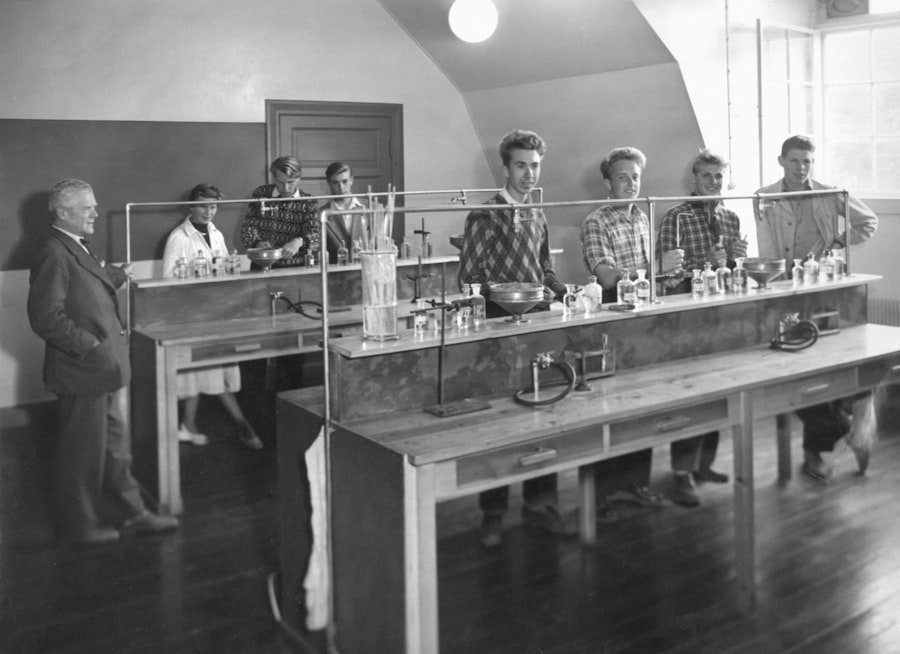
As psychology evolved as a discipline, researchers began to develop more sophisticated methods for studying stress. This era saw the emergence of experimental designs that allowed for the direct manipulation of stressors and the measurement of psychological and physiological outcomes.
Early Laboratory Stressors: Creating Controlled Environments
Researchers sought to create controlled laboratory settings where they could reliably induce stress in participants and observe their responses.
The Cold Pressor Test
This classic stressor involves immersing a participant’s hand or foot in ice-cold water for a short period. It reliably elicits physiological stress responses, including elevated heart rate and blood pressure.
Socially Evaluative Tasks
Introducing elements of social judgment or performance evaluation has also been a common strategy. Tasks requiring public speaking or complex cognitive problem-solving under time pressure have been employed.
Public Speaking Paradigms
Participants are asked to prepare and deliver a speech in front of an audience or a camera, often with evaluative feedback.
Cognitive Performance Tasks
These involve mentally demanding tasks, such as mental arithmetic or memory recall, often performed under time constraints or with distracting stimuli.
Physiological Measures of Stress: Quantifying the Body’s Response
Alongside the development of stressors, significant advancements were made in measuring the physiological correlates of stress.
Cardiovascular Measures
- Heart Rate and Blood Pressure: Continuous monitoring using electrocardiograms (ECGs) and sphygmomanometers became standard.
- Heart Rate Variability (HRV): The variation in the time interval between heartbeats, an indicator of autonomic nervous system balance, also gained prominence.
Neuroendocrine Measures
- Cortisol Levels: Measuring cortisol, a primary stress hormone released by the adrenal glands, through saliva, blood, or urine became a crucial biomarker.
- Catecholamines: Levels of adrenaline and noradrenaline were also assessed.
Electrodermal Activity (EDA)
Changes in skin conductance, reflecting sweat gland activity and sympathetic nervous system arousal, were commonly measured.
Psychological Measures of Stress: Capturing Subjective Experience
Beyond physiological indicators, researchers developed tools to capture the subjective experience of stress.
Self-Report Questionnaires
- Perceived Stress Scale (PSS): This widely used scale assesses an individual’s perception of how stressful their life has been over the past month.
- State-Trait Anxiety Inventory (STAI): Differentiating between temporary anxiety (state) and general disposition towards anxiety (trait) has been important.
Behavioral Observations
Researchers also observed and coded behavioral indicators of stress, such as fidgeting, vocal changes, or avoidance behaviors.
The Impact of Stress on Cognitive Function and Performance
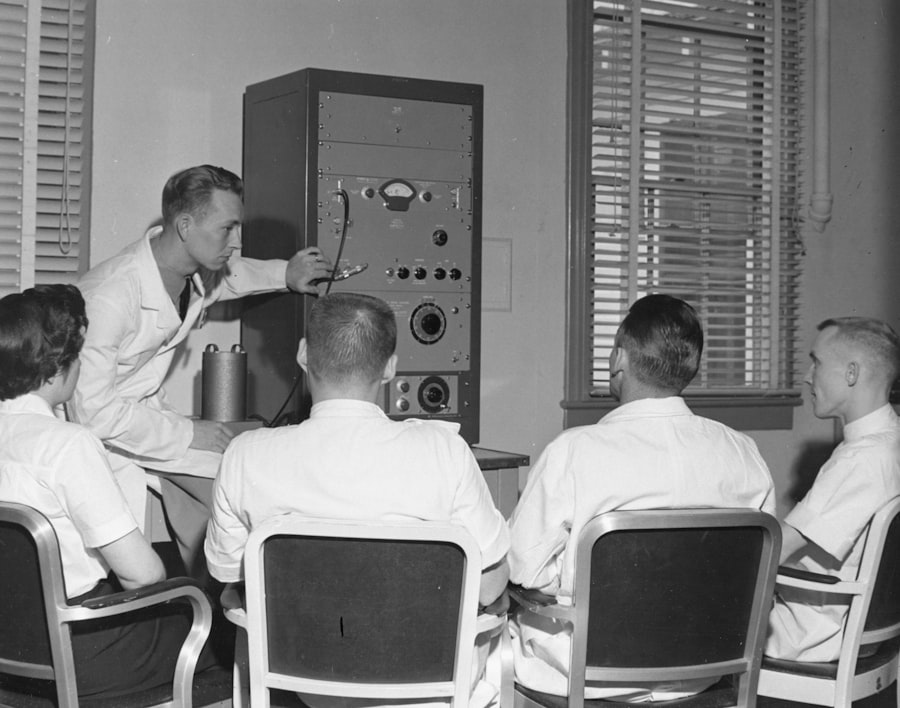
A significant area of inquiry in psychological stress experiments has been understanding how stress affects our ability to think, learn, and perform tasks. Early research focused on the immediate impacts, while later studies delved into the nuances of how different types of stress and individual differences influence cognitive outcomes.
Stress and Attention
The relationship between stress and attention has been a complex and dynamic area of research.
Yerkes-Dodson Law: The Inverted U-Shaped Relationship
This classic law suggests that performance increases with physiological or mental arousal, but only up to a certain point. When arousal becomes too high, performance decreases. This concept has been applied to attention, with moderate stress potentially enhancing focus, while extreme stress can lead to attentional deficits.
Attentional Narrowing (Perceptual Narrowing)
Under high stress, individuals may experience a narrowing of their attentional focus, prioritizing information deemed most relevant to the immediate threat. While this can be adaptive in some situations, it can also lead to an inability to process important peripheral information.
Stress and Memory
The impact of stress on memory formation and retrieval is multifaceted.
Impairment of Working Memory
Acute stress can often impair working memory, the system responsible for temporarily holding and manipulating information. This can make it difficult to complete tasks requiring sustained mental effort.
Impact on Long-Term Memory Consolidation
The effects on long-term memory are more varied. Some research suggests that moderate stress during an event can enhance memory consolidation, particularly for emotionally salient information. However, severe or chronic stress can disrupt this process and lead to memory deficits.
Stress and Retrieval Difficulties
Even when information is stored, stress can interfere with the ability to retrieve it, leading to feelings of “drawing a blank.”
Stress and Decision-Making
The ability to make sound decisions is significantly influenced by stress.
Impulsive Behavior and Risk-Taking
High levels of stress can promote impulsive decision-making and an increased propensity for risk-taking, as individuals may prioritize immediate gratification or survival over long-term consequences.
Reduced Cognitive Flexibility
Stress can also diminish cognitive flexibility, making it harder to adapt to changing circumstances or consider alternative solutions.
Individual Differences in Stress Response
It became evident early on that not everyone reacts to stress in the same way. This realization spurred research into the factors that mediate individual differences.
Personality Traits
- Hardiness: Individuals with high levels of psychological hardiness (commitment, control, and challenge) tend to cope more effectively with stress.
- Neuroticism: Higher levels of neuroticism are often associated with greater perceived stress and more negative emotional responses.
Coping Styles
- Problem-Focused Coping: Strategies aimed at directly addressing the stressor.
- Emotion-Focused Coping: Strategies aimed at managing the emotional distress caused by the stressor.
Prior Experiences and Social Support
Previous exposure to stressors and the availability of social support networks play crucial roles in an individual’s resilience to stress.
The history of psychological stress experiments reveals a fascinating evolution of our understanding of human behavior under pressure. Researchers have conducted numerous studies over the decades, exploring how stress impacts mental and physical health. For those interested in delving deeper into this topic, a related article can be found at Unplugged Psych, which discusses various methodologies and findings in the realm of psychological stress. This exploration not only highlights the significance of stress in our lives but also emphasizes the importance of developing effective coping strategies.
Ethical Considerations and the Evolution of Research Practices
| Experiment | Year | Researcher | Findings |
|---|---|---|---|
| Holmes and Rahe Stress Scale | 1967 | Thomas Holmes and Richard Rahe | Identified major life events that can contribute to stress |
| Trier Social Stress Test | 1993 | Karl-Heinz B. and Clemens Kirschbaum | Used to induce psychological stress in a laboratory setting |
| Whitehall Studies | 1967 | Michael Marmot | Explored the relationship between social status and stress-related health outcomes |
As psychological stress experiments became more sophisticated, so too did the ethical considerations surrounding them. The potential for inflicting distress, even for the sake of scientific advancement, raised significant questions about participant welfare and the responsibility of researchers.
The Nuremberg Code and the Declaration of Helsinki: Guiding Principles
The atrocities of World War II and the subsequent Nuremberg trials brought to light egregious violations of human rights in medical and psychological experimentation. This led to the development of crucial ethical guidelines.
Informed Consent
The Nuremberg Code (1947) and later the Declaration of Helsinki (1964) emphasized the paramount importance of voluntary, informed consent from participants. This means participants must be fully informed about the nature of the experiment, its potential risks and benefits, and their right to withdraw at any time without penalty.
Minimizing Harm
These codes stressed the ethical obligation to minimize any potential harm to participants. The risks involved in an experiment should not exceed the potential benefits of the research.
Right to Withdraw
Participants must be explicitly informed that they can withdraw from the study at any point without facing negative consequences.
Debriefing and Psychological Support
A critical ethical practice that evolved in stress research is thorough debriefing.
Explaining the Purpose of the Study
After participation, researchers are obligated to fully explain the purpose of the study, the nature of the stressors used, and how their participation contributes to scientific understanding.
Mitigating Negative Effects
Debriefing provides an opportunity to address any lingering distress or anxiety caused by the experimental procedures. Researchers often offer resources for psychological support if participants report significant discomfort.
Confidentiality and Anonymity
Protecting participant privacy is a cornerstone of ethical research. Strict protocols are in place to ensure confidentiality and, where possible, anonymity of data.
The Use of Deception in Stress Research
In some instances, researchers have employed mild deception to create or enhance stressors. This practice has been subject to considerable ethical scrutiny.
Justification for Deception
Deception is only considered ethically permissible when it is essential for the validity of the research, there are no viable non-deceptive alternatives, and the potential benefits outweigh the risks.
Mandatory Debriefing and Opportunity to Withdraw Consent
When deception is used, thorough debriefing is even more critical. Participants must be informed of the deception and given the opportunity to withdraw their data from the study if they feel the deception has violated their trust.
Balancing Scientific Inquiry with Participant Welfare
The ongoing challenge in stress research is to strike a delicate balance between the pursuit of vital scientific knowledge and the unwavering commitment to participant welfare. This has led to a continuous refinement of methodologies and ethical oversight.
Institutional Review Boards (IRBs)
Today, all research involving human participants, including stress experiments, must undergo rigorous review by Institutional Review Boards (IRBs) or Ethics Committees. These boards ensure that proposed research adheres to ethical guidelines and protects the rights and well-being of participants.
Development of Less Invasive Stress Inducers
The field has seen a move towards developing less invasive and ethically more palatable stress-inducing methods, focusing on cognitive and social stressors that are less likely to cause lasting harm.
The history of psychological stress experiments is a testament to humanity’s enduring curiosity about its own resilience and vulnerabilities. From the early physiological observations of Cannon to the complex ethical frameworks guiding contemporary research, the journey has been one of continuous learning, adaptation, and a growing understanding of the profound impact of stress on the human experience. The ongoing research in this field continues to shed light on how to mitigate its negative effects and foster greater well-being in an increasingly demanding world.

What Did Harvard Do to Ted Kaczynski?
FAQs
What are psychological stress experiments?
Psychological stress experiments are studies designed to induce stress in participants in order to observe and measure their physiological and psychological responses. These experiments are conducted to better understand the effects of stress on the human body and mind.
What is the history of psychological stress experiments?
Psychological stress experiments have been conducted for decades, with early studies dating back to the 1930s. One of the most well-known experiments is the Stanford Prison Experiment conducted by Philip Zimbardo in 1971, which demonstrated the powerful impact of situational factors on human behavior.
What are some ethical considerations in psychological stress experiments?
Ethical considerations in psychological stress experiments include obtaining informed consent from participants, minimizing potential harm, and ensuring the well-being of participants throughout the study. Researchers must also debrief participants after the experiment and provide them with any necessary support.
What are some notable findings from psychological stress experiments?
Psychological stress experiments have revealed a range of findings, including the impact of stress on cognitive function, emotional regulation, and physical health. These studies have also highlighted the importance of social support and coping mechanisms in mitigating the negative effects of stress.
How are psychological stress experiments used in research and clinical practice?
Psychological stress experiments are used in research to further our understanding of stress and its effects on human behavior and physiology. In clinical practice, the findings from these experiments can inform the development of interventions and treatments for individuals experiencing stress-related issues.