
You’re a parent, and the world you navigate is a complex one. You’re not just a provider of food and shelter; you’re a cultivator of little humans, shaping their understanding of themselves and their place in the world. This is a profound responsibility, and one of the most crucial aspects of it is nurturing emotional self-reliance in your children. It’s about equipping them with the inner tools to navigate life’s inevitable ups and downs, to understand and manage their feelings, and to bounce back from adversity. It’s about building a strong emotional foundation that will serve them for a lifetime. This journey begins not with grand gestures, but with everyday interactions, subtle shifts in your parenting approach, and a conscious effort to empower the roles within your family.
Emotional self-reliance isn’t about never feeling sad or angry. It’s about developing the capacity to feel those emotions, understand what they’re telling you, and respond in healthy, constructive ways. It’s the quiet confidence of knowing you can weather a storm, not by avoiding it, but by understanding your own internal compass and having the skills to navigate through it. For your children, this means growing into adults who can identify their feelings, express them appropriately, and regulate their intensity. It means they won’t be paralyzed by fear, overwhelmed by frustration, or crushed by disappointment. Instead, they will have a sense of agency over their emotional landscape.
The Core Components of Emotional Self-Reliance
- Emotional Literacy: This is the bedrock. Can your child name their feelings? Do they understand the nuances between annoyance, frustration, and anger? Are they able to recognize these emotions in themselves and in others? This begins with you modeling emotional language and creating a safe space for them to express their own.
- Emotional Regulation: Once emotions are identified, can your child manage their intensity? This isn’t about suppressing feelings, but about developing strategies to calm down when upset, to manage impulses, and to maintain a sense of equilibrium.
- Problem-Solving Skills: Emotional self-reliance is intrinsically linked to the ability to solve problems. When faced with a challenge that evokes strong emotions, can your child think through solutions, weigh options, and take action? This often involves learning from mistakes and developing a growth mindset.
- Self-Awareness: This is the ongoing process of understanding your own strengths, weaknesses, values, and emotional triggers. For children, this develops over time as they experience different situations and receive your guidance.
- Healthy Coping Mechanisms: What do your children do when they are stressed or sad? Do they resort to unhealthy behaviors, or do they have a repertoire of positive coping strategies like talking to someone, engaging in a hobby, or practicing mindfulness?
The Long-Term Impact: A Foundation for Well-being
When you actively cultivate emotional self-reliance in your children, you are giving them an invaluable gift. You are setting them up for success in relationships, in their careers, and in their personal lives. They will be better equipped to handle conflict, to build strong and supportive friendships, and to pursue their goals with determination. This also translates to better mental health outcomes, a reduced likelihood of experiencing anxiety and depression, and a greater overall sense of contentment and fulfillment.
In exploring the dynamics of family roles and the importance of emotional self-reliance, a related article can provide valuable insights into how these elements interact within familial relationships. For a deeper understanding, you can read more about this topic in the article available at Unplugged Psych, which discusses the impact of family structures on individual emotional development and the necessity of fostering self-reliance for healthier relationships.
Empowering Roles Within the Family: Your Child as an Active Participant
The traditional view of family roles often casts children as passive recipients of care and instruction. However, empowering them to take on active roles, even small ones, fosters a sense of responsibility, competence, and belonging. This isn’t about burdening them with adult responsibilities, but about giving them age-appropriate opportunities to contribute and to feel valued for their efforts. This active participation directly feeds into their emotional self-reliance.
Defining Empowered Roles for Children
- The Contributor: This role focuses on contributing to the family’s well-being. This could be helping with chores, looking after a younger sibling (under supervision), or even contributing ideas during family discussions. The key is that their contribution is recognized and appreciated.
- The Learner: Every child is a learner, but this role emphasizes their active engagement in acquiring knowledge and skills. Encourage curiosity, provide opportunities for exploration, and celebrate their learning journey, not just the outcomes.
- The Communicator: This role encourages open and honest communication within the family. Create a space where your child feels safe to express their thoughts, feelings, and concerns without fear of judgment. Teach them the art of active listening and respectful dialogue.
- The Problem-Solver: When minor issues arise within the family, involve your child in finding solutions. This could be deciding what to have for dinner, resolving a disagreement between siblings, or figuring out how to fix a broken toy.
The Parent as Facilitator, Not Dictator
Your role in this process is not to dictate, but to facilitate. You are the guide, the mentor, the one who provides the scaffolding for your child to build their own capacities. This means stepping back at times, allowing them to struggle a little, and offering support without taking over. It’s about believing in their ability to learn and grow, even when it’s messy.
Nurturing Emotional Literacy: The Language of Feelings
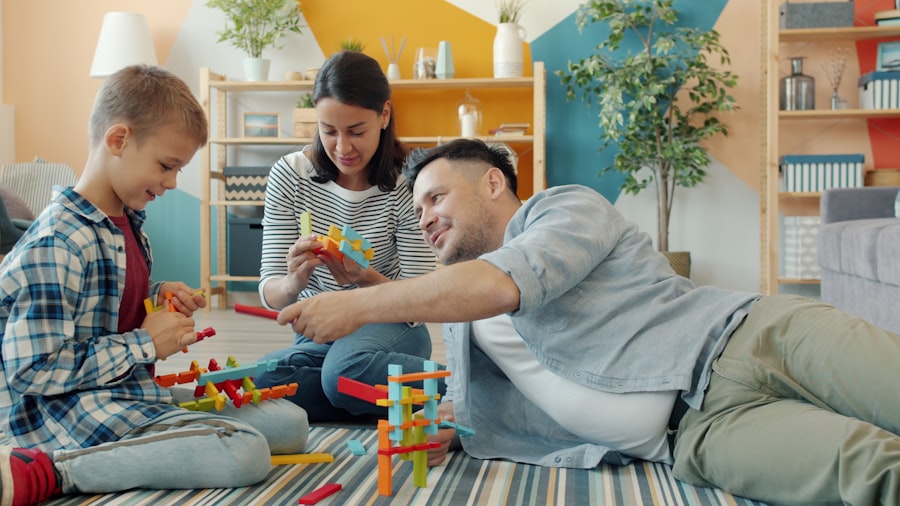
Teaching your child to understand and express their emotions is fundamental to building their emotional self-reliance. This starts from infancy, with you naming their feelings and responding to their cues. As they grow, this becomes a more sophisticated conversation, equipping them with the vocabulary and understanding to navigate their inner world.
Building a Foundation of Emotional Vocabulary
- Modeling Emotional Language: You are your child’s primary role model. When you experience emotions, label them out loud. “I’m feeling a bit frustrated because this traffic is so slow,” or “I’m so excited about our trip!” This helps your child connect words with feelings.
- Validating Their Feelings: When your child expresses an emotion, acknowledge it without judgment. Even if you don’t agree with the reason for their feeling, validate the feeling itself. “I see you’re really angry that your brother took your toy,” or “It sounds like you’re feeling sad because your friend couldn’t play today.”
- Using Books and Stories: Children’s literature is a rich resource for exploring emotions. Read stories that depict characters experiencing a range of feelings and discuss them with your child. Ask questions like, “How do you think they felt?” or “What could they have done differently?”
- Creating a “Feeling Chart” or “Emotion Jar”: For younger children, visual aids can be very helpful. A chart with different emotion faces or an “emotion jar” where they can pick a feeling can be a fun way to start conversations.
Teaching Coping Strategies for Difficult Emotions
- Deep Breathing and Mindfulness: Simple techniques like deep breathing exercises can be incredibly effective for calming down. Introduce mindfulness concepts in an age-appropriate way, encouraging them to focus on their senses.
- Taking a Break: Sometimes, all that’s needed is a temporary escape from a challenging situation. Teach your child to recognize when they need a “cool-down” period and where they can go to do so.
- Physical Activity: Movement is a powerful outlet for pent-up emotions. Encourage your child to run, jump, dance, or engage in any physical activity that helps them release energy.
- Creative Expression: Drawing, painting, playing music, or writing can be wonderful ways for children to process and express their emotions, especially those that are difficult to put into words.
Fostering Problem-Solving Skills: From Small Challenges to Big Victories

Emotional self-reliance is deeply intertwined with a child’s ability to solve problems. When they can approach challenges with a sense of agency and a belief in their capacity to find solutions, they are building crucial emotional resilience. This process involves encouraging independent thinking, accepting mistakes as learning opportunities, and celebrating their efforts.
Encouraging Independent Thinking and Decision-Making
- Offer Choices: Even in small matters, give your child options. “Would you like to wear the blue shirt or the red shirt?” or “Do you want to play with blocks or draw a picture?” This empowers them to make decisions and experience the consequences.
- Brainstorming Solutions Together: When a problem arises, don’t immediately jump in with the solution. Instead, involve your child in brainstorming possible approaches. “We’re out of milk. What can we do?” or “Your tower fell down. How can we rebuild it so it’s stronger?”
- Allowing for Natural Consequences: While safety is paramount, sometimes letting your child experience the natural consequences of their actions can be a powerful teacher. If they forget their homework, and have to deal with the teacher’s disappointment, that’s a lesson they’ll likely remember.
- Asking Open-Ended Questions: Instead of asking questions that can be answered with a “yes” or “no,” ask questions that encourage deeper thinking. “What do you think might happen if you did that?” or “How could you make that situation better?”
Embracing Mistakes as Learning Opportunities
- Reframe “Failure”: Help your child understand that mistakes are not failures, but stepping stones to learning. Share your own mistakes and what you learned from them.
- Focus on the Effort, Not Just the Outcome: Praise their effort and perseverance, even if the end result isn’t perfect. “I’m so proud of how hard you worked on that puzzle, even though it was tricky,” is more empowering than “You didn’t finish the puzzle.”
- Debriefing After Challenges: After a difficult situation, take time to talk about what happened. What worked well? What could have been done differently? What did you learn from the experience?
- Encourage Trying Again: If they make a mistake or don’t succeed the first time, encourage them to try again, perhaps with a different approach.
Understanding family roles and emotional self-reliance is crucial for personal development and healthy relationships. A related article that delves deeper into this topic can be found on Unplugged Psych, which explores how the dynamics within families shape individual emotional resilience. By examining these roles, individuals can better navigate their feelings and foster independence. For more insights, you can read the article here.
Building a Supportive Family Environment: The Foundation of Emotional Safety
| Family Roles | Emotional Self-Reliance |
|---|---|
| Parent | Being able to regulate one’s own emotions without relying on others for constant support |
| Child | Developing the ability to manage one’s own feelings and not always seeking validation from others |
| Sibling | Learning to be independent and self-sufficient in dealing with emotional challenges |
A supportive family environment is the bedrock upon which emotional self-reliance is built. It’s a space where children feel loved, accepted, and safe to express themselves without fear of ridicule or punishment. This creates a sense of security that allows them to explore their emotions, take risks, and learn from their experiences.
Cultivating Connection and Belonging
- Dedicated Family Time: Make time for genuine connection. This could be family dinners, game nights, outings, or simply quiet time spent together. The key is undivided attention and shared experiences.
- Active Listening and Validation: As mentioned before, actively listening to your child and validating their feelings is crucial. Show them that you are truly hearing them and that their emotions matter.
- Expressing Love and Affection: Regularly tell your children you love them, hug them, and show affection. Physical touch and verbal affirmations reinforce their sense of worth and belonging.
- Celebrating Individuality: Embrace and celebrate your child’s unique personality, talents, and interests. Encourage them to be themselves and to pursue their passions.
Establishing Clear Boundaries and Expectations
- Consistent Rules and Consequences: Children thrive on predictability. Having clear, consistent rules and consequences helps them understand what is expected of them and what the boundaries are.
- Age-Appropriate Responsibilities: Assign age-appropriate responsibilities and chores. This instills a sense of contribution and ownership within the family.
- Teaching Respect for Others: Model and teach respect for all family members, as well as for others outside the family. This includes respecting personal space, opinions, and belongings.
- Open Communication About Family Values: Discuss your family’s values and principles. Help your children understand the “why” behind the rules and expectations.
The Ongoing Journey: Empowering Your Child for Life
Emotional self-reliance isn’t a destination; it’s a lifelong journey. Your role as a parent is to provide the initial guidance and support, but ultimately, your child will continue to develop these skills throughout their lives. By consistently nurturing these aspects of their development, you are equipping them with the most valuable toolset for navigating the complexities of life with confidence, resilience, and a profound sense of inner strength. It’s a legacy of emotional well-being that you can be incredibly proud to pass on.
The Parent as a Lifelong Mentor
- Continuing to Model Healthy Emotional Responses: As you navigate your own life, continue to model emotional self-reliance. Show your children how you cope with stress, disappointment, and success in healthy ways.
- Being a Safe Haven: Even as your children grow into adults, your home should remain a safe haven where they can come for support and guidance.
- Encouraging Self-Reflection: Prompt your older children to reflect on their own emotional growth and to identify areas where they want to continue developing.
- Celebrating Their Independence: As they gain more independence, celebrate their successes and offer encouragement as they face new challenges. Your pride in their self-reliance will further empower them.
The Legacy of Emotional Strength
The greatest gift you can give your children is the capacity to be emotionally self-reliant. It’s a gift that will empower them to face life’s challenges with courage, to build meaningful relationships, and to live a life filled with purpose and fulfillment. You are not just raising children; you are nurturing resilient, capable, and emotionally intelligent human beings who will undoubtedly make the world a better place, one empowered step at a time.

The Hidden Cost of Being “The Strong One”
FAQs
What are family roles?
Family roles are the patterns of behavior and responsibilities that family members adopt in relation to one another. These roles can be influenced by cultural, societal, and familial expectations.
What is emotional self-reliance?
Emotional self-reliance refers to the ability to regulate and manage one’s own emotions without relying solely on others for support and validation. It involves developing a sense of independence and resilience in dealing with emotional challenges.
How do family roles impact emotional self-reliance?
Family roles can impact emotional self-reliance by shaping how individuals perceive and respond to their own emotions. For example, individuals in caretaker roles may prioritize the emotional needs of others over their own, while individuals in more independent roles may struggle to seek support when needed.
What are some common family roles?
Common family roles include the caretaker, the peacemaker, the responsible one, the rebel, and the mediator. These roles can vary depending on the family dynamics and individual personalities.
How can individuals develop emotional self-reliance within their family roles?
Individuals can develop emotional self-reliance within their family roles by practicing self-awareness, setting boundaries, seeking support when needed, and developing healthy coping mechanisms for managing emotions. Therapy and self-reflection can also be helpful in this process.