The human experience is a complex tapestry woven with threads of both tangible and intangible desires. For centuries, thinkers have grappled with what truly drives individuals, what lies at the core of well-being. A fundamental dichotomy often emerges in these explorations: the distinction between emotional needs and physical needs. While both are undeniably crucial for survival and flourishing, their relative importance, their interplay, and the profound impact of neglecting one for the other offer a rich landscape for understanding what truly matters in the human journey. This article will delve into the nuances of these two fundamental categories, exploring their foundational roles, how they intersect and influence each other, the consequences of imbalances, and ultimately, how a holistic approach can lead to a more fulfilling existence.
The Bedrock of Existence: Defining Physical Needs
Physical needs form the most primal layer of human requirement. They are the biological imperatives that, when unmet, directly threaten survival and immediate comfort. These are the tangible necessities that fuel the body and protect it from harm. Without their satisfaction, higher-level functioning and emotional well-being become virtually impossible. Understanding these basic requirements is not merely an academic exercise; it is the first step in recognizing the fundamental vulnerability of the human organism and the baseline conditions necessary for any kind of life, let alone a thriving one.
Fueling the Machine: Nutrition and Hydration
At the most fundamental level, the human body requires a constant supply of nutrients and water to function. Food provides the energy needed for cellular processes, muscle movement, brain activity, and immune defense. A balanced diet, rich in carbohydrates, proteins, fats, vitamins, and minerals, is essential for maintaining physical health, preventing disease, and supporting growth and repair. Dehydration, even in mild forms, can lead to fatigue, impaired cognitive function, and a range of physical ailments. Chronic malnutrition or severe dehydration can have catastrophic consequences, leading to organ damage, developmental issues, and ultimately, death. The satisfaction of these needs is a non-negotiable prerequisite for life itself. It is the most immediate and undeniable testament to our physical existence.
The Sanctuary of the Body: Shelter and Protection
Beyond sustenance, the physical body requires protection from the elements and external threats. Shelter, in its most basic form, shields individuals from extreme temperatures, rain, and wind, preventing hypothermia or hyperthermia, both of which can be life-threatening. Beyond environmental protection, shelter also offers a sense of security from predators, violence, and other dangers. This need extends to clothing, which provides insulation and protection against injury. The absence of adequate shelter and protection can lead to illness, injury, and a constant state of anxiety, directly impacting an individual’s capacity to attend to other needs, including emotional ones. This fundamental need for safety is deeply intertwined with the ability to simply exist without constant fear for one’s physical integrity.
The Engine of Life: Sleep and Rest
The human body, like any complex machine, requires periods of rest and rejuvenation to operate optimally. Sleep is not a luxury but a biological necessity. During sleep, the body undergoes critical restorative processes, including tissue repair, muscle growth, memory consolidation, and hormone regulation. Chronic sleep deprivation can have severe consequences, impacting immune function, cognitive abilities, mood regulation, and increasing the risk of accidents and long-term health problems like cardiovascular disease and diabetes. Adequate rest allows the body to recover from the daily stresses it endures, ensuring its continued functionality and resilience. This seemingly passive need is, in fact, an active and vital component of physical health and preparedness.
The Continuum of Life: Health and Hygiene
Maintaining physical health extends beyond immediate survival needs to encompass practices that promote long-term well-being. This includes hygiene, such as regular washing, to prevent the spread of disease and infection. Access to clean water, sanitation, and healthcare are also crucial components of physical well-being. The absence of these can lead to widespread illness, chronic health conditions, and a reduced quality of life. A body riddled with preventable diseases or infections is less capable of meeting even the most basic physical needs, and its ability to engage with the world on an emotional and social level is severely compromised. The pursuit of health and hygiene is an investment in sustained physical capacity.
Understanding the distinction between emotional needs and physical needs is crucial for overall well-being. For a deeper exploration of this topic, you can read a related article that delves into how these needs interact and affect our mental health. This insightful piece can be found at Unplugged Psych, where you will discover valuable information on nurturing both aspects of your health for a more balanced life.
The Inner Landscape: Unveiling Emotional Needs

While physical needs are paramount for survival, emotional needs are equally vital for a fulfilling and meaningful human experience. These are the intangible requirements that contribute to a sense of psychological well-being, happiness, and connection. They are the architects of our inner world, shaping our perceptions, our relationships, and our sense of self. Neglecting emotional needs can lead to a profound sense of emptiness, isolation, and despair, even when physical needs are adequately met. Understanding these needs is key to navigating the complexities of human interaction and cultivating inner peace.
The Foundation of Self: Self-Esteem and Self-Worth
A core emotional need is the development and maintenance of healthy self-esteem and self-worth. This is the internal valuation of oneself, a belief in one’s inherent value and capabilities. High self-esteem is associated with confidence, resilience, and a positive outlook on life. Conversely, low self-esteem can manifest as self-doubt, insecurity, and a propensity for self-criticism, hindering personal growth and relationships. This need is cultivated through experiences of competence, affirmation, and acceptance, both from oneself and from others. It is the internal compass that guides how one navigates the world and interacts with others.
The Bonds of Belonging: Connection and Love
Humans are inherently social creatures, and the need for connection, belonging, and love is fundamental. This encompasses the desire for close relationships, whether with family, friends, or romantic partners. Feeling loved, accepted, and understood fosters a sense of security and emotional support. Loneliness and isolation, the absence of these connections, can have devastating psychological consequences, contributing to depression, anxiety, and even physical health problems. The quality of our relationships often dictates the quality of our emotional lives, making this a truly central need.
The Drive for Purpose: Meaning and Fulfillment
Beyond basic existence, individuals possess an innate drive to find meaning and purpose in their lives. This involves having goals, aspirations, and a sense of contributing to something larger than oneself. Whether through work, hobbies, creativity, or service, a sense of purpose provides direction, motivation, and a feeling of fulfillment. The absence of meaning can lead to feelings of apathy, existential dread, and a profound sense of dissatisfaction, even when all other needs are met. This need speaks to our desire to leave a mark and to understand our place in the grander scheme of things.
The Freedom to Be: Autonomy and Control
The need for autonomy and a sense of control over one’s life is another crucial emotional requirement. This involves having the freedom to make choices, to express oneself authentically, and to pursue one’s own path. Feeling restricted, powerless, or constantly dictated to can lead to frustration, resentment, and a diminished sense of self. A healthy degree of autonomy allows individuals to develop their own identities and to feel empowered in their decisions. This need is about agency and the ability to shape one’s own destiny.
The Space to Grow: Growth and Self-Actualization
The human psyche also craves growth, learning, and the realization of one’s full potential. This encompasses the need for intellectual stimulation, skill development, and personal transformation. The pursuit of knowledge, the mastering of new abilities, and the process of self-discovery contribute to a sense of vitality and accomplishment. When growth is stifled, individuals can experience stagnation and a feeling of being unfulfilled. This intrinsic motivation to become more than one currently is is a powerful driver of human progress and personal satisfaction.
The Intricate Dance: Interplay Between Emotional and Physical Needs

The distinction between emotional and physical needs, while useful for understanding, can be misleading if interpreted as a rigid separation. In reality, these two domains are in constant and dynamic interplay, each profoundly influencing the other. The state of one’s physical health can directly impact emotional well-being, and conversely, emotional distress can manifest in physical symptoms. Recognizing this intricate dance is key to understanding holistic human health.
The Body’s Voice: When Physical Ailments Trigger Emotional Distress
Physical discomfort and illness are potent triggers for emotional distress. Chronic pain, for instance, can lead to anxiety, depression, irritability, and a loss of hope. A serious diagnosis can evoke fear, grief, and a sense of vulnerability. When the body is compromised, it becomes the primary focus, consuming mental energy and making it difficult to engage with positive emotions or to maintain a sense of well-being. The physical experience of sickness can erode one’s sense of self and capacity for joy. Furthermore, limitations imposed by physical ailments can restrict social engagement and the ability to pursue meaningful activities, further exacerbating emotional distress.
The Mind’s Echo: How Emotional Well-being Impacts Physical Health
The connection is equally powerful in the reverse direction. Chronic stress, anxiety, and depression can have significant negative impacts on physical health. The body’s stress response, while essential in short bursts, can become detrimental when prolonged. This can lead to a weakened immune system, making individuals more susceptible to illness. It can also contribute to a range of physical ailments, including digestive problems, headaches, muscle tension, and even cardiovascular issues. A positive emotional state, on the other hand, can bolster the immune system, promote faster healing, and contribute to overall physical vitality. The mind truly has a profound influence on the body’s ability to thrive.
The Cycle of Deprivation: When One Need Undermines the Other
A critical aspect of their interplay is how the neglect of one category can create a vicious cycle that undermines the other. For example, an individual struggling with severe poverty may be unable to afford nutritious food (physical need), leading to malnutrition and illness. This physical debilitation then makes it incredibly difficult to cope with the emotional stress of their circumstances, potentially leading to depression and further hindering their ability to improve their situation. Conversely, someone suffering from profound loneliness and depression (emotional need) may neglect their physical health, leading to poor diet, lack of exercise, and a decline in their physical well-being. Understanding these cyclical patterns is crucial for effective intervention and support.
The Synergistic Effect: When Both Are Met
When both emotional and physical needs are adequately met, a synergistic effect can occur, leading to a state of optimal well-being. A healthy body provides the energy and resilience to navigate emotional challenges, while a strong emotional foundation provides the motivation and capacity to maintain physical health. This positive feedback loop fosters a sense of vitality, happiness, and a greater ability to engage with life’s opportunities and challenges. It is in this state of balance and integration that individuals are best positioned to achieve their full potential and experience genuine flourishing.
The Perils of Imbalance: Consequences of Neglect
The human system is designed for balance. When either physical or emotional needs are consistently unmet, the consequences can be severe and far-reaching, impacting not only the individual but also their relationships and their broader environment. Understanding these perils highlights the critical importance of attending to both domains.
The Erosion of Health: When Physical Needs Go Unmet
The most immediate consequence of neglecting physical needs is the direct detriment to health. Malnutrition weakens the immune system, making individuals susceptible to infections and chronic diseases. Lack of sleep impairs cognitive function, judgment, and physical performance, increasing the risk of accidents. Inadequate shelter and protection expose individuals to environmental hazards and illness. Over time, this consistent neglect can lead to a cascade of health problems, diminished quality of life, and a shortened lifespan. The body, starved of its essential requirements, begins to break down.
The Weight of the Soul: When Emotional Needs Are Ignored
Similarly, the neglect of emotional needs carries significant psychological burdens. Unmet needs for connection can lead to profound loneliness, social isolation, and feelings of worthlessness. The absence of purpose can result in apathy, despair, and a lack of motivation. When autonomy is stifled, individuals can experience resentment and a loss of identity. These emotional deprivations can manifest as anxiety, depression, stress-related disorders, and an overall diminished capacity for happiness and fulfillment. The inner world, starved of sustenance, can become a barren and desolate landscape.
The Breakdown of Relationships: The Social Fallout
Imbalances in either domain can also strain and break down relationships. A physically ill or debilitated individual may struggle to participate in social activities or fulfill their responsibilities, causing stress for loved ones. Conversely, someone grappling with severe emotional distress, such as depression or anxiety, may withdraw from others, become irritable, or struggle to maintain healthy interactions. This can lead to feelings of guilt, frustration, and resentment on both sides, creating a rift that can be difficult to bridge. The ability to connect and nurture relationships is deeply intertwined with both physical and emotional health.
The Hindrance to Growth and Potential: Stunted Development
When basic needs, whether physical or emotional, are unmet, it becomes incredibly difficult for individuals to pursue higher-level aspirations, such as personal growth, learning, and self-actualization. A person struggling with constant hunger or debilitating pain has little energy or mental capacity to learn a new skill or pursue a passion. Similarly, an individual consumed by anxiety or despair may lack the motivation or confidence to step outside their comfort zone and explore their potential. The unmet needs act as powerful anchors, preventing individuals from reaching their full capabilities.
Understanding the balance between emotional needs and physical needs is crucial for overall well-being. For those interested in exploring this topic further, a related article discusses how these needs interact and influence our daily lives. You can read more about it in this insightful piece on emotional and physical well-being. By recognizing the importance of both aspects, individuals can work towards achieving a more fulfilling and harmonious life.
Cultivating Harmony: A Holistic Approach to Well-being
| Category | Emotional Needs | Physical Needs |
|---|---|---|
| Definition | Psychological requirements for emotional well-being and mental health | Basic biological requirements for survival and physical health |
| Examples | Love, belonging, security, self-esteem, recognition | Food, water, shelter, sleep, clothing |
| Impact of deprivation | Loneliness, anxiety, depression, low self-worth | Malnutrition, dehydration, illness, physical exhaustion |
| Priority | Important for long-term mental health and relationships | Essential for immediate survival and bodily function |
| Fulfillment methods | Social interaction, therapy, meaningful activities, emotional support | Eating, drinking, resting, medical care, hygiene |
| Measurement | Subjective assessments, psychological scales, self-reporting | Objective measures like nutrition levels, hydration status, vital signs |
The ultimate understanding of what truly matters lies not in prioritizing one set of needs over the other, but in recognizing their inherent interconnectedness and striving for a holistic approach to well-being. This involves acknowledging, addressing, and nurturing both physical and emotional requirements in a balanced and integrated manner.
Mindful Awareness: Listening to Your Inner and Outer Signals
The first step towards harmony is developing mindful awareness. This means paying attention to both the signals emanating from the body and the whispers of the emotions. It involves recognizing when physical hunger arises, when fatigue sets in, or when pain needs attention. Equally important is learning to identify feelings of sadness, anger, joy, or anxiety, and understanding their underlying causes. This self-awareness allows individuals to respond proactively to their needs before they escalate into significant problems. It is about becoming a good listener to one’s own internal landscape.
Proactive Self-Care: The Cornerstone of Balance
Proactive self-care is the practical application of this awareness. It involves establishing consistent habits that nurture both physical and emotional health. This includes prioritizing nutritious food, regular exercise, and adequate sleep. It also encompasses engaging in activities that bring joy and relaxation, setting boundaries to protect emotional energy, and seeking support when needed. Self-care is not selfish; it is essential for maintaining the capacity to function effectively and to be present for oneself and others. It is the ongoing practice of tending to one’s own well-being.
Building Supportive Environments: The Role of Community and Connection
The environment in which one lives and interacts plays a crucial role in meeting both physical and emotional needs. This includes access to resources for physical health, such as healthy food options and safe living conditions. Equally important are supportive social networks, meaningful relationships, and communities that foster a sense of belonging and mutual respect. Cultivating strong connections and fostering environments that prioritize both physical and emotional well-being are vital for individual and collective flourishing.
Seeking Professional Guidance: When Balance is Elusive
There are times when individuals may struggle to achieve balance on their own. In such instances, seeking professional guidance from healthcare providers, therapists, or counselors can be invaluable. These professionals can offer expertise, support, and strategies to address specific challenges, whether they relate to physical health conditions or mental and emotional well-being. Recognizing when to seek help is a sign of strength and a commitment to one’s overall health.
Ultimately, what truly matters in the human experience is the cultivation of a life where both the body and the spirit are nourished and respected. By understanding the foundational importance of physical needs, recognizing the profound impact of emotional needs, appreciating their intricate interplay, and actively striving for a harmonious balance, individuals can unlock their potential for a truly fulfilling and meaningful existence. The journey is not about choosing one over the other, but about embracing the richness and complexity of being human in its entirety.
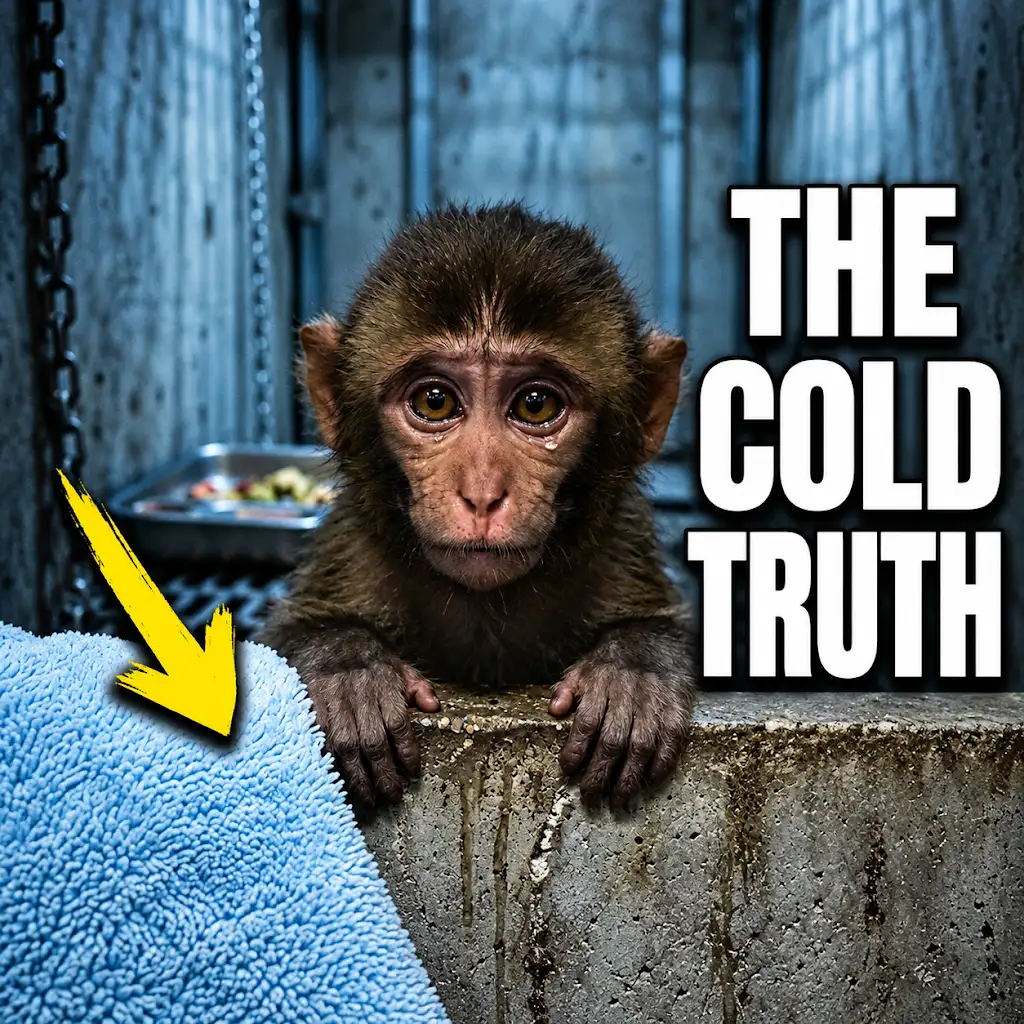
The Dark Reality of the Monkey Comfort Experiment
FAQs
What are emotional needs?
Emotional needs refer to the psychological requirements that individuals have in order to feel happy, fulfilled, and mentally healthy. These needs can include love, belonging, acceptance, and support.
What are physical needs?
Physical needs are the basic requirements for human survival and well-being, such as food, water, shelter, and sleep. These needs are essential for maintaining physical health and functioning.
How do emotional needs differ from physical needs?
Emotional needs are related to psychological well-being and fulfillment, while physical needs are essential for sustaining life and maintaining bodily functions. Emotional needs focus on feelings and relationships, whereas physical needs are more tangible and concrete.
Can emotional needs impact physical health?
Yes, emotional needs can have a significant impact on physical health. Unmet emotional needs can lead to stress, anxiety, depression, and other mental health issues, which in turn can affect physical health and overall well-being.
Which is more important, emotional needs or physical needs?
Both emotional and physical needs are important for overall well-being. While physical needs are essential for survival, emotional needs are crucial for mental health and happiness. It is important to address and balance both types of needs to lead a fulfilling and healthy life.