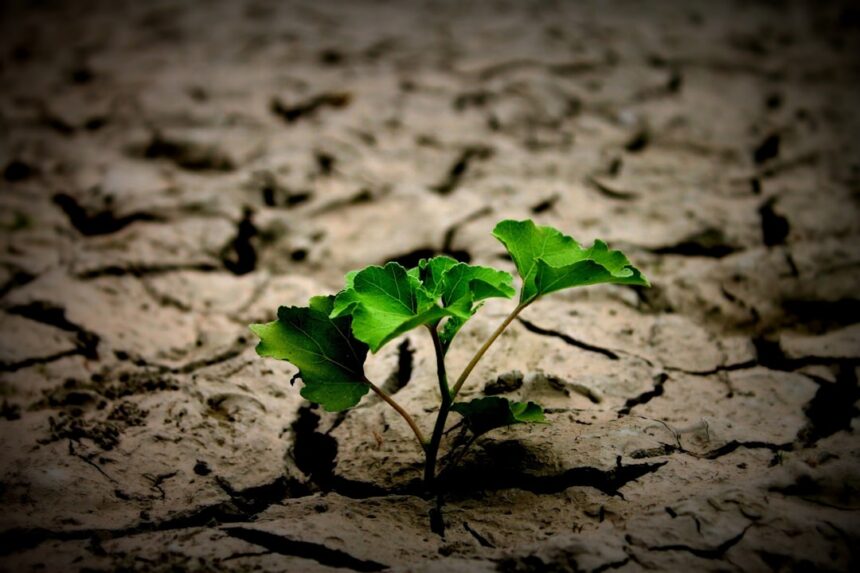
You’ve weathered a storm. It wasn’t a gentle drizzle; it was a tempest that battered your foundations, leaving you feeling exposed, shaken, and profoundly changed. The aftermath of trauma is a landscape often defined by its desolation – the ruins of what was, the lingering echoes of pain. But within this stark terrain, a remarkable phenomenon awaits your discovery: post-traumatic growth. This isn’t about forgetting the past or pretending it never happened. Instead, it’s about embracing a psychological pivot, a reorientation that allows you to emerge from the wreckage not just intact, but with a newfound strength and a deeper appreciation for life.
Trauma, in its myriad forms, is an event or series of events that overwhelm your capacity to cope, leaving you feeling helpless, endangered, and profoundly shaken. It’s a wound that extends beyond the physical, piercing the heart of your psychological equilibrium. Recognizing the nature of this uninvited guest is the crucial first step in understanding the potential for growth that lies dormant within its shadow.
The Biological and Psychological Impact of Trauma
When you experience trauma, your body and mind enter a state of high alert. Your nervous system activates, flooding your system with stress hormones like cortisol and adrenaline. This is a survival mechanism, designed to prepare you for fight or flight. While essential in the moment, prolonged exposure to this heightened state can lead to a cascade of negative effects. You might find yourself experiencing persistent anxiety, intrusive thoughts, flashbacks, difficulty sleeping, and a general sense of detachment or hypervigilance. Emotionally, you might grapple with feelings of anger, sadness, guilt, or shame. These are not signs of weakness; they are the natural consequences of an overwhelming experience.
Differentiating Trauma from Adversity
It’s important to distinguish between everyday adversity and trauma. Adversity involves challenges that are difficult but ultimately manageable within your coping resources. Trauma, conversely, represents an experience that utterly disrupts your sense of safety and the coherence of your reality. The intensity and nature of the event are key differentiators. Understanding this distinction helps you to calibrate your expectations and approach the healing process with appropriate nuance.
The concept of post-traumatic growth highlights the potential for individuals to experience personal development following traumatic events, shifting the focus from mere survival to thriving. For a deeper understanding of this psychological pivot, you can explore a related article that delves into the mechanisms and factors that contribute to this transformative process. To read more about it, visit this insightful article.
The Foundation of Resilience: Building Inner Fortitude
The journey towards post-traumatic growth is built upon the bedrock of resilience. Resilience isn’t an innate trait that some possess and others lack; it’s a dynamic process, a cultivated capacity to bounce back from adversity. It’s about developing the inner fortitude to navigate the storms and emerge stronger on the other side.
Cultivating Self-Compassion in the Face of Pain
Following trauma, you might be prone to self-blame, harsh self-criticism, or a deep sense of inadequacy. Here, cultivating self-compassion becomes paramount. This means treating yourself with the same kindness, understanding, and acceptance you would offer a dear friend who is suffering. It involves acknowledging your pain without judgment, recognizing that suffering is a part of the human experience, and offering yourself genuine support. Self-compassion isn’t about excusing harmful behaviors, but about offering yourself grace as you navigate the difficult terrain of healing.
The Power of Mindfulness and Present Moment Awareness
Trauma can often pull you into the past, replaying distressing events, or into the future, consumed by anxieties. Mindfulness, the practice of paying attention to the present moment without judgment, offers a powerful antidote. By anchoring yourself in the here and now, you can begin to disengage from the overwhelming grip of distressing memories. Simple practices like focusing on your breath, noticing sensory input, or engaging your senses in everyday activities can help you create pockets of calm and regain a sense of control.
Developing a Sense of Agency and Control
Trauma often strips you of your sense of agency and control. You may feel like a victim of circumstance, powerless to influence your life’s trajectory. Reclaiming a sense of agency involves identifying areas, however small, where you can exert influence. This might manifest in making conscious choices about your daily routine, setting personal boundaries, or engaging in activities that align with your values. Gradually, you can rebuild the belief that you are capable of making decisions and shaping your own experiences.
The Cognitive Reframing: Shifting Your Internal Narrative

One of the most profound aspects of post-traumatic growth involves a shift in your cognitive landscape. This is where you begin to reframe your internal narrative, moving away from victimhood towards empowerment and a renewed appreciation for life.
Challenging Negative Thought Patterns
Following trauma, your thoughts can become a breeding ground for negativity. You might engage in catastrophic thinking, a tendency to imagine the worst possible outcomes, or experience rumination, a persistent dwelling on negative thoughts and feelings. Actively challenging these patterns is essential. This involves identifying these thoughts, questioning their validity, and replacing them with more balanced and realistic perspectives. Cognitive Behavioral Therapy (CBT) techniques can be particularly helpful in this regard, equipping you with tools to deconstruct and modify detrimental thought processes.
Finding Meaning and Purpose in the Aftermath
The disintegration of your world following trauma can create a profound sense of meaninglessness. However, it is often within this very void that the seeds of new meaning are sown. You may begin to re-evaluate your priorities, discover strengths you never knew you possessed, or develop a deeper understanding of what truly matters to you. This search for meaning isn’t always a dramatic revelation; it can be a gradual unfolding, a piecing together of what brings value and significance to your existence. This might involve engaging in activities that align with your passions, contributing to causes you care about, or forging deeper connections with others.
The Reappraisal of Life and Personal Strengths
Trauma can act as a harsh but effective catalyst for life reappraisal. You may find yourself reassessing your values, your relationships, and your overall life direction. This process can lead to a profound appreciation for the fragility and preciousness of life. You might also discover latent strengths – resilience, courage, a capacity for empathy – that you never recognized before. Witnessing your ability to survive and navigate hardship can be a potent source of self-discovery and empowerment.
Deepening Connections: The Social Fabric of Healing

While healing is an intensely personal journey, its fabric is woven with the threads of human connection. In the aftermath of trauma, your relationships can either become strained or serve as vital anchors, offering support and a sense of belonging. Nurturing these connections is integral to your post-traumatic growth.
The Role of Social Support in Recovery
Having a robust social support system is crucial for navigating the complexities of trauma recovery. This encompasses individuals who offer emotional validation, practical assistance, and a listening ear, without judgment. Sharing your experiences and feelings with trusted friends, family members, or support groups can alleviate feelings of isolation and foster a sense of shared humanity. You are not alone in your struggles.
Establishing Healthy Boundaries for Self-Preservation
While connection is vital, it is equally important to establish and maintain healthy boundaries. Trauma can sometimes blur the lines of what is acceptable and what is not. Learning to say no, to protect your energy, and to disengage from relationships or situations that are detrimental to your well-being is a sign of self-respect and a crucial component of your healing process. Setting boundaries is not about pushing people away, but about creating a safe and sustainable space for yourself.
The Emergence of Altruism and a Desire to Help Others
For some, post-traumatic growth manifests as a profound shift in perspective that fuels a desire to help others. Having navigated their own difficult journey, they develop a deep empathy and understanding for those who are suffering. This can lead to engaging in volunteer work, advocacy, or simply offering a compassionate ear to those in need. This act of altruism can be incredibly healing, providing a sense of purpose and reinforcing the notion that something positive can emerge from pain.
The concept of post-traumatic growth highlights how individuals can emerge stronger and more resilient after experiencing trauma. This psychological pivot is not just about recovery but also about transformation, as people often find new meaning and purpose in their lives following adversity. For a deeper understanding of this phenomenon, you might find it insightful to explore an article on the topic at Unplugged Psych, where various aspects of psychological resilience and growth are discussed in detail.
The Ongoing Journey: Sustaining Growth and Embracing Life
| Psychological Pivot to Post Traumatic Growth | Metrics |
|---|---|
| Resilience | Increased ability to bounce back from adversity |
| Positive Change | Shift in perspective leading to personal growth |
| Self-Discovery | Exploration of new strengths and capabilities |
| Enhanced Relationships | Improved connections with others |
| New Possibilities | Exploration of new opportunities and goals |
Post-traumatic growth is not a destination; it is an ongoing process. It’s an active choice to continue evolving, to integrate your experiences, and to live a life that is richer and more meaningful as a result of what you have endured. Embracing this ongoing journey ensures that the psychological pivot you’ve made becomes a sustainable way of navigating the world.
Integrating the Trauma Experience into Your Identity
The goal is not to erase the trauma but to integrate it into your life story. This means acknowledging its impact without allowing it to define your entire identity. You are more than your trauma. By understanding how it has shaped you, you can more fully embrace the person you have become, recognizing the resilience and wisdom that have emerged from your challenges.
Cultivating a Renewed Sense of Hope and Optimism
While the path may have been arduous, post-traumatic growth fosters a renewed sense of hope and optimism. This optimism isn’t a naive belief that bad things will never happen again, but a confident expectation that you possess the inner resources to navigate future challenges. You have already demonstrated your capacity for survival and growth. This belief in your own fortitude can fuel a more positive outlook on life.
Living a More Authentic and Purposeful Life
Ultimately, embracing post-traumatic growth allows you to live a more authentic and purposeful life. You are more attuned to your values, less afraid to express your true self, and more determined to live in alignment with what brings you genuine fulfillment. You have the opportunity to build a life not in spite of your trauma, but with a deeper understanding and appreciation for its transformative potential. You have pivoted. You are growing.
FAQs
What is post traumatic growth?
Post traumatic growth refers to the positive psychological changes that can occur in individuals who have experienced a traumatic event. These changes can include a greater appreciation for life, improved relationships, and a stronger sense of personal strength.
What are some common factors that contribute to post traumatic growth?
Some common factors that contribute to post traumatic growth include having a strong support system, finding meaning in the traumatic experience, and engaging in self-reflection and personal growth.
How does post traumatic growth differ from post traumatic stress disorder (PTSD)?
Post traumatic growth focuses on the positive psychological changes that can occur after a traumatic event, while PTSD is a mental health condition that can develop in some individuals after experiencing a traumatic event. While both are related to trauma, they represent different psychological responses.
Can anyone experience post traumatic growth?
Post traumatic growth is a potential outcome for anyone who has experienced a traumatic event. However, not everyone will experience post traumatic growth, as individual responses to trauma can vary.
What are some strategies for fostering post traumatic growth?
Some strategies for fostering post traumatic growth include seeking support from others, engaging in self-care activities, finding meaning in the traumatic experience, and focusing on personal strengths and resilience. Therapy and counseling can also be helpful in facilitating post traumatic growth.