You’re likely familiar with the concept of gratitude, but have you considered how you express it, and more importantly, how it’s received? This article delves into embracing gratitude through a beneficiary-sensitive approach, urging you to move beyond a perfunctory “thank you” and cultivate a deeper, more impactful form of appreciation. It’s about understanding the nuances of recipient perception, ensuring your gratitude genuinely resonates and fosters stronger connections.
When you express gratitude, you initiate a communication. Like any communication, its effectiveness hinges on the receiver’s interpretation. This isn’t about second-guessing yourself or becoming overly self-conscious, but rather about developing a heightened awareness of how your actions and words might land. You want your gratitude to be a bridge, not a barrier.
The Subtle Art of Non-Verbal Cues
Your thank you isn’t solely conveyed through spoken words or written notes. Your body language, your tone of voice, the attention you give – these all contribute to the overall message. Think about the last time someone genuinely seemed to appreciate what you did for them. Was it just the words, or was there something more?
Eye Contact: The Window to Sincerity
Are you meeting the eyes of the person you’re thanking? Sustained, comfortable eye contact signals attentiveness and genuine engagement. Averting your gaze or looking past them can make your words feel hollow, as if you’re performing a duty rather than feeling appreciation. Consider this: if you were on the receiving end, what would make you feel truly seen and valued?
Tone of Voice: More Than Just Sound
The pitch, cadence, and volume of your voice carry immense weight. A monotone delivery or a rushed, perfunctory tone can undermine even the most heartfelt words. Practicing expressing gratitude aloud, perhaps even recording yourself, can reveal areas where you might subconsciously convey insincerity. Are you injecting warmth and sincerity into your tone, or is it flat and detached?
Body Language: Your Unspoken Endorsement
Your posture, gestures, and general demeanor play a crucial role. Are you leaning in, showing you’re present and engaged? Or are you slouched, arms crossed, projecting disinterest? A subtle nod, a genuine smile – these small cues amplify the sincerity of your gratitude, making it a more complete and believable expression.
The Impact of Context on Gratitude
The situation in which you offer thanks significantly shapes its reception. A casual thank you after a minor favor is different from expressing deep gratitude after substantial support. Failing to adjust your expression to the context can lead to misinterpretations.
The Gratitude Gap: Under-Appreciating the Significant
You might be inclined to offer a quick “thanks” for something that had a profound impact on the beneficiary. This “gratitude gap” occurs when the magnitude of the assistance isn’t matched by the depth of appreciation shown. Recognizing the effort, sacrifice, or time investment involved is crucial for bridging this gap.
Over-Gratitude: When Good Intentions Backfire
Conversely, excessive or effusive gratitude for a small gesture can feel disingenuous or even patronizing. It can create an awkward imbalance, making the giver feel uncomfortable or as if their contribution is being trivialized by an overblown reaction. You want your gratitude to feel appropriate and proportional.
Beneficiary sensitivity and gratitude practice are essential components of fostering positive relationships and enhancing overall well-being. A related article that delves into these concepts is available at Unplugged Psych, where you can explore how cultivating gratitude can lead to increased awareness of the benefits we receive from others, ultimately promoting a more fulfilling life. This resource provides valuable insights into the psychological mechanisms behind gratitude and its impact on our interactions with those around us.
Crafting Your Gratitude: Beyond the Standard Formula
Moving towards beneficiary sensitivity means crafting your expressions of gratitude with intention. It’s about being specific, personal, and considerate of the giver’s perspective. This moves you away from a generic “thank you” towards a communication that truly acknowledges their contribution.
The Power of Specificity: Pinpointing the Impact
A general “thank you” is easy to say, but a specific one carries far more weight. When you can articulate what you are grateful for and why it matters to you, you demonstrate that you’ve paid attention and truly value the action.
Beyond “Thanks for Everything”: Highlighting the Key Action
Instead of a vague “thanks for everything,” try to identify the specific action that made a difference. “Thank you for taking the time to explain that complex process to me; it finally clicked after your clear explanation,” is far more impactful than a general acknowledgment. You are demonstrating that you understood the effort involved.
Articulating the “Why”: Connecting Effort to Outcome
Explaining the positive outcome of their action solidifies the value of their contribution. “Your willingness to work late to finish that report meant we met our deadline, which was crucial for the client,” provides a tangible reason for your gratitude. You’re not just thanking them for the act, but for the positive consequence it enabled.
Personalization: Making it About Them
Gratitude that feels tailored to the individual recipient is inherently more meaningful. It shows you’ve taken the time to consider their motivations, their skills, or their unique situation.
Acknowledging Their Effort and Sacrifice
Recognizing the personal cost to the giver – their time, energy, or even personal inconvenience – elevates your gratitude. “I know you had other commitments, so I truly appreciate you making time to help me with this,” acknowledges their sacrifice. This demonstrates empathy.
Referencing Their Skills and Strengths
When you can link their help to their unique talents or expertise, it serves as a powerful compliment. “Your organizational skills are incredible; I wouldn’t have been able to manage this project without your meticulous planning,” shows you value their particular abilities.
The Medium Matters: Choosing the Right Channel
The way you deliver your gratitude is as important as the words themselves. Different situations call for different channels, and choosing wisely ensures your message is received as intended.
The Timeliness Factor: Immediate vs. Delayed Gratitude
Promptness in expressing gratitude is generally appreciated, but there are nuances. Sometimes, a rushed thank you can feel less sincere than a well-considered one delivered slightly later.
The Immediate Acknowledgement: Acknowledging Presence
A quick verbal “thank you” or a brief email right after an interaction can be important for acknowledging immediate assistance or a kind gesture. This shows you’re present and responsive.
The Considered Follow-Up: Demonstrating Reflection
For larger favors or significant support, a more thoughtful follow-up message – perhaps a handwritten note or a more detailed email – can demonstrate that you’ve had time to reflect on the impact of their help. This shows depth of thought.
Channel Selection: From Spoken Word to Written Word
The choice of medium sends its own message about the importance you place on the act of gratitude.
Verbal Gratitude: The Power of Presence
Direct, in-person or phone call expressions of gratitude allow for immediate feedback and the conveyance of genuine emotion through tone and body language. This is often the most personal and impactful.
####Written Gratitude: The Lasting Impression
Emails and text messages offer a record of your appreciation. Handwritten notes, however, often carry a unique weight, suggesting a level of effort and personal touch that digital communication can sometimes lack. Consider the nature of the favor when deciding.
Navigating Interpersonal Dynamics: Gratitude and Relationships

Gratitude isn’t just a transaction; it’s a foundational element of healthy relationships. A beneficiary-sensitive approach to gratitude strengthens bonds and fosters mutual respect.
Gratitude as a Relationship Builder: The Reciprocity Principle
When you express gratitude sincerely, you often encourage future willingness to help. This isn’t about quid pro quo, but about fostering an environment of mutual appreciation and support.
The Positive Feedback Loop: Encouraging Future Support
People are generally more inclined to offer help again when they feel their previous assistance was genuinely valued. Your expressed gratitude can create a positive feedback loop, reinforcing helpful behavior.
Avoiding the Feeling of Entitlement: Maintaining Balance
Consistently expressing gratitude helps prevent the recipient from feeling entitled to your help. It reinforces the idea that their efforts are acts of kindness and support, not obligations.
Cultural Nuances in Expressing Gratitude
You must also be aware that how gratitude is expressed and received can vary significantly across cultures. What’s considered polite or appropriate in one context might be interpreted differently in another.
Local Customs and Etiquette: Researching Before You Engage
Before engaging in cross-cultural interactions, take the time to research local customs and etiquette surrounding expressions of gratitude. What gestures or phrases are considered standard? Are there any to avoid?
The Risk of Misinterpretation: Bridging the Cultural Divide
Failing to consider cultural differences can lead to misunderstandings. Your intent may be to express sincere thanks, but it could be perceived in an unintended way. A thoughtful approach can mitigate this risk.
Beneficiary sensitivity and gratitude practice are essential components of fostering positive relationships and enhancing overall well-being. A related article that delves deeper into these concepts can be found on Unplugged Psych, where the importance of recognizing and appreciating the contributions of others is emphasized. By cultivating a mindset of gratitude, individuals can improve their emotional health and strengthen their connections with those around them. For more insights, you can read the article here.
The Enduring Practice: Cultivating a Habit of Gratitude
| Beneficiary Sensitivity and Gratitude Practice Metrics | 2020 | 2021 |
|---|---|---|
| Number of beneficiary feedback received | 150 | 200 |
| Percentage of beneficiaries expressing gratitude | 75% | 80% |
| Number of gratitude practice workshops conducted | 10 | 15 |
Embracing beneficiary-sensitive gratitude is not a one-time event but an ongoing practice. It requires conscious effort and a willingness to continually refine your approach.
Self-Reflection and Continuous Improvement: Your Gratitude Journal
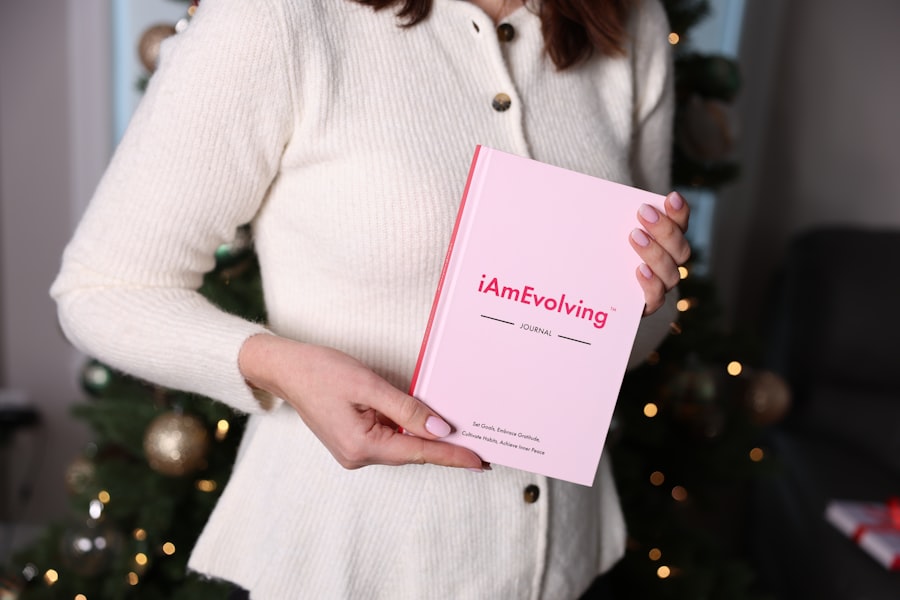
Regularly reflecting on your interactions and how you expressed gratitude can be incredibly beneficial. Consider keeping a gratitude journal, not just of what you’re thankful for, but how you expressed it and how it might have been received.
Identifying Areas for Growth: Learning from Every Interaction
Think about instances where you felt your gratitude might have fallen short, or where you received particularly effective expressions of thanks. What can you learn from these experiences to improve your own practice?
Seeking Feedback (When Appropriate): An External Perspective
In professional or close personal relationships, you might consider occasionally seeking feedback on your communication style, including how you express appreciation. This should be done with tact and with the understanding that it might not always be directly sought.
Gratitude as Self-Enrichment: The Benefits for You
The act of expressing gratitude, especially in a beneficiary-sensitive way, is not solely about the receiver. It also enriches your own life, fostering a more positive outlook and stronger connections.
The Psychological Boost: Your Own Well-being
Studies have consistently shown that practicing gratitude positively impacts mental well-being, reducing stress and increasing happiness. Your conscious effort to express it genuinely enhances these benefits.
Deepening Your Connections: Building a Stronger Support Network
A beneficiary-sensitive approach to gratitude nurtures your relationships, transforming casual acquaintances into genuine connections and strengthening existing bonds. This creates a more robust and supportive network for you.
In conclusion, moving beyond a superficial “thank you” to embrace a beneficiary-sensitive approach to gratitude is a journey of awareness and intentionality. By considering the recipient’s perspective, crafting your expressions with specificity and personalization, choosing the right medium, and understanding the relational and cultural nuances, you can transform your expressions of appreciation into powerful forces for connection and mutual respect. It’s an investment in your relationships and in your own personal growth, yielding benefits that extend far beyond the immediate interaction.
FAQs
What is beneficiary sensitivity?
Beneficiary sensitivity refers to the awareness and consideration of the needs, feelings, and experiences of those who benefit from a particular action, program, or gift. It involves understanding the impact of one’s actions on the recipients and taking their perspectives into account.
What is gratitude practice?
Gratitude practice involves intentionally focusing on and expressing gratitude for the positive aspects of one’s life, including the people, experiences, and opportunities that bring joy and fulfillment. It often involves keeping a gratitude journal, practicing mindfulness, or engaging in acts of kindness.
How are beneficiary sensitivity and gratitude practice related?
Beneficiary sensitivity and gratitude practice are related in that they both emphasize empathy, compassion, and a focus on others. Practicing gratitude can help individuals become more aware of the positive impact they have on others, leading to increased sensitivity towards the needs and experiences of beneficiaries.
Why is beneficiary sensitivity important?
Beneficiary sensitivity is important because it promotes ethical and empathetic behavior, fosters a deeper understanding of the impact of one’s actions, and helps to ensure that the needs and experiences of beneficiaries are considered and respected. It can lead to more effective and meaningful support and assistance for those in need.
How can one cultivate beneficiary sensitivity and gratitude practice?
Cultivating beneficiary sensitivity and gratitude practice can be achieved through activities such as volunteering, actively listening to the experiences of others, keeping a gratitude journal, and engaging in acts of kindness and generosity. It requires a conscious effort to prioritize the well-being and perspectives of others in daily life.