
You stand at a precipice, the familiar landscape of your life stretching out behind you, a tapestry woven with habits, relationships, and ambitions. Ahead lies the unknown, a nebulous expanse that whispers of transformation. The instinct to cling to the known, to resist the subtle, or sometimes seismic, shifts that life inevitably brings, is a powerful one. You might feel a pang of anxiety, a whisper of self-doubt, when you notice the threads of connection fraying, when the old ways no longer fit. This is often interpreted as a sign of failure, a personal shortcoming. But what if you reframed this perception? What if losing touch, in its many forms, isn’t a defeat, but a necessary, even beautiful, part of growth?
The Unfolding Tapestry of Your Life
Your life is not a static painting, but a dynamic mural constantly being repainted. Each stroke, each adjustment, signifies evolution. You learn, you experience, you change. And as you change, so do your needs, your priorities, and your connections. This natural evolution means that not every relationship, not every habit, not every pursuit will remain a constant fixture. It’s a universal truth that navigating these transitions can feel disorienting, even painful, but it’s crucial to understand that this disconnections are not inherently negative.
Recognizing the Subtle Shifts
You might not always be aware of the gradual drift. It can be as subtle as a missed phone call that becomes a missed weekly chat, or a shared hobby that fades into separate interests. Perhaps you’ve outgrown a particular social circle, or a professional path that once ignited your passion now feels stifling. These are not signs that you’ve done something wrong, but indicators that your internal compass is recalibrating. The key is to acknowledge these shifts without judgment. Instead of asking “Why am I failing to keep up?”, consider “What is this change telling me about my current needs and desires?”
The Illusion of Permanent Connection
We often foster an illusion of permanent connection, expecting relationships and affiliations to remain as they were when they first formed. This expectation sets us up for disappointment. People grow, circumstances change, and sometimes, the energetic alignment that once existed simply dissipates. This doesn’t diminish the value of what was, but acknowledges that all things are in flux. Embracing this fluidity allows you to appreciate the past without being tethered to it, making space for new experiences and connections that are more aligned with your present self.
Losing touch with friends or family can often feel like a personal failure, but it’s important to recognize that life’s circumstances can lead to natural shifts in relationships. An insightful article on this topic can be found at Unplugged Psych, which discusses how these changes are a normal part of life and do not define our worth or success. Embracing the ebb and flow of connections can ultimately lead to personal growth and new opportunities.
The Evolving Self: A Constant Becoming

The most significant change you will ever navigate is your own. You are not the same person you were five years ago, or even five months ago. You are a product of your experiences, your learning, and your internal evolution. Embracing this continuous becoming is the cornerstone of a fulfilling life, and it inevitably involves shedding old skins.
Shedding Old Skins and Embracing New Ones
Think of a snake shedding its skin. It’s not a sign of weakness; it’s a vital process of growth. As you learn and grow, certain beliefs, perspectives, and even identities that once served you may no longer be relevant. This can manifest as drifting away from friends who hold rigidly to old ways of thinking, or re-evaluating career paths that no longer align with your evolving values. This shedding is essential for making space for new insights and for a more authentic expression of who you are becoming. It’s about recognizing that your past self, while important, is not your current or future self.
The Comfort of the Familiar vs. the Thrill of the New
It’s human nature to seek comfort in the familiar. The well-trodden paths of your relationships and routines offer a sense of security. However, true growth often lies beyond the boundaries of comfort. When you find yourself outgrowing old connections or familiar environments, it can be tempting to force yourself to stay, to avoid the discomfort of the unknown. But resisting this pull can stifle your development. Embracing the thrill of the new, even if it means letting go of some familiar anchors, is a courageous act that propels you forward.
Redefining Success Beyond Constant Engagement
You might have been conditioned to believe that success in relationships or endeavors is measured by constant engagement and unwavering presence. However, a more nuanced definition of success acknowledges the natural ebb and flow of life. Success can mean knowing when to let go, when to prioritize your own evolution, and when to embrace new directions, even if they lead you away from people or pursuits that were once central. True success lies in your ability to adapt and thrive through these transformations.
Navigating the Landscape of Lost Connections
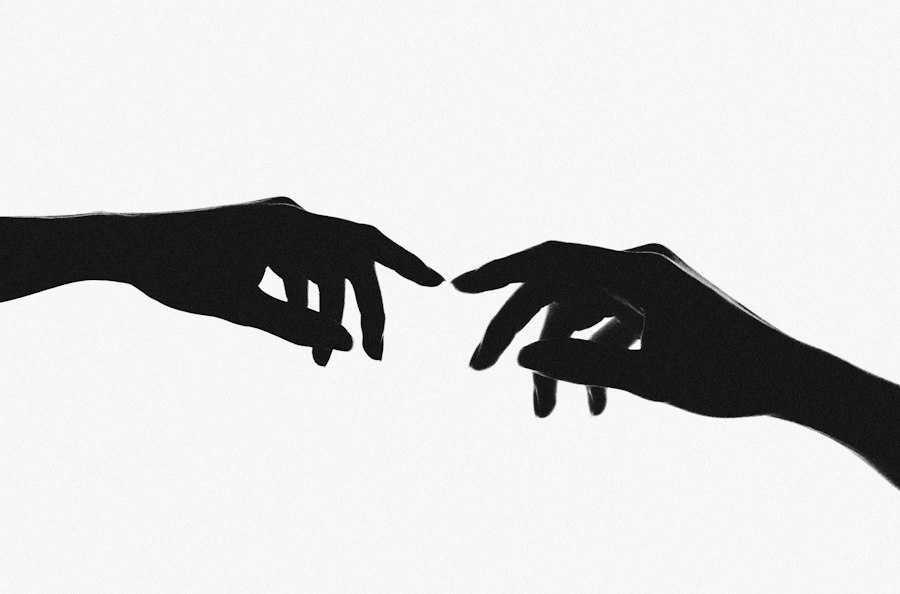
The feeling of losing touch can be accompanied by guilt or a sense of loss. It’s important to acknowledge these emotions, but not to let them paralyze you. These “lost connections” are not necessarily failures, but rather a reflection of your journey.
The Gentle Art of Letting Go
Letting go doesn’t have to be a dramatic severing. Often, it’s a gradual fading, a natural consequence of differing paths. You can practice the gentle art of letting go by acknowledging that certain relationships have served their purpose for this stage of your life. This doesn’t negate the value of the memories or the lessons learned. It simply means recognizing that your energetic needs have shifted. It’s about releasing the expectation of what should be, and accepting what is.
When Divergent Paths Become Irreconcilable
There will be times when your paths diverge so significantly that maintaining a close connection becomes challenging, if not impossible. This can be due to fundamental differences in values, life goals, or even simply the sheer logistical demands of maintaining a relationship across vast distances and differing priorities. This doesn’t make anyone wrong. It simply means that the fertile ground for a particular connection is no longer present. Embracing this reality allows you to move forward without unnecessary strain or resentment.
The Power of Revisiting and Reconnecting
Losing touch doesn’t always mean permanent severance. Life is a winding road, and paths can intersect again. Sometimes, a period of separation allows for individual growth, making a future reconnection even richer. The key is to be open to the possibility, without clinging to the past. If you encounter an old friend or acquaintance, approach them with curiosity and kindness, acknowledging the time that has passed without dwelling on the perceived “loss.” The beauty of human connection is its resilience, and its ability to adapt to new circumstances.
Embracing the Evolution of Your Interests and Passions
Your passions and interests are not static entities; they are living, breathing parts of your identity that evolve with you. What once consumed your attention may fade, replaced by new fascinations that propel you forward. This shift is not a betrayal of your former self, but an indicator of your expanding horizons.
The Natural Ebbs and Flows of Enthusiasm
You’ve likely experienced periods of intense enthusiasm for certain hobbies or activities. You poured your energy into them, finding joy and fulfillment. Then, gradually, the intensity wanes. This is a natural phenomenon. Your brain craves novelty, and your life circumstances shift. To feel like a failure because your passion for knitting has waned, for example, is to misunderstand the dynamic nature of human engagement. These ebbs and flows are signals, not indictments.
Discovering New Avenues of Fulfillment
When old interests fade, it’s an invitation to explore new avenues of fulfillment. This might mean picking up a new instrument, delving into a different genre of literature, or exploring a previously unconsidered career path. These new explorations might lead you away from people who were once your companions in your former pursuits. This is a natural consequence of growth, not a sign of failure. It’s an expansion of your world, not a contraction.
The Joy of Shared Evolution
While some connections may fade, new ones will emerge, often born from shared new interests. You might find yourself forging deeper bonds with people who are embarking on similar journeys of discovery. This is the reciprocal beauty of growth: as you evolve, you attract others who are also evolving, creating vibrant new communities and connections. These new relationships, built on current resonance, can be incredibly fulfilling and supportive.
Losing touch with friends or family can often feel like a personal failure, but it is important to recognize that life changes and circumstances can lead to these shifts in relationships. An insightful article discusses how these experiences are a natural part of life and do not define our worth or success. Understanding that connections can ebb and flow helps us to navigate our emotional landscape more effectively. For more on this topic, you can read the article here. Embracing the idea that losing touch is not synonymous with failure can bring a sense of peace and acceptance.
A New Perspective: Growth as the Ultimate Success
| Aspect | Explanation | Metric/Indicator | Insight |
|---|---|---|---|
| Personal Growth | Losing touch can indicate evolving priorities and personal development. | Percentage of people reporting changed interests over 5 years: 68% | Change in relationships often reflects positive self-growth rather than failure. |
| Life Circumstances | Different life paths (jobs, locations, family) affect contact frequency. | Average relocation rate in adults per decade: 40% | Physical distance and life changes naturally reduce contact without implying failure. |
| Quality vs Quantity | Maintaining fewer but meaningful connections is more valuable than many superficial ones. | Reported satisfaction with close friendships vs acquaintances: 85% vs 30% | Fewer connections can still provide strong emotional support and fulfillment. |
| Communication Preferences | Changes in communication styles and platforms can affect perceived contact. | Percentage shift from phone calls to messaging apps in 10 years: 75% | Loss of traditional contact does not equal loss of relationship quality. |
| Emotional Independence | Learning to be emotionally self-sufficient reduces dependency on constant contact. | Increase in self-reported emotional independence over 10 years: 50% | Reduced contact can reflect healthy boundaries, not failure. |
Ultimately, embracing change and navigating the inevitable loss of touch is not about failure, but about profound success. It’s about the success of growth, of adaptation, and of becoming a more authentic, resilient, and fulfilled version of yourself.
Redefining ‘Success’ in Personal Development
Your personal development is not a linear path with a fixed destination. It’s a continuous journey of becoming. Success in this context isn’t measured by holding onto every connection or every habit indefinitely. Instead, it’s measured by your willingness to adapt, to learn, and to allow yourself to evolve. Losing touch with certain aspects of your past is often a necessary step in embracing your future.
The Courage to Be Present in Your Current Reality
The courage to be present in your current reality, even when it looks different from the past, is a testament to your strength. It requires acknowledging where you are now, what you need now, and making choices that align with that present truth. This may mean letting go of expectations or obligations that no longer serve you, and embracing the possibilities that lie ahead.
The Ongoing Narrative of Your Becoming
Your life is an ongoing narrative, and each chapter brings new characters, new settings, and new plotlines. Not every character from Chapter One will be present in Chapter Ten, and that’s perfectly okay. The beauty of your story lies in its evolution, its ability to surprise you, and its continuous unfolding. Embracing the changes, and the resulting shifts in your connections, is not a failure to maintain the past, but a profound success in writing the next, most vibrant chapter of your becoming. You are not failing when you lose touch; you are succeeding at becoming.

Why “Any Plans This Weekend?” Feels So Hard to Answer
FAQs
1. What does losing touch with someone mean?
Losing touch with someone means that communication or contact with that person has significantly decreased or stopped altogether over a period of time.
2. Does losing touch with someone mean you have failed in the relationship?
No, losing touch with someone does not necessarily mean you have failed in the relationship. Relationships can evolve and change over time due to various reasons such as distance, busy schedules, or different life priorities.
3. Is it common for people to lose touch with friends or acquaintances?
Yes, it is common for people to lose touch with friends or acquaintances as life circumstances change. People may move to different locations, change jobs, or have different priorities that can lead to a natural drift in relationships.
4. How can losing touch with someone be viewed in a positive light?
Losing touch with someone can be viewed as a natural part of life where people grow and evolve in different directions. It can also provide an opportunity to focus on current relationships and personal growth.
5. What are some ways to reconnect with someone after losing touch?
To reconnect with someone after losing touch, you can reach out through social media, send a message or email, or plan to meet up in person if possible. It’s important to approach the situation with an open mind and understanding that both parties may have changed since the last contact.