
Effective communication of psychological research is paramount, not merely for the dissemination of knowledge within the academic sphere, but for its potential to shape public understanding, inform policy, and ultimately, improve lives. The intricate findings of psychological studies, often complex and nuanced, require careful translation to reach diverse audiences beyond the confines of scholarly journals. Without effective strategies, groundbreaking discoveries can remain obscure, failing to achieve their intended impact. This article explores key approaches to ensuring that psychological research resonates, engages, and informs, fostering a greater appreciation for the field and its contributions.
Understanding Your Audience and Their Needs
The foundational principle of any effective communication strategy lies in a deep understanding of the intended recipient. Psychology research, with its broad scope, can appeal to a multitude of groups, each with distinct motivations for seeking information and varying levels of prior knowledge. Failing to tailor communication to these audiences can lead to confusion, disinterest, or even misinterpretation. Therefore, a deliberate and thoughtful approach to audience analysis is not just beneficial, but essential for impactful research sharing.
Identifying Key Stakeholder Groups
The “audience” for psychological research is rarely monolithic. It encompasses academics within the field, researchers in adjacent disciplines, policymakers, practitioners in fields like education, healthcare, and social services, journalists and media professionals, students, and the general public. Each of these groups possesses unique needs and expectations. Academics, for instance, are primarily interested in methodological rigor, theoretical advancements, and the contribution to existing literature. Policymakers, on the other hand, seek evidence-based solutions to societal problems, often requiring concise summaries and actionable recommendations. Practitioners require practical applications and insights that can be directly integrated into their work. Journalists look for compelling narratives, human interest angles, and clear, understandable explanations. Students need resources that aid their learning and understanding of core psychological concepts. The general public, while diverse, often seeks to understand themselves and others better, or to find solutions to personal challenges. Recognizing these distinct groups allows for the strategic development of targeted communication materials.
Tailoring Language and Complexity
The language used in academic publications is often steeped in jargon and technical terminology that can be impenetrable to non-experts. Effective communication demands a conscious effort to translate these complex concepts into accessible language. This does not imply oversimplification to the point of inaccuracy, but rather the use of analogies, relatable examples, and clear, concise phrasing. For instance, explaining concepts like cognitive dissonance or the bystander effect requires framing them within everyday scenarios that resonate with common human experiences. The level of detail and theoretical depth should also be adjusted. While a peer-reviewed journal article might delve into intricate statistical analyses, a blog post for the general public might focus on the core findings and their implications, omitting the granular methodological details. This tailoring ensures that the information is not only understood but also appreciated and retained by the intended audience.
Addressing Specific Information Needs
Different audiences will have different questions and require different types of information. Policymakers may need data on the prevalence of a mental health issue and the cost-effectiveness of various interventions. Educators might be interested in research on learning strategies or child development. The public might be seeking advice on managing stress or improving relationships. Proactively identifying these specific needs and designing communication accordingly maximizes the relevance and utility of the research. This might involve creating different formats of dissemination, such as policy briefs, infographics, webinars, or Q&A sessions, each designed to address the particular information requirements of a given audience. By anticipating these needs, researchers can ensure their work provides valuable and actionable insights, fostering genuine engagement and impact.
In the realm of psychology research communication, the article titled “Effective Strategies for Communicating Psychological Research” provides valuable insights into how researchers can enhance the dissemination of their findings to a broader audience. This resource emphasizes the importance of clarity and accessibility in presenting complex psychological concepts, making it an essential read for both academics and practitioners. For more information, you can explore the article here: Effective Strategies for Communicating Psychological Research.
Crafting Compelling Narratives and Engaging Content
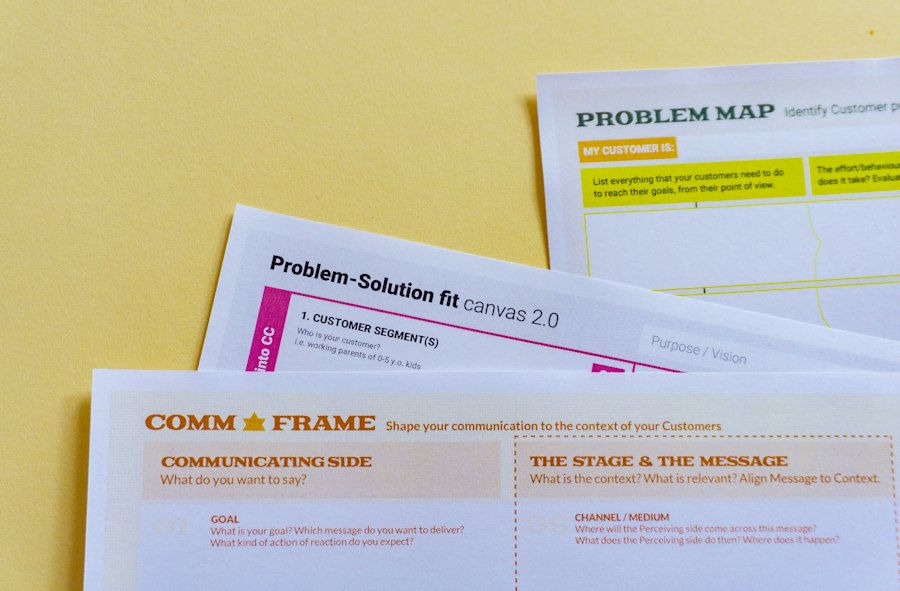
Psychological research, at its core, is about understanding the human experience. This inherent connection to lived reality offers a powerful avenue for engaging communication. Moving beyond dry data and statistical reports, researchers can leverage the principles of storytelling and engaging content creation to make their findings more accessible, memorable, and impactful. This approach not only captures attention but also fosters a deeper emotional and intellectual connection with the research.
The Power of Storytelling in Research Dissemination
Stories have a unique ability to capture our imagination and make information relatable. Psychological research, which often explores human motivations, behaviors, and emotions, is fertile ground for narrative. Instead of simply stating a finding, researchers can frame it within a compelling anecdote or case study that illustrates the phenomenon. For example, research on the impact of early childhood trauma could be presented through the story of an individual who overcame adversity, highlighting the resilience and therapeutic interventions that played a role. This narrative approach makes the abstract concrete, allowing audiences to empathize with the subjects of the research and understand its real-world significance. Effective storytelling involves identifying the core message, developing engaging characters (even if anonymized participants), establishing a clear conflict or problem, and presenting a resolution or insight. This can be achieved through written accounts, video testimonials, or even fictionalized scenarios that accurately represent the research findings.
Visualizing Data for Enhanced Understanding
The human brain is highly adept at processing visual information. Presenting complex data and statistical findings through compelling visualizations can dramatically improve comprehension and retention. Infographics, charts, graphs, and even short animated videos can transform dense tables of numbers into easily digestible and engaging formats. For instance, a study on the effectiveness of a new therapy could be visualized with a graph showing improvement rates over time, alongside icons representing key therapeutic interventions. Color, layout, and the strategic use of icons can all contribute to a more intuitive and memorable understanding of the research. When designing visualizations, it is crucial to ensure clarity, accuracy, and relevance to the core message. Overly complex or misleading visuals can be detrimental. The goal is to simplify without sacrificing the integrity of the findings, making the data accessible to a broader audience.
Leveraging Multimedia Platforms for Wider Reach
In today’s digital landscape, researchers are no longer limited to traditional academic publications. A plethora of multimedia platforms offer opportunities to share research with a wider and more diverse audience. Podcasts offer an intimate and conversational way to discuss findings, allowing for in-depth exploration of research questions and methods. Social media platforms, when used strategically, can be powerful tools for disseminating research summaries, engaging in discussions, and driving traffic to more detailed resources. Short, engaging videos explaining key concepts or presenting research highlights can be shared on platforms like YouTube or TikTok. Webinars and online workshops provide interactive platforms for sharing research and engaging directly with practitioners, policymakers, and the public. The key is to select platforms that align with the target audience and to adapt the content and presentation style accordingly, ensuring the message remains clear and impactful across different mediums.
Building Bridges: Collaboration and Interdisciplinary Engagement

The most impactful psychological research often emerges from, and contributes to, a broader ecosystem of knowledge. Effective communication strategies must therefore extend beyond simply disseminating findings to actively fostering collaboration and interdisciplinary engagement. By building bridges with other fields and actively seeking opportunities for dialogue, psychological research can gain new perspectives, reach new audiences, and contribute to more holistic solutions to complex problems.
Partnering with Practitioners and Policymakers
Psychological research holds immense potential to inform practice and policy. However, this potential is often unrealized due to a disconnect between researchers and those who can implement their findings. Proactive partnerships with practitioners in fields such as education, healthcare, social work, and mental health services can ensure that research is relevant, timely, and addresses real-world needs. This might involve co-designing research projects, providing workshops and training on research findings, or participating in advisory committees. Similarly, engaging with policymakers is crucial for translating research into evidence-based legislation and programs. This requires developing concise and accessible policy briefs, participating in public consultations, and building relationships with elected officials and their staff. These collaborations ensure that the research has a tangible impact beyond academic circles, contributing to positive societal change.
Engaging with Media for Public Awareness
The media serves as a crucial conduit for disseminating research to the general public. However, researchers must approach media engagement strategically to ensure accurate and impactful reporting. This involves developing clear and concise press releases that highlight the most significant findings and their implications. Building relationships with journalists who cover science and psychology can facilitate more nuanced and informed reporting. Researchers should be prepared to be interviewed, to explain their work in accessible language, and to provide context and answer questions. Understanding the news cycle and the demands of media professionals is also important. By actively engaging with the media, researchers can significantly amplify the reach and impact of their work, fostering greater public understanding and appreciation for psychological science.
Fostering Interdisciplinary Dialogue and Knowledge Sharing
Many of the most pressing societal challenges, from climate change to public health crises, require interdisciplinary solutions. Psychological research, with its focus on human behavior, cognition, and emotion, can offer vital insights into these complex issues. Actively seeking out opportunities for interdisciplinary dialogue is therefore essential. This can involve presenting research at conferences in related fields, co-authoring publications with researchers from other disciplines, or participating in cross-disciplinary research initiatives. By engaging in dialogue, researchers can gain new perspectives, identify novel research questions, and contribute to a more comprehensive understanding of complex problems. This collaborative approach not only enriches the research itself but also ensures that psychological science plays a more integral role in addressing the multifaceted challenges facing society.
Evaluating and Adapting Communication Strategies
Effective communication is not a static endeavor; it is an ongoing process of learning, adaptation, and refinement. To maximize the impact of psychological research, researchers must regularly evaluate the effectiveness of their communication strategies and be willing to adapt them based on feedback and evolving needs. This iterative approach ensures that communication efforts remain relevant, engaging, and ultimately, successful.
Gathering Feedback on Communication Efforts
A critical component of evaluating communication effectiveness is actively seeking feedback from the intended audiences. This can be done through various methods. Surveys can be administered to gauge understanding, interest, and perceived usefulness of disseminated research. Focus groups can provide deeper qualitative insights into audience perceptions and suggestions for improvement. Monitoring engagement metrics on digital platforms, such as website traffic, social media shares, and video views, can offer quantitative data on reach and resonance. Directly engaging with audiences through Q&A sessions, online forums, or email correspondence can also yield valuable feedback. By systematically gathering this input, researchers can identify what is working well and what areas require adjustment.
Measuring Impact and Dissemination Reach
Beyond simply understanding comprehension, it is important to measure the actual impact of communication efforts. This can involve tracking citations of research in policy documents or practitioner guidelines, the number of media outlets that have covered the research, or anecdotal evidence of how the research has influenced public discourse or individual behavior. For research aimed at public health or social change, metrics related to behavioral shifts or improvements in well-being, while more challenging to attribute directly to communication, can be considered long-term indicators of impact. Establishing clear objectives for communication campaigns at the outset can help in defining relevant impact metrics. The goal is to move beyond simply sharing information to demonstrating that the information is being received, understood, and applied.
Iterative Improvement and Future Planning
The insights gained from feedback and impact measurement should inform future communication strategies. This iterative process of evaluation and adaptation is crucial for continuous improvement. If a particular communication channel or format proves to be ineffective, researchers should be willing to re-evaluate their approach and explore alternative methods. For example, if blog posts are not generating significant engagement, perhaps a shift to short video explanations or an interactive webinar would be more successful. Similarly, if audiences are consistently misunderstanding a key concept, the language or framing used in future communications needs to be revised. By embracing a philosophy of iterative improvement, researchers can ensure that their communication efforts become increasingly sophisticated, targeted, and impactful over time, maximizing the potential for their psychological research to contribute positively to society.
Effective communication in psychology research is crucial for disseminating findings and fostering collaboration among professionals. A related article that explores this topic in depth can be found on Unplugged Psychology, which discusses innovative strategies for improving the clarity and impact of research communication. For more insights, you can read the article here. This resource provides valuable tips for researchers looking to enhance their ability to share complex ideas with diverse audiences.
Ethical Considerations in Research Communication
| Metric | Description | Typical Value/Range | Importance in Psychology Research Communication |
|---|---|---|---|
| Publication Impact Factor | Average number of citations to articles published in a journal | 1.5 – 10+ | Indicates the influence and reach of research findings |
| Open Access Percentage | Proportion of psychology research articles freely accessible | 30% – 60% | Enhances accessibility and dissemination of research |
| Average Time to Publication | Duration from manuscript submission to publication | 3 – 12 months | Affects timely communication of research findings |
| Social Media Mentions | Number of times research is shared or discussed on platforms | Varies widely (0 – 1000+ mentions) | Reflects public engagement and broader impact |
| Conference Presentation Rate | Percentage of research communicated via conferences | 40% – 70% | Facilitates peer feedback and networking |
| Replication Rate | Proportion of studies successfully replicated | 30% – 50% | Ensures reliability and validity of communicated findings |
| Lay Summary Availability | Percentage of articles with accessible summaries for non-experts | 10% – 25% | Improves public understanding and knowledge translation |
The dissemination of psychological research, while aiming for broad impact, must always be grounded in ethical principles. The responsible and transparent sharing of findings is paramount to maintaining public trust, protecting participant confidentiality, and ensuring the integrity of the scientific process. Neglecting ethical considerations can have serious repercussions, undermining the credibility of individual researchers and the field as a whole.
Maintaining Accuracy and Avoiding Misrepresentation
The translation of complex psychological findings into accessible language carries an inherent risk of oversimplification or misrepresentation. Researchers have an ethical obligation to ensure that their communication, regardless of the audience or medium, remains accurate and faithful to the original research. This means avoiding sensationalism, refraining from making causal claims that are not supported by the data, and clearly delineating the limitations of the research. When communicating with the public or through media, it is crucial to resist the temptation to present findings as definitive or universally applicable if the research has specific parameters or a limited scope. Clearly stating the boundaries of the findings builds trust and prevents the perpetuation of misinformation.
Protecting Participant Confidentiality and Anonymity
When sharing research findings, particularly those involving human participants, maintaining confidentiality and anonymity is a non-negotiable ethical imperative. This extends beyond the initial data collection and analysis to the dissemination phase. Researchers must ensure that any case studies, anecdotes, or examples used to illustrate findings do not inadvertently reveal the identity of participants. This might involve anonymizing names, altering specific details that could be identifying, or obtaining informed consent for the use of any personally identifiable information in broader communication efforts. The trust that participants place in researchers is fundamental to the advancement of psychological science, and any breach of this trust can have profound and lasting consequences.
Transparency in Funding and Potential Conflicts of Interest
Ethical research communication also demands transparency regarding funding sources and potential conflicts of interest. If research has been funded by an organization with a vested interest in the outcome, this information should be clearly disclosed to the audience. Similarly, if a researcher has a personal or financial stake that could potentially influence their interpretation or presentation of findings, this should be openly communicated. Transparency in these areas builds credibility and allows audiences to critically assess the research and its implications. By proactively addressing potential conflicts of interest, researchers demonstrate their commitment to unbiased and objective scientific communication, fostering a more trustworthy and responsible dissemination of psychological knowledge.
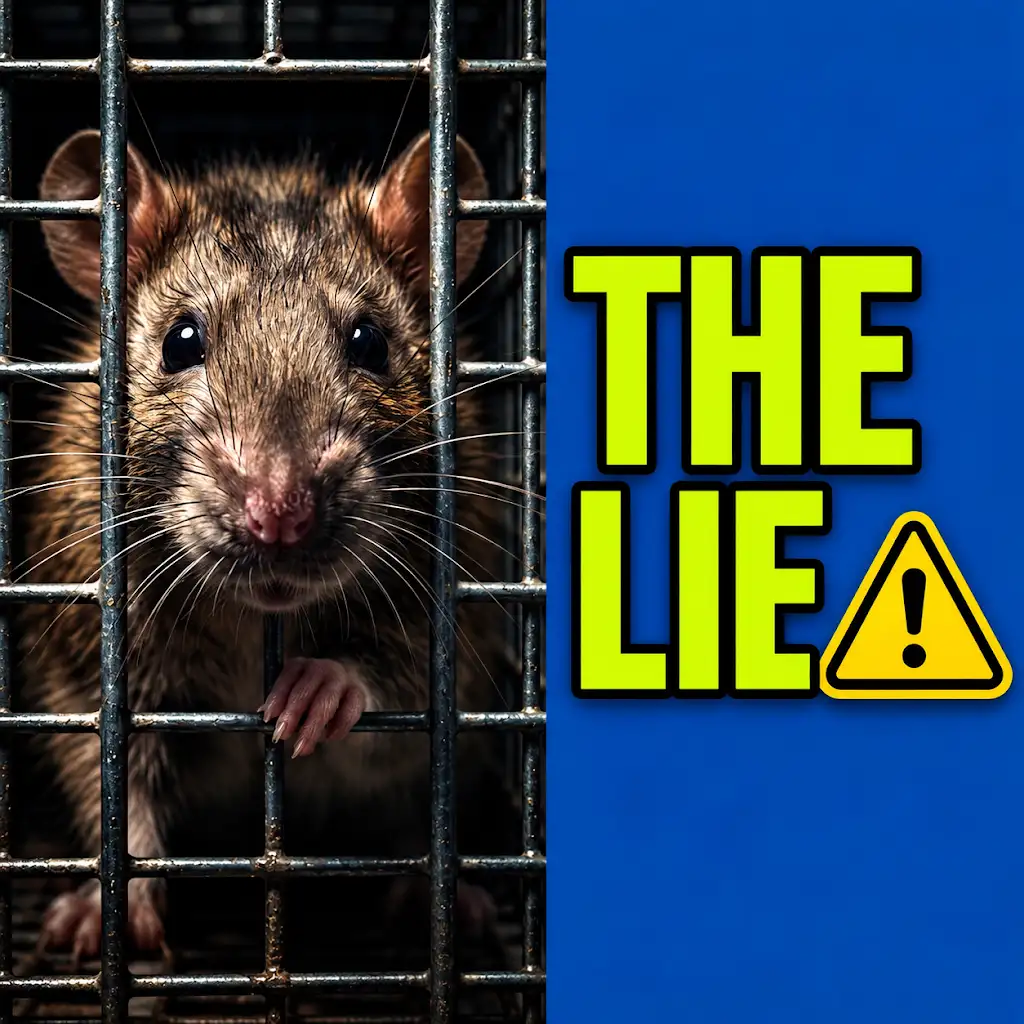
The Famous Addiction Experiment That Fooled Everyone
FAQs
What is psychology research communication?
Psychology research communication refers to the process of sharing and disseminating findings, theories, and ideas within the field of psychology. This can include academic papers, presentations, conferences, and other forms of communication.
Why is effective communication important in psychology research?
Effective communication in psychology research is crucial for sharing knowledge, advancing the field, and ensuring that findings are accurately understood and applied. It helps researchers connect with their peers, collaborate on projects, and contribute to the overall body of knowledge in psychology.
What are some common methods of communication in psychology research?
Common methods of communication in psychology research include publishing articles in academic journals, presenting at conferences, giving lectures, participating in panel discussions, and using social media platforms to share findings and engage with other researchers.
How can researchers improve their communication skills in psychology research?
Researchers can improve their communication skills in psychology research by practicing writing clearly and concisely, honing their presentation skills, actively listening to feedback, collaborating with others, and staying up-to-date on the latest trends and technologies in communication.
What are some ethical considerations in psychology research communication?
Ethical considerations in psychology research communication include obtaining informed consent from participants before sharing their data, accurately representing findings without exaggeration or distortion, giving credit to other researchers for their work, and being transparent about any conflicts of interest.