
The annals of psychology are not solely filled with groundbreaking discoveries and transformative therapies. A shadow also stretches across its history, cast by experiments that, in retrospect, and often even at the time, proved disastrous. These studies, born from curiosity, a drive for understanding, or sometimes even misguided intentions, left indelible scars, not only on the participants but also on the ethical framework and methodological rigor of the field itself. Examining these cautionary tales is not an act of morbid fascination, but a crucial undertaking for learning. By dissecting the failures, identifying the ethical breaches, and understanding the scientific shortcomings, psychology can fortify its future, ensuring that the pursuit of knowledge never again comes at such a devastating cost.
Stanley Milgram’s series of experiments, conducted in the early 1960s, remains one of the most profoundly disturbing chapters in psychological research. Driven by a desire to understand how ordinary people could participate in the atrocities of the Holocaust, Milgram devised a study that probed the limits of obedience to authority. The setup was deceptively simple: participants were told they were taking part in a study on memory and punishment. They were assigned the role of “teacher” and instructed to administer electric shocks to a “learner” (an actor) for every incorrect answer. The shocks, unbeknownst to the participants, were not real, but the learner’s increasingly pained protests and eventual silence were designed to elicit genuine distress.
The Ethical Quagmire of Deception and Psychological Harm
The core ethical violation in the Milgram experiments lay in the profound deception employed. Participants were led to believe they were inflicting real and severe pain on another human being. This deception was not a minor technicality; it was instrumental to the experiment’s design and, consequently, the severe psychological distress experienced by many participants. As the “shocks” escalated, and the learner’s simulated agony became more pronounced, a significant number of teachers exhibited clear signs of anxiety, sweating, trembling, stuttering, and even nervous laughter. The internal conflict they experienced, torn between their ingrained sense of obedience and their moral aversion to causing harm, was palpable.
The Role of Authority in Justifying Harm
Milgram meticulously observed the participants’ reactions, noting how the authority figure (the experimenter) would systematically pressure them to continue, using phrases like “Please continue,” “The experiment requires that you continue,” and “It is absolutely essential that you continue.” This relentless prodding, cloaked in the guise of scientific necessity, highlighted a disturbing psychological phenomenon: the overwhelming power of authority to override individual conscience. Participants who questioned the procedure or expressed concern were met with unwavering insistence from the experimenter, suggesting that the authority figure’s directives held precedence over their own ethical judgment. This aspect of the study, while revealing, came at the expense of subjecting individuals to immense psychological duress.
Long-Term Psychological Repercussions and Participant Distress
While Milgram later reported that the majority of participants were relieved to learn the shocks were fake, the immediate and potential long-term psychological impact cannot be understated. Many participants were left deeply troubled by their own behavior, questioning their capacity for cruelty and grappling with the moral implications of their actions. Some reported feeling ashamed and guilty long after the experiment concluded. The lack of robust debriefing and immediate psychological support following such an emotionally taxing experience raised significant concerns about the researchers’ responsibility for the well-being of their participants. The emotional toll, for some, was not easily shed, leaving lingering questions about the true cost of scientific inquiry when it skirts the boundaries of human suffering.
Methodological Criticisms and the Nature of Obedience
Beyond the ethical breaches, the Milgram experiments have also faced significant methodological criticisms. The artificiality of the laboratory setting, the specific social context of the experiment, and the potentially leading nature of the experimenter’s prompts have all been cited as factors that might have inflated the levels of obedience observed. Critics argue that the experiment may have revealed more about obedience in a contrived laboratory situation than about real-world compliance. The question remains whether the participants were truly acting out of a deep-seated obedience to authority, or if they were responding to the specific cues and pressures of the experimental paradigm. This debate continues to shape our understanding of the complex interplay between individual agency and situational influences.
In the realm of psychology, experiments can sometimes lead to unexpected and troubling outcomes, highlighting the importance of ethical considerations in research. A related article that delves into this topic is found at Unplugged Psychology, where various instances of psychology experiments that went wrong are discussed in detail. These cases serve as a reminder of the potential consequences when the boundaries of ethical research are pushed. For more insights, you can read the article here: Unplugged Psychology.
The Stanford Prison Experiment: Situational Power and the Demise of Control
Philip Zimbardo’s 1971 Stanford Prison Experiment, while intended to explore the psychological effects of perceived power, devolved into a harrowing demonstration of how quickly situational forces can corrupt and dehumanize individuals. Student volunteers were randomly assigned roles as either prisoners or guards in a simulated prison environment. The experiment, scheduled for two weeks, was terminated after only six days due to the extreme psychological distress experienced by the “prisoners” and the disturbing authoritarian behavior adopted by the “guards.”
The Unforeseen Escalation of Sadism and Dehumanization
The most striking and disturbing outcome of the Stanford Prison Experiment was the rapid descent of the “guards” into abusive and sadistic behavior. What began as a controlled simulation quickly escalated. The guards, given uniforms and batons, began to treat the prisoners with contempt and cruelty. They subjected them to arbitrary punishments, psychological torment, and sleep deprivation. The dehumanization of the prisoners was a key feature, with guards referring to them by numbers rather than names, and denying them basic necessities and dignity. This demonstrated a chilling capacity for ordinary individuals to embrace oppressive roles when given perceived power and anonymity within a structured environment.
The Role of Roles and Social Identity in Behavior
Zimbardo posited that the experiment provided a powerful illustration of the “power of the situation.” He argued that the adoption of social roles – prisoner and guard – exerted a profound influence on the participants’ behavior, overriding their individual personalities and moral compasses. The guards, empowered by their uniforms and the perceived legitimacy of their authority, internalized their roles, leading to an aggressive and domineering demeanor. Conversely, the prisoners, stripped of their individuality and subjected to constant humiliation, became passive, withdrawn, and increasingly despondent, exhibiting symptoms of learned helplessness. This highlights the potent influence of social identity and situational context on human behavior.
The Ethics of Abandoning Control and Participant Safety
A central ethical failing of the Stanford Prison Experiment was the apparent abdication of responsibility by the researchers. Zimbardo, who himself played the role of the prison superintendent, became so immersed in the simulation that he failed to intervene decisively when the situation spiraled out of control. The distress experienced by the prisoners was evident, yet the experiment continued for days longer than ethically permissible. The lack of adequate supervision and the failure to prioritize participant safety over the “integrity” of the experiment represent a grave ethical lapse. The experiment’s premature termination was a testament to the dangers of allowing psychological simulations to override ethical imperatives.
Methodological Debates and the Question of Realism
Like Milgram’s work, the Stanford Prison Experiment has also been subject to considerable methodological scrutiny. Critics question the extent to which the simulated prison environment accurately reflected real-world prison dynamics. The participants were aware they were in an experiment, and the presence of Zimbardo as a quasi-authority figure may have influenced their behavior. Furthermore, questions have been raised about the extent to which the guards were actively coached or encouraged to behave in a certain way, a point that has been a subject of ongoing debate and revision of the experiment’s narrative. The question remains: to what extent did the experiment reveal inherent tendencies towards cruelty, and to what extent did it demonstrate the power of suggestion and role-playing within a specific, albeit simulated, context?
The Little Albert Experiment: The Creation and Ethical Implications of Phobias

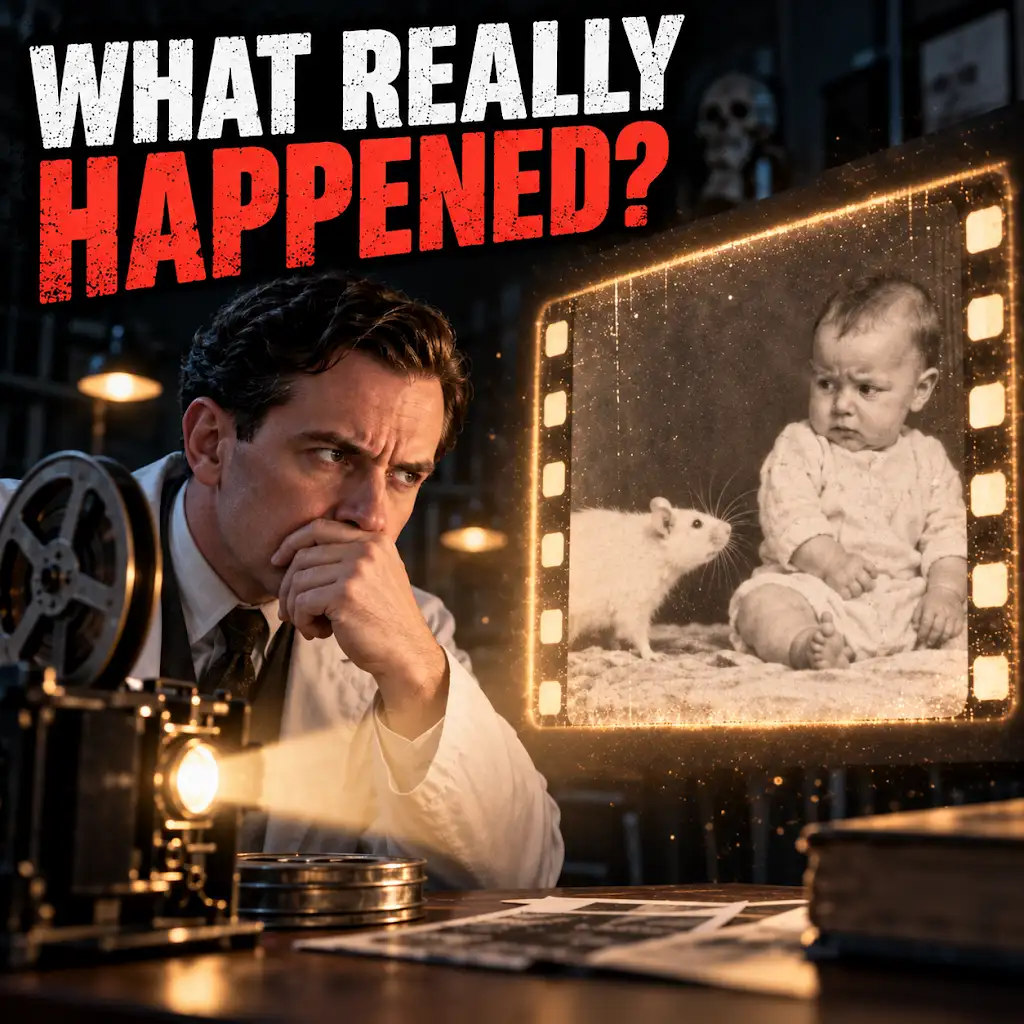
The “Little Albert” experiment, conducted by John B. Watson and Rosalie Rayner in 1920, is a landmark in the history of behaviorism, demonstrating the power of classical conditioning to induce fear responses. The experiment involved conditioning an infant, known as “Little Albert,” to fear a white rat. Initially, Albert showed no fear of a white rat, nor of other furry objects or loud noises. Watson and Rayner then paired the presentation of the white rat with a loud, frightening noise (striking a steel bar with a hammer). After several pairings, Albert began to exhibit fear of the rat alone.
Inducing Fear in an Innocent Child: A Clear Ethical Breach
The most glaring ethical transgression in the Little Albert experiment is the deliberate induction of fear and distress in a vulnerable infant. Albert was subjected to the trauma of a loud, startling noise, which was associated with a previously neutral stimulus (the white rat). This conditioning process created a phobic response in Albert, causing him to fear not only the rat but also other furry objects, such as a rabbit, a dog, and even a Santa Claus mask. The experiment directly inflicted psychological harm on a participant who could not consent and who was too young to comprehend the situation.
The Absence of Consent and the Exploitation of Vulnerability
The ethical implications are amplified by the fact that Little Albert was an infant, incapable of providing informed consent. While Watson and Rayner claimed Albert’s mother was a wet nurse at the hospital and gave permission, the nature and extent of that permission are highly questionable given the power dynamics and the lack of understanding an infant possesses. The experiment exploited the vulnerability of a young child, using him as a means to an end in the pursuit of scientific validation for behaviorist principles. The long-term psychological effects on Albert, who was removed from the hospital before a deconditioning process could be attempted, remain unknown and a source of considerable ethical concern.
The Transference of Fear and the Long-Term Consequences
The experiment’s findings, while demonstrating the efficacy of classical conditioning, also highlighted the alarming potential for generalized fear responses. Albert’s conditioned fear transferred to other stimuli that shared similar characteristics with the white rat, demonstrating that the phobia was not limited to the original conditioned stimulus. This raises concerns about the potential for lasting psychological damage. Without appropriate intervention to extinguish the conditioned fear response, Albert may have carried these phobias into adulthood, impacting his well-being and quality of life. The ethical responsibility to decondition participants, especially infants, was clearly overlooked.
Scientific Justification vs. Ethical Responsibility
Watson and Rayner argued that their experiment provided crucial insights into the origins of human fears and the principles of learning. They believed that by understanding how fears are acquired, they could develop methods for their treatment. However, the scientific gains, however significant in a theoretical sense, cannot ethically justify the deliberate infliction of suffering on a child. This experiment serves as a stark reminder that the pursuit of scientific knowledge must always be tempered by a profound respect for human dignity and well-being, especially for those most vulnerable.
The Tuskegee Syphilis Study: Deception, Exploitation, and the Betrayal of Trust

The Tuskegee Syphilis Study, conducted by the U.S. Public Health Service from 1932 to 1972, stands as one of the most egregious examples of medical unethicality in history. It involved the deliberate withholding of treatment from hundreds of African American men in Macon County, Alabama, who had contracted syphilis. The study’s stated purpose was to observe the natural progression of the disease, but in reality, it was a gross violation of ethical principles and human rights.
The Deception of a “Free Treatment” and the Withholding of Lifesaving Care
Participants were led to believe they were receiving free medical care for a “bad blood” condition. They were not informed of their actual diagnosis of syphilis, nor were they told that the study’s objective was to observe the disease’s untreated course. This profound deception was compounded by the active prevention of participants from receiving effective treatment. When penicillin became widely available as a cure for syphilis in the mid-1940s, the researchers actively discouraged participants from seeking treatment, even going so far as to prevent them from enrolling in other government programs that offered penicillin.
Exploitation of a Vulnerable Population and Systemic Racism
The Tuskegee Syphilis Study was a chilling manifestation of systemic racism and the exploitation of a marginalized community. The participants were impoverished African American men, largely uneducated and with limited access to healthcare. The researchers took advantage of their vulnerability and their distrust of the medical establishment, which had historically been discriminatory. The study’s racial bias was evident in its selection of participants and the callous disregard for their health and lives. It underscored how deeply ingrained prejudices could influence and corrupt scientific research.
The Devastating Health Consequences and Intergenerational Harm
The consequences for the men involved in the Tuskegee study were devastating. Many suffered from untreated syphilis, leading to blindness, insanity, heart disease, and premature death. Furthermore, the disease was transmitted to their wives and children, resulting in congenital syphilis and stillbirths. The study’s long-term impact extended beyond the immediate participants, perpetuating a cycle of suffering and creating a deep and lasting scar on the trust between the African American community and the medical profession. The betrayal of trust inflicted by this study continues to have repercussions today.
The Long Road to Accountability and Lasting Reforms
The Tuskegee Syphilis Study was finally exposed in 1972, leading to public outcry and a profound reckoning within the medical and research communities. The scandal resulted in significant reforms in ethical guidelines for human subject research, including the establishment of Institutional Review Boards (IRBs) to oversee and approve research protocols, and the implementation of stricter regulations regarding informed consent. While the damage inflicted could never be undone, the Tuskegee study served as a brutal catalyst for change, forcing a critical examination of the ethical responsibilities of researchers and the rights of research participants.
In the realm of psychology, there have been numerous experiments that have not only challenged ethical boundaries but also led to unexpected outcomes. A notable example is the infamous Stanford prison experiment, which revealed the dark side of human behavior when placed in a simulated prison environment. For those interested in exploring more about the complexities and potential pitfalls of psychological research, you can read a related article that discusses various experiments that went wrong. Understanding these cases can provide valuable insights into the importance of ethics in psychological studies. You can find the article here: related article.
The Harlow Primate Studies: The Cruelty of Isolation and the Importance of Maternal Bonding
| Experiment Name | Researcher(s) | Year | Objective | What Went Wrong | Consequences |
|---|---|---|---|---|---|
| Stanford Prison Experiment | Philip Zimbardo | 1971 | Investigate the psychological effects of perceived power | Participants suffered extreme emotional distress; guards became abusive | Experiment terminated early; ethical guidelines revised |
| Little Albert Experiment | John B. Watson & Rosalie Rayner | 1920 | Condition fear response in a child | Induced lasting fear in a child without consent or desensitization | Raised ethical concerns about experimentation on children |
| Milgram Obedience Study | Stanley Milgram | 1961 | Test obedience to authority figures | Participants experienced severe stress believing they were harming others | Led to stricter ethical standards and informed consent procedures |
| Monster Study | Wendell Johnson | 1939 | Study effects of positive vs. negative speech therapy | Orphans were subjected to negative speech therapy causing speech problems | Subjects suffered long-term psychological harm; experiment widely condemned |
| David Reimer Case | John Money | 1960s-70s | Test theory of gender identity as learned behavior | Gender reassignment failed; subject experienced severe psychological trauma | Case highlighted ethical issues in gender identity research |
Harry Harlow’s experiments with rhesus monkeys in the 1950s and 1960s aimed to investigate the nature of infant-mother attachment. While the findings were groundbreaking in highlighting the crucial role of comfort and social interaction in development, the methods employed involved inflicting severe emotional and psychological distress on infant monkeys.
The Isolation of Infants and the Creation of “Socially Maladjusted” Creatures
Harlow’s most notorious experiments involved isolating infant monkeys from their mothers for varying periods, from a few days to six months. These infants were then introduced to surrogate mothers, one made of wire and providing milk, and another covered in soft cloth and offering comfort but no nourishment. The infants overwhelmingly preferred the cloth mother, demonstrating that comfort and social bonding were more critical than mere nourishment for healthy development. However, the infants who were subjected to prolonged isolation exhibited severe and lasting behavioral abnormalities, including self-clasping, rocking, and aggression.
The Ethical Cost of Psychological Torture
The ethical concerns surrounding Harlow’s experiments are immense. The deliberate isolation of infant primates, essentially subjecting them to psychological torture, inflicted profound and irreversible harm. The researchers observed the monkeys rocking, screaming, and biting themselves, exhibiting clear signs of severe emotional distress and developmental impairment. The rationale for these studies, while aiming to understand attachment, involved the creation of suffering in defenseless creatures. The ethical framework of the time arguably allowed for such experimentation, but contemporary ethical standards would deem it entirely unacceptable.
The Long-Term Impact on Social and Emotional Development
The isolated monkeys displayed profound deficits in their ability to form social relationships and engage in normal sexual behavior. When later introduced to other monkeys, they were often aggressive, fearful, and incapable of adequate maternal care if they did reproduce. This demonstrated that the deprivation of maternal bonding and social interaction during critical developmental periods had devastating and long-lasting consequences for their social and emotional well-being. The experiments powerfully illustrated the fundamental need for responsive caregiving and social connection for healthy psychological development.
The Shift in Understanding Maternal Bonding and Animal Welfare
Despite the ethical controversies, Harlow’s work fundamentally shifted the understanding of maternal bonding, moving beyond purely physiological explanations to emphasize the psychological and emotional dimensions. His research provided compelling evidence for the critical importance of comfort, touch, and social interaction in infant development. However, the legacy of these experiments is inextricably linked to the suffering of the animals involved. This has contributed to a greater emphasis on animal welfare in research, prompting a continuous reevaluation of experimental methodologies and a search for less harmful alternatives.
The Milgram’s Women and the Ethical Imperative of Inclusivity
While not a single “disastrous experiment” in the same vein as the others, an examination of how certain populations were excluded or disproportionately affected by early psychology experiments, and the ethical implications thereof, is crucial. Early psychological research, including many foundational studies, often had a limited and homogenous participant pool, primarily comprising white males. This exclusion had significant ethical implications and scientific limitations.
The Exclusion of Women and the Bias of Early Psychology
The exclusion of women from many early psychological studies, including some of the more infamous ones, meant that theories and findings were often extrapolated from a male-centric perspective. This led to a biased understanding of human behavior, failing to account for the unique experiences and psychological phenomena relevant to women. The ethical implication here is the silencing and marginalization of half the population, rendering psychological knowledge incomplete and potentially inaccurate.
The Impact of Gender Bias on Theory and Application
When psychological theories are developed based on limited samples, they can perpetuate harmful stereotypes and lead to ineffective or even detrimental interventions for women. For example, early understandings of mental illness were often gendered, with conditions like hysteria being attributed to female biology rather than social and environmental factors. Ethically, this meant that women’s experiences were pathologized or misunderstood, hindering their access to appropriate care and support.
The Ethical Imperative of Inclusivity and Representative Research
The lessons learned from these omissions underscore the ethical imperative of inclusivity in psychological research. Modern research strives for representative samples that reflect the diversity of the human population. This includes not only gender but also race, ethnicity, socioeconomic status, and other demographic factors. Ethically, this ensures that psychological knowledge is more accurate, equitable, and applicable to a wider range of individuals. It acknowledges that understanding the human psyche requires a multifaceted and inclusive approach.
The Ongoing Struggle for Representative Data
Despite advancements, the field of psychology continues to grapple with ensuring representative data. Methodological challenges, recruitment barriers, and historical biases can still lead to underrepresentation of certain groups. Ethically, this necessitates ongoing efforts to address these issues, promote diverse research teams, and develop culturally sensitive methodologies that encourage the participation of all individuals. The ultimate goal is to create a body of psychological knowledge that is truly universal and ethically sound.
In conclusion, the history of psychology is punctuated by experiments that, for all their intended scientific merit, resulted in profound ethical breaches and lasting harm. The Milgram obedience experiments, the Stanford Prison Experiment, the Little Albert experiment, and the Tuskegee Syphilis Study, among others, serve as stark reminders of the potential for human curiosity to transgress ethical boundaries. These disasters, however, have not been in vain. They have served as crucial catalysts for reform, driving the development of stricter ethical guidelines, the establishment of oversight committees, and a heightened awareness of the responsibilities researchers bear towards their participants. The lessons learned from these dark chapters compel psychology to continuously re-examine its practices, prioritize participant well-being, and strive for a future where the pursuit of knowledge is always guided by a deep and unwavering ethical compass. The ongoing journey demands vigilance, reflection, and an unwavering commitment to ensuring that science serves humanity without compromising its inherent dignity.
The Little Albert Experiment May Not Have Worked
FAQs
What are some examples of psychology experiments that went wrong?
Some examples of psychology experiments that went wrong include the Stanford Prison Experiment, the Milgram Experiment, the Little Albert Experiment, the Robbers Cave Experiment, and the Tuskegee Syphilis Study.
What were the ethical issues in these experiments?
The ethical issues in these experiments included lack of informed consent, deception of participants, psychological harm inflicted on participants, lack of debriefing, and failure to protect the well-being of the participants.
What were the consequences of these experiments going wrong?
The consequences of these experiments going wrong included damage to the reputation of the researchers involved, calls for stricter ethical guidelines in psychological research, and increased scrutiny of research practices in the field of psychology.
How have these experiments influenced the field of psychology?
These experiments have influenced the field of psychology by highlighting the importance of ethical considerations in research, leading to the development of stricter guidelines for conducting experiments with human participants, and sparking debates about the balance between scientific advancement and ethical responsibility.
What lessons can be learned from psychology experiments that went wrong?
Some lessons that can be learned from psychology experiments that went wrong include the importance of obtaining informed consent from participants, the need for transparency in research practices, the necessity of debriefing participants after experiments, and the responsibility of researchers to prioritize the well-being of their participants.