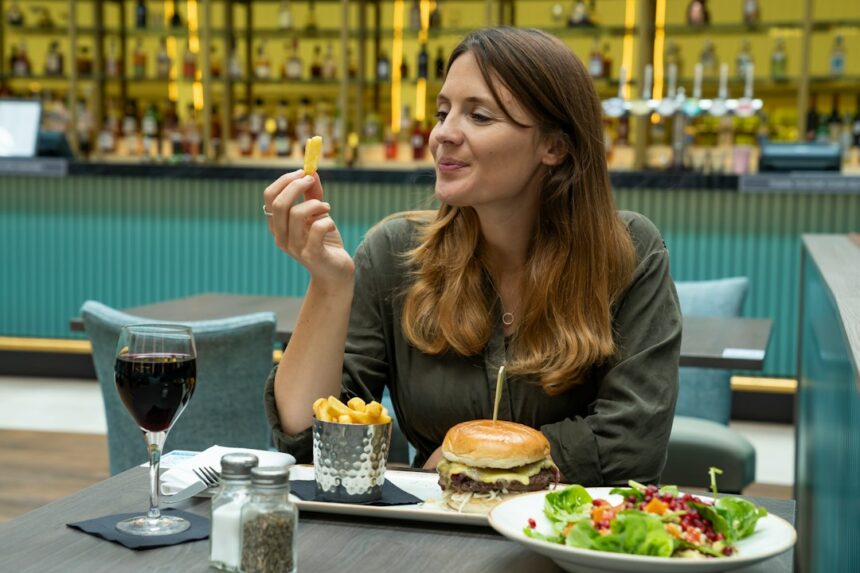
The Hesitation: Why We Ask “Is It Okay?”
You’ve navigated the day. Perhaps it was a whirlwind of meetings, a creative flurry, or a simple day of errands. Now, the familiar pang of hunger arrives. You consider your options. Cooking feels like too much effort. Grabbing something quick might suffice, but doesn’t quite hit the spot. And then the thought emerges, almost as a whisper: “I could just go out to eat.” But immediately, a secondary thought, louder and more insistent, follows: “Alone?”
This internal debate is a common one, isn’t it? The simple act of dining solo often triggers a cascade of self-consciousness. You imagine the glances, the unspoken judgments, the curious stares from couples and groups. You wonder if you’re projecting an image of loneliness, of failure, of someone who simply couldn’t find anyone to accompany them. It’s a peculiar social phenomenon, this aversion to solitary meals in public spaces, particularly when the alternative is a less satisfying meal at home or a hurried snack.
Think about it. You’ll readily go to the cinema alone, lose yourself in a bookstore for hours solo, or even attend a concert by yourself without a second thought. Yet, placing a fork in your hand in a restaurant, surrounded by others engaged in convivial conversation, seems to present a unique challenge. Why is it that a full restaurant, bustling with life, can feel like a stage upon which your solo status is magnified? This hesitation, this ingrained societal script that suggests dining is a fundamentally social activity, is deeply ingrained. We’ve been conditioned, subtly or not so subtly, to see shared meals as a cornerstone of connection and belonging. The absence of that shared experience, when you’re the one sitting at the table, can feel like a conspicuous void.
It’s not just about the fear of judgment, either. There’s also the practical consideration. Do you feel awkward ordering for one? Will the waitstaff treat you differently? Will you feel like you’re taking up a table that could be occupied by a paying couple or a larger party? These are all valid, albeit often irrational, concerns that can bubble to the surface. This article aims to dissect these hesitations, to explore the societal underpinnings of this perceived awkwardness, and ultimately, to empower you to embrace the often-overlooked pleasures of dining alone. You are not an anomaly, nor are you a charity case. You are simply a person who has decided to treat yourself to a meal, and that, in itself, is a perfectly acceptable, and often delightful, endeavor.
If you’re contemplating whether it’s okay to go to dinner alone, you might find it helpful to read a related article on the topic. This article discusses the benefits of solo dining and how it can be a rewarding experience for personal growth and self-reflection. To explore this further, check out the insightful piece available at Unplugged Psych.
The Societal Narrative: What Are We Really Afraid Of?
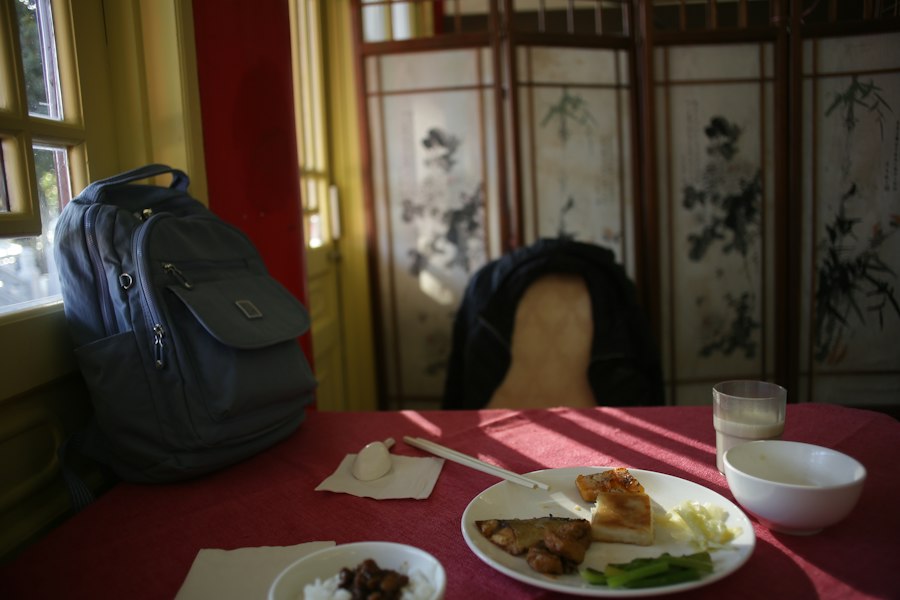
The narrative surrounding dining solo is, for many, a complex tapestry woven with threads of societal expectation, cultural norms, and individual insecurities. We often internalize the idea that eating is a communal act, a ritual of sharing and bonding. This stems from deeply rooted traditions. Think of ancient hearths, where families gathered to break bread, or celebratory feasts that marked significant communal events. Food has always been intrinsically linked to togetherness. In this context, eating alone can feel like a deviation from the norm, a signal that something is amiss, or that you are somehow outside the prevailing social order.
Consider the media we consume. Restaurants are often depicted as romantic backdrops for couples, or as lively hubs for friends and families. Rarely do we see a single person confidently enjoying a meal without some implied narrative of waiting for someone, escaping something, or being pitiable. This constant subtle messaging can shape our perceptions, making us believe that dining solo is inherently less desirable or even a sign of social deficiency. It’s a form of unconscious bias we project onto ourselves and, we wrongly assume, onto others.
Furthermore, there’s the ingrained politeness we’re taught. We’re encouraged to be considerate of others, and this can sometimes morph into an overthinking of our own presence. You might worry about being perceived as intrusive, as taking up valuable space, or as simply being “out of place.” This is particularly true in certain types of restaurants – the intimate, dimly lit bistros often associated with romantic dinners, or the boisterous family-friendly establishments where laughter and chatter are the dominant soundtrack. In these environments, a lone diner can feel like a solitary island in a sea of social connectivity.
The fear of judgment is a potent force. We imagine the maître d’s subtle sigh as they lead you to a small, less desirable table. We picture other diners exchanging knowing glances, perhaps interpreting your solo status as evidence of a failed romantic life or a lack of friends. This is, of course, rarely the reality. Most people are far more preoccupied with their own meals and conversations than they are with the dining habits of strangers. However, the fear of this judgment is powerful enough to deter many from even attempting to dine alone. It’s a self-imposed barrier, a mental hurdle that prevents us from exploring an experience that could be perfectly pleasant.
There’s also the issue of perceived effort. For many, the decision to dine out alone requires a conscious effort to overcome these societal narratives and personal anxieties. It’s easier to conform to the expected social patterns. This makes the act of dining solo a small act of rebellion against the prevailing social script, a quiet assertion of self-sufficiency and personal enjoyment. Understanding these underlying societal narratives is the first step in dismantling them. By recognizing that these fears are often more in our heads than in reality, you can begin to reframe the experience and approach it with a newfound confidence.
The Practicalities: Navigating the Dining Landscape

Once you’ve decided to overcome the initial psychological hurdles, you’ll find that dining solo is actually quite straightforward, and with a little preparation, can be a thoroughly enjoyable experience. The practicalities, while sometimes seeming daunting, are easily managed. The key is to approach it with a positive mindset and a clear intention.
Choosing Your Culinary Companion: Selecting the Right Venue
Not all restaurants are created equal when it comes to solo dining. Some environments lend themselves more naturally to a solitary patron than others. For your first few forays, you might want to opt for places that are inherently more casual or have a steady stream of diverse patrons.
- The Bustling Bistro: Think of a lively cafe or a popular diner. These places are often filled with a mix of people – students grabbing a quick lunch, friends catching up, and yes, solo diners enjoying their meal. The general ambiance is usually relaxed, and a single person at a table is unlikely to draw undue attention.
- The Counter Experience: Many restaurants, especially those focused on a particular cuisine like sushi, ramen, or tapas, offer counter seating. This is ideal for solo diners. You’re seated among others, often with a direct view of the chefs at work, providing built-in entertainment. It also feels less formal and less like you’re occupying a prime table meant for larger groups.
- The “Third Place” Vibe: Cafes and establishments that feel like a “third place” – a comfortable space outside of home and work – are also excellent choices. These are places where people often linger, read, or work on laptops, and a solo diner is a common sight.
- When to Be Cautious: While not entirely off-limits, very intimate, romantic restaurants or those with a strong focus on group reservations might feel a little less comfortable for your initial solo ventures. You might feel more conspicuous. However, if you’re confident and simply want to treat yourself, don’t let this deter you entirely. A well-chosen table can make a difference.
The Art of the Order: Engaging with the Staff
Your interaction with the waitstaff is a crucial part of the solo dining experience. Remember, they are professionals trained to serve all patrons, regardless of party size.
- Be Direct and Confident: When the server approaches, simply state, “A table for one, please.” There’s no need for apologies or explanations. They will likely seat you at an appropriate table.
- Embrace the Menu: Take your time perusing the menu. This is your chance to explore without needing to consider anyone else’s preferences. If you’re unsure about something, don’t hesitate to ask the server for recommendations. This is a great conversation starter and can enhance your experience.
- Consider Smaller Portions or Appetizers: If you’re not particularly hungry or want to try multiple things, ordering a few appetizers or smaller plates is a perfectly acceptable approach for a solo diner.
- Don’t Be Afraid to Make Eye Contact: When the server is around, engage with them. A smile and a nod go a long way. This helps you feel more connected and less like an invisible entity.
Occupying Your Time: The Solo Diner’s Toolkit
The common concern for solo diners is how to occupy their time. The answer is simple: use it to your advantage!
- Immerse Yourself in the Experience: Pay attention to the food. Savor each bite. Notice the flavors, the textures, the presentation. This is a form of mindful eating, and it can be incredibly rewarding.
- Observe Your Surroundings: Without being intrusive, take in the atmosphere of the restaurant. Notice the decor, the other diners (again, without staring!), the sounds, the smells. It’s like being a quiet observer in a bustling human drama.
- Bring a Companion (of sorts): A book, a journal, or a downloaded podcast can be wonderful companions. They offer a comfortable way to fill any potential lulls and can enhance your enjoyment. However, don’t feel obligated to be glued to them.
- Engage in Digital Downtime: If you’re not a reader, your phone can be a source of entertainment. Browse social media, catch up on emails, or play a game. The key is to use it to fill your time, not to isolate yourself completely.
- Simply Be Present: Sometimes, the best thing you can do is simply exist in the moment. Enjoy the quiet, the delicious food, and the fact that you’ve made a conscious decision to treat yourself.
By considering these practical aspects, you can transform the perceived challenges of dining solo into opportunities for a more intentional and enjoyable culinary experience.
The Unspoken Benefits: Rediscovering Yourself Through Solitude
Beyond the practicalities and the overcoming of social anxieties, dining solo offers a wealth of personal benefits that are often overlooked. It’s not just about eating a meal; it’s about reclaiming your time, reconnecting with your own preferences, and cultivating a stronger sense of self-reliance.
A Haven for Self-Reflection and Mindfulness
In our constantly connected world, moments of true solitude are rare and precious. A solo meal in a restaurant provides a unique opportunity to disconnect from the demands of others and reconnect with yourself. Without the need to engage in conversation, respond to questions, or cater to another’s tastes, your mind is free to wander, to reflect, and to simply be present.
- Deep Dive into Thoughts: This is your time to untangle that knotty problem that’s been bothering you, to brainstorm your next big idea, or to simply revisit happy memories. The gentle hum of the restaurant provides a comforting background noise, allowing your thoughts to flow without interruption.
- Practice Mindful Eating: As mentioned before, dining alone is the ultimate opportunity for mindful eating. You can truly focus on the sensory experience of your meal – the aroma, the taste, the texture. This heightened awareness can lead to greater enjoyment of the food and a more satisfying dining experience. It’s a form of self-care, a way of honoring the nourishment you’re providing for yourself.
- Cultivate Inner Peace: The absence of social obligation can be incredibly liberating. You’re not performing for anyone. You can simply be, and in that being, find a sense of peace and contentment. It’s a chance to recharge your social batteries without the pressure of social interaction.
The Joy of Unadulterated Preference
How often have you compromised on a restaurant choice, a dish, or even the type of cuisine because you were dining with someone else? Dining solo liberates you from these compromises. This is your culinary playground, your chance to indulge in exactly what you want, when you want it.
- Explore Your Palate: This is the perfect time to try that exotic dish you’ve always been curious about but were afraid to order, or to revisit a childhood favorite without judgment. You are the sole arbiter of your taste buds.
- Order What You Crave: Did you have a craving for that rich, decadent chocolate lava cake as an appetizer? Go for it! Want to pair your pasta with a glass of a specific wine you love, even if it’s an unconventional pairing? You have the freedom to do so.
- No Food Envy: There’s no worry about glancing at someone else’s plate with longing, or feeling like you missed out. Your choice is the only one that matters, and you can enjoy it without reservation. This unadulterated enjoyment of your chosen meal is a powerful form of self-indulgence.
Building Confidence and Independence
The very act of dining alone can be a powerful builder of confidence and independence. Each time you step out to eat by yourself, you reinforce your own capability and self-sufficiency.
- Overcoming Self-Doubt: Each successful solo dining experience chips away at any lingering self-doubt or fear of judgment. You prove to yourself that you can navigate the social landscape independently and enjoyably.
- Embracing Self-Sufficiency: It’s a tangible demonstration of your ability to entertain yourself and to provide yourself with enjoyable experiences. This can spill over into other areas of your life, fostering a greater sense of autonomy and capability.
- A Sense of Empowerment: There’s an inherent empowerment that comes from knowing you don’t need someone else to enjoy a meal out. You are capable of creating your own pleasure and satisfaction. This can lead to a more resilient and self-assured individual.
Dining solo is not a sign of weakness or loneliness; it is a declaration of self-care, a celebration of personal preference, and an opportunity to cultivate a deeper connection with yourself. These unspoken benefits are just as valuable, if not more so, than the food on your plate.
Dining alone can be a rewarding experience, allowing for self-reflection and personal enjoyment. If you’re curious about the social perceptions of solo dining, you might find insights in a related article that discusses the benefits and challenges of eating alone. This article explores various perspectives and offers tips for making the most of your solo dining adventures. For more information, you can read it here: explore the topic further.
Reclaiming the Table: Your Personal Invitation to Independence
| Aspect | Details | Benefits | Considerations |
|---|---|---|---|
| Social Norms | Increasingly accepted in many cultures | Encourages independence and self-confidence | May feel awkward initially for some individuals |
| Emotional Impact | Can promote mindfulness and self-reflection | Reduces reliance on others for social activities | Possible feelings of loneliness if not comfortable |
| Safety | Depends on location and time of day | Empowers personal safety awareness | Choose well-lit, populated venues for safety |
| Practicality | Easy to book and manage reservations alone | Flexible timing and menu choices | Some restaurants may have minimum party sizes |
| Social Interaction | Opportunity to meet new people or staff | Can improve conversational skills | May require effort to engage with others |
You’ve explored the hesitations, understood the societal whispers, navigated the practicalities, and discovered the profound personal benefits. Now, the final step is to embrace this experience with open arms. Dining solo is not a compromise; it is an opportunity. It is a chance to celebrate your own company, to indulge your senses, and to reclaim a space that too often is reserved solely for pairs or groups.
Think of it as an act of self-love. In a world that constantly pulls you in multiple directions, demanding your attention and energy for others, this is your moment to pause, to nourish yourself, and to simply be. It’s a quiet rebellion against the notion that we always need external validation or companionship to enjoy life’s simple pleasures. You are your own best company, and a good meal is a perfect way to honor that.
Consider the restaurants you’ve walked past, the menus you’ve peeked at with a pang of longing. These culinary destinations are waiting for you, ready to offer their delights regardless of your party size. The maître d’s are not judging your single status; they are ready to welcome you. The other diners are engrossed in their own worlds. Your experience is yours alone to curate, to savor, and to enjoy.
The next time hunger strikes and the thought of cooking feels daunting, don’t immediately default to a solitary meal at home. Instead, make a conscious decision to step out. Choose a place that appeals to you, order what your heart desires, and allow yourself to be fully present in the experience. Bring a book if you like, or simply let your thoughts flow. Observe, reflect, and savor.
This is not about loneliness; it is about independence. It is about recognizing your own worth and capacity for enjoyment. It is about building a more robust and self-reliant version of yourself, one delicious meal at a time. So, the next time you find yourself contemplating dining alone, let the answer be a resounding and confident “Yes.” Your table awaits, and it is yours to command. Go forth, and enjoy the exquisite pleasure of your own company.

Why “Any Plans This Weekend?” Feels So Hard to Answer
FAQs
1. Is it socially acceptable to go to a dinner alone?
Yes, it is perfectly acceptable to go to a dinner alone. Many people enjoy dining solo for various reasons such as wanting some alone time, trying new restaurants, or simply not having company available.
2. Are there any benefits to dining alone?
Dining alone can have several benefits, including the opportunity to fully enjoy your meal without distractions, the chance to practice mindfulness and savor the experience, and the freedom to choose where and what to eat without compromising with others.
3. How can I feel more comfortable dining alone in public?
To feel more comfortable dining alone in public, you can bring a book or magazine to read, use your phone to browse the internet or catch up on emails, choose a restaurant with a bar or counter seating for a more casual experience, or simply focus on enjoying the food and ambiance.
4. Are there any restaurants that cater specifically to solo diners?
Some restaurants are known for being solo-diner friendly, offering communal tables, bar seating, or smaller tables for individual guests. Additionally, some establishments may have special menus or deals for solo diners.
5. What should I do if I feel self-conscious about dining alone?
If you feel self-conscious about dining alone, remember that most people are focused on their own meals and conversations rather than paying attention to others. You can also practice self-confidence by reminding yourself of the benefits of solo dining and embracing the experience as a form of self-care and independence.