You are embarking on a journey, a path towards inner quietude. Your environment, often an unwitting accomplice in your anxiety, can be transformed into a powerful ally for recovery. This article will guide you through the principles and practices of environmental design, equipping you with the knowledge to craft spaces that nurture tranquility and promote healing.
Your surroundings are not merely backdrops to your life; they are active participants in your psychological state. Every object, every color, every sound, and every texture contributes to the intricate tapestry of your sensory experience. When this tapestry is woven with threads of chaos and disorganization, your mind, mirroring this outward disarray, may resonate with feelings of anxiety. Conversely, a thoughtfully curated environment can become a sanctuary, a physical manifestation of the calm you seek.
The Brain’s Response to Environmental Stimuli
Your brain is a highly sensitive organ, constantly processing vast amounts of information from your environment. Neurotransmitters, such as cortisol and adrenaline, are released in response to perceived threats or stressors. A cluttered, noisy, or poorly lit space can inadvertently trigger these stress responses, keeping your nervous system in a state of heightened arousal. Conversely, exposure to natural elements, harmonious colors, and soothing sounds can activate the parasympathetic nervous system, promoting relaxation and reducing the physiological symptoms of anxiety. This is akin to adjusting the volume knob on your internal stress response; the right environment can turn the volume down to awhisper.
The Concept of “Environmental Load”
Consider your environment as carrying an “environmental load.” This load comprises all the sensory input your brain constantly processes. A high environmental load, characterized by excessive clutter, bright artificial lights, loud noises, and a lack of visual order, overstimulates your senses. This overstimulation can be exhausting for your brain, leaving it feeling overwhelmed and contributing to feelings of anxiety and unease. Reducing this load – by decluttering, optimizing lighting, and managing noise levels – directly liberates cognitive resources, allowing your mind to focus on recovery rather than constant environmental processing.
The Psychology of Space and Its Impact
The layout and design of a space profoundly influence your emotional and cognitive responses. Open, airy spaces can evoke feelings of freedom and expansiveness, while cramped, cluttered areas can induce a sense of entrapment or claustrophobia. The way you arrange furniture, the pathways you create, and the designation of specific zones for different activities all contribute to the psychological comfort or discomfort of your environment. Think of your space as a stage; the way it’s set dictates the kind of performance, or in this case, the kind of emotional experience, that unfolds within it.
In exploring the connection between environment design and anxiety recovery, a valuable resource can be found in the article on Unplugged Psychology. This article delves into various strategies for creating calming spaces that promote mental well-being, emphasizing the importance of mindful design in reducing anxiety levels. For more insights on this topic, you can read the full article here: Unplugged Psychology.
Decluttering and Organization: The Foundation of Calm
Before you can create a sanctuary, you must first clear the debris. Clutter is a potent anxiety trigger, representing unfinished tasks, disorganization, and a subtle but persistent drain on your cognitive resources. Engaging in decluttering and establishing effective organizational systems is not merely housework; it is a fundamental act of self-care and a critical first step in your anxiety recovery journey.
The Mental Burden of Clutter
Each item in your environment, particularly those that are visible and unorganized, demands a small piece of your attention. This constant, subliminal demand, often referred to as “decision fatigue,” accumulates over time. You might not consciously register the stress of a stacked pile of papers or a crowded countertop, but your subconscious mind is processing it, contributing to a generalized feeling of being overwhelmed. Removing unnecessary items and establishing clear homes for essential ones liberates mental energy, much like shedding heavy weights from your shoulders.
Implementing a Systematic Decluttering Process
Approaching decluttering systematically is crucial to avoid feeling overwhelmed. You might begin with one room, or even one drawer, gradually expanding your efforts. The “four-box method” – items to keep, items to donate/sell, items to discard, and items to relocate – provides a structured framework. Be honest with yourself about the true utility and emotional value of each item. Remember, the goal is not minimalism for its own sake, but rather the creation of a streamlined environment that supports your well-being.
Establishing Sustainable Organizational Systems
Decluttering is only half the battle; sustained organization is the victory. Implement systems that are easy to maintain and intuitive to use. This might involve labeling containers, creating digital filing systems, or establishing daily habits for tidying. The key is to make returning items to their designated places as effortless as possible. When every item has a home, the feeling of ease permeates your environment, reducing the cognitive load associated with finding things or dealing with disorder.
Harnessing the Power of Light: Illumination for Well-being
Light is more than just illumination; it is a fundamental regulator of your circadian rhythm, mood, and cognitive function. Thoughtful lighting design can drastically influence your anxiety levels, either exacerbating them with harsh, artificial glare or ameliorating them with soft, warm illumination.
Natural Light: Your Most Potent Ally
Maximizing natural light exposure is paramount. Natural light, particularly morning sunlight, helps regulate your sleep-wake cycle, boosting serotonin production and reducing melatonin at appropriate times. Position your workspace and relaxation areas to benefit from ample natural light. Consider sheer curtains or blinds that allow light to filter in while still providing privacy, rather than heavy drapes that block it entirely. Think of natural light as an internal clock, synchronizing your body with the rhythm of the day, inherently reducing the internal dissonance that anxiety often brings.
The Impact of Artificial Lighting Color Temperature
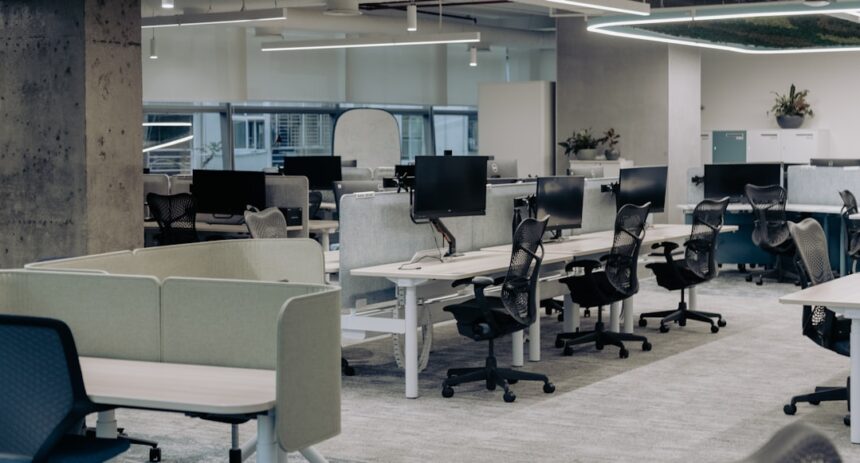
Artificial lighting comes in various “color temperatures,” measured in Kelvins (K). Cooler temperatures (above 5000K) emit a bluish-white light often found in office settings, which can promote alertness but also contribute to eye strain and suppress melatonin production if used late in the day. Warmer temperatures (2700K-3000K) emit a softer, more reddish-yellow light, ideal for relaxation and evening hours. Incorporate dimmable lights and layered lighting – a combination of ambient, task, and accent lighting – to allow you to adjust the luminosity and mood of the space throughout the day. This adaptable lighting strategy creates a dynamic environment that caters to your evolving needs.
Reducing Glare and Eye Strain
Glare from overhead lights or reflections on screens can cause eye strain and headaches, contributing to overall discomfort and anxiety. Position your desk to avoid direct glare on your computer screen. Utilize anti-glare filters if necessary. Opt for softer, diffused lighting sources rather than harsh, unshielded bulbs. The goal is to create an even, comfortable illumination that supports visual comfort without overstimulating your eyes.
Incorporating Nature: Biophilic Design Principles

Humans have an innate connection to nature, a concept known as biophilia. Integrating natural elements into your living spaces can significantly reduce stress, improve mood, and foster a sense of tranquility. You are, at your core, an organism of the natural world; bringing elements of that world indoors is an intuitive step towards healing.
Houseplants: Green Companions
Houseplants are more than decorative items. They improve air quality by filtering toxins, increase humidity, and visually connect you to the natural world. Studies have shown that interacting with houseplants can reduce physiological and psychological stress. Choose low-maintenance plants if you are prone to forgetting, such as snake plants, ZZ plants, or pothos. Cluster them in areas where you spend a lot of time, like your living room or bedroom.
Natural Materials and Textures
Incorporate materials like wood, bamboo, cork, stone, and natural fibers (cotton, linen, wool) into your decor. These materials evoke a sense of authenticity and groundedness. The varied textures – the smooth grain of wood, the rough feel of linen – provide tactile stimulation that can be soothing without being overwhelming. Avoid excessive use of synthetic materials, which can feel sterile or artificial.
Visual and Auditory Connections to Nature
If possible, arrange your furniture to frame views of nature outside your windows. Even a small patch of sky or a distant tree can provide a welcome visual break. Consider incorporating subtle natural sounds, such as a small indoor water feature or ambient recordings of raindrops or gentle forest sounds, to mask distracting urban noise and promote relaxation. These auditory cues can subtly realign your internal rhythm with the calming ebb and flow found in nature.
The Role of Color Psychology in Natural Elements
While natural colors are discussed separately, note how greens, browns, and blues inherent in natural elements contribute to a calming palette. A focus on earth tones and muted natural hues can further enhance the biophilic effect of your environment.
Incorporating environment design into anxiety recovery can significantly enhance one’s therapeutic journey. By creating spaces that promote calmness and reduce stress, individuals can better manage their anxiety symptoms. For further insights on this topic, you might find it helpful to explore a related article that discusses practical strategies for optimizing your surroundings. You can read more about it here. This resource provides valuable tips on how to curate an environment that supports mental well-being and fosters a sense of tranquility.
Curating Sensory Experiences: Sound, Scent, and Texture
| Environment Design Element | Description | Impact on Anxiety Recovery | Recommended Implementation |
|---|---|---|---|
| Natural Light | Exposure to sunlight or natural lighting indoors | Improves mood, reduces stress hormones, enhances circadian rhythm | Use large windows, skylights, or sit near natural light sources for 30+ minutes daily |
| Calming Colors | Use of soft, muted colors like blues, greens, and pastels | Promotes relaxation and lowers heart rate | Paint walls in calming tones; use decor and furnishings in these colors |
| Biophilic Elements | Incorporation of plants, water features, and natural materials | Reduces anxiety by connecting with nature, improves air quality | Add indoor plants, small fountains, or wooden furniture |
| Clutter-Free Space | Organized and minimalistic environment | Decreases cognitive overload and stress | Regularly declutter, use storage solutions, maintain tidy areas |
| Comfortable Furniture | Ergonomic and cozy seating and resting areas | Enhances physical comfort, reduces tension | Use cushions, soft fabrics, and adjustable chairs |
| Sound Control | Minimizing noise pollution and adding soothing sounds | Reduces startle response and promotes calmness | Use soundproofing, white noise machines, or nature sounds |
| Personalization | Inclusion of meaningful objects and personal touches | Increases sense of safety and emotional comfort | Display photos, art, or items that evoke positive memories |
| Temperature Regulation | Maintaining comfortable room temperature | Prevents physical discomfort that can trigger anxiety | Use fans, heaters, or thermostats to keep temperature between 68-72°F (20-22°C) |
Your environment communicates with you through all your senses. Consciously curating these sensory inputs can significantly impact your emotional state, making your space a haven or a source of distress.
Managing Auditory Input: Soundscaping Your Space
Noise pollution is a significant stressor. Identify sources of unwanted noise in your environment, whether it’s traffic outside, noisy neighbors, or household appliances. Strategically use sound-absorbing materials like rugs, upholstered furniture, heavy curtains, and wall hangings to dampen excessive noise. Consider white noise machines or ambient sound generators to provide a masking effect or introduce calming sounds. Silence, when intentional, can be profoundly therapeutic.
Aromatic Influence: The Power of Scent
Odors have a direct pathway to your amygdala, the brain’s emotional center. Certain scents can evoke strong memories and emotional responses. Utilize aromatherapy to introduce calming scents into your environment. Lavender, chamomile, bergamot, frankincense, and sandalwood are often associated with relaxation and stress reduction. Use essential oil diffusers, natural candles, or sachets. Be mindful of artificial fragrances, which can sometimes be irritating or allergy-inducing. Your sense of smell can be a powerful, often overlooked, tool in modulating your anxiety.
Tactile Comfort: Textures that Soothe
The physical textures within your environment can provide grounding and comfort. Incorporate soft blankets, plush pillows, velvety fabrics, and natural fibers. The act of touching a soft texture can be a soothing, self-regulating mechanism. Consider diverse textures throughout your space to provide varied sensory experiences without creating a cluttered or overstimulating environment. The tactile world reinforces your connection to the physical space, offering a tangible sense of security.
Visual Harmony: Color and Aesthetics
The colors you surround yourself with significantly impact your mood and energy levels. Cool colors like blues, greens, and muted purples are often associated with calmness and tranquility. Earth tones – beiges, browns, and soft grays – also contribute to a grounded and stable feeling. Avoid an overload of bright, highly saturated colors in areas designated for relaxation, as these can be stimulating. Focus on creating a cohesive color palette that promotes visual harmony rather than jarring contrasts. The overall aesthetic should be one of spaciousness and ease rather than busyness.
Creating Dedicated Zones for specific activities
Your space can serve many functions. Designating specific zones for different activities helps mentally delineate your day and supports focused engagement, reducing the blur often associated with anxiety.
The Relaxation Nook: Your Personal Sanctuary
Every home, regardless of its size, can benefit from a designated relaxation nook. This doesn’t need to be an entire room; it could be a comfortable armchair in a corner, a window seat with soft cushions, or even a meditation cushion with a dedicated shelf for calming items. Ensure this space is free from digital distractions and clutter. This is your personal island of tranquility, a space where you can retreat and recharge.
The Productive Workspace: Minimizing Distractions
If you work or study from home, a dedicated workspace is essential to minimize the psychological spillover of work into your relaxation areas. Ensure your workspace is organized, well-lit, and ergonomically sound. Clear your desk at the end of each day to signal a clear boundary between work and rest. This separation helps prevent the “always-on” feeling that can exacerbate anxiety.
The Sleep Environment: Optimizing for Rest
Your bedroom is arguably the most critical environment for your anxiety recovery. It should be a sanctuary for rest and rejuvenation. Keep it dark, quiet, and cool. Remove electronics, especially glowing screens, at least an hour before bedtime. Invest in a comfortable mattress and pillows. Consider weighted blankets, which have been shown to reduce anxiety and promote better sleep. The quality of your sleep profoundly impacts your ability to manage anxiety during your waking hours.
Outdoor Spaces: Extending Your Calming Reach
If you have access to a balcony, patio, or garden, consider it an extension of your indoor calming environment. Fill it with plants, comfortable seating, and perhaps a small outdoor light feature. Even a small window box can offer a sliver of green space and a connection to the natural world. The ability to step outside and breathe fresh air, even for a few moments, can be an invaluable tool in managing acute anxiety.
By systematically applying these principles of environmental design, you are not merely redecorating your home; you are actively engaging in a profound act of self-care. You are constructing a physical framework that supports your mental and emotional well-being, transforming your surroundings from potential anxiety triggers into powerful allies on your journey to lasting calm. This intentional shaping of your space is a continuous process, a dynamic partnership between you and your environment, fostering resilience and promoting a deeper sense of peace.

THE DPDR EXIT PLAN: WARNING: Your Brain Is Stuck In “Safety Mode”
FAQs
What is environment design in the context of anxiety recovery?
Environment design refers to the intentional arrangement and modification of physical spaces to create a calming and supportive atmosphere that helps reduce anxiety and promote mental well-being.
How can changing my environment help reduce anxiety?
Altering your environment can influence your mood and stress levels by minimizing triggers, enhancing comfort, and encouraging relaxation. Elements like lighting, colors, organization, and natural elements can all contribute to a more soothing space.
What are some key elements to include in an anxiety-reducing environment?
Key elements include soft, natural lighting, calming colors such as blues and greens, clutter-free spaces, comfortable furniture, access to nature or plants, and sensory items like soft textures or calming scents.
Can environment design be used alongside other anxiety treatments?
Yes, environment design is often used as a complementary approach alongside therapies, medication, and lifestyle changes to support overall anxiety management and recovery.
Is environment design effective for everyone with anxiety?
While environment design can be beneficial for many people, its effectiveness varies depending on individual preferences and needs. It is best used as part of a personalized anxiety recovery plan.