
You’ve likely experienced both. That classroom, that workshop, that online course where you felt genuinely seen, supported, and encouraged to stretch yourself. And then, there’s the other kind. The one where the air felt thick with unspoken judgment, where mistakes were met with a sigh or a pointed silence, and where the pursuit of knowledge felt more like a tightrope walk over a pit of your own perceived inadequacies. You know the difference. One fosters growth; the other often stifles it.
This distinction lies at the heart of creating a truly effective learning environment. We’re not talking about saccharine niceties or a relentless positivity that ignores genuine challenge. We’re talking about the fundamental architecture of how you, as an educator, facilitator, or even a peer, construct the space where learning happens. This is a deliberate act, and it’s often the difference between a student who thrives and one who simply endures.
The concept isn’t about being “nice” in a superficial sense. It’s about being kind, a far more profound and impactful stance. Kindness in learning is about recognizing the inherent vulnerability of the learning process. It’s about understanding that stepping into the unknown, grappling with complex ideas, and admitting a lack of understanding requires courage. Your role is to create an environment where that courage is fostered, not eroded.
Conversely, a wicked learning environment is one that actively, even subtly, undermines this foundation. It’s not necessarily born out of malice, but often from a lack of awareness or a misguided adherence to outdated pedagogical models. It’s the environment that prioritizes performance over process, where fear of failure is a dominant motivator, and where the human element of learning is reduced to mere data points.
Before you can cultivate kindness, you must first identify and understand the elements that contribute to a less-than-ideal, or “wicked,” learning atmosphere. These aren’t always overt acts of negativity; often, they are systemic, built into the very fabric of how instruction is delivered and how interaction is structured. Recognizing these patterns is the first step toward dismantling them.
The Illusion of Effortless Mastery
One of the most insidious forms of “wickedness” is the implicit or explicit expectation that learning should be easy, or at least appear so. This might manifest as instructors who gloss over difficult concepts, assuming students will just “get it,” or peer groups who subtly shame those asking for clarification.
The Pressure to Perform Without Struggle
You’ve seen it. The student who hesitates to ask a question for fear of appearing less intelligent than their peers. The instructor who presents complex theories as if they were common knowledge, without breaking them down into digestible components. This creates an environment where struggle is perceived as a personal failing, rather than a natural and necessary part of the learning journey.
The Stigma of Not Knowing
In a wicked environment, admitting you don’t understand is often met with impatience or even disdain. This can be a direct result of an instructor’s attitude or the culture that has developed among learners. The consequence? Students internalize the belief that their lack of knowledge is a permanent defect, rather than a temporary state to be overcome.
The Primacy of Judgment Over Support
Learning inherently involves risk. You’re putting yourself out there, testing hypotheses, and potentially making mistakes. A wicked environment weaponizes this vulnerability by prioritizing judgment and evaluation over genuine support and constructive feedback.
The “Right Answer” Fallacy
When the sole focus is on arriving at the “right answer,” the process of exploration and discovery is devalued. This can lead to rote memorization and a fear of venturing beyond established knowledge. You might find yourself discouraging creative thinking or alternative approaches if they don’t immediately align with the prescribed solution.
The Unconstructive Critique
Feedback is essential, but not all feedback is created equal. In a wicked environment, feedback can be vague, overly critical, or delivered in a way that demoralizes rather than informs. You might provide comments that are simply “wrong” without explaining why, or offer personal opinions disguised as objective assessments.
The Dehumanization of the Learner
At its core, learning is a human endeavor. It involves emotions, experiences, and individual learning styles. A wicked environment strips away this humanity, treating learners as interchangeable units or data sets to be processed.
The Focus on Metrics Over Meaning
When the emphasis shifts solely to quantifiable outcomes – test scores, completion rates, proficiency levels – the deeper meaning and personal growth associated with learning can be lost. You might find yourself prioritizing the metrics that look good on paper over the actual understanding and development of your students.
The Absence of Empathetic Understanding
A wicked environment lacks empathy. It fails to acknowledge that learners come with different backgrounds, anxieties, and learning preferences. You might inadvertently create situations that disadvantage certain students due to your assumptions about their capabilities or their willingness to engage.
In exploring the contrasts between wicked learning environments and kind learning environments, it is beneficial to consider the insights provided in the article available at Unplugged Psychology. This resource delves into the psychological aspects of learning settings, highlighting how the nature of the environment can significantly impact student engagement and emotional well-being. By understanding these dynamics, educators can better tailor their approaches to foster more supportive and effective learning experiences.
Cultivating Kindness: The Foundation of a Thriving Learning Space
Now that you’ve identified the hallmarks of a “wicked” environment, let’s turn our attention to the active construction of kindness. This isn’t about adopting a performative persona; it’s about embedding principles of compassion, respect, and thoughtful intention into every aspect of your pedagogy.
Fostering Psychological Safety: The Bedrock of Growth
Psychological safety is the belief that you won’t be punished or humiliated for speaking up with ideas, questions, concerns, or mistakes. In a learning environment, it is paramount. Without it, genuine engagement and risk-taking are severely hampered.
Creating an Open Dialogue for Questions
You actively encourage questions, not just tolerate them. This means creating designated times and spaces for queries, but also signaling through your consistent behavior that no question is too basic or too trivial. You might model this yourself by posing questions you don’t immediately have the answer to, demonstrating a willingness to explore together.
Normalizing Mistakes as Learning Opportunities
You proactively frame mistakes not as failures, but as invaluable data points. When a student makes an error, your initial reaction is not one of correction, but of inquiry. You might ask: “What led you to that conclusion?” or “What did you learn from that approach?” This shifts the focus from blame to analysis and understanding.
Encouraging Diverse Perspectives and Active Listening
You create a space where all voices feel valued and heard. This involves explicitly stating that a variety of viewpoints is not only welcome but essential for deeper understanding. You facilitate discussions where participants are encouraged to listen intently to each other, to ask clarifying questions, and to build upon the ideas of others, rather than simply waiting for their turn to speak.
Building Trust Through Transparency and Predictability
Trust is earned, and in a learning environment, it is built on a foundation of clear expectations, honest communication, and consistent actions. Learners need to feel secure in knowing what to expect and that you have their best interests at heart.
Communicating Clear Expectations and Learning Objectives
You are explicit about what you expect from learners and what they can expect from you. This includes clearly outlining learning objectives, assessment criteria, and how participation will be valued. This predictability reduces anxiety and allows learners to focus their energy on the learning itself.
Providing Constructive and Actionable Feedback
Feedback is a gift, and in a kind learning environment, it is delivered with care and intention. You provide specific, observable examples of what is working well and what could be improved, offering clear guidance on how to make those improvements. This feedback is always framed in a way that is focused on growth and development, rather than solely on evaluation.
Demonstrating Humility and a Willingness to Learn
You are not the sole repository of knowledge. You demonstrate that you too are a lifelong learner, open to new ideas and willing to admit when you don’t know something. This vulnerability can be incredibly disarming and can foster a more collaborative learning dynamic where everyone feels empowered to contribute.
Designing for Inclusivity and Equity: Leaving No Learner Behind
A kind learning environment is one where every learner feels valued, respected, and supported, regardless of their background, identity, or learning style. This requires a conscious and ongoing effort to design experiences that are accessible and equitable for all.
Adapting to Diverse Learning Styles and Needs
You recognize that learners absorb information in different ways. You therefore offer a variety of learning modalities, such as visual aids, auditory explanations, hands-on activities, and opportunities for independent exploration. You are also attentive to individual needs, making reasonable accommodations where necessary.
Cultivating a Sense of Belonging for All
You actively work to create a community where everyone feels they belong. This involves learning names, acknowledging individual contributions, fostering positive peer interactions, and being mindful of potential barriers to inclusion. You make it clear that this is a shared space for collective learning.
Addressing Power Dynamics with Awareness
You are mindful of the inherent power dynamics between instructor and learner, and you actively work to mitigate any imbalance that could create discomfort or intimidation. This might involve encouraging peer-to-peer learning, providing anonymous feedback mechanisms, or actively seeking out student input on course design.
The “Wicked” vs. the “Kind” in Practice: Concrete Examples

To truly grasp the difference, let’s look at how these principles manifest in real-world learning scenarios. This isn’t about abstract theory; it’s about the tangible actions you take, or choose not to take, that shape the learning experience.
In the Classroom Setting
Consider a lecture on a complex scientific concept.
A “Wicked” Approach:
The instructor delivers a dense, jargon-filled lecture at a rapid pace, assuming prior knowledge. When questions are asked, they are met with curt answers or a subtle sigh. The instructor then assigns a problem set that requires immediate application of the concepts, with little room for error or exploration. Students who struggle are left feeling inadequate, and those who grasp it quickly might feel resentful of the perceived slower pace of others.
A “Kind” Approach:
The instructor begins by framing the importance of the concept and what students will be able to do with this knowledge. They use analogies, visual aids, and break down the complex ideas into smaller, manageable chunks. They pause frequently, inviting questions with genuine interest, and encourage students to ask “what if” questions. Errors in problem-solving are met with guided inquiry, helping students retrace their steps and understand their thought process. The expectation is not perfect recall, but developing understanding.
In Online Learning Environments
The digital space presents unique challenges and opportunities for fostering kindness.
A “Wicked” Approach:
An online course relies solely on pre-recorded video lectures with no live interaction. Discussion forums are overseen by rigid moderation, where dissenting opinions are shut down. Assignments are graded purely on rubrics, with automated feedback that lacks any personal touch. Learners feel isolated and unseen, their contributions reduced to a quantitative score.
A “Kind” Approach:
An online course incorporates a variety of media – videos, readings, interactive simulations. Live Q&A sessions are scheduled, and facilitators actively encourage participation and respectful debate in discussion forums. Feedback on assignments is personalized, offering specific praise and targeted areas for improvement. There are opportunities for peer feedback and collaborative projects, fostering a sense of community. The instructor makes an effort to acknowledge individual contributions and foster a supportive online dialogue.
In Professional Development and Training
The workplace often demands rapid adaptation and skill acquisition. A kind approach can make a significant difference in employee engagement and retention.
A “Wicked” Approach:
A mandatory training session is delivered without any preparation or context. Employees are expected to absorb new software skills immediately and are criticized for any errors made during practice sessions. The trainer expresses impatience with those who need more time, creating an atmosphere of anxiety and resistance.
A “Kind” Approach:
A professional development workshop begins with an overview of why the new skills are important and how they will benefit the employees. The trainer provides clear, step-by-step instructions, offers opportunities for hands-on practice with immediate, supportive feedback, and encourages participants to share their strategies and challenges. The trainer creates a safe space for questions and acknowledges that mastery takes time and practice. They might even incorporate opportunities for peer coaching post-training.
The Ripple Effect of Kindness: Beyond the Individual Learner
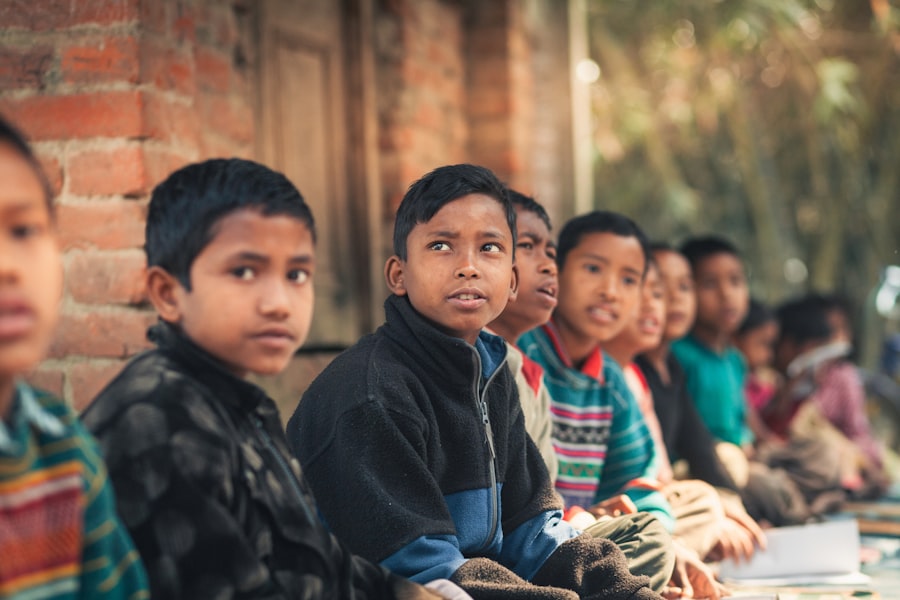
Creating a kind learning environment isn’t just about individual student success; it has a broader, positive ripple effect that extends far beyond the immediate learning experience. The habits and attitudes fostered in such an environment are transferable and can influence how individuals interact with others in various aspects of their lives.
Fostering a Culture of Continuous Improvement
When learners experience kindness in their educational journey, they are more likely to internalize that approach and model it in their own future interactions. They become more attuned to the needs of others, more willing to offer support, and more likely to contribute to a positive and supportive community.
Empowering Future Educators and Mentors
Students who have benefited from a kind learning environment are often more inclined to become educators and mentors themselves who prioritize compassion and support. They understand the impact of a well-crafted learning space and are equipped to replicate those positive experiences for others.
Cultivating Resilient and Adaptable Individuals
A learning environment that embraces mistakes and encourages exploration fosters resilience. Learners who are comfortable with uncertainty and see challenges as opportunities for growth are better equipped to navigate the complexities of life and adapt to new situations.
Enhancing Collaboration and Innovation
Kindness breeds trust, and trust is the bedrock of effective collaboration. When individuals feel safe to share ideas, take risks, and express differing opinions without fear of reprisal, innovation flourishes. A kind environment encourages constructive debate, where diverse perspectives are welcomed and integrated, leading to more robust and creative solutions.
The Synergy of Mutual Respect
In a genuinely kind learning environment, mutual respect becomes the norm. Learners respect the instructor’s expertise, and the instructor respects the learners’ willingness to engage. Peers respect each other’s contributions and learning journeys. This atmosphere of respect creates a powerful synergy that amplifies the collective learning experience.
Unlocking Creative Potential Through Psychological Safety
Innovation often stems from unconventional thinking. A wicked environment, with its emphasis on judgment and fear, can stifle this kind of creative exploration. Conversely, a kind environment that prioritizes psychological safety allows individuals to express their most audacious ideas, knowing that they will be considered with an open mind, rather than immediately dismissed.
Building More Empathetic and Engaged Citizens
The skills and values fostered in a kind learning environment extend into the broader community and society. Individuals who have experienced and practiced empathy, respect, and understanding are more likely to become engaged citizens who contribute positively to their communities.
The Practice of Active Empathy
Kindness in learning often involves actively trying to understand the perspective of others, even when you disagree. This practice of active empathy translates directly into how individuals interact with diverse groups and challenging social issues in their lives beyond the learning context.
Contributing to a More Constructive Discourse
A learning environment that encourages respectful dialogue and the thoughtful exchange of ideas can equip individuals with the skills to engage in more constructive discourse in public forums, online communities, and personal interactions. They are less likely to resort to personal attacks and more inclined to seek common ground and understanding.
In exploring the differences between wicked and kind learning environments, it is essential to consider how these concepts impact educational outcomes and student well-being. A related article that delves into the nuances of these environments can be found on Unplugged Psychology, where the author discusses the implications of fostering a supportive atmosphere versus a challenging one. For more insights on this topic, you can read the article here. Understanding these dynamics can greatly influence teaching strategies and student engagement.
The Ongoing Commitment to Kindness
| Learning Environment | Wicked | Kind |
|---|---|---|
| Atmosphere | Competitive and stressful | Supportive and nurturing |
| Teacher-Student Relationship | Authoritative and distant | Collaborative and empathetic |
| Peer Interaction | Competitive and hostile | Cooperative and friendly |
| Feedback | Critical and discouraging | Constructive and encouraging |
Creating a kind learning environment is not a destination; it is an ongoing journey. It requires constant vigilance, self-reflection, and a genuine commitment to the holistic development of every learner. It’s about recognizing that the pursuit of knowledge is, and always will be, a fundamentally human endeavor, and that approaching it with kindness is not only the most ethical path, but also the most effective. Your role in fostering this environment is significant, and the impact of your intentionality can be profound. It’s about moving beyond the “wicked” by actively cultivating the “kind,” and in doing so, shaping not just better learners, but better individuals and a better world.
FAQs
What is a wicked learning environment?
A wicked learning environment is characterized by a competitive, high-pressure atmosphere where students are pitted against each other and success is often measured by comparison to others. This type of environment can lead to stress, anxiety, and a focus on individual achievement at the expense of collaboration and empathy.
What is a kind learning environment?
A kind learning environment is one that promotes collaboration, empathy, and support among students. It emphasizes the importance of understanding and respecting others, and encourages a sense of community and inclusivity. In a kind learning environment, success is not solely measured by individual achievement, but also by the well-being and growth of the entire community.
How does a wicked learning environment impact students?
A wicked learning environment can have negative effects on students, including increased stress, anxiety, and a sense of isolation. It can also lead to a focus on competition rather than collaboration, and may hinder the development of empathy and social skills. Students in a wicked learning environment may feel pressured to constantly compare themselves to others and may struggle with feelings of inadequacy.
What are the benefits of a kind learning environment?
A kind learning environment can have numerous benefits for students, including reduced stress and anxiety, increased sense of belonging and community, and improved social and emotional skills. Students in a kind learning environment are more likely to feel supported and valued, and may be more motivated to engage in learning and personal growth.
How can educators create a kind learning environment?
Educators can create a kind learning environment by promoting empathy, collaboration, and inclusivity in the classroom. This can be achieved through activities and discussions that encourage understanding and respect for others, as well as by modeling and reinforcing positive behaviors. Educators can also create a supportive and nurturing atmosphere by providing opportunities for students to work together and by acknowledging and celebrating the unique strengths and contributions of each individual.