You’re probably reading this because you’re curious about your sleep. Maybe you’re struggling to get enough, or perhaps you just want to feel more rested and in control of your energy levels. You’re not alone. Sleep is a fundamental pillar of our well-being, yet for so many of us, it remains a frustrating mystery, a code we haven’t quite cracked. This article is your key to understanding the intricate dance of your sleep habits, empowering you to unlock a more restorative and energizing slumber. You’ll learn to identify the patterns, the players, and the practical strategies that can transform your nights and, consequently, your days.
At the core of your sleep-wake cycle lies a remarkable internal clock, your circadian rhythm. Think of it as your body’s master conductor, orchestrating a symphony of physiological processes over roughly 24 hours. It’s not about willpower or simply deciding to be awake or asleep; it’s a deeply ingrained biological imperative. Understanding this rhythm is the first crucial step in cracking the code of your sleep habits because it dictates when you naturally feel sleepy and when you’re most alert.
The Brain’s Master Clock: The Suprachiasmatic Nucleus (SCN)
Deep within your brain, nestled in the hypothalamus, sits a tiny cluster of cells called the suprachiasmatic nucleus (SCN). This is your circadian rhythm’s command center. The SCN receives direct input from your eyes, specifically about the presence or absence of light. Light is the most powerful external cue, or zeitgeber, for synchronizing your internal clock with the day-night cycle. When light hits your retinas, signals are sent to the SCN, which then sends out instructions to various parts of your body, influencing hormone production, body temperature, and other crucial functions.
Melatonin’s Role: The Hormone of Darkness
One of the most critical hormones regulated by your circadian rhythm is melatonin. Often dubbed the “hormone of darkness,” melatonin production ramps up in the evening as light levels decrease. This rise in melatonin signals to your body that it’s time to wind down and prepare for sleep. Conversely, when exposed to light, melatonin production is suppressed, helping you to feel awake and alert. Disruptions to this natural suppression and production, particularly in the evening (think excessive screen time before bed), can throw your circadian rhythm out of sync.
The Sleep-Wake Homeostat: The Growing Urge for Sleep
While your circadian rhythm dictates the timing of sleep, another system, the sleep-wake homeostat, governs the need for sleep. This system works like a pressure cooker. The longer you’re awake, the more a chemical called adenosine builds up in your brain. Adenosine essentially acts as a sleep-inducing substance, creating an increasing urge to sleep. When you finally go to bed, your body processes and clears this accumulated adenosine, allowing you to fall asleep. This is why pulling an all-nighter makes you desperately sleepy; the adenosine pressure has become immense.
Factors Influencing Your Rhythm: More Than Just Light
It’s important to recognize that your circadian rhythm isn’t solely dictated by light. While it’s the dominant cue, other factors can influence its timing and strength.
Social Cues: The Monday Morning Struggle
Your social schedule plays a significant role. If you consistently keep late nights on weekends and then have to abruptly shift to an early start on weekdays, you’re essentially forcing your body to adjust to a new rhythm very quickly. This can lead to that groggy “Monday morning blues” feeling. Your social obligations are powerful zeitgebers, even if they aren’t natural environmental ones.
Meal Timing: Fueling Your Inner Clock
When you eat can also influence your circadian rhythm. Your digestive system has its own internal clock, and eating at irregular times, especially late at night, can disrupt this. Some research suggests that aligning meal times with your body’s natural rhythm can contribute to better sleep.
Exercise Timing: A Double-Edged Sword
Regular exercise is fantastic for sleep, but when you exercise matters. Intense workouts too close to bedtime can elevate your body temperature and adrenaline levels, making it harder to fall asleep. However, morning or afternoon exercise can actually promote deeper, more restorative sleep.
Understanding your sleep habits is crucial for improving overall well-being and productivity. For those looking to delve deeper into this topic, a related article that offers valuable insights is available at Unplugged Psych. This resource provides practical tips and strategies to help you analyze your sleep patterns and make informed adjustments for better rest.
The Architecture of Slumber: Sleep Stages and Cycles
Your journey into sleep isn’t a monolithic descent into unconsciousness. Instead, it’s a dynamic process characterized by distinct stages that cycle throughout the night. Understanding these stages and how they progress is crucial for appreciating what constitutes truly restorative sleep.
Non-Rapid Eye Movement (NREM) Sleep: The Foundation of Rest
NREM sleep is typically divided into three stages, each with its unique characteristics. You spend the majority of your sleep time in NREM.
Stage N1: The Gentle Drift into Sleep
This is the lightest stage of sleep, the transition period between wakefulness and sleep. You might feel drowsy, your muscles relax, and your heart rate and breathing slow. You can be easily awakened during this stage, and you might even experience hypnic jerks (sudden muscle contractions). It’s usually a brief phase, lasting only a few minutes.
Stage N2: The Onset of Deeper Sleep
This is the most significant portion of your sleep time. Your heart rate and breathing continue to slow down, and your body temperature drops. Brain waves become slower and more synchronized. While you’re less aware of your surroundings in this stage than in N1, you can still be awakened relatively easily. Sleep spindles and K-complexes, distinct patterns in your brain activity, are characteristic of Stage N2.
Stage N3: Deep Sleep or Slow-Wave Sleep (SWS)
This is your deepest and most restorative stage of sleep. During N3, your brain waves become very slow and large (delta waves). Your breathing and heart rate are at their lowest. This is the stage where physical repair and growth occur. Hormones like human growth hormone are released, and your body is busy healing and rebuilding tissues. It’s also during N3 that sleepwalking and night terrors are most likely to occur. You are very difficult to wake from this stage.
Rapid Eye Movement (REM) Sleep: The Realm of Dreams and Cognitive Processing
REM sleep is a distinct and vital stage. You’ll typically enter REM sleep about 90 minutes after falling asleep, and it becomes longer and more frequent as the night progresses.
The Paradox of REM Sleep: Active Brain, Paralyzed Body
During REM sleep, your brain becomes highly active, almost as active as when you’re awake. Your eyes dart back and forth rapidly beneath your closed eyelids, hence the name. However, your voluntary muscles become temporarily paralyzed, a state known as atonia. This paralysis is a protective mechanism to prevent you from acting out your dreams.
Dreaming: The Brain’s Nightly Narrative
REM sleep is often referred to as the “dreaming stage.” While dreams can occur in NREM sleep, they are typically more vivid, elaborate, and emotionally charged during REM. The exact function of dreaming is still debated, but it’s thought to be involved in memory consolidation, emotional processing, and problem-solving.
The Sleep Cycle: A Nightly Symphony of Stages
Throughout the night, you’ll cycle through these NREM and REM stages multiple times. A complete sleep cycle typically lasts about 90 to 120 minutes. The proportion of time spent in each stage changes as the night progresses. The early part of the night is dominated by longer periods of deep NREM sleep, while the later part of the night consists of more frequent and longer REM sleep periods.
Unmasking Your Sleep Environment: The Setting for Slumber
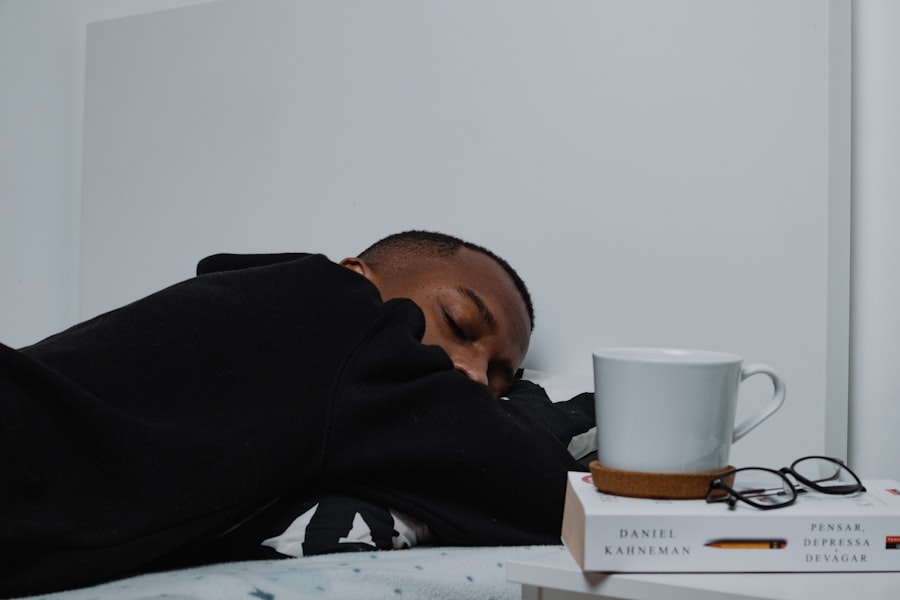
Your bedroom should be a sanctuary for sleep, a place designed to promote relaxation and minimize disturbances. The environment you create plays a surprisingly powerful role in the quality and quantity of sleep you achieve. Think of it as setting the stage for your nightly performance.
Light: The Silent Saboteur and Sleep Ally
Light is the most potent zeitgeber, influencing your circadian rhythm. Minimizing light exposure in the hours leading up to bed and ensuring complete darkness during sleep is paramount.
Darkness is Key: Blocking Out Disruptions
Even small amounts of light can disrupt the production of melatonin. This includes the glow from electronic devices, streetlights seeping through curtains, or even a digital clock face. Invest in blackout curtains or blinds to create a truly dark sleep space. Consider a comfortable sleep mask if complete darkness isn’t achievable.
The Blue Light Dilemma: Screens and Sleep
Modern life bombards us with artificial light, particularly blue light emitted from smartphones, tablets, and computers. Blue light is especially effective at suppressing melatonin production. Try to avoid screens for at least an hour before bed. If you must use them, consider using blue light filtering apps or glasses.
Temperature: The Cool Conducive Climate
Your body temperature naturally drops as you prepare for sleep, a signal that helps initiate and maintain slumber. An optimal sleep environment is one that supports this natural cooling process.
The Ideal “Cool” Setting
Most experts recommend a bedroom temperature between 60-67 degrees Fahrenheit (15-19 degrees Celsius). A room that is too warm can lead to restlessness and awakenings, while a room that is too cold might make it difficult to relax and fall asleep initially. Experiment to find what feels most comfortable for you.
The Role of Breathability: Sheets and Pajamas
The materials of your bedding and sleepwear also play a role in temperature regulation. Opt for breathable fabrics like cotton or linen that allow for air circulation, preventing you from overheating.
Sound: Navigating the Auditory Landscape
While complete silence isn’t always necessary or achievable, minimizing disruptive noise is crucial.
The Power of White Noise
For some, a consistent, low-level background noise, known as white noise, can be beneficial. It can mask sudden, jarring sounds that might otherwise wake you. White noise machines, fans, or even apps can provide this calming auditory backdrop.
Eliminating Disruptions: From Traffic to Ticking Clocks
Identify and address any persistent noises that disrupt your sleep. This might involve earplugs, soundproofing, or addressing the source of the noise if possible. A dripping faucet or a clock that ticks too loudly can be surprisingly aggravating when you’re trying to drift off.
Comfort and Coziness: The Foundation of Your Bed
Your bed should be a place of comfort and support. This goes beyond just the mattress.
The Mattress Matters: Support and Pressure Relief
Your mattress should provide adequate support for your spine and relieve pressure points. Consider your preferred sleeping position when choosing a mattress. Side sleepers often benefit from softer mattresses that contour to their bodies, while back and stomach sleepers might prefer firmer options.
Pillows and Bedding: The Finishing Touches
The right pillow is essential for proper neck alignment and comfort. Again, your sleeping position can influence the best pillow choice. Ensure your bedding is clean, comfortable, and conducive to a relaxed state.
Lifestyle Factors: The Habits That Shape Your Nights

Beyond your bedroom environment, a myriad of daily habits profoundly influence your sleep. These are the choices you make throughout the day that either support or undermine your ability to get quality rest. You are the architect of your lifestyle, and you have significant control over these factors.
Diet and Hydration: Fueling Your Sleep
What you consume and when you consume it can have a direct impact on your sleep quality.
Caffeine: The Wakefulness Agent
Caffeine is a stimulant that can interfere with sleep for hours. Pay attention to your caffeine intake, especially in the afternoon and evening. For some, even a morning coffee can affect their ability to fall asleep later. Consider gradually reducing your intake or switching to decaffeinated options if you suspect it’s impacting your sleep.
Alcohol: A Deceptive Sleep Aid
While alcohol might initially make you feel drowsy, it disrupts sleep architecture later in the night. It can lead to more fragmented sleep, frequent awakenings, and reduced REM sleep. It’s best to limit or avoid alcohol, especially in the hours before bed.
Heavy Meals and Late-Night Snacks: Digesting Your Sleep
Eating large, heavy meals close to bedtime can lead to indigestion and discomfort, making it difficult to fall asleep. If you feel hungry, opt for a light, easily digestible snack.
Hydration Habits: Not Too Much, Not Too Little
While staying hydrated is important, drinking excessive amounts of fluids right before bed can lead to multiple trips to the bathroom during the night, interrupting your sleep. Pace your fluid intake throughout the day.
Exercise: The Movement That Matters
Regular physical activity is a powerful sleep enhancer, but the timing matters.
The Benefits of Movement
Aerobic exercise has been shown to improve sleep quality, increase deep sleep, and reduce the time it takes to fall asleep. Aim for at least 30 minutes of moderate-intensity exercise most days of the week.
Timing is Everything: Avoiding Late-Night Intensities
As mentioned earlier, intense exercise too close to bedtime can be counterproductive. Aim to complete your workouts at least 2-3 hours before you plan to go to sleep. Lighter activities like gentle yoga or stretching in the evening can be beneficial for relaxation.
Stress and Mental State: The Mind’s Influence on Sleep
Your mental and emotional state is a significant determinant of your sleep quality. A stressed or anxious mind often struggles to quiet down for sleep.
The Power of Relaxation Techniques
Incorporating relaxation techniques into your daily routine and before bed can be incredibly effective. This could include meditation, deep breathing exercises, progressive muscle relaxation, or journaling. Dedicate time to de-stress and calm your mind.
Managing Worries and Rumination
If you find yourself frequently rehashing worries or replaying events in your mind before sleep, consider setting aside a “worry time” earlier in the day. Write down your concerns and potential solutions, then consciously try to let them go before bedtime.
Napping: The Art of the Strategic Snooze
Napping can be a restorative tool, but it needs to be approached strategically.
The Ideal Nap Duration and Timing
Short power naps (20-30 minutes) can boost alertness and cognitive function without interfering significantly with nighttime sleep. Longer naps, especially late in the afternoon, can make it harder to fall asleep at night.
Understanding your sleep habits can significantly improve your overall well-being, and exploring related resources can provide valuable insights. For instance, you might find it helpful to read an article on sleep patterns and their impact on daily life. This resource offers practical tips and strategies to help you analyze and enhance your sleep quality, making it easier to identify what works best for you. By delving into such information, you can take meaningful steps towards achieving better rest and rejuvenation.
Behavioral Strategies for Better Sleep: Taking Control of Your Nights
| Category | Metrics |
|---|---|
| Sleep Duration | Number of hours slept per night |
| Sleep Quality | Rating of sleep satisfaction (e.g. poor, fair, good, excellent) |
| Bedtime Routine | Consistency of bedtime and wake-up time |
| Nighttime Awakenings | Frequency of waking up during the night |
| Sleep Environment | Noise level, light exposure, and comfort of the sleep environment |
Understanding your sleep habits is the first step, but actively implementing behavioral strategies is how you truly crack the code. These are the conscious actions you can take to build healthier sleep patterns.
Consistency is Key: Honoring Your Sleep Schedule
This is arguably the most impactful strategy you can adopt. Your body thrives on routine, and establishing a consistent sleep schedule sends a powerful signal to your circadian rhythm.
The Bedtime and Wake-Up Time Anchor
Aim to go to bed and wake up around the same time every day, even on weekends. This helps to regulate your body’s internal clock, making it easier to fall asleep and wake up naturally. If you’ve had a particularly poor night’s sleep, resist the urge to sleep in for hours; a slight shift is usually sufficient.
The Weekend Rebound Effect: Avoid the Trap
While a lie-in might seem tempting after a sleep-deprived week, large variations in wake-up times can disrupt your circadian rhythm, leading to a form of jet lag. If you need to catch up on sleep, aim for an extra hour or two at most, and try to stick to your weekday wake-up time as much as possible.
The Sleep Routine: A Ritual for Rest
Your bedtime routine is the bridge between your waking life and sleep. It’s a series of calming activities that signal to your body that it’s time to wind down.
Creating Your Wind-Down Ritual
Dedicate the hour or so before bed to activities that promote relaxation. This could include reading a physical book, taking a warm bath, gentle stretching, listening to calming music, or practicing mindfulness. Avoid stimulating activities like work, intense conversations, or aggressive video games.
Stimulating Activities to Avoid: The Sleep Saboteurs
Anything that elevates your heart rate, stimulates your mind, or is emotionally charged should be avoided. This includes checking work emails, engaging in heated debates, or watching action-packed movies close to bedtime.
Addressing Sleep Disruptions: When Things Go Wrong
Despite your best efforts, you might still encounter sleep disruptions. It’s important to have strategies for dealing with these situations.
The “Get Out of Bed” Rule: Breaking the Wakefulness Cycle
If you find yourself lying awake in bed for more than 20-30 minutes, unable to fall asleep, get out of bed. Go to another quiet, dimly lit room and do something relaxing until you feel sleepy again. Lying in bed feeling frustrated can create an association with wakefulness and anxiety.
Managing Nighttime Awakenings: Return to Calm
If you wake up during the night, try not to dwell on it. Avoid looking at the clock, as this can increase anxiety. Focus on relaxation techniques to help you drift back to sleep. If you consistently wake up at the same time, it might be worth exploring potential underlying causes.
The Power of Sunlight: Embracing the Day’s Light
You’ve learned about the importance of darkness for sleep, but sunlight during the day is equally crucial for regulating your circadian rhythm.
Morning Light: The Dawn of a New Day
Exposure to bright natural light, especially in the morning, helps to signal to your SCN that it’s daytime. This reinforces your wakefulness and helps to set your internal clock for the day ahead. Make an effort to spend some time outdoors shortly after waking up.
Mid-Day Light Exposure: Sustaining Alertness
Even during the day, getting regular bursts of natural light can help maintain alertness and improve mood, contributing to better sleep hygiene overall.
By understanding these intricate aspects of your sleep habits and actively implementing these behavioral strategies, you are no longer at the mercy of your sleep. You are empowering yourself to crack the code, to understand the rhythm of your body, and to harness the power of restorative rest for a healthier, more energized you. Your journey to better sleep begins with awareness, and it continues with consistent, conscious action.

Why You Stay Up Late Even When You’re Exhausted
FAQs
What are sleep habits?
Sleep habits refer to the behaviors and routines that individuals engage in before, during, and after sleep. These can include bedtime rituals, sleep duration, sleep environment, and sleep quality.
Why is it important to understand your sleep habits?
Understanding your sleep habits is important because it can impact your overall health and well-being. Poor sleep habits can lead to sleep disorders, fatigue, decreased cognitive function, and an increased risk of chronic health conditions.
What are some common sleep habits that can affect sleep quality?
Common sleep habits that can affect sleep quality include irregular sleep schedules, excessive screen time before bed, consuming caffeine or alcohol close to bedtime, and sleeping in a noisy or uncomfortable environment.
How can I track and analyze my sleep habits?
You can track and analyze your sleep habits by keeping a sleep diary, using sleep tracking apps or devices, and paying attention to your daily routines and behaviors that may impact your sleep.
What are some tips for improving sleep habits?
Some tips for improving sleep habits include establishing a consistent sleep schedule, creating a relaxing bedtime routine, optimizing your sleep environment, avoiding stimulants before bed, and seeking professional help if you have persistent sleep issues.