Resting is hard. You know it, I know it. That knot in your stomach, the incessant hum of “shoulds” buzzing in your brain, the almost physical urge to get up and do something – anything – that feels productive. You’ve been conditioned, haven’t you? By society, by your own ambition, by that relentless inner critic, to equate busyness with worthiness. But here’s a truth bomb: true worth isn’t found in a perpetually overflowing to-do list. It’s found in well-being, and well-being absolutely requires rest. This is your invitation, your permission slip, to conquer that insidious “rest guilt” and embrace the profound power of self-care.
You aren’t born feeling guilty about taking a break. This is a learned behavior, a societal imprint that has settled deep within your psyche. Understanding why you feel this way is the first crucial step in dismantling its power.
The Productivity Paradox: Busyness as a Badge of Honor
Think about it. What’s the first thing you often hear when someone asks how you’re doing? “Busy!” And how do you often respond? Likely with a similar enthusiastic, or perhaps weary, exclamation of your own busyness. We’ve created a cultural narrative where being constantly occupied, perpetually on the go, is a sign of importance, success, and inherent value.
The “Hustle Culture” Echo Chamber
This glorification of constant activity, often termed “hustle culture,” bombards you from social media feeds, inspirational quotes, and even well-meaning advice from friends and family. It whispers that if you’re not working, you’re falling behind, that every moment of downtime is a squandered opportunity. You’re constantly bombarded with images of people achieving, striving, and producing, which can make your own moments of quietude feel like a personal failing.
Internalized Perfectionism: “If I’m Not Doing, I’m Failing”
Chances are, you’re a perfectionist. You have high standards for yourself, and when you’re not meeting those standards through your output, your brain interprets it as failure. This is especially true if your work is a significant part of your identity. The feeling of accomplishment is often directly tied to tangible results, and when you step away from that, the scaffolding of your self-esteem can feel shaky.
The Fear of Judgment: What Will Others Think?
Beyond your own internalized narratives, there’s the very real fear of how others perceive you. In a world that often equates activity with value, taking time for yourself can feel like an admission of weakness or laziness to the outside world, even if that perception isn’t grounded in reality.
The “Martyr” Complex: Always the Hero
You might fall into the trap of the “martyr complex,” where you believe your worth is demonstrated by your sacrifices and your ability to constantly juggle a million things. This can lead to an unspoken competition where you feel obligated to out-work and out-perform everyone else. Resting, in this context, feels like letting down your team, your family, or even just your own carefully constructed image.
The “Comparison Trap” in a Hyper-Connected World
Social media exacerbates this fear. You see others presenting carefully curated highlight reels of their lives, showcasing their productivity, their achievements, and their seemingly endless energy. This constant comparison can fuel your own anxieties and make you question your choices, including the very sensible choice to rest.
Overcoming rest guilt is a common challenge many face in today’s fast-paced world, where productivity often takes precedence over self-care. A related article that delves into this topic is available at Unplugged Psych, which offers insights and strategies to help individuals embrace the importance of rest without feeling guilty. You can read more about it here: Unplugged Psych. This resource provides valuable tips on how to prioritize mental health and well-being while combating the societal pressures that often accompany the need for constant activity.
Reclaiming Your Right to Rest: Shifting Your Mindset
Conquering rest guilt isn’t about finding a magical cure; it’s about a deliberate and consistent effort to reframe your thinking and re-evaluate your priorities. It’s a process, and like any significant change, it requires intention and practice.
Redefining Productivity: Beyond the To-Do List
Your definition of productivity is likely too narrow. It’s time to expand it to include activities that nourish your mind, body, and spirit. True productivity is about sustainability and effectiveness, not just sheer output.
The Power of Recharge: Fueling Your Future Efforts
Think of yourself like a high-performance engine. You can’t expect to run at peak capacity indefinitely without refueling. Rest is your refuel. It’s not a sign of weakness; it’s a strategic necessity for optimal performance. When you allow yourself to rest, you’re not losing time; you’re investing in your future ability to be focused, creative, and efficient.
Rest as an Incubator for Ideas and Creativity
Some of your most brilliant ideas will likely come to you when you’re not actively trying to force them. Your subconscious mind is a powerful brainstorming tool, and it often does its best work when it’s not under pressure. Downtime allows for this incubation period, giving your creativity the space to flourish. Think of those moments when you’re in the shower, on a walk, or just staring out the window – these are often when clarity strikes.
Embracing the “Enough” Principle: Letting Go of Unrealistic Expectations
The constant pursuit of more – more achievements, more productivity, more validation – can be exhausting and ultimately unfulfilling. Learning to recognize and embrace “enough” is a profound act of self-compassion.
The Illusion of Perpetual Motion: Why You Can’t Do It All
Newsflash: You can’t do it all. And even if you could, the toll it would take on your well-being isn’t worth it. The “doing it all” mentality is a recipe for burnout. Acknowledging your limitations isn’t failure; it’s wisdom. It’s about recognizing that you have finite resources – time, energy, and mental capacity – and it’s essential to manage them wisely.
Setting Realistic Goals and Boundaries: Protecting Your Energy
This is where concrete action comes in. Learn to say no. Learn to delegate. Learn to set boundaries around your time and energy. This doesn’t make you unhelpful or uncommitted; it makes you wise and self-aware. When you consistently overcommit, you end up delivering subpar results and, more importantly, depleting yourself.
Practical Strategies for Embracing Rest and Self-Care
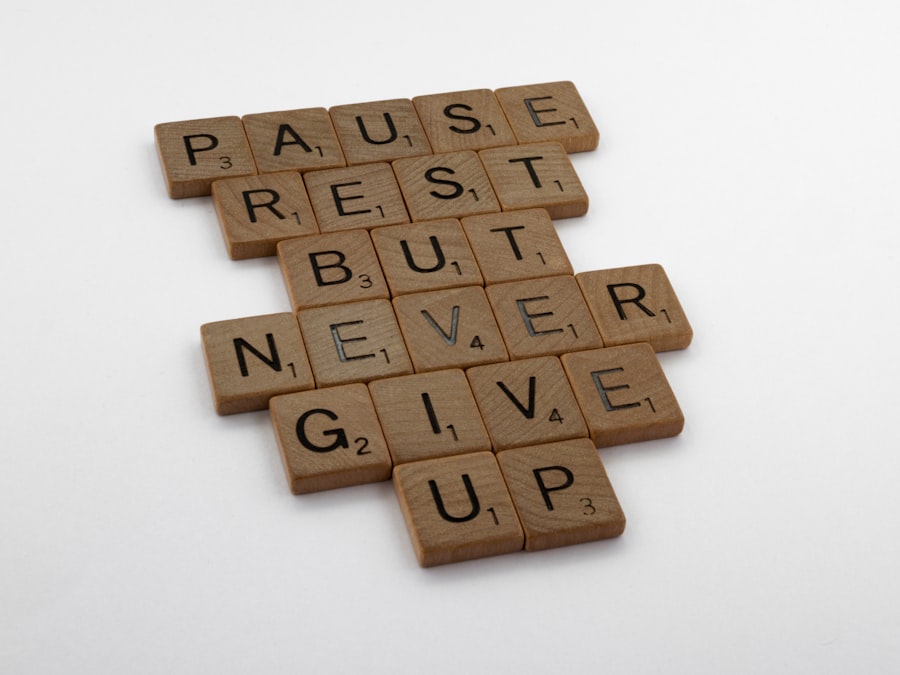
Mindset shifts are crucial, but they need to be accompanied by tangible actions. Here are some practical ways you can begin to incorporate rest and self-care into your daily life, and in doing so, dismantle that persistent rest guilt.
Scheduling Your Downtime: Treat Rest Like an Appointment
Just as you block out time for meetings and important tasks, you need to intentionally schedule your rest and self-care. This elevates these activities from optional extras to essential components of your week.
The Power of the Calendar: Making it Official
Start by blocking out specific times in your calendar for rest. This could be a thirty-minute afternoon break, an hour for a hobby, or even an entire weekend day dedicated to rejuvenation. Treat these appointments with the same seriousness as you would a client meeting. Non-negotiable.
Micro-Breaks Throughout Your Day: Small Moments, Big Impact
You don’t need to block out hours to feel rested. Incorporate micro-breaks. Set a timer for every hour or so to take a five-minute break. Stand up, stretch, walk around, close your eyes and take a few deep breaths. These small interruptions can prevent the build-up of fatigue and stress.
Curating Your Self-Care Rituals: What Truly Nourishes You?
Self-care isn’t one-size-fits-all. What rejuvenates one person might drain another. The key is to identify activities that genuinely replenish your energy and bring you joy.
Physical Self-Care: Moving Your Body and Nourishing Your Temple
This goes beyond just eating healthy. It’s about moving your body in ways that feel good, getting enough sleep, and attending to any physical needs you have.
Gentle Exercise: Walking, Yoga, or a Dance Break
It doesn’t have to be an intense workout. A leisurely walk in nature, a gentle yoga session, or even a few minutes of dancing to your favorite music can be incredibly restorative. Focus on movement that feels enjoyable, not like a chore.
Prioritizing Sleep: The Foundation of Well-being
Are you consistently getting enough quality sleep? If not, this is your biggest immediate priority. Establish a consistent sleep schedule, create a relaxing bedtime routine, and make your bedroom a sanctuary for rest. Sleep isn’t a luxury; it’s a biological necessity.
Mental and Emotional Self-Care: Calming the Inner Storm
Your mental and emotional well-being are just as important as your physical health. This involves practices that help you de-stress, process emotions, and cultivate inner peace.
Mindfulness and Meditation: Anchoring Yourself in the Present
Even a few minutes of mindfulness or meditation each day can significantly reduce stress and increase your sense of calm. There are countless apps and guided meditations available to help you get started. The goal is not to empty your mind, but to observe your thoughts without judgment.
Journaling: Unpacking Your Thoughts and Feelings
Putting your thoughts and feelings down on paper can be incredibly cathartic. It allows you to gain perspective, identify patterns, and process difficult emotions. Don’t worry about grammar or structure; just let the words flow.
Setting Digital Boundaries: Unplugging to Recharge
In our hyper-connected world, digital detoxes are essential. Schedule times when you intentionally put away your phone and disconnect from screens. This allows your brain to truly rest and prevents the constant stimulation from overwhelming you.
Building a Support System: You Don’t Have to Do This Alone
Connecting with others and sharing your experiences can be a powerful antidote to rest guilt. You might find that you’re not alone in your struggles.
Communicating Your Needs: Openly and Honestly
Talk to your partner, your family, your friends, and even your colleagues about your need for rest and self-care. Explaining your intentions and the benefits can help them understand and support your choices. Be clear and assertive about your boundaries.
Seeking Professional Guidance when Needed: Therapists and Coaches
If rest guilt is deeply ingrained and significantly impacting your life, consider seeking professional help. A therapist or coach can provide you with tools and strategies to deconstruct these patterns and build healthier habits.
Overcoming Setbacks and Maintaining Momentum

There will be days when rest guilt creeps back in. This is normal. The key is not to let these moments derail you completely, but to learn from them and continue moving forward.
Recognizing Trigger Moments: Identifying When Guilt Surfaces
Pay attention to the situations or thoughts that tend to ignite your rest guilt. Is it a busy Monday morning? A particularly demanding project? A social media post? Identifying these triggers allows you to develop pre-emptive strategies.
Anticipating and Planning: Having a “Guilt Buster” Kit Ready
When you know a trigger is approaching, have a plan in place. This could be scheduling a short walk immediately after a high-pressure meeting, or reminding yourself of your “why” before a planned rest period.
Self-Compassion in Difficult Moments: Being Kind to Yourself
When you find yourself falling back into old patterns, don’t beat yourself up. This is where self-compassion is vital. Acknowledge that this is a process, and that lapses are part of the journey. Treat yourself with the same kindness and understanding you would offer a friend.
Revisiting Your “Why”: The Deeper Benefits of Rest
When the guilt starts to whisper, remind yourself why you’re choosing to rest. Connect back to the deeper benefits for your overall well-being, your relationships, and your ability to show up as your best self in the long run.
The Ripple Effect: How Your Well-being Impacts Others
When you are rested and balanced, you are a better partner, parent, friend, and colleague. Your positive energy and calmer demeanor can have a profound positive ripple effect on those around you. You’re not just resting for yourself; you’re resting to be more present and effective for others.
Long-Term Health and Happiness: Investing in Your Future
Ignoring your need for rest is a short-sighted approach that can lead to chronic stress, burnout, and a host of health problems. Prioritizing self-care is a long-term investment in your physical, mental, and emotional health, leading to a more fulfilling and sustainable life.
Overcoming rest guilt is a common struggle for many individuals who feel pressured to constantly be productive. A helpful resource on this topic can be found in an article that discusses practical strategies for embracing rest without the accompanying feelings of guilt. By learning to prioritize self-care and understanding the importance of downtime, you can cultivate a healthier mindset. For more insights, you can check out this informative piece on unpluggedpsych.com that delves deeper into the significance of allowing yourself to recharge.
Embracing a Restful Future: A Journey, Not a Destination
| Strategies | Effectiveness |
|---|---|
| Setting boundaries | High |
| Practicing self-compassion | Medium |
| Engaging in relaxation techniques | High |
| Seeking support from others | Medium |
Conquering rest guilt is an ongoing journey. It’s about consistently practicing self-awareness, setting boundaries, and choosing to prioritize your well-being. It’s about recognizing that rest is not a luxury, but a fundamental necessity for a healthy, happy, and productive life.
The Evolution of Your Relationship with Rest
Over time, you’ll notice a shift. The knot in your stomach will loosen. The internal voice of guilt will quieten. You’ll start to genuinely look forward to your moments of rest, not with apprehension, but with anticipation for the rejuvenation they bring. This is the evolution of your relationship with rest – a conscious choice to honor your needs.
Celebrating Small Victories: Acknowledging Your Progress
Don’t forget to celebrate your successes along the way. Did you take a full hour for lunch without checking your email? Did you say no to an extra commitment? Acknowledge these victories. They are important milestones in your journey of conquering rest guilt.
Living a Life of Sustainable Well-being: The Ultimate Reward
The ultimate reward for conquering rest guilt is the ability to live a life of sustainable well-being. It’s about finding a rhythm that honors both your drive and your need for renewal. It’s about knowing that you are worthy of rest, not because of what you do, but simply because you are. Embrace this journey, and discover the profound peace and power that comes from truly allowing yourself to rest.

Why You Can’t Relax (Even When There’s Nothing Wrong)
FAQs
What is rest guilt?
Rest guilt is the feeling of guilt or shame that some people experience when they take time to rest and relax, especially when they feel like they should be working or being productive instead.
What are the causes of rest guilt?
Rest guilt can be caused by societal pressures to always be productive, personal beliefs about the value of rest, and a fear of falling behind in work or other responsibilities.
How can one overcome rest guilt?
To overcome rest guilt, it can be helpful to challenge negative beliefs about rest, prioritize self-care, set boundaries around work and rest, and practice self-compassion.
What are the benefits of overcoming rest guilt?
Overcoming rest guilt can lead to improved mental and physical health, increased productivity, better work-life balance, and a greater sense of overall well-being.
When should one seek professional help for rest guilt?
If feelings of rest guilt are significantly impacting daily life, causing distress, or leading to mental health concerns such as anxiety or depression, it may be beneficial to seek support from a mental health professional.