
The persistent question of whether teacher expectations can genuinely elevate a student’s intelligence and academic performance has captivated educators and researchers for decades. It delves into the profound influence of adult perception on child development and learning, suggesting that the beliefs held by those guiding young minds might, in fact, shape the very trajectory of those minds. This isn’t about magical thinking or the power of positive affirmations alone, but rather about a complex interplay of psychological, social, and pedagogical factors. The core of this inquiry lies in understanding the mechanisms through which these expectations might manifest, the conditions under which they are most potent, and the ethical considerations surrounding their application. Ultimately, exploring this question requires a deep dive into psychological phenomena like the Pygmalion effect and its converse, the Golem effect, examining how subtle classroom dynamics can inadvertently create self-fulfilling prophecies, and considering the long-term implications for educational equity and student potential.
The Genesis of Expectations: How Teachers Form Beliefs About Students
Teacher expectations are not formed in a vacuum; they are the product of a complex web of information, experiences, and cognitive biases. Understanding their origin is crucial to grasping their potential impact. These beliefs can be shaped by a multitude of factors, ranging from readily observable student behaviors to more deeply ingrained societal stereotypes.
First Impressions and Preconceived Notions
The initial interactions a teacher has with a student often lay the groundwork for their expectations. This can include observing a student’s demeanor on the first day, their participation in early activities, or even information passed down from previous teachers or administrators. A student who appears shy and withdrawn might, without further interaction, be perceived as less capable or engaged, regardless of their actual academic potential. Conversely, a student who is outgoing and eager might be presumed to be intelligent and diligent, even if their actual grasp of the material is superficial. These first impressions, while seemingly benign, can act as powerful filters through which all subsequent student behaviors are interpreted.
Past Performance and Academic Records
Academic records, standardized test scores, and previous grades are significant contributors to teacher expectations. Teachers often rely on this data to form initial judgments about a student’s academic capabilities. While this can be a practical starting point, it also carries the risk of perpetuating past trajectories. A student who struggled in a previous grade might be expected to continue struggling, even if they have since developed new coping mechanisms or their learning needs have been better understood. Similarly, a student who excelled might be placed on a pedestal, with the expectation that they will consistently perform at a high level, potentially leading to pressure and anxiety.
Socioeconomic and Demographic Factors
Regrettably, societal biases and stereotypes related to socioeconomic status, race, ethnicity, gender, and other demographic factors can subtly influence teacher expectations. Research has consistently shown that students from marginalized backgrounds may face lower expectations from educators, even when their academic potential is equivalent to their peers from more privileged groups. These biases can be unconscious, stemming from deeply ingrained societal narratives, and can manifest in differential treatment, such as assigning less challenging tasks, providing less constructive feedback, or offering fewer opportunities for advanced learning.
Behavioral Indicators and Classroom Dynamics
A student’s behavior in the classroom plays a significant role in shaping teacher expectations. Students who are disruptive or disengaged might be labeled as “problem students,” leading to lowered expectations for their academic success. Conversely, students who are compliant and attentive might be perceived as more capable, regardless of their actual understanding. The dynamic of the classroom itself can also contribute. A teacher might inadvertently direct more attention, encouragement, and challenging questions towards students they perceive as high-achievers, inadvertently reinforcing their positive perceptions while neglecting opportunities to engage and uplift those they perceive as struggling.
Research has shown that teacher expectations can significantly influence student performance, potentially raising their IQ over time. A related article that delves deeper into this topic is available at Unplugged Psychology, where the impact of educators’ beliefs on student achievement is explored. This resource provides valuable insights into how positive reinforcement and high expectations can create a conducive learning environment, ultimately fostering intellectual growth among students.
The Pygmalion Effect: How High Expectations Can Fuel Success

The concept of the Pygmalion effect, named after the Greek myth of a sculptor who fell in love with his creation, posits that a person’s belief about another’s capabilities can significantly influence that person’s actual performance. In an educational context, this translates to the idea that when teachers hold high expectations for their students, those students are more likely to achieve at a higher level. This is not mere wishful thinking; it is a phenomenon grounded in psychological and behavioral science.
The Power of Belief: Teacher Behavior and Student Perception
At the heart of the Pygmalion effect lies the intricate way in which teacher beliefs translate into observable actions. When a teacher genuinely believes a student has the potential to succeed, their behavior often changes in subtle yet impactful ways. They might dedicate more time to explaining concepts, offer more detailed and constructive feedback, provide more opportunities for practice and enrichment, and express greater patience and encouragement. These actions, in turn, are perceived by the student. Children are highly attuned to adult attention and affirmation. When they receive consistent positive reinforcement, tailored support, and the implicit message that they are capable, their own self-belief and motivation tend to flourish.
Creating a Positive Feedback Loop: Motivation and Effort
High teacher expectations can initiate a positive feedback loop that fuels student motivation and effort. Believing that their teacher has faith in them, students are more likely to invest greater effort in their studies. They may be more willing to tackle challenging problems, persevere through difficulties, and actively seek understanding. This increased engagement and effort can lead to better learning outcomes, which in turn can reinforce the teacher’s initial high expectations. It becomes a virtuous cycle where positive belief leads to positive action, which leads to positive results, further solidifying the initial belief.
The Influence on Self-Efficacy and Aspiration
A student’s self-efficacy – their belief in their own ability to succeed in specific situations or accomplish a task – is profoundly influenced by external validation. When teachers consistently demonstrate belief in a student’s capacity, it can significantly boost that student’s self-efficacy. This heightened sense of capability can then lead to higher aspirations. Students who believe they are capable of succeeding in challenging academic pursuits are more likely to set ambitious goals for themselves, pursue advanced coursework, and envision themselves in future roles that require higher levels of education and skill.
Empirical Evidence: The Rosenthal-Jacobson Study and Beyond
The seminal study by Rosenthal and Jacobson in 1968, famously known as the “Oak School” experiment, provided compelling empirical evidence for the Pygmalion effect. The researchers falsely told teachers that certain students were “intellectual bloomers” who were expected to show significant academic growth. At the end of the school year, these randomly selected students, despite no actual difference in their baseline abilities, showed greater IQ gains compared to their peers. While the exact mechanisms and magnitude of the effect remain a subject of ongoing research and debate, numerous subsequent studies have corroborated the general finding that teacher expectations can indeed influence student achievement. These studies, employing various methodologies, have consistently pointed to the power of teacher belief as a significant, albeit not sole, determinant of student success.
The Golem Effect: When Low Expectations Undermine Potential
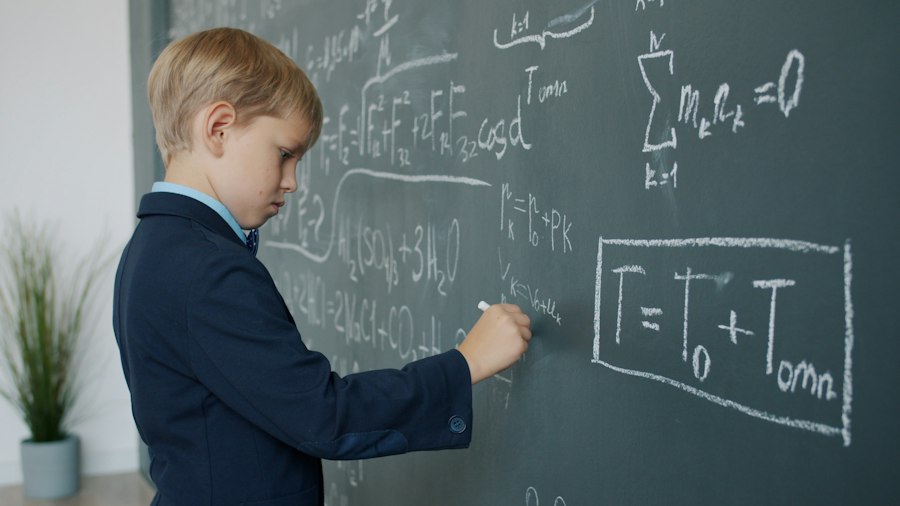
Conversely, the Golem effect highlights the detrimental impact of low teacher expectations. Just as positive beliefs can foster growth, negative beliefs can stifle it, creating a self-fulfilling prophecy of underachievement. This phenomenon underscores the critical importance of ensuring that all students are afforded the benefit of the doubt and are not prematurely pigeonholed into categories of limited potential.
The Subtle Erosion of Confidence: Teacher Interactions and Student Self-Perception
When teachers hold low expectations for a student, their interactions with that student often differ significantly from their interactions with high-achieving students. They may provide less detailed explanations, offer fewer opportunities for independent work, be quicker to intervene and provide answers, or express less enthusiasm for the student’s contributions. These subtle cues, often unconscious, can be deeply damaging to a student’s self-perception. Students who consistently receive less attention, less challenging material, and less affirmation of their efforts may begin to internalize these low expectations, leading to a decline in their self-confidence and a diminished belief in their own academic abilities.
Diminished Motivation and Increased Passivity
Low expectations can lead to a significant erosion of student motivation. If a student perceives that their teacher does not believe they can succeed, the incentive to try becomes diminished. They may become disengaged, adopt a passive approach to learning, and resist taking intellectual risks. This can manifest as a lack of participation in class discussions, avoidance of difficult tasks, and a general apathy towards academic pursuits. The student essentially begins to conform to the low expectations placed upon them, creating a downward spiral of performance.
The Reinforcement of Stereotypes and Equity Concerns
The Golem effect is particularly concerning when it intersects with existing societal stereotypes. Students from marginalized backgrounds, who may already face systemic disadvantages and societal prejudice, can be disproportionately affected by low teacher expectations. If teachers hold unconscious biases that associate certain demographic groups with lower academic potential, these biases can manifest as low expectations, thereby perpetuating cycles of inequity. This can lead to a widening achievement gap and limit opportunities for these students to reach their full potential. It is a critical ethical imperative to actively challenge and dismantle these harmful stereotypes within the educational system.
The “Tracking” Problem and Limited Pathways
In some educational systems, students are “tracked” into different academic pathways based on perceived ability. While intended to provide tailored instruction, this system can inadvertently amplify the Golem effect. Students placed in lower tracks, often due to early assessments or teacher perceptions, may be denied access to more rigorous curricula and advanced learning opportunities. This can limit their future academic and career pathways, solidifying the initial low expectations and making it exceedingly difficult for them to escape these prescribed limitations.
Mechanisms of Influence: How Expectations Translate into Outcomes
Understanding the “how” is as important as understanding the “what” and the “why.” The transmission of teacher expectations, whether positive or negative, occurs through a variety of subtle yet powerful classroom mechanisms that shape the student’s learning experience and ultimately influence their outcomes.
Differential Treatment and Resource Allocation
Teachers, often unconsciously, allocate resources and attention differently based on their expectations. This can manifest in several ways:
- Teacher-Student Interaction Patterns: This includes the frequency and quality of interactions. High-expectation students might receive more verbal praise, more opportunities to answer questions, more sustained eye contact, and more encouraging non-verbal cues. Low-expectation students might receive fewer opportunities to speak, more unsolicited help, and less encouraging body language.
- Challenging Assignments and Feedback: Teachers might assign more complex and open-ended tasks to students they expect to excel, while assigning more rote or repetitive tasks to those they perceive as struggling. The nature of feedback also differs; high-expectation students might receive feedback aimed at refining their understanding and encouraging deeper critical thinking, while low-expectation students might receive feedback focused on correcting errors or completing basic tasks.
- Patience and Persistence: Teachers are often more patient with students they believe have the capacity to learn, allowing them more time to arrive at answers and explore different approaches. Conversely, they may become more easily frustrated or provide immediate answers to students they perceive as less capable, thereby limiting opportunities for independent problem-solving.
Non-Verbal Communication and Emotional Climate
Beyond explicit verbal communication, non-verbal cues play a significant role in conveying expectations. A teacher’s tone of voice, facial expressions, posture, and gestures can communicate messages of belief, encouragement, or doubt. A warm, engaging demeanor can foster a positive learning environment where students feel supported and motivated. Conversely, a distant, dismissive, or critical non-verbal presentation can create an atmosphere of anxiety and discourage participation. The emotional climate of the classroom, heavily influenced by the teacher’s demeanor, can therefore become a powerful conduit for expectation transmission.
Opportunities for Participation and Leadership
The opportunities provided for students to participate in classroom activities and take on leadership roles are often guided by teacher expectations. Students perceived as capable are more likely to be invited to share their thoughts, lead group activities, or present their work to the class. This not only provides them with valuable learning experiences but also reinforces their sense of competence and belonging. Conversely, students with lower perceived potential may be overlooked for these opportunities, leading to fewer chances to develop their skills and build their confidence.
Curriculum Differentiation and Instructional Strategies
While curriculum differentiation can be a valuable tool for meeting diverse learning needs, it can also inadvertently become a vehicle for transmitting low expectations. If the “lower” curriculum is significantly less rigorous or engaging than the “higher” curriculum, it can signal to students that they are not expected to master more complex material. Similarly, instructional strategies can be adapted. Teachers might employ more teacher-directed, less inquiry-based approaches for students they believe need more structure, inadvertently limiting their exposure to active learning and critical thinking.
Research has shown that teacher expectations can significantly influence student performance, potentially even raising IQ levels over time. A related article on this topic can be found at Unplugged Psychology, where the impact of educators’ beliefs on student achievement is explored in depth. Understanding how these expectations shape learning environments is crucial for fostering academic success and personal growth among students.
Cultivating Positive Expectations: Strategies for Educators and Institutions
| Study | Sample Size | Teacher Expectation Intervention | IQ Increase Observed | Duration | Notes |
|---|---|---|---|---|---|
| Rosenthal & Jacobson (1968) | 18 classrooms, 650 students | Teachers told certain students were “bloomers” | Average IQ gain of 5-8 points in bloomers | 1 academic year | First major study on expectancy effects in education |
| Jussim & Harber (2005) Meta-analysis | Multiple studies, thousands of students | Teacher expectations measured and correlated with student outcomes | Small but significant positive correlation with IQ and achievement | Varied | Effect sizes generally modest; expectations influence motivation and performance |
| Good & Brophy (2000) | Various classroom settings | Teacher expectations manipulated through training | IQ gains typically under 5 points | Several months to 1 year | Expectations impact student self-concept and effort |
| Harris & Rosenthal (1985) | Review of expectancy effect studies | Teacher expectations influence student performance | IQ changes not always consistent; performance gains more reliable | Varied | Expectations affect behavior and feedback, indirectly influencing IQ test results |
Recognizing the profound impact of teacher expectations necessitates a proactive approach to cultivating positive and equitable beliefs within educational settings. This involves not only individual educator reflection but also systemic support and training. The goal is to empower teachers to foster the potential of every student, regardless of their background or past performance.
Self-Reflection and Bias Awareness Training
The first and most crucial step for educators is to engage in honest self-reflection about their own expectations and potential biases. This involves critically examining the origins of their beliefs about students and being open to challenging preconceived notions. Institutions can support this process through ongoing professional development workshops focused on unconscious bias, cultural competence, and the psychology of expectation. These training sessions can provide educators with the tools and frameworks to identify and mitigate the influence of personal biases on their interactions with students.
Data-Driven Instruction and Growth Mindset Emphasis
While initial data can inform expectations, it should not define them. Educators should focus on using data to track student growth and identify areas for support, rather than simply labeling students based on past performance. Embracing a growth mindset, both for themselves and for their students, is paramount. This perspective, popularized by Carol Dweck, emphasizes that intelligence and abilities are not fixed but can be developed through dedication and hard work. Teachers can foster this mindset by focusing on effort, progress, and learning from mistakes, rather than solely on innate talent.
Building Strong Teacher-Student Relationships
Developing genuine, supportive relationships with students is a cornerstone of cultivating positive expectations. When teachers invest time in getting to know their students as individuals, understanding their strengths, challenges, and aspirations, they are better equipped to hold accurate and optimistic beliefs about their potential. This involves active listening, showing genuine interest in their lives, and creating a classroom environment where students feel seen, heard, and valued.
Collaborative Professional Learning Communities
Creating opportunities for educators to share their experiences, challenges, and best practices is vital. Professional learning communities (PLCs) can serve as a valuable space for teachers to discuss their observations, receive feedback from peers, and collaboratively develop strategies for fostering high expectations for all students. This collegial support network can help educators to hold each other accountable and to continuously refine their practice.
Systemic Support and Equitable Resource Allocation
Ultimately, fostering positive expectations requires systemic support. Educational institutions must ensure that all students have access to equitable resources, including well-trained teachers, up-to-date curriculum materials, and supportive learning environments. Policies that promote detracking, individualized support, and culturally responsive pedagogy can create a more level playing field, enabling all students to benefit from high teacher expectations and to achieve their full potential. This includes investing in early intervention programs and providing ongoing professional development that specifically addresses the impact of expectations on student learning.

The Famous IQ Study That Fooled the World
FAQs
Can a teacher’s expectations affect a student’s IQ?
Yes, research has shown that a teacher’s expectations can have a significant impact on a student’s performance and intellectual development, including their IQ.
How do teacher expectations influence student outcomes?
Teacher expectations can influence student outcomes by shaping their self-perception, motivation, and effort levels. When teachers have high expectations for their students, they are more likely to challenge them to reach their full potential.
Are there studies that support the idea that teacher expectations can raise IQ?
Yes, several studies have demonstrated a link between teacher expectations and student performance, with some suggesting that high expectations can lead to improvements in cognitive abilities, including IQ scores.
What are some ways teachers can set high expectations for their students?
Teachers can set high expectations for their students by providing challenging assignments, offering constructive feedback, fostering a growth mindset, and creating a supportive learning environment that encourages students to strive for excellence.
Can teacher expectations have a long-term impact on a student’s intellectual development?
Yes, teacher expectations can have a long-term impact on a student’s intellectual development by influencing their self-confidence, academic aspirations, and overall cognitive growth. Positive teacher expectations can help students unlock their full potential and achieve greater success in the long run.